How Much Do Aluminium Windows Cost in 2026?
Aluminium Windows Prices in 2026 can vary sharply between a standard replacement and a made-to-measure installation. The frame is only part of the bill. Window size, thermal breaks, glazing, hardware, access, and labour can all change the final quote. A small bathroom window and a wide living-room slider are not like-for-like purchases. Even two similar-looking frames may have different insulation and finish specifications.
Energy performance is worth checking alongside price. The U.S. Department of Energy’s Energy Saver guidance estimates that heat gain and loss through windows account for 25–30% of residential heating and cooling energy use. The U.S. Energy Information Administration’s 2020 Residential Energy Consumption Survey also identifies space heating and air conditioning as major household energy uses. These figures provide useful context, not a promise that new windows will deliver a particular saving. Your climate, existing frames, and installation quality matter. The gaps matter.
This guide explains the main cost drivers and how to compare quotes on equal terms. Look for itemised prices covering glazing, frame finish, removal, disposal, and fitting. Ask whether the specification includes thermal breaks and suitable seals. A low headline price can leave important work out. That comparison is imperfect, though: suppliers may describe similar products differently. Check the details before deciding, and treat any online estimate as a starting point—not a confirmed local price.
What Determines Aluminium Window Prices in 2026?
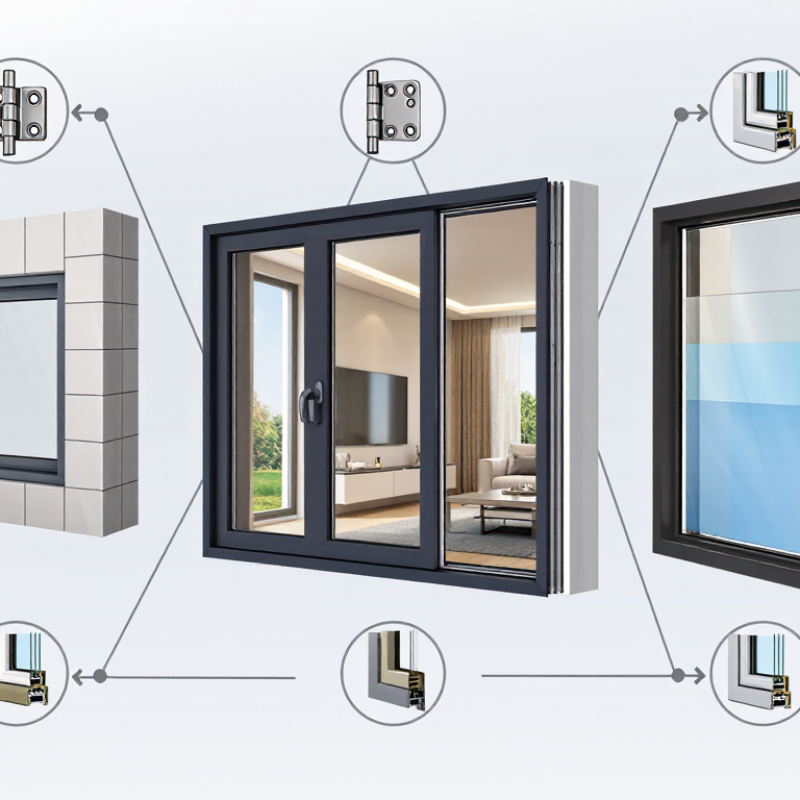
Aluminium window prices in 2026 depend on more than frame material. Frame size, profile depth, thermal breaks, glazing, opening style and finish all affect the quote. A large sliding window may need stronger sections and more complex hardware than a small fixed pane. Details matter.
Glazing is a major cost driver. Double or triple glazing, acoustic laminates and low-emissivity coatings add material and processing costs. The U.S. Department of Energy estimates that windows account for 25–30% of household heating and cooling energy use. That helps explain why buyers may pay more for better-performing glass. The National Fenestration Rating Council’s ratings let buyers compare U-factor and solar heat gain coefficient, rather than relying on vague “energy-efficient” claims.
Installation can shift the total substantially. Upper-floor access, difficult openings, removal of old frames, repairs and careful flashing may add labour. Custom colours and non-standard sizes can also extend lead times and raise fabrication costs. Ask whether a quote includes delivery, disposal, trims and making good around the opening. A low figure may exclude some of these. Even careful estimates vary: two quotes are only comparable when their glass, dimensions and installation scope match.
Typical Aluminium Window Costs by Style and Size
For a 2026 UK budget, a small aluminium casement window, around 600 × 900 mm, typically costs £500–£800 installed. A standard 1,200 × 1,200 mm casement is roughly £750–£1,200. Larger frames need more material and stronger handling, so a 1,800 × 1,200 mm unit may reach £1,100–£1,800. These are planning ranges, not fixed tariffs. They draw on published UK trade-cost benchmarks, with regional variation informed by RICS BCIS building-cost indices. Expect access, glazing specification, and removal of old frames to change the quote.
Style matters. A simple fixed pane of similar size may cost less because it has no opening hardware. Tilt-and-turn designs often cost more than basic casements, while sliding doors and multi-panel systems can rise well above £2,000. A bay or unusually shaped window may require made-to-measure fabrication and extra installation time. Small details add up: a dark finish, triple glazing, or trickle vents can shift the final price. Very much depends on the opening. Ask for itemised quotes showing frame size, glazing, fitting, disposal, and VAT; otherwise, comparing totals can be misleading. Even careful estimates miss awkward access or hidden frame damage.
How Glazing, Frames, and Finishes Affect the Price
How Much Do Aluminium Windows Cost in 2026?
How Glazing, Frames, and Finishes Affect the Price
There is no single price for aluminium windows in 2026. The final quote depends on window size, opening style, glazing, frame design, and installation needs. A small fixed window usually requires less material and hardware than a wide sliding unit. Ask whether the quote includes removal, fitting, and disposal; those details can make two estimates look farther apart than they really are.
Glazing can shift the cost noticeably. Double glazing is a common choice, while triple glazing may cost more and add weight. Low-emissivity glass can help reduce heat loss, but its value depends on your home and climate. Frame profiles matter too: slim sightlines use less visible frame, while larger openings may need stronger sections. Thermal breaks improve insulation, though the specification should be checked rather than assumed. Finishes also affect price. A standard colour may cost less than a custom shade, textured coating, or different colours inside and out. One easy mistake is comparing appearance alone.
Tips: Request itemised quotes with the same sizes, glass specification, finish, and fitting scope. Check sample colours in daylight; screens can mislead. If a quote is unusually vague, pause and ask what is excluded.
How Much Do Aluminium Windows Cost in 2026?
Indicative installed cost per standard-size casement window in USD. Bars show the midpoint of each estimated price range.
Triple glazing typically costs more than double glazing, while thermal-break frames and premium finishes can add further cost. These planning estimates illustrate complete window configurations, not isolated surcharges; actual prices vary with window size, specification, location, and installation requirements.
Installation and Other Additional Costs
Installation can add a substantial amount to the price of aluminium windows in 2026. Labour costs depend on the number of windows, access, and how much preparation each opening needs. A ground-floor replacement is usually simpler than fitting windows on an upper storey. Removing old frames, carrying them out, and disposing of them may also appear as separate charges. Ask whether the quote includes these tasks.
Older homes can need extra work. Installers may find damaged timber, uneven openings, or gaps that require additional insulation and finishing. Scaffolding, interior trim, exterior sealing, and changes to window openings can raise the bill. One awkward detail: a low initial quote may exclude finishing work, leaving you to arrange it later. Request an itemised estimate, and check who handles repairs if hidden damage appears.
Tips: Compare quotes based on the same window sizes and installation scope. Ask about removal, disposal, scaffolding, and finishing before you sign. Keep a contingency for unexpected repairs; even careful inspections can miss problems behind an old frame.
How to Estimate the Total Cost of a Window Project
Estimating the total cost of aluminium windows in 2026 means looking beyond the price per frame. Your final budget may include glass options, opening styles, finishes, delivery, installation, and removal of old windows. A large sliding unit usually needs different handling from a small bathroom window. Access can matter, too; upper floors may require extra equipment. Local labour rates and taxes also affect the quote, so online prices are only a starting point.
Tips: Measure each opening, but have the installer verify the dimensions before ordering. Ask for an itemised quote covering materials, labour, disposal, and any repair work. Keep a 10–15% buffer for unexpected issues, such as damaged reveals. It adds up.
Compare quotes using the same specifications, not just the headline total. Check whether the stated price includes suitable glazing, interior finishing, and a clear installation schedule. If the existing frames are difficult to remove, ask how that could change the cost. A short site visit can reveal problems that photos miss. Be cautious of estimates that leave major items vague. Even careful planning has limits; older buildings can hide surprises behind the trim.
FAQS
Size, opening style, glazing, frame design, finish, and installation all affect the quote. No single price fits every project.
Yes. A small fixed window usually needs less material and hardware than a wide sliding unit.
Double glazing is common. Triple glazing may cost more and add weight. It adds weight.
Not necessarily. Slim sightlines use less visible frame, but larger openings may need stronger sections.
Custom shades, textured coatings, and different colours inside and out may cost more than standard colours. Screens can mislead.
Ask whether removal, disposal, fitting, scaffolding, sealing, and interior or exterior finishing are included.
Openings can be uneven, or old frames may hide damaged timber. Repairs and extra insulation can raise the bill.
Request itemised quotes with matching sizes, glass, finishes, and installation scope. A vague quote deserves a closer look.
Yes. Inspections can miss problems behind old frames, so keep a contingency. I might still underestimate this part.
Conclusion
Aluminium Windows Prices in 2026 can vary considerably depending on the window’s size, style, frame design, and overall specifications. A simple, standard-sized window will usually cost less than a larger or more complex design, while choices such as double or triple glazing, thermal performance, frame thickness, and colour or finish can also affect the price.
The purchase price is only part of the total project cost. Installation may add to the budget, along with possible charges for measuring, removing old windows, preparing openings, and finishing the surrounding areas. To estimate the full cost, compare the specifications of each window, count the units required, and include both supply and installation expenses. Allowing for additional work and a contingency can help create a more realistic budget before starting the project.

Blog Tags: