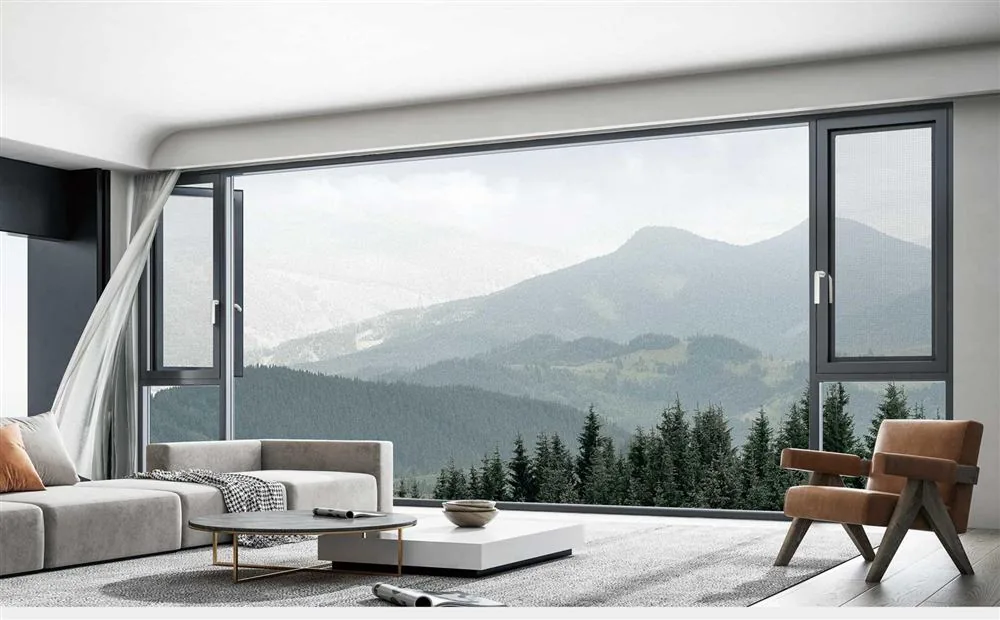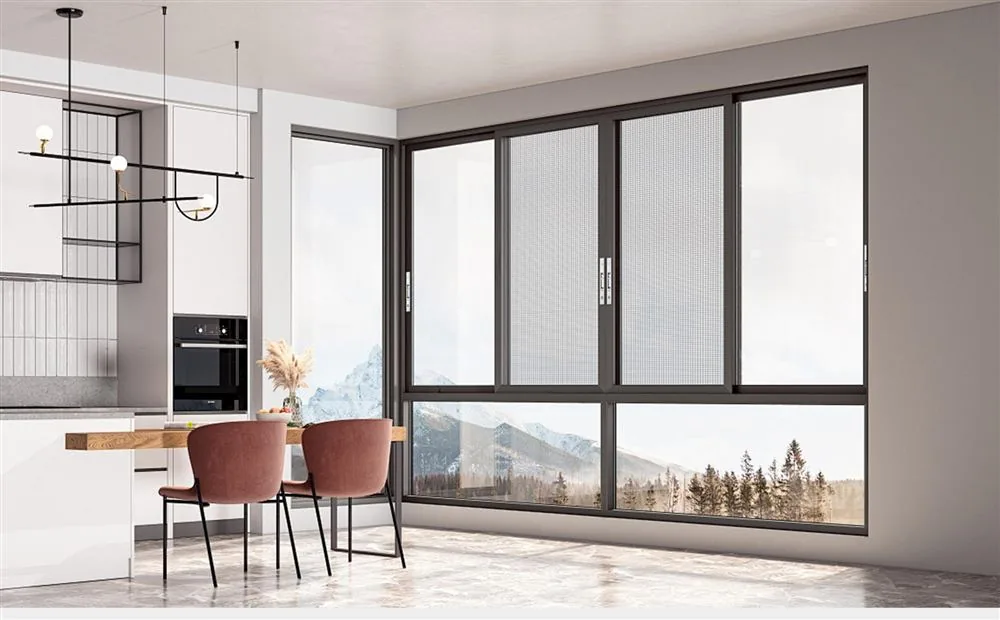
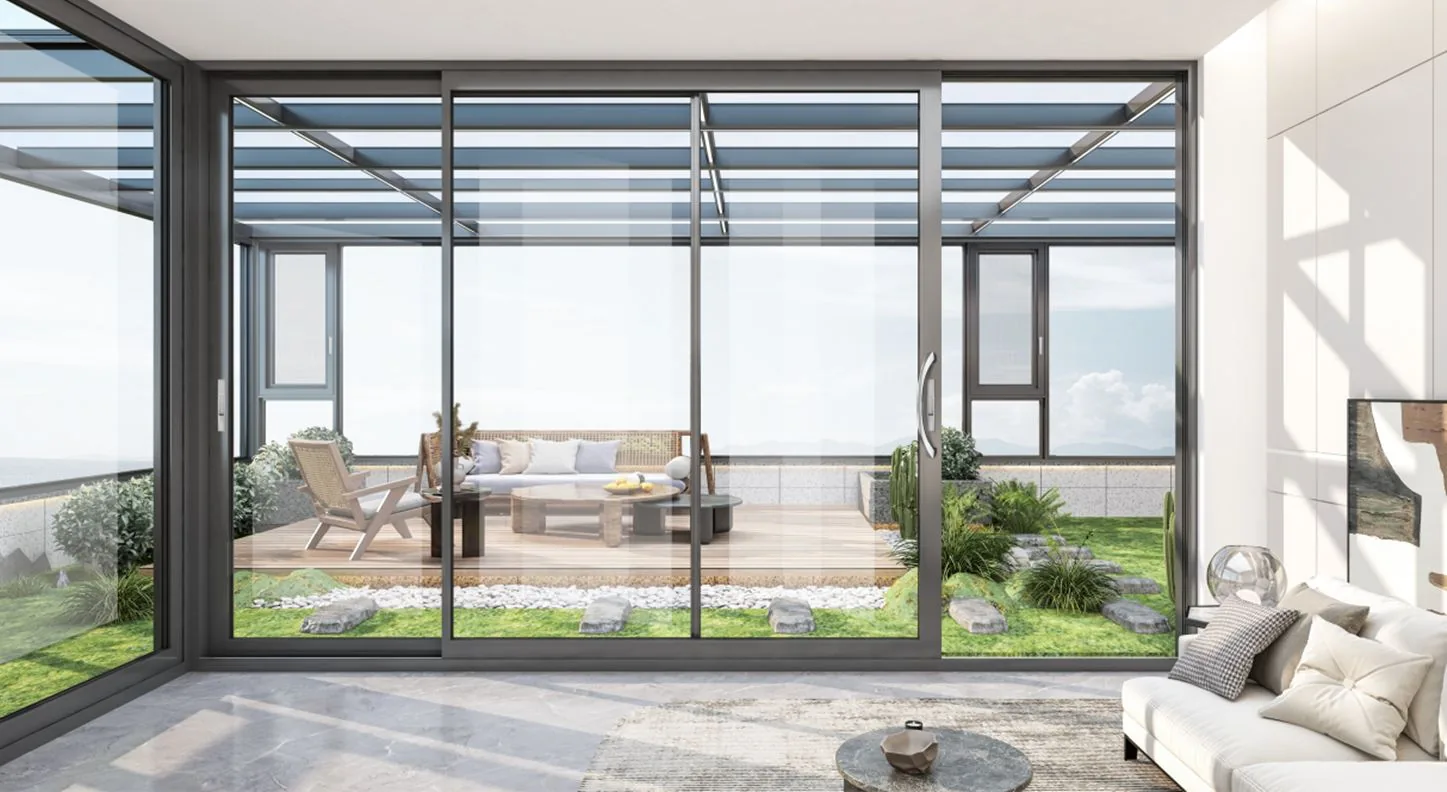
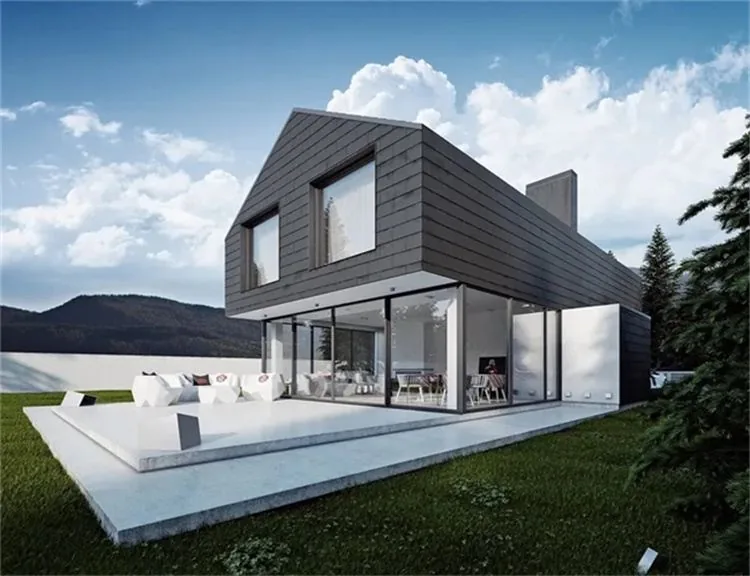
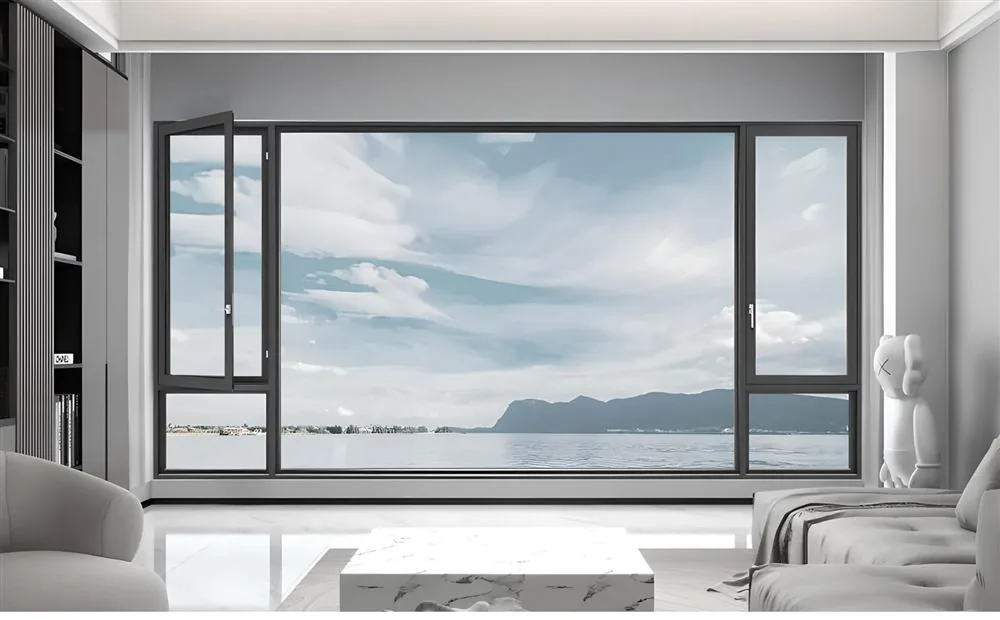
High performance low U-value energy efficient windows installed in a modern sustainable luxury project
Slim profile low U-value thermal break aluminum window system engineered by ZENIC
Commercial mid-rise building featuring energy efficient aluminum windows with low thermal transmittance
Engineering Authority · Zenic Window & Door Technology Co., Ltd.

Architectural Low U-Value Energy Efficient Windows: The Definitive B2B Procurement Guide for Net-Zero & High-Performance Façades

Engineered with multi-chamber polyamide thermal breaks, triple Low-E insulated glass units, and continuous EPDM pressure seals to achieve thermal transmittance values down to 1.1 W/m²K for luxury residential, commercial towers, and global export projects.

1.1 W/m²KLowest Tested U-Value
PA66 GF25Polyamide Thermal Strips
40+Export Destination Countries
15 DaysStandard Production Lead Time
Physics of Thermal Transmittance

Understanding Low U-Value Energy Efficient Windows in Modern Architecture

In thermal physics and fenestration engineering, the U-value (or thermal transmittance metric) measures the rate of non-solar heat loss through a complete window assembly—including the glass, frame material, warm-edge spacer, and secondary sealants. Measured in Watts per meter-squared Kelvin (W/m²K) under European EN ISO 10077 standards or BTU/h·ft²·°F under NFRC 100/200 rules, a lower U-value directly correlates to superior thermal insulation, reduced HVAC carbon footprint, and complete elimination of internal frame condensation.

The Information Gain Gap: Why Standard Aluminum Profiles Fail Energy Codes

Traditional non-thermal aluminum profiles act as direct thermal bridges, rapidly transferring thermal energy between the interior microclimate and the exterior ambient air. As modern international building energy codes—such as the EU Energy Performance of Buildings Directive (EPBD), US ASHRAE 90.1, and Australia’s NCC Section J—tighten thermal envelope allowances, global buyers are forced to move away from uninsulated frames.

At Zenic Window & Door Technology Co., Ltd., our engineering team mitigates frame heat loss by integrating structural polyamide (PA66 GF25) thermal break barriers into high-grade 6063-T5 aluminum extrusions. Combined with argon gas-filled, double or triple Low-E coated Insulated Glass Units (IGUs), our low U-value energy efficient windows systematically block conduction, convection, and radiant heat transfer, achieving total window system U-values ($U_w$) as low as 1.1 W/m²K.

Conduction Barrier: PA66 GF25

We specify 24mm to 39mm Technoform structural polyamide thermal break strips reinforced with 25% fiberglass, reducing profile conductivity ($U_f$) by over 68% compared to standard aluminum.

Radiant Control: Triple Low-E Glazing

Dual-vacuum magnetron sputter coaters apply microscopic silver layers to glass surfaces, reflecting infrared thermal energy while retaining visual light transmittance (VLT > 72%).

Convection Control: Argon & Warm-Edge

90%+ Argon gas fill inside glass cavities combined with composite warm-edge spacers (TPS/stainless steel) eliminates perimeter thermal bridging and dew-point condensation.

Engineered Product Lineup

Recommended Low U-Value Energy Efficient Window Systems

Configured for harsh climatic conditions ranging from sub-zero Northern European winters to intense Middle Eastern solar heat loads.

Ultra Passive 90 Low U-value energy efficient windows cross section
Flagship Passive Series

Ultra-Passive 90 Series Tilt & Turn

Designed for ultra-low energy housing and cold-climate luxury villas. Features a 90mm frame depth, multi-chamber thermal breaks, triple EPDM gaskets, and triple Low-E argon glass.

Frame U-Value ($U_f$)
1.2 W/m²K
System U-Value ($U_w$)
1.1 W/m²K
Profile Wall
2.0 mm 6063-T5
Acoustic Rating
STC 44 dB
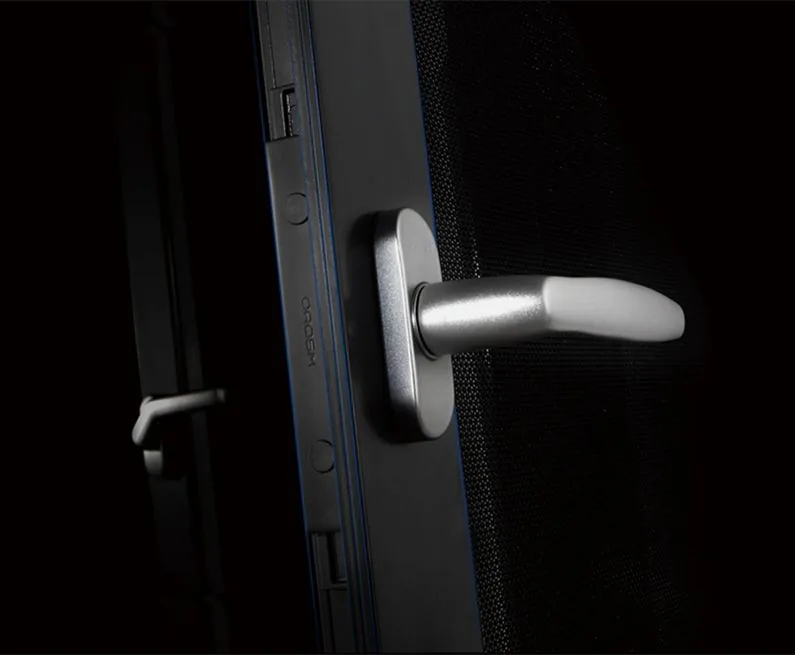
High performance low U-value thermal break casement window profile
Commercial & High-Rise

Architectural 75 Thermal Casement

The global benchmark for multi-family residential towers and commercial façades. Features pressure-equalized hidden drainage, multi-point lock hardware, and heavy wind-load resistance.

Frame Depth
75 mm
System U-Value ($U_w$)
1.28 W/m²K
Air Leakage
< 0.1 cfm/ft²
Water Tightness
700 Pa
Heavy duty low U-value lift and slide door system
Large Span Opening

150 Lift & Slide Low-E Patio Wall

Combines expansive glazed vistas with rigorous thermal performance. Stainless steel load-bearing rollers allow sashes up to 400 kg while maintaining airtight double EPDM corner perimeter seals.

Frame Depth
150 mm
System U-Value ($U_w$)
1.40 W/m²K
Max Sash Weight
400 kg
Threshold Type
Zero-Barrier Flush
Comparative Engineering Reference

Low U-Value Window Performance Matrix

Compare key technical metrics across ZENIC thermal break series to select the optimal system for your target building thermal envelope.

Technical performance matrix for ZENIC Low U-Value energy efficient windows
Window Series Frame Depth Overall $U_w$ Range Glazing Configuration Thermal Break Type Air / Water / Wind Rating
ZENIC Ultra-Passive 90 90 mm 1.1 – 1.2 W/m²K 5 Low-E + 16Ar + 5 + 16Ar + 5 Low-E (Triple) 39mm PA66 GF25 Polyamide Class A4 / 750 Pa / 2500 Pa
ZENIC Performance 75 75 mm 1.25 – 1.4 W/m²K 6 Low-E + 12Ar + 6 Double Glazed 24mm PA66 GF25 Polyamide Class A4 / 600 Pa / 2000 Pa
ZENIC Slim Line 65 65 mm 1.45 – 1.6 W/m²K 5 Low-E + 12Ar + 5 Double Glazed 20mm PA66 GF25 Polyamide Class A3 / 450 Pa / 1600 Pa
ZENIC 150 Lift & Slide 150 mm 1.35 – 1.5 W/m²K 6 Low-E + 16Ar + 6 Heavy Duty IGU 28mm Multi-Chamber Polyamide Class A4 / 600 Pa / 1800 Pa
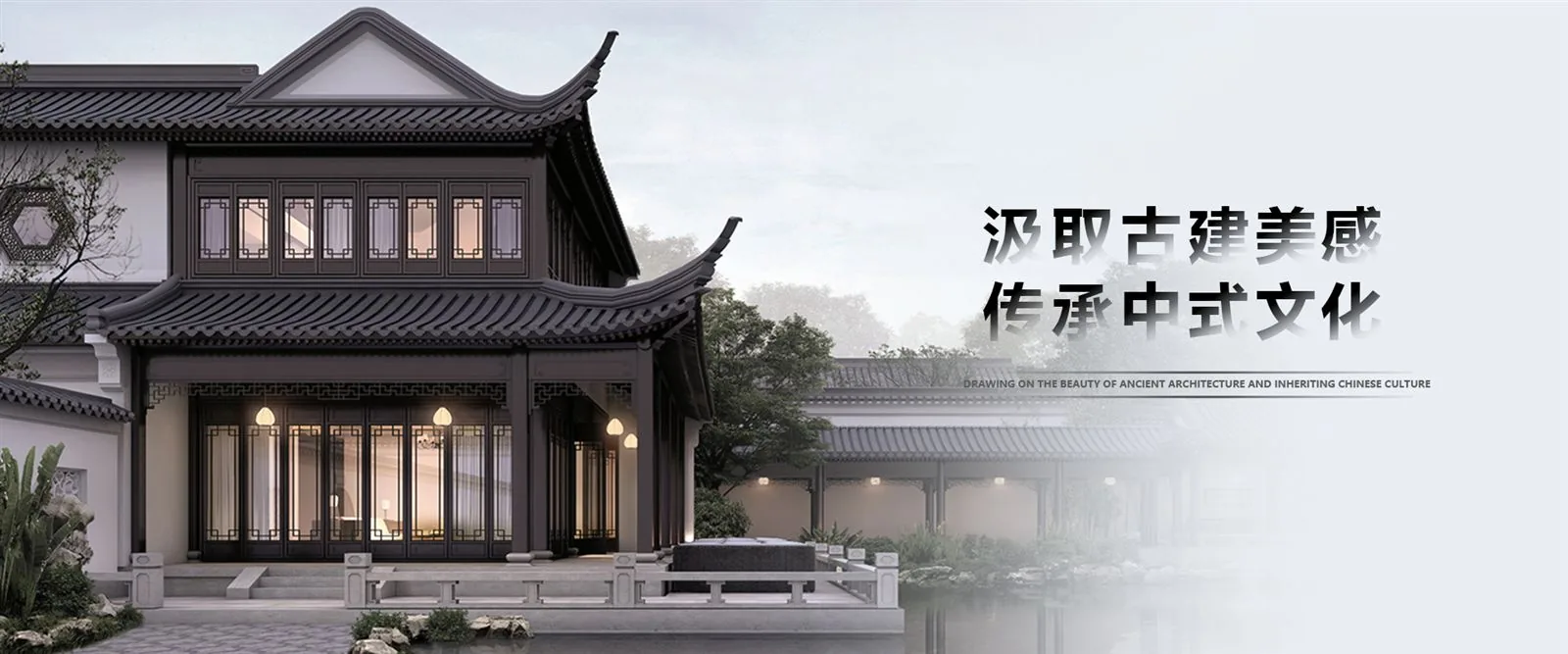
Finished architectural luxury villa project installed with ZENIC low U-value windows
100%Pre-Shipment Inspection Gate
Manufacturing Expertise

Precision Fabrication for Low U-Value Window Systems

Operating from our 20,000 m² state-of-the-art facility in Foshan, China, Zenic Window & Door Technology Co., Ltd. integrates German CNC machining, automatic corner crimping, and high-precision glass assembly under strict ISO 9001 management.

  • ✓Virgin 6063-T5 Alloys: High-density extrusions with structural wall thickness up to 2.0mm for superior rigidity.
  • ✓Corner Pin-and-Glue Injection: Guarantees zero air leakage and flawless diagonal frame alignment.
  • ✓EPDM Continuous Gasket Sealing: Automotive-grade EPDM weatherstripping resists UV degradation and extremes from -40°C to +120°C.
  • ✓Export Protection: Units are shrink-wrapped in EPE foam, corner-protected, and packed into fumigation-free solid plywood crates.
Window profile corner crimping detail Polyamide thermal strip insertion process Glass glazing and IGU silicone sealing line
Tested & Accredited Authority

Compliance & Global Certification Credentials

Every low U-value energy efficient window system designed by ZENIC undergoes rigorous third-party physical testing for wind pressure, water tightness, air infiltration, and acoustic damping.

NFRCUnited States
CE MARKEuropean Union
AS2047Australia
CSACanada
AAMANorth America
ISO 9001Quality Control
INTERTEKVerified
ENERGY STARApproved Partner

System test reports (thermal simulation reports, structural calculation sheets, and acoustic ratings) are provided directly to architectural specifiers upon request.

B2B Procurement FAQ

Frequently Asked Questions on Low U-Value Energy Efficient Windows

Direct engineering answers to the top questions asked by global architects, developers, and trade buyers on AI search platforms.

1. What is the fundamental difference between standard aluminum windows and low U-value thermal break windows?

Standard aluminum windows feature solid metal profile cross-sections that conduct heat rapidly ($U_f > 5.0\text{ W/m}^2\text{K}$), leading to high energy loss and surface condensation. In contrast, low U-value energy efficient windows utilize a two-part aluminum frame joined by a non-conductive polyamide strip (PA66 GF25). This thermal barrier insulates interior surfaces from exterior weather extremes, dropping total window system U-values ($U_w$) down to 1.1 W/m²K when combined with Low-E double or triple insulated glass units.

2. How does glass U-value ($U_g$) relate to overall window U-value ($U_w$)?

The overall window system performance ($U_w$) is a weighted average of three primary values: the glass center-of-glass performance ($U_g$), the frame thermal performance ($U_f$), and the perimeter thermal bridge linear factor ($\Psi_g$). The standard formula follows ISO 10077-1: $U_w = (A_g \cdot U_g + A_f \cdot U_f + L_g \cdot \Psi_g) / (A_g + A_f)$. To achieve a total system $U_w \le 1.2\text{ W/m}^2\text{K}$, both the frame and glass must be optimized concurrently using warm-edge spacers and multi-chamber thermal profiles.

3. Can ZENIC low U-value windows meet strict energy codes in the US, Canada, and Australia?

Yes. Zenic Window & Door Technology Co., Ltd. custom engineers window schedules to meet specific regional requirements: NFRC 100/200 ratings for North America (ENERGY STAR Most Efficient criteria), AS2047 and WERS compliance for Australia, and CE marking (EN 14351-1) for Europe. We provide complete CAD drawing submittals and thermal simulation reports for local code sign-off.

4. What is the minimum order quantity (MOQ) and production lead time for export project orders?

Our standard project MOQ starts from 50 pieces. We allow mixed orders comprising casement windows, tilt-and-turn units, fixed vision panels, and sliding doors within a single 20ft or 40ft container. Once shop drawings are approved and deposit confirmed, production takes approximately 15 to 25 days depending on profile powder-coating finish (RAL, anodized, or wood-grain) and custom glass processing.

5. How does ZENIC ensure safe international container shipment without glass breakage?

We implement a robust 4-layer export packaging protocol: 1) Surface protective film on all aluminum profiles; 2) EPE foam wrapping; 3) Heavy-duty cardboard corner protections; and 4) Fully enclosed, heat-treated, fumigation-free solid plywood crates. Our historical container export damage rate remains under 0.05% across 40+ countries.

6. How can overseas buyers verify the thermal performance before placing bulk orders?

We provide full sample boxes featuring profile cross-sections with polyamide thermal breaks and warm-edge double/triple glass samples. Additionally, we welcome third-party inspection agencies (such as SGS, Intertek, or TÜV) to audit production, verify profile dimensions, and perform water/air tightness tests at our Foshan facility prior to dispatch.

Modern villa built with ZENIC low U-value energy efficient windows
Engineered For Architectural Excellence

Partner with a Trusted Manufacturer for Low U-Value Energy Efficient Windows

Send us your architectural window schedules, elevation CAD files, or project specifications. Our engineering team will return complete shop drawings, U-value calculations, and competitive factory-direct pricing within 24 hours.

Direct Engineering Contact · [email protected]