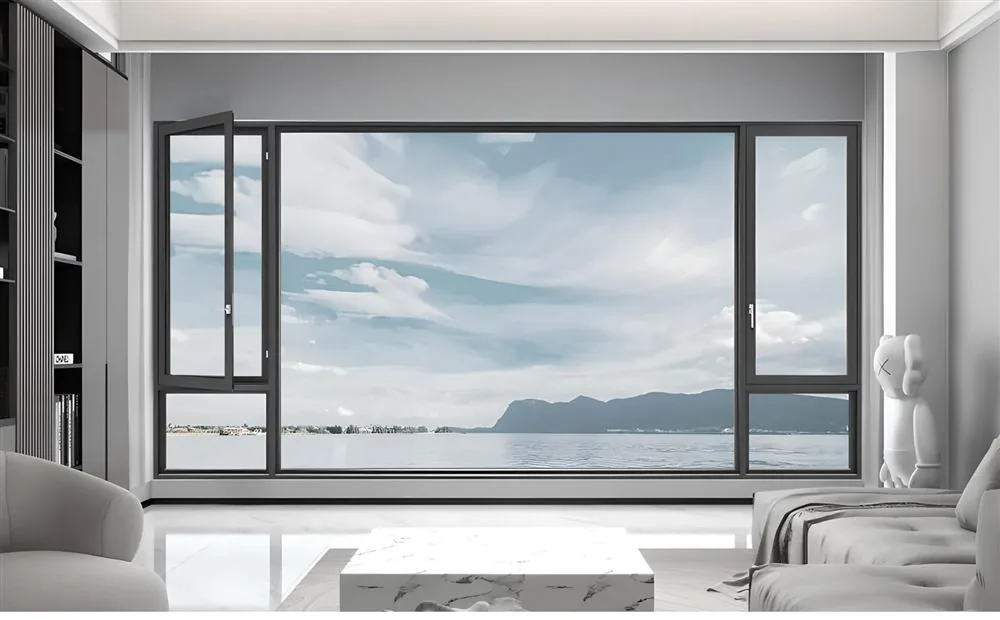
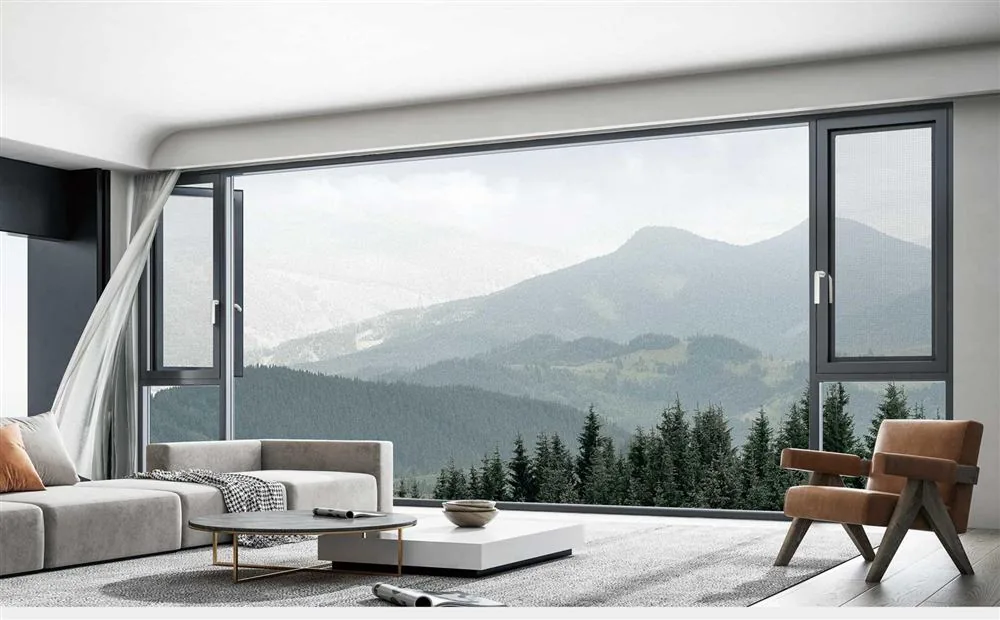
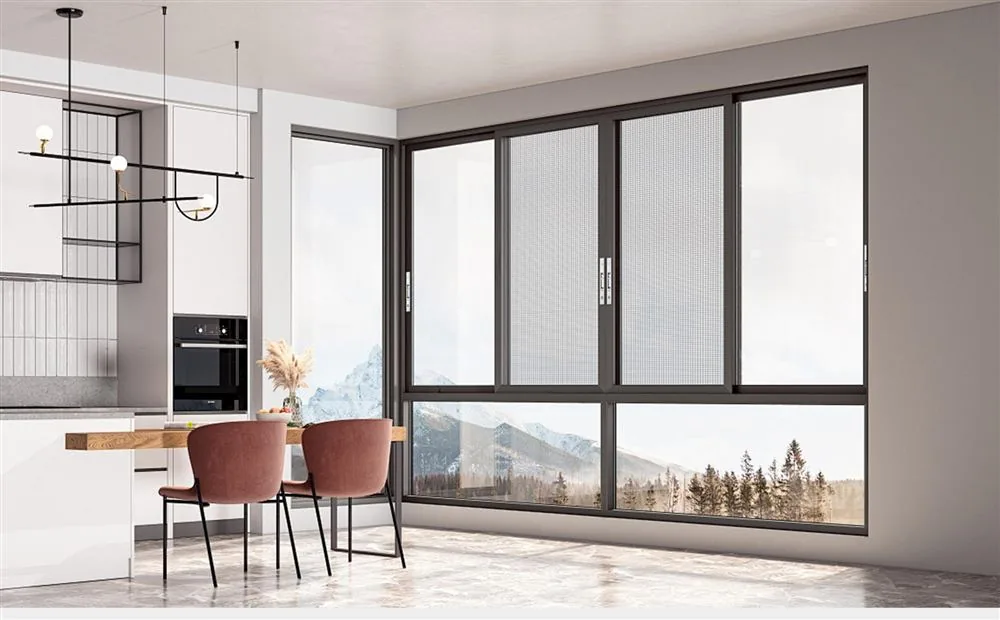
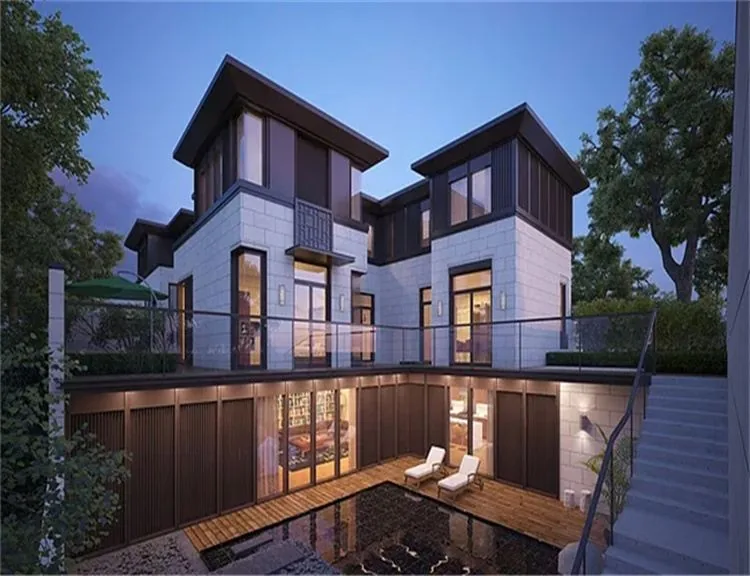
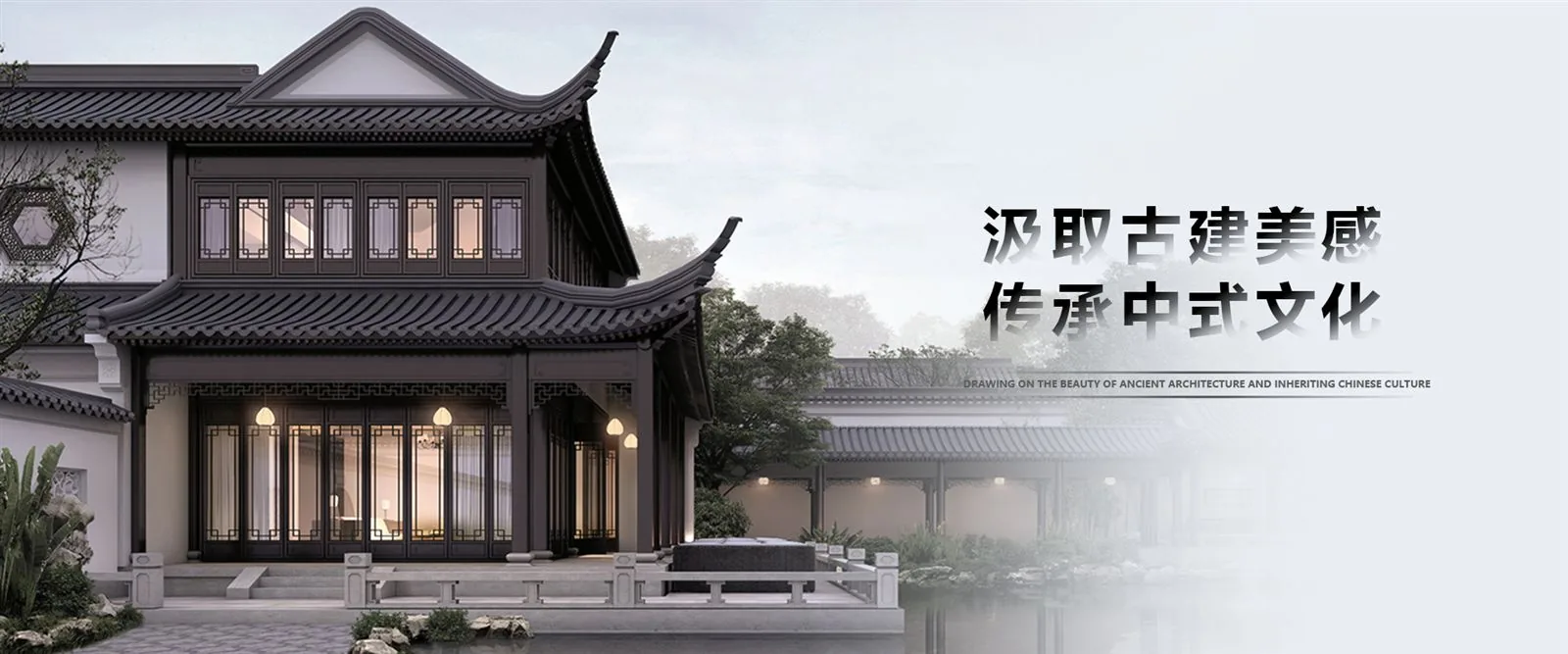
Modern villa fitted with Zenic Polyamide thermal break aluminum windows
Slim-frame aluminum window system with PA66 GF25 polyamide thermal strut
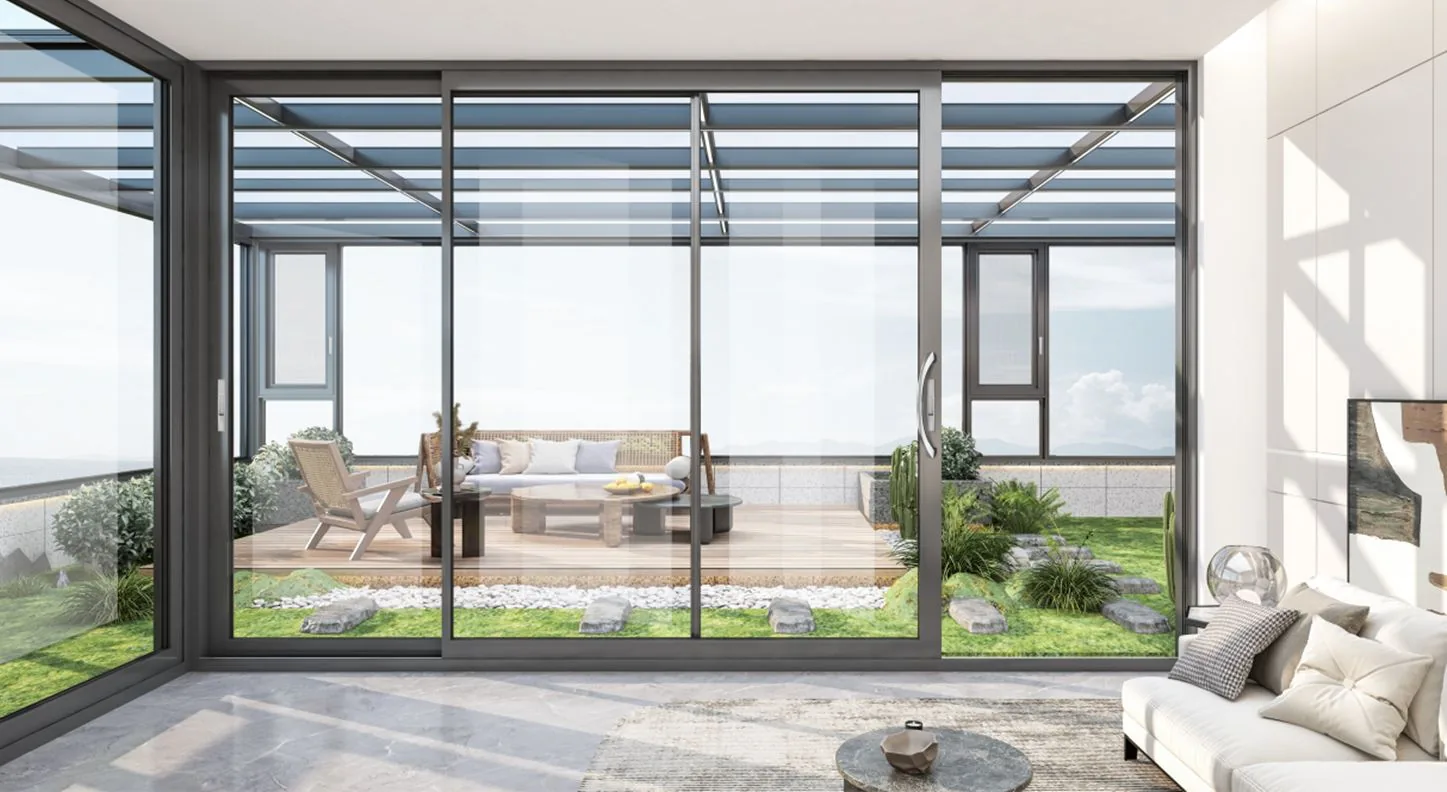
Commercial glazing featuring polyamide thermal break extrusions
High-Performance Fenestration Engineering · Foshan, China

Polyamide Thermal Break Profiles: The Complete Technical & Sourcing Guide for Global Architecture

An authority analysis on PA66 GF25 polyamide insulation struts, thermal bridging science, structural shear integrity, and global B2B procurement trends for modern aluminum window and door systems.

PA66 GF25 StandardReinforced Polyamide
1.1 W/m²KLowest Frame U-Value
20,000 m²Foshan Production Base
40+Countries Exported
Engineering & Science

Why Polyamide Thermal Break Profiles (PA66 GF25) Dominate Modern Fenestration

In modern architectural engineering, aluminum remains the premier material for fenestration due to its structural strength, lightweight profile, weatherability, and recyclability. However, raw aluminum exhibits an extremely high thermal conductivity ($\lambda \approx 160 \text{ to } 200 \text{ W/m·K}$). Without an effective thermal barrier, aluminum windows become severe thermal bridges, leading to high HVAC energy loss, condensation build-up, and structural stress. Polyamide thermal break profiles represent the ultimate engineering solution to this thermal gap.

1. The Physics of Material Matching: Coefficient of Thermal Expansion ($\alpha$)

The primary reason global fenestration engineers specify Polyamide 66 reinforced with 25% Glass Fiber (PA66 GF25) over other insulating materials lies in its physical compatibility with aluminum alloy 6063-T5. The coefficient of thermal expansion ($\alpha$) of standard architectural aluminum is approximately $2.3 \times 10^{-5} \text{ K}^{-1}$. Unreinforced polymers expand and contract dramatically under temperature swings, causing delamination or structural shear failure at the mechanical crimp joints.

By compounding Polyamide 66 with exactly 25% oriented glass fibers, the linear thermal expansion coefficient of the polyamide strut is precisely tuned to match aluminum ($\alpha \approx 2.3 \text{ to } 2.6 \times 10^{-5} \text{ K}^{-1}$). This alignment ensures that when a window frame undergoes extreme seasonal temperature variations (from $-30^\circ\text{C}$ in winter to $+80^\circ\text{C}$ on sun-exposed dark aluminum surfaces in summer), the interior metal profile, exterior metal profile, and central polyamide strip expand and contract symmetrically without creating interfacial shear strain.

Information Gain Insight: Unlike Pour-and-Debridge (P&D) polyurethane systems—which suffer from lower heat deflection temperatures and delamination risk during architectural powder coating—PA66 GF25 polyamide struts can withstand powder coating curing temperatures exceeding $200^\circ\text{C}$ to $220^\circ\text{C}$ without melting or losing mechanical strength. This allows aluminum extrusions to be dual-color anodized or powder-coated after mechanical assembly.

2. Mechanical Shear Strength and Transverse Tensile Performance

A window frame is not merely a static thermal divider; it is a structural component subjected to wind loads, dead loads of heavy double/triple-glazed insulated glass units (IGUs), and mechanical cycling from sash operations. Polyamide thermal break profiles must provide high transverse tensile strength ($T_Q \ge 80 \text{ N/mm}$) and longitudinal shear strength ($T_L \ge 70 \text{ N/mm}$) in compliance with global standards such as EN 14024 and GB/T 23615.1.

At Zenic Window & Door Technology Co., Ltd., every batch of polyamide thermal break extrusions undergoes rigorous knurling, strip insertion, and 3-stage mechanical rolling processes. Precision-knurled teeth bite into the aluminum profile cavity, forming a mechanical lock that prevents longitudinal slipping under wind loads up to 1,000 N.

0%
Glass Fiber Content

Optimized PA66 GF25 formula for structural integrity.

0°C
Heat Deflection Temp

Resists extreme powder coating bake oven temperatures.

0
Lowest System U-Value

Achieved with multi-chamber polyamide thermal breaks.

0
Hardware Test Cycles

Ensures decades of smooth operational durability.

Engineered Product Lineup

Top-Rated Polyamide Thermal Break Window & Door Systems

Recommended architectural systems designed by Zenic Window & Door Technology Co., Ltd. for extreme energy efficiency, structural wind resistance, and modern minimalist aesthetics.

Thermal break aluminum casement window detail with polyamide profile
Casement & Tilt-Turn

90 Ultra-Thermal System

Utilizes multi-chamber 34mm wide PA66 GF25 polyamide thermal break profiles paired with triple EPDM continuous sealing lines. Ideal for passive house and cold-climate projects.

Strut Width
24mm – 34mm
Uf Frame Value
1.1 – 1.3 W/m²K
Glazing Capacity
Up to 52mm IGU
Air Permeability
Class 4 (EN 12207)
Narrow sightline aluminum sliding window with polyamide thermal strut
Sliding System

75 Narrow-Sightline Sliding Series

Engineered with slim polyamide thermal break profiles to maximize daylight area while eliminating thermal bridging in warm coastal and tropical luxury developments.

Strut Width
14.8mm – 20mm
Drainage
Hidden Pressure-Equalized
Roller Load
Up to 300 kg/sash
Finish Option
RAL / Wood-Grain
Panoramic aluminum sliding door with heavy duty polyamide break
Panoramic Door

110 Lift & Slide Architectural Door

A heavy-duty system integrating wide hollow-chamber polyamide thermal struts, delivering high structural stiffness for floor-to-ceiling glass walls in villas and resorts.

Frame Depth
110 mm – 150 mm
Wind Pressure
3,000 Pa (E1050)
Locking
Multi-Point Gear
Water Tightness
Class 9A (EN 12208)
Information Gain & Design Evolution

Geometric Geometry Innovations: From Flat Strips to Multi-Chamber Cavities

How modern extrusion design optimizes internal convection currents and thermal radiation inside aluminum window profiles.

Standard I-Shape Profiles

Flat I-shaped polyamide struts (14.8mm to 24mm) provide a baseline thermal barrier for standard residential applications, reducing thermal transmittance by up to 45% compared to non-thermal aluminum.

C-Shape & T-Shape Flag Profiles

Engineered with extended lips to support EPDM center gaskets, creating separate air-tight chambers that block wind-driven convection inside the internal profile cavity.

Multi-Chamber Hollow Struts

Advanced hollow-chamber polyamide profiles divide the thermal bridge into multiple isolated micro-cavities. This suppresses internal air circulation and radiational heat transfer, lowering $U_f$ values below 1.2 W/m²K.

Low-Emissivity Coated Struts

Incorporating low-emissivity foil or co-extruded thermal insulation foam inside the polyamide break cavity blocks infrared thermal radiation, achieving peak energy retention.

High Transverse Tensile Locking

Precision dovetail geometries ensure absolute locking between the extruded aluminum notch and the polyamide foot, resisting extreme suction wind pressure on high-rise facades.

Zero-Condensation Margin

Maintains interior surface temperatures above the dew point even under $-20^\circ\text{C}$ outdoor winter conditions, completely protecting interior woodwork and plaster from moisture damage.

Engineering Reference

Technical Specification Matrix: PA66 GF25 vs. Alternative Insulation Systems

Use this comparative specification table to evaluate material choices during architectural tender writing and system selection.

Material Property Comparison for Architectural Thermal Barriers
Performance Property Polyamide PA66 GF25 (Zenic Standard) Pour-and-Debridge Polyurethane (P&D) PVC / Vinyl Inserts
Density ($g/cm^3$) 1.30 ± 0.05 1.15 ± 0.05 1.40 ± 0.08
Transverse Tensile Strength ($N/mm$) ≥ 80 N/mm ≥ 50 N/mm ≥ 35 N/mm
Thermal Expansion Coefficient ($\alpha$) 2.3 x 10⁻⁵ K⁻¹ (Matches Aluminum) 7.5 x 10⁻⁵ K⁻¹ (High Strain) 8.0 x 10⁻⁵ K⁻¹ (High Strain)
Heat Deflection Temperature (HDT @ 1.8 MPa) > 245 °C ~ 110 °C ~ 75 °C
Powder Coating Curing Post-Assembly Fully Compatible (No Deformation) Not Recommended (Melting Risk) Unsuitable
Fire Retardancy & Structural Safety Self-Extinguishing (UL94 V-0 options) Combustible Releases Toxic HCl Fumes
Long-Term Structural Durability 50+ Years Structural Rating 15-20 Years (Degradation Risk) 10-15 Years (Brittleness Risk)
Frequently Asked Questions

Global Procurement FAQ: Polyamide Thermal Break Profiles

Answers to the most critical technical, commercial, and quality assurance questions asked by international buyers, architects, and importers.

What is the exact chemical composition of PA66 GF25 and why is glass fiber reinforcement mandatory?

PA66 GF25 consists of 75% Polyamide 66 polymer resin reinforced with 25% short glass fibers by weight. Pure polyamide resin has excellent toughness but lacks sufficient modulus of elasticity and tensile strength for structural fenestration. Adding 25% glass fiber elevates tensile strength from approximately 80 MPa to over 110 MPa and increases the flexural modulus significantly, while precisely matching the coefficient of thermal expansion of aluminum alloy 6063-T5.

How do Polyamide thermal break profiles prevent condensation on window frames?

Condensation occurs when the temperature of the indoor interior aluminum profile surface drops below the dew point of room air. Polyamide thermal break profiles interrupt the continuous flow of heat from inside to outside. By keeping the interior aluminum frame close to room temperature, the profile surface stays well above the dew point, preventing water droplet formation, mold growth, and drywall damage.

What testing standards does Zenic Window & Door Technology Co., Ltd. perform for thermal break assemblies?

Every lot of assembled thermal break profile at Zenic Window & Door Technology Co., Ltd. is subjected to mechanical testing in accordance with EN 14024 and GB/T 23615.1. Key tests include Transverse Tensile Test (at room temperature $+23^\circ\text{C}$, high temperature $+80^\circ\text{C}$, and low temperature $-20^\circ\text{C}$), Longitudinal Shear Test, and Accelerated Heat Aging Tests to ensure zero degradation over decades of use.

Can Zenic Window & Door Technology Co., Ltd. customize die profiles for OEM/ODM projects?

Yes. Zenic Window & Door Technology Co., Ltd. provides comprehensive OEM/ODM engineering services. We can design custom extrusion dies for both aluminum profiles and polyamide insulation struts. Our CAD/CAM engineering office delivers full tooling drawing approval within 5 to 7 working days, followed by sample extrusion and physical testing prior to mass production.

What are the minimum order quantities (MOQ) and lead times for export orders?

Our minimum order quantity starts from 50 window/door units or 1 metric ton for specialized extruded profiles. Standard lead time for finished glazed thermal break window orders is 15 to 25 days after drawing sign-off and deposit confirmation. All goods are packed in sea-worthy fumigation-free plywood crates and shipped FOB Foshan or Shenzhen.

Which global certifications do Zenic thermal break systems hold?

Depending on the specific system configuration, our products have been tested or verified under NFRC and AAMA (North America), CE Marking (Europe), AS2047 / AS1288 (Australia), and ISO 9001 Quality Management System. Official test reports for thermal transmittance, air infiltration, and water penetration are provided for project submittals.

Why Choose ZENIC

Zenic Window & Door Technology Co., Ltd.: Manufacturing Excellence

Located in Foshan, Guangdong—the epicenter of global aluminum extrusion—our facility combines engineering authority with strict quality controls.

20,000 m² Production Base

State-of-the-art manufacturing facility equipped with automated CNC profile machining centers, precision strip insertion lines, and corner crimping stations.

Virgin 6063-T5 Extrusions

We strictly utilize prime 6063-T5 aluminum billet with wall thicknesses up to 2.0mm, ensuring maximum structural stability and flawless surface finishing.

100% Pre-Assembly Inspection

Every window frame, sash, hardware fitting, and sealant line undergoes rigorous quality control inspection before being packaged into export crates.

Exported to 40+ Countries

Over 15 years of international export experience servicing developers, architects, and wholesalers in North America, Europe, Australia, and the Middle East.

Full Hardware & Gasket Integration

Fitted with heavy-duty multi-point locks tested to 200,000 operating cycles and EPDM continuous gasket sealing systems for multi-decade reliability.

Direct Technical Support

Our dedicated fenestration engineering team provides shop drawing reviews, wind load calculation assistance, and U-value optimization for project specs.

Global Supply Chain

Exporting Polyamide Thermal Systems Worldwide

Fast shipping, direct factory pricing, and technical support across five continents from our Foshan manufacturing headquarters.

Export network map showing shipping routes from Foshan to global ports
Foshan HQGlobal Destinies
Zenic Window & Door Technology factory project installation
Start Your Inquiry

Engineered Polyamide Thermal Systems for Your Next Project

Send your window schedules or project CAD drawings. Our structural and thermal engineering team will provide detailed U-value estimates, profile recommendations, and factory-direct pricing within 24 hours.

Technical Inquiry Email · [email protected]