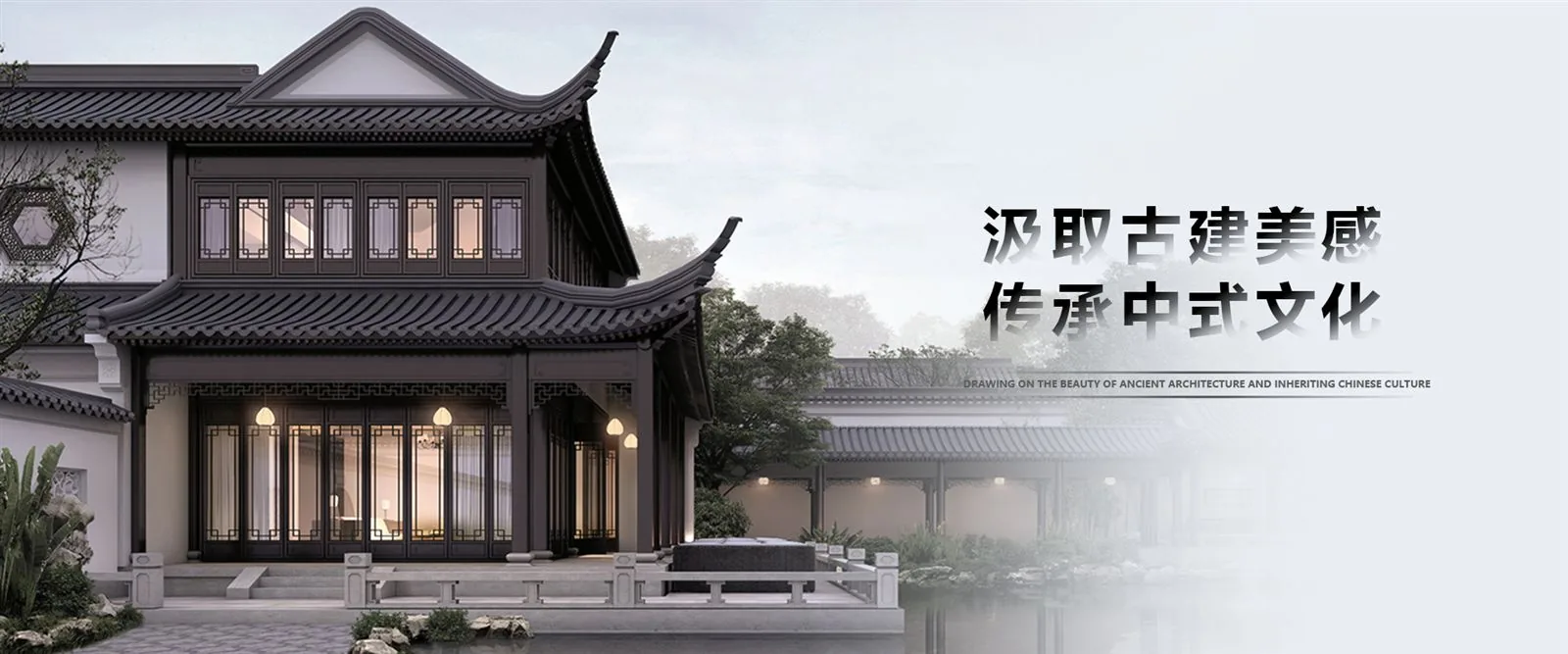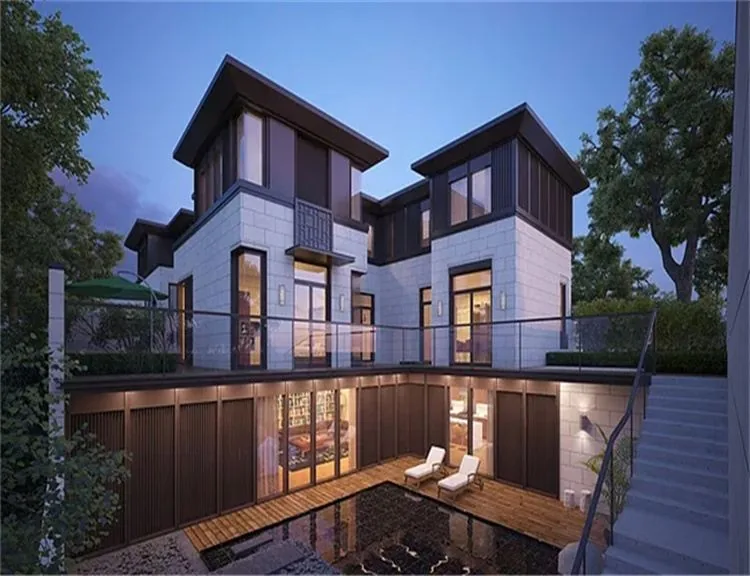
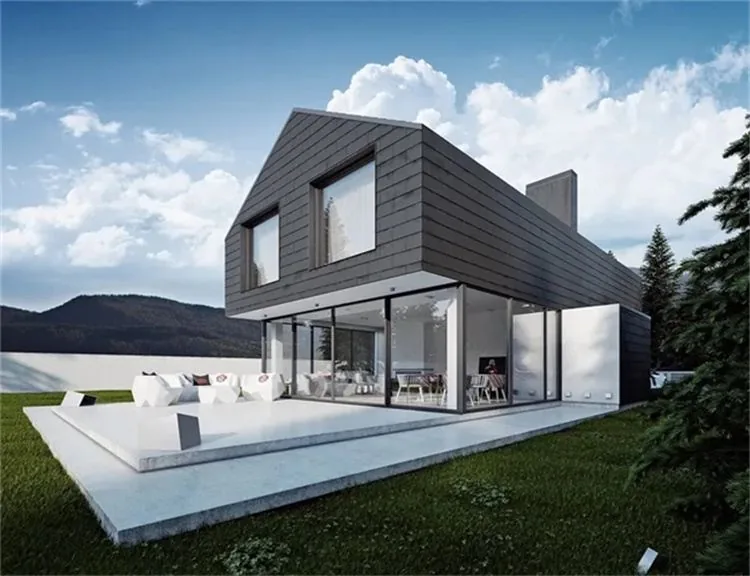
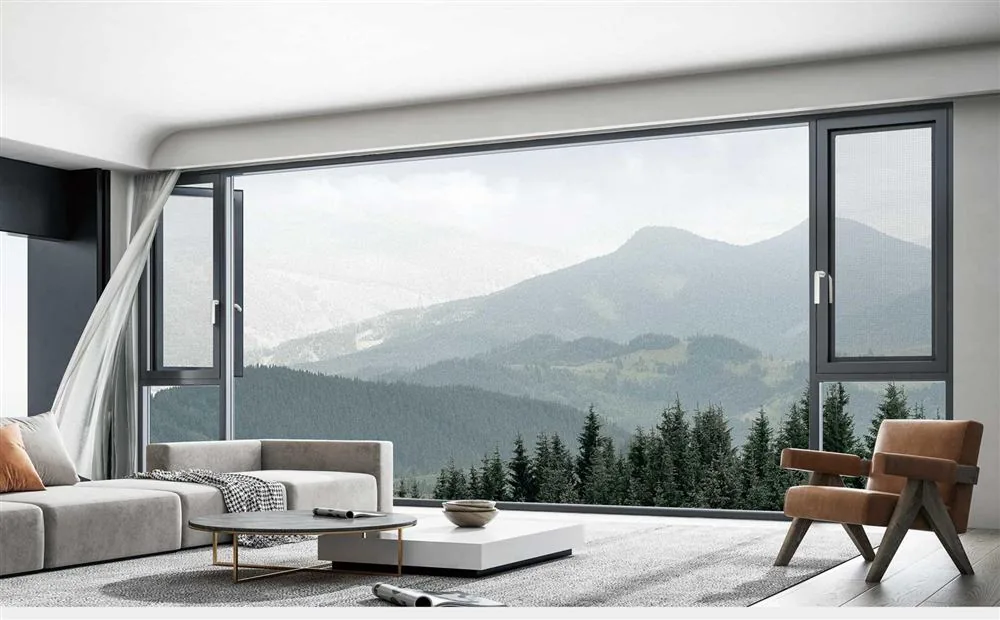
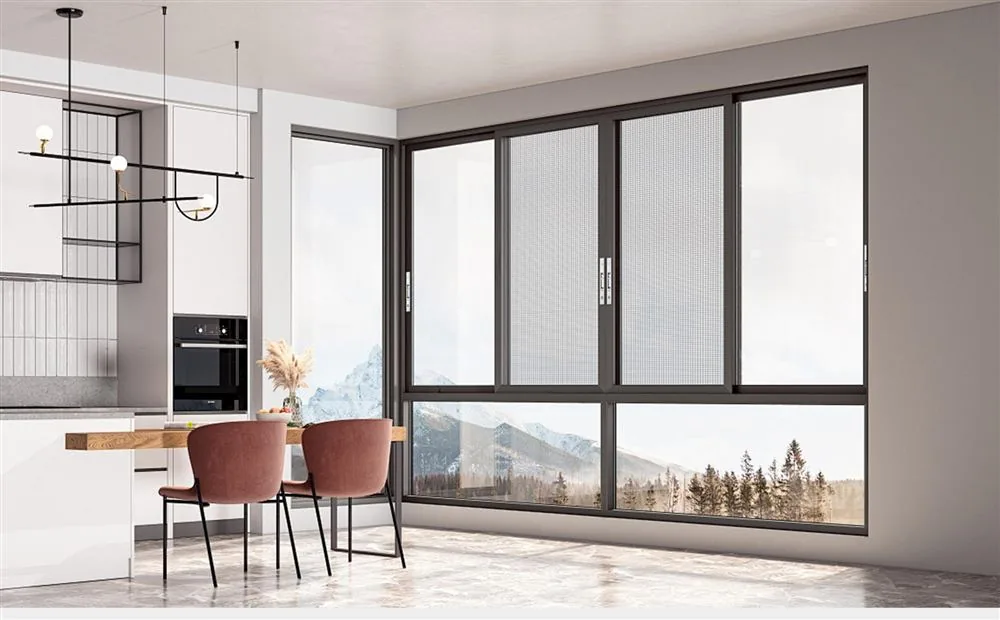
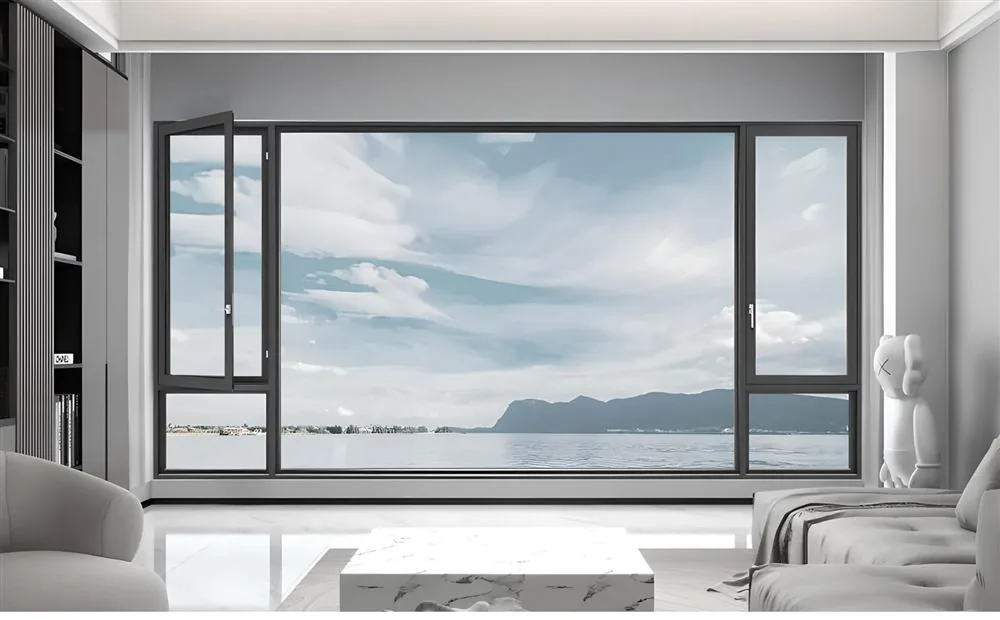
High performance aluminum casement windows on modern architectural villa
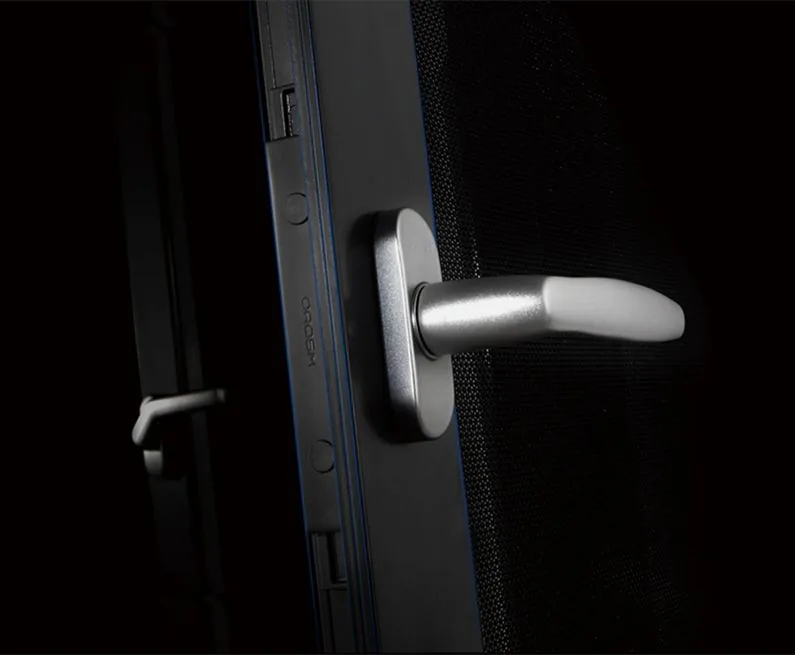
Slim-frame aluminum casement window profile detail
Commercial tower specified with high wind load thermal break aluminum casement windows
B2B Architectural Fenestration Sourcing Guide

Aluminum Casement Windows: Engineering, Thermal Break Specs & Global Sourcing Trends

An authority evaluation for developers, facade contractors, and trade importers navigating acoustic isolation, thermal performance, structural wind-load metrics, and direct-factory procurement from Foshan.

20,000 m²Foshan Factory Base
40+Countries Exported
1.1 W/m²KThermal U-Value Limit
15 DaysAgile Production Lead
Architectural Insight

The Evolution of High-Performance Aluminum Casement Windows

In modern architectural design, the demand for high-performance fenestration has elevated aluminum casement windows from standard exterior openings to critical envelope components. Commercial developers, facade engineers, and luxury residential builders increasingly turn to casement configurations due to their unmatched mechanical air-tightness, high structural strength under wind pressures, and superior thermal isolation when integrated with advanced polyamide thermal break technology.

Unlike sliding window systems that rely on brush seals along tracks, aluminum casement windows compress multi-layer EPDM continuous gaskets against the frame perimeter upon closure. This structural compression lock establishes a continuous air and water barrier capable of meeting extreme coastal hurricane zones and strict northern European energy efficiency standards. At Zenic Window & Door Technology Co., Ltd., based in Foshan, China, our engineering teams manufacture custom thermal break aluminum casement systems tailored precisely to foreign architectural codes, local weather loads, and modern aesthetic designs.

0+
Years of Engineering

Direct export manufacturing of high-tier aluminum system fenestration.

0+
Global Destinations

Projects delivered across North America, Europe, Oceania, and the Middle East.

0
m² Production Facility

CNC precision machining, corner pin-and-glue crimping, and automated assembly.

0+
Fenestration Experts

In-house facade engineers, structural drafters, and export project managers.

Engineering Deep Dive

Structural Architecture & Information Gain Analysis

Understanding the structural, acoustic, and thermal physics that make premium aluminum casement windows outshine traditional fenestration materials.

1. Material Composition & Structural Alloy Integrity

The foundation of structural reliability in aluminum casement windows lies in the alloy profile selection. Zenic Window & Door Technology Co., Ltd. exclusively utilizes virgin 6063-T5 structural aluminum extrusions featuring profile wall thicknesses ranging from 2.0 mm to 3.0 mm depending on load requirements. Recycled scrap aluminum causes micro-impurities and uneven thermal expansion rates; by contrast, primary billet extrusions maintain uniform wall density, superior tensile strength (exceeding 160 MPa), and an ideal foundation for high-micron anodizing or Kynar 500 PVDF fluorocarbon coatings.

Engineering Fact: Polyamide Thermal Break vs. PVC Cavities

Not all thermal breaks are equal. High-tier aluminum casement windows rely on PA66-GF25 (Polyamide 66 reinforced with 25% glass fiber). PA66 matches the linear thermal expansion coefficient of aluminum (2.3 x 10⁻⁵/K), preventing internal shear stress, structural frame warping, or air leakage over decades of solar exposure.

2. Acoustic Attenuation Physics in Urban & Coastal Envelopes

Acoustic performance in casement windows is governed by mass, seal compression, and air gap insulation. Traditional window units struggle to achieve sound transmission class (STC) ratings above 28 dB. By pairing double or triple insulated glass units (IGUs) incorporating laminated acoustic PVB interlayer films (such as 6mm + 1.52PVB + 6mm glass specs) with triple-layer EPDM perimeter seals, Zenic Window & Door Technology Co., Ltd. casement systems achieve acoustic reduction indices up to STC 45 dB. This makes them highly effective at blocking low-frequency urban traffic noise and high-frequency coastal wind turbulence.

Precision thermal break profile cross section for aluminum casement windows Heavy duty multi point locking mechanism on aluminum casement frame EPDM triple seal gasket installation on aluminum window sash
Product Recommendations

ZENIC Aluminum Casement Systems Portfolio

Engineered to excel under strict international building codes, from low-carbon European passive design standards to high wind-load hurricane specifications.

Get a Quote
Thermal break aluminum casement window detail
Ultra-Thermal Series

System 75 Outward Casement Window

Engineered for high-end residential villas and luxury apartments. Uses multi-chamber 6063-T5 profiles with 34mm wide polyamide thermal strips and pressure-equalized hidden drainage.

Frame Depth
75 mm
U-Value
Down to 1.1 W/m²K
Wall Thickness
2.0 mm
Air Tightness
Class 8 (EN 12207)
Tilt and turn aluminum casement window configuration
European Style

System 90 Inward Tilt & Turn Casement

Combines inward casement swing with top-tilt micro-ventilation. Designed with European standard notch channels, multi-point lock security gear, and heavy sash capacity.

Frame Depth
90 mm
Max Sash Load
130 kg
Acoustic Rating
Up to 45 dB
Glazing
Triple Low-E IGU
Heavy duty commercial architectural aluminum casement window
Commercial Façade

System 120 Integrated Screen Casement

Heavy-duty commercial building casement featuring a integrated high-strength stainless steel mesh screen (0.8mm 304 mesh) for child safety and anti-burglar protection.

Frame Depth
120 mm
Wind Pressure
Up to 5000 Pa
Mesh Option
304 Stainless
Locking
Multi-Point Lock
Completed modern project featuring Zenic thermal break aluminum casement windows
100%QC Inspection Before Packaging
Why Partner With Us

Zenic Window & Door Technology Co., Ltd. Enterprise Strengths

Operating out of Foshan, China—the world's premier aluminum fenestration hub—our 20,000 m² factory combines advanced German automation with deep B2B export engineering expertise.

  • ✓Prime Extrusions Only: Strict use of virgin 6063-T5 aluminum alloy with minimum 2.0mm structural wall profile thickness.
  • ✓Corner Pin & Glue Joinery: Cast aluminum corner cleats injected with two-component structural adhesive ensure zero frame joint leakage over decades.
  • ✓Rigorous Export QC: 100% of finished window sashes undergo water tightness, air infiltration, and hardware operation testing prior to export crating.
  • ✓Heavy-Duty Packaging: EPE foam corner wrap, shrink film encapsulation, and heavy fumigation-free plywood crates guarantee zero transport damage.
Corner joint craftsmanship of Zenic aluminum casement window profile Precision CNC machining center at Zenic aluminum window factory Sliding and casement door assembly line in Foshan plant Completed luxury villa project with customized aluminum fenestration Coastal residential building fitted with high performance casement windows Seaside villa with large aluminum glazed casement windows and doors
Technical Matrix

Comprehensive Specification & Performance Benchmarks

Engineered parameter comparisons for architects, facade contractors, and structural consultants evaluating aluminum casement window systems.

Comprehensive Performance Specifications for ZENIC Aluminum Casement Window Systems
Technical Parameter Standard Specification High-Performance / Thermal Break Option Primary Engineering Benefit
Aluminum Alloy Billet 6063-T5 Prime Alloy 6063-T6 / High Structural Temper Prevents structural fatigue and profile distortion under wind load.
Profile Wall Thickness 1.4 mm – 2.0 mm 2.0 mm – 3.0 mm Reinforced Enables large sash dimensions up to 2.8 meters high without mullion deflection.
Thermal Insulation Unbroken Aluminum (Uf ~ 5.8) PA66-GF25 Thermal Break (Uw ≤ 1.1 W/m²K) Cuts thermal transfer by up to 70%, preventing interior condensation.
EPDM Sealing System Double Gasket Seal Triple Continuous EPDM + Center Sponge Seal Ensures air-tightness (Class 8) and water-tightness (Class 9A under EN standards).
Hardware System Standard Friction Stays & Latch German Siegenia / Coto / Hoppe Multi-Point Tested to 200,000 operation cycles; anti-burglary RC2 / RC3 compliance.
Glazing Configuration 5mm + 12Ar + 5mm Tempered IGU Triple Glazed / Warm Edge Spacer / Low-E Argon Combines solar heat control (low SHGC) with elevated sound reduction (STC 45dB).
Surface Coating Qualicoat Powder Coating (60µm) AkzoNobel Interpon / Fluorocarbon PVDF (3-Coat) Resists UV degradation, chalking, and salt-spray corrosion for over 25 years.
Global Compliance

Verified Export Testing & Certifications

Every aluminum casement window system produced by Zenic Window & Door Technology Co., Ltd. meets or exceeds destination market codes.

NFRCNorth America
CE MarkingEurope
CSA StandardCanada
AS2047Australia
AAMA CertifiedUSA
ISO 9001Quality System
Intertek VerifiedAcoustic/Air
ENERGY STARAccredited

System-level engineering reports, structural calculation sheets, and laboratory NFRC / AS2047 test certificates are provided for project submittals on request.

Case Studies

Global Project References

Get a Quote
Coastal Villa project featuring custom thermal break aluminum casement windows in Australia
Residential Luxury · 2024

Seaside Residence Fenestration

AustraliaAS2047 Certified Casements
Read Case Study →
Commercial Business Tower in UAE glazed with high wind load aluminum casement windows
Commercial Office · 2024

Business Tower Glazing Project

United Arab EmiratesHigh-DP Casement Windows
Coastal Villa in USA specified with tilt and turn aluminum casement windows
Coastal Villa · 2023

Oceanfront Architectural Villa

USANFRC Thermal Casements
Supply Logistics

Export Shipping to 40+ Countries

Factory-direct container shipping from Foshan / Shenzhen ports to major global commercial hubs with comprehensive export paperwork.

Global logistics supply map for Zenic Window & Door Technology Co., Ltd.
Foshan Factory BaseOversea Project Sites

North America

Supplying NFRC & AAMA compliant casement windows for residential developments in USA and Canada.

Europe

CE Marked low U-value thermal break casement units engineered for Passive House goals.

Middle East

High wind-load, sand-sealed fluorocarbon coated casement systems tailored for Gulf environments.

Oceania

AS2047 accredited windows designed to withstand harsh coastal salt exposure in Australia and New Zealand.

B2B Procurement FAQ

Frequently Asked Questions by International Buyers

Essential technical and commercial answers for developers, facade contractors, and trade importers sourcing aluminum casement windows from China.

1. How do aluminum casement windows compare to sliding windows in thermal and water tightness?

Aluminum casement windows provide superior thermal and water performance compared to sliding windows. Casements press a continuous EPDM rubber gasket firmly against the perimeter frame upon closing, creating a compression seal against wind driven rain and air infiltration. Sliding windows rely on brush seals sliding over tracks, which naturally allow micro-drafts and higher air infiltration over time. For high-rise commercial structures and cold climates, thermal break casement windows are the preferred choice.

2. What U-value can Zenic thermal break aluminum casement windows achieve?

Depending on frame depth (65mm to 120mm), polyamide thermal break width (24mm to 34mm PA66-GF25), and insulated glass configuration (double or triple glazed with Low-E coatings and argon gas fill), Zenic Window & Door Technology Co., Ltd. casement windows achieve overall window U-values down to 1.1 W/m²K (0.19 BTU/h·ft²·°F), meeting strict European energy standards and NFRC compliance.

3. What is the minimum order quantity (MOQ) and lead time for export orders?

Our minimum order quantity starts from 50 units per project order, and mixed window and door system types can be combined to reach this threshold. Standard production lead times start from 15 days following shop drawing approval and deposit receipt. Orders with custom RAL color matching or specialized architectural die extrusions require approximately 20 to 25 days.

4. How does Zenic Window & Door Technology Co., Ltd. protect windows from ocean damage during transit?

Every fenestration unit undergoes a strict sea-worthy packaging procedure: initial wrapping with protective film over profile surfaces, heavy EPE foam corner buffers, fully enclosed shrink wrapping, and final loading inside solid, fumigation-free plywood crates. Crates are secured within shipping containers using heavy-duty steel strapping to prevent movement across ocean voyages.

5. Can Zenic provide custom profile dies, OEM branding, and specific hardware brands?

Yes. As a direct manufacturer, Zenic Window & Door Technology Co., Ltd. offers full OEM/ODM manufacturing. We produce custom profile extrusion dies according to architectural drawings, offer custom RAL powder coating and wood-grain finishes, apply custom logo protective films, and integrate specified international hardware brands such as Siegenia, Roto, Hoppe, or CMECH.

Zenic aluminum window factory production background
Start Your Sourcing Request

Submit Window Specifications or CAD Drawings for Engineering Review

Our facade technical team will evaluate your opening schedules, calculate wind-load requirements, and deliver a detailed commercial quote within 24 hours.

Direct Engineering Email · [email protected]