0%

Choosing among the Top 10 Aluminium Doors and Windows Manufacturers requires more than comparing glossy catalogues. Frame strength, thermal performance, glass compatibility, finishing quality, and after-sales support can vary sharply between suppliers. A showroom sample may look impressive, yet installation details often decide whether a window remains airtight after years of rain and daily use.

Industry data gives this topic practical importance. The 2023 Global Status Report for Buildings and Construction, published by UNEP and the Global Alliance for Buildings and Construction, reports that buildings remain responsible for about 37% of global energy-related carbon emissions. Well-designed Aluminium Doors And Windows can support daylighting, ventilation, durability, and improved envelope performance. Their value depends on the complete system, not aluminium alone. The International Aluminium Institute also highlights aluminium’s durability, recyclability, and role in lower-impact building design.

This guide reviews leading manufacturers through a professional lens. It considers product engineering, regional standards, independent testing, project experience, design flexibility, recycling practices, and warranty transparency. Reports from Grand View Research and Mordor Intelligence indicate continued growth in aluminium building products, although their market boundaries and forecasts differ. That difference deserves attention.

No shortlist is flawless. A global brand may offer stronger testing but weaker local service. A smaller manufacturer may provide better customization. Real project evidence matters more than advertising claims. Readers should verify certificates, U-values, air and water resistance, hardware quality, and installer qualifications before making a final decision. Performance can disappoint. Careful comparison remains essential.
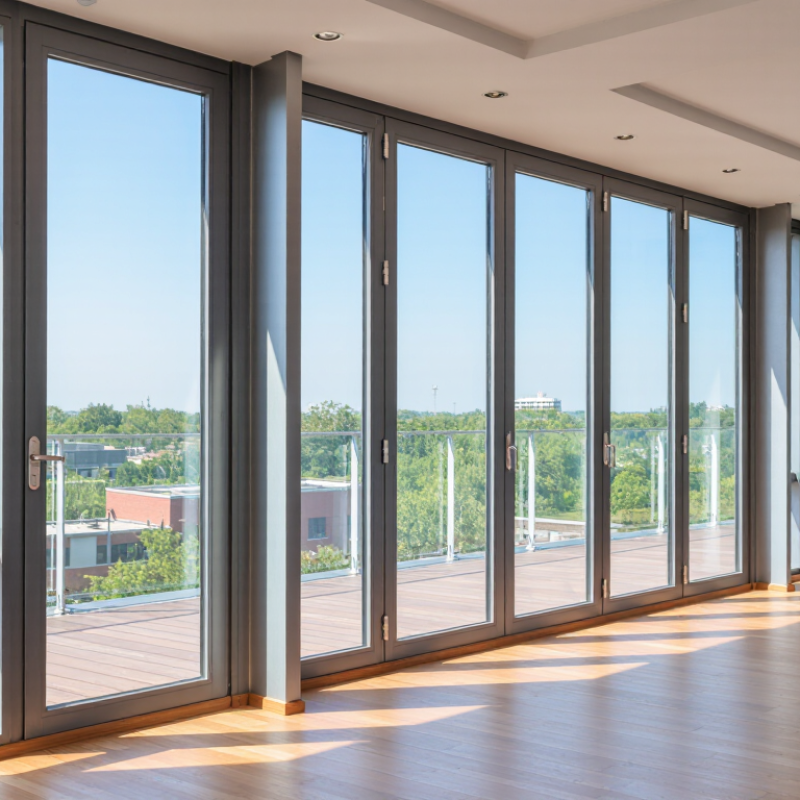
Top 10 Aluminium Doors and Windows Manufacturers?

Scope and Criteria for Ranking Aluminium Door and Window Manufacturers

Ranking the top 10 aluminium door and window manufacturers requires more than comparing product images or advertised prices. The assessment should cover product durability, engineering quality, installation support, and customer experience. We examine aluminium grades, frame thickness, thermal breaks, drainage design, glass compatibility, and hardware performance. These details often determine whether a window remains stable after years of rain, heat, and daily use.

Evidence matters. We review independent test reports, published specifications, warranty terms, factory quality controls, and verified project records. We also consider air leakage, water resistance, wind-load performance, sound reduction, and corrosion protection. Products should meet relevant regional standards and provide clear maintenance guidance. Installation training matters too. A well-designed frame can still fail when fitted poorly.

No ranking is flawless. A low score may reflect missing evidence, not weak manufacturing. Some manufacturers publish excellent data but offer limited regional service. Others have strong installers but inconsistent documentation. We weigh these weaknesses openly. Practical testing, long-term feedback, and transparent policies receive greater importance than impressive marketing language. The final list therefore measures dependable performance, not popularity alone. Seasonal conditions also matter, so results may change between coastal, urban, and cold-climate projects.

Leading Global Aluminium Door and Window Manufacturers

Top 10 Aluminium Doors and Windows Manufacturers?

Leading Global Aluminium Door and Window Manufacturers

The leading global aluminium door and window manufacturers compete through engineering, testing, and dependable project support. Their products often include thermal-break frames, multi-point locks, laminated glass, and corrosion-resistant powder coatings. These details matter in coastal homes, high-rise buildings, and busy commercial entrances.

A reliable manufacturer should provide tested air tightness, water resistance, wind-load performance, and thermal insulation data. Experienced suppliers also understand regional building codes, climate conditions, and installation practices. A frame designed for a cold northern city may perform poorly in a humid tropical project.

Factory quality control should cover alloy strength, corner joints, coating thickness, and hardware alignment. Small errors can cause drafts or difficult operation.

The top ten candidates are not always the largest companies. Some smaller producers offer better customization, faster technical responses, or stronger local service.

This is where comparisons become difficult. Product brochures can look impressive, but real performance depends on installation and maintenance.

I would request sample sections, test reports, warranty terms, and references from completed buildings. No manufacturer is perfect. Even premium systems may face delays, color variation, or replacement-part problems.

Careful buyers should examine these weaknesses before selecting a global aluminium door and window partner.

Product Ranges, Technologies, and Manufacturing Capabilities

The top ten aluminium door and window manufacturers should be judged by product range, not marketing language. Strong suppliers offer sliding doors, hinged systems, folding walls, curtain walls, skylights, and thermally broken windows. Their catalogues should cover residential, commercial, and high-rise applications. Narrow frames matter, but drainage channels and gasket quality matter more.

Manufacturing capability reveals practical expertise. Reliable factories use controlled aluminium extrusion, CNC machining, robotic welding, and accurate corner assembly. Powder coating should show consistent colour and adhesion across large batches. Anodising offers a different surface character and stronger visual depth. Insulated glass options may include double glazing, triple glazing, laminated glass, and low-emissivity coatings.

Testing must support every specification. Look for air leakage, water resistance, wind pressure, thermal performance, and cycle testing. The best manufacturers provide drawings, sample corners, installation guides, and traceable quality records. Small details expose weak production. Misaligned rollers, uneven seals, and poor screw placement can create expensive site problems.

No factory gets every detail right. That matters. Some suppliers have excellent extrusion control but limited custom finishing. Others offer impressive design flexibility but slower replacement support. A careful buyer should inspect finished samples, review production tolerances, and question delivery assumptions. Manufacturing capacity is not only about machinery; it also includes trained staff, stable suppliers, testing discipline, and responsive technical service.

Top 10 Aluminium Doors and Windows Manufacturers

Product Ranges, Technologies, and Manufacturing Capabilities

This non-brand-specific benchmark compares commonly published capability areas in the international aluminium door and window industry. The index is normalized from 0 to 100 and reflects the breadth of product ranges, system technologies, performance options, and manufacturing capabilities rather than individual company results.

Market Coverage, Certifications, and Customer Applications

Top 10 Aluminium Doors and Windows Manufacturers?

A reliable top-ten list should examine market coverage, certifications, and customer applications, not advertising alone. Strong manufacturers usually serve residential, commercial, hospitality, and public-building projects. Their products may appear in coastal homes, office towers, schools, and energy-conscious renovations. Regional coverage matters because climate, building codes, and installation habits differ widely. A supplier experienced in humid coastal areas may not fit a cold northern project.

Certifications provide useful evidence, but they need careful checking. ISO 9001 can indicate controlled quality procedures, while ISO 14001 reflects environmental management practices. Depending on the target market, products may also require CE marking, NFRC ratings, or local performance approvals. Test reports should identify the exact product series, glass type, hardware, and testing conditions. A certificate without traceable documents proves little. Factory audits, sample inspections, and project references add stronger credibility.

Customer applications reveal practical experience. Review thermal insulation, air leakage, water resistance, wind pressure, acoustic performance, and security features. Ask whether the manufacturer supports custom sizes, replacement parts, installation guidance, and after-sales service. A narrow product range may simplify quality control, yet it can limit complex projects. Some rankings remain imperfect because public data is inconsistent. Real performance can also change after installation. Speak with recent customers, inspect finished projects, and compare evidence before selecting a supplier.

How to Select the Right Aluminium Doors and Windows Manufacturer

Choosing among the top 10 aluminium doors and windows manufacturers requires more than comparing prices. In my experience, the right supplier explains alloy grades, thermal breaks, glass options, and finish durability clearly. Ask about factory experience, production capacity, and quality-control procedures. Review completed projects where possible. Inspect corner joints, drainage holes, seals, and hardware alignment. Small details matter. A polished website proves little.

Tips: Create a simple comparison scorecard. Check certifications, test reports, warranty terms, and delivery records. Request physical samples before approving a large order. Test how smoothly the manufacturer answers technical questions. Vague replies can signal future problems. I have seen attractive samples fail because the drainage design was overlooked. That mistake is expensive to correct.

Professional selection also includes communication and installation support. Confirm whether the manufacturer provides detailed drawings, packing guidance, and replacement-parts service. Ask who handles measurements and site changes. Read the warranty carefully, especially its exclusions and response time. A technically capable manufacturer may still struggle with coordination. That mismatch causes delays. No option is perfect. A cheaper quotation may hide thinner profiles, weaker hardware, or limited support. Keep every specification in writing, and question anything that remains unclear.

FAQS

What product types should an aluminium door and window manufacturer offer?

Look for sliding doors, hinged windows, folding walls, curtain walls, skylights, and thermally broken systems. Residential, commercial, and high-rise options show broader capability. Small catalogues need careful questioning.

Why are drainage channels and gasket quality important?

Narrow frames look attractive, but drainage and gaskets help prevent water entry and air leakage. Inspect drainage holes, seal contact, and corner joints on physical samples. Small details matter.

Which manufacturing processes indicate practical expertise?

Controlled extrusion, CNC machining, robotic welding, and accurate corner assembly suggest stronger production control. Ask how tolerances are checked during assembly. Machines alone prove little.

What glass and surface options should buyers compare?

Common choices include double glazing, triple glazing, laminated glass, and low-emissivity coatings. Powder coating should show consistent colour and adhesion across large batches. Anodising creates a different visual depth.

Which performance tests should a supplier provide?

Request evidence for air leakage, water resistance, wind pressure, thermal performance, and operating cycles. Test reports should match the proposed system and specifications. Vague documents deserve caution.

What should be inspected in finished samples?

Check roller movement, gasket alignment, screw placement, corner joints, and drainage openings. A door may look polished while hiding weak drainage design. Open and close it repeatedly.

How can buyers compare several manufacturers fairly?

Use a scorecard covering certifications, test reports, warranty terms, delivery history, capacity, and technical support. Request physical samples before approving a large order. A polished website proves little.

What communication and installation support should be confirmed?

Confirm drawings, packing instructions, measurement responsibility, site-change procedures, and replacement-parts service. Read warranty exclusions and response times carefully. Ask again when replies stay vague.

Can a cheaper quotation create future problems?

Yes. Lower pricing may hide thinner profiles, weaker hardware, limited finishing, or slower support. Compare written specifications, not only totals. No option is perfect.

Conclusion

This article presents a practical overview of the top 10 Aluminium Doors And Windows manufacturers, using clear criteria such as product quality, design innovation, manufacturing capacity, technical expertise, sustainability, and customer service. It examines how leading manufacturers serve different regions and industries, while comparing their product ranges, production technologies, customization options, and ability to meet residential, commercial, and architectural requirements.

The discussion also considers market coverage, quality certifications, testing standards, energy efficiency, security features, and project experience. Rather than focusing only on company size, the article explains how buyers can evaluate reliability, material performance, delivery capability, installation support, warranty terms, and long-term value. By understanding these factors, architects, contractors, developers, and homeowners can select an Aluminium Doors And Windows manufacturer that best matches their project goals, technical requirements, budget, and expected service life.

Amelia

Amelia

Amelia is a professional marketing specialist with a strong understanding of product strategy, customer needs, and digital communication. As a key contributor to the company’s content team, she regularly updates the corporate website with practical, well-researched blog articles that help readers......