Blog
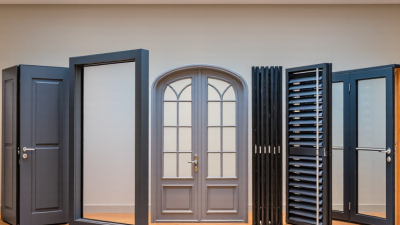
Top 10 Types of Aluminum Doors for Buyers?
Choosing an Aluminum Door is rarely just a matter of appearance. Buyers must consider climate, security, traffic, maintenance, and installation quality. A slim black frame may look elegant in a showroom, yet perform poorly beside salty coastal air. A heavy entrance system may feel secure, but become unnecessary for a quiet interior hallway.
Industry specialist Joe Altieri explains, “The right door balances design, performance, and the way people actually use the space.” That principle guides this overview of the top 10 types of aluminum doors for buyers. The selection includes sliding, hinged, folding, pivot, French, bi-fold, louvered, thermal-break, fire-rated, and automatic systems. Each type solves a different problem.
Some choices are obvious. Others are not.
For example, sliding doors can open a room toward a garden, while folding doors create a wider passage for entertaining. Thermal-break models help reduce heat transfer, but they may cost more upfront. Automatic aluminum doors improve accessibility in busy buildings, though their sensors and operators require careful servicing. These practical differences matter more than a polished product photograph.
This guide focuses on visible details and hidden performance. We examine frame strength, glass compatibility, weather seals, hardware, energy behavior, and installation risks. No ranking is universal. A door that works well in a dry apartment may disappoint in a humid commercial entrance. That uncertainty deserves attention. Buyers should compare specifications, ask for tested performance data, and inspect samples before committing. Even experienced purchasers can overlook small gaps, weak rollers, or unsuitable finishes. A thoughtful Aluminum Door decision is not perfect, but it is informed, measurable, and suited to real daily use.
Read more »
 By:Elowen
- September 28, 2026
By:Elowen
- September 28, 2026
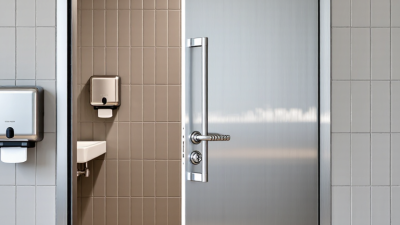
How to Choose the Best Aluminium Washroom Door?
Choosing the right Aluminium Washroom Door involves more than comparing finishes or catalogue prices. The door must survive constant opening, damp air, cleaning chemicals, and occasional careless use. It should also feel comfortable in the hand, close quietly, and protect privacy without creating a cramped entrance.
David M. Kincaid, a commercial washroom design consultant, says, “A successful washroom door is judged by its daily performance, not its showroom appearance.” This practical view matters. A slim aluminium frame may look modern, yet weak hinges can cause sagging within months. A beautiful anodised finish may also lose its appeal when unsuitable cleaners leave cloudy marks. Check the panel thickness, hinge capacity, lock quality, edge protection, and available replacement parts. Small details matter.
The best Aluminium Washroom Door depends on the building’s actual conditions. A busy airport needs stronger hardware than a quiet private office. A coastal site may require better corrosion resistance. Accessible layouts need suitable clear openings, easy-to-operate handles, and careful swing-space planning. Always confirm relevant local building and accessibility requirements with a qualified professional.
There is no perfect choice. Budget, durability, appearance, maintenance, and installation speed can conflict. That tension deserves honest attention. Ask how the door will perform after five years, not merely how it looks today. Request finish samples, inspect hardware in person, and seek documented product specifications. A reliable supplier should explain limitations clearly, rather than promise that one door suits every washroom.
Read more »
 By:Amelia
- September 28, 2026
By:Amelia
- September 28, 2026
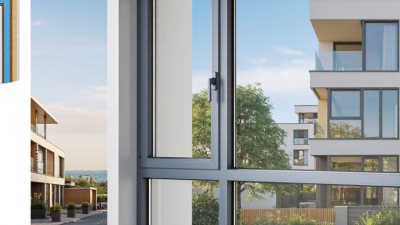
Why Choose Aluminum Windows for Your Project?
Choosing an Aluminum Window for a project means balancing appearance, performance, budget, and installation quality. Slim frames can preserve clear views and admit daylight. Aluminum also offers strength for larger openings and varied architectural designs. But the frame alone does not determine how a window performs.
“Windows are holes in the wall,” says building-science expert Joseph Lstiburek. The reminder is useful: even a well-designed frame depends on careful detailing. Thermal breaks can reduce heat transfer through aluminum, while suitable glazing helps manage solar gain and indoor comfort. Neither feature excuses poor installation.
Look beyond the product photograph. Check the window’s tested thermal and air-leakage ratings, glazing options, finish, hardware, and drainage details. Then consider the project’s climate, exposure, and maintenance needs. A coastal site, for example, may call for different finish specifications than a sheltered urban renovation. Ask how the frame connects to the wall, and who is responsible for sealing that junction.
Details matter. So does the installer.
Aluminum can be a durable, low-maintenance choice, but it is not automatically the best choice for every opening or budget. Performance claims should be matched to documented specifications and the actual project conditions. A quieter-looking frame may even feel less impressive once installation costs and glass upgrades are included. That deserves a second look.
This guide explores where Aluminum Window systems excel, what to compare, and which trade-offs deserve honest attention before you select a product.
Read more »
By:Elowen
- September 28, 2026