Why Choose Aluminum Windows for Your Project?
Table of Contents
- What Aluminum Windows Are and How They Are Constructed
- How Aluminum Frames Perform in Different Environments
- Key Advantages of Aluminum Windows for Building Projects
- Design Options and Configurations for Aluminum Windows
- Factors to Consider When Choosing Aluminum Windows
- FAQS
- Conclusion
- Related Posts
Choosing an Aluminum Window for a project means balancing appearance, performance, budget, and installation quality. Slim frames can preserve clear views and admit daylight. Aluminum also offers strength for larger openings and varied architectural designs. But the frame alone does not determine how a window performs.
“Windows are holes in the wall,” says building-science expert Joseph Lstiburek. The reminder is useful: even a well-designed frame depends on careful detailing. Thermal breaks can reduce heat transfer through aluminum, while suitable glazing helps manage solar gain and indoor comfort. Neither feature excuses poor installation.
Look beyond the product photograph. Check the window’s tested thermal and air-leakage ratings, glazing options, finish, hardware, and drainage details. Then consider the project’s climate, exposure, and maintenance needs. A coastal site, for example, may call for different finish specifications than a sheltered urban renovation. Ask how the frame connects to the wall, and who is responsible for sealing that junction.
Details matter. So does the installer.
Aluminum can be a durable, low-maintenance choice, but it is not automatically the best choice for every opening or budget. Performance claims should be matched to documented specifications and the actual project conditions. A quieter-looking frame may even feel less impressive once installation costs and glass upgrades are included. That deserves a second look.
This guide explores where Aluminum Window systems excel, what to compare, and which trade-offs deserve honest attention before you select a product.
What Aluminum Windows Are and How They Are Constructed
Why Choose Aluminum Windows for Your Project?
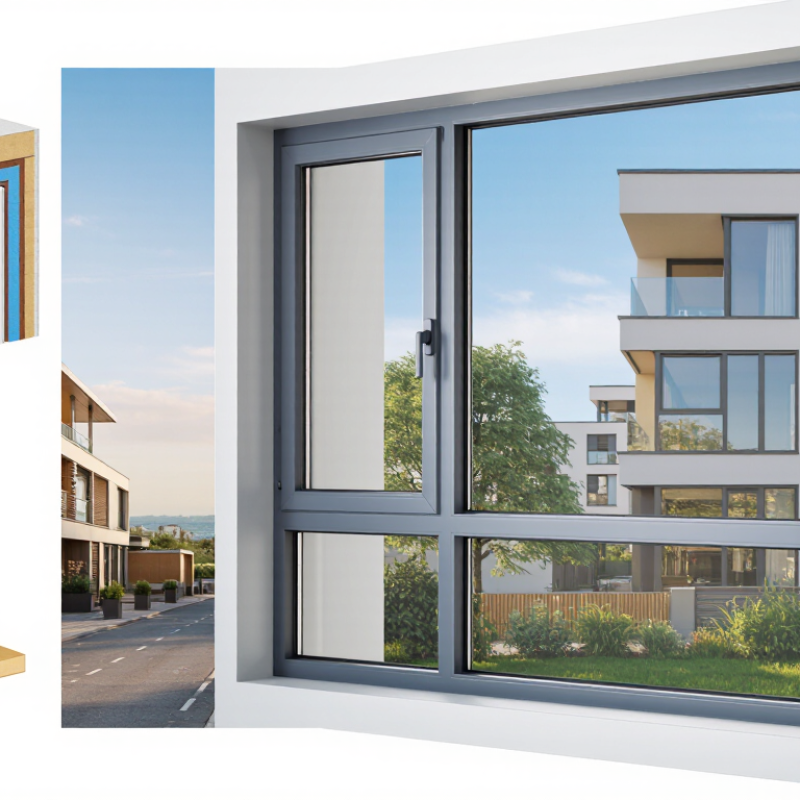
Aluminum windows are framed openings made from shaped aluminum sections, usually called profiles. Manufacturers form these profiles through extrusion, forcing heated metal through a precision die. The result is a consistent hollow section with channels for glass, seals, drainage, and hardware. Most modern frames use a thermal break. This insulating barrier separates the inner and outer aluminum surfaces, reducing heat transfer. Glazing is then secured with beads, gaskets, or pressure plates, depending on the window design. Protective finishes, such as powder coating or anodizing, help resist weathering and simplify maintenance.
In practical installation work, accuracy matters as much as the frame itself. A strong window can perform poorly when the opening is out of square. The installer must check plumb, level, frame alignment, and drainage paths before final sealing. I have seen minor fitting errors create noticeable drafts and water marks. Aluminum is durable, but it is not flawless. Poor detailing can weaken its performance, especially around corners and joints. Glass thickness, frame depth, and local climate should guide the specification.
Tips: Ask for profile drawings and thermal-break details before ordering. Confirm that seals sit evenly and drainage holes remain clear. Test sample hardware by hand. It should move smoothly, without scraping or excessive force. Consider professional installation; precise fitting protects the window’s intended performance.
How Aluminum Frames Perform in Different Environments
Why Choose Aluminum Windows for Your Project?
How Aluminum Frames Perform in Different Environments
Aluminum windows suit projects facing heat, rain, wind, and heavy daily use. In hot climates, strong sunlight can raise frame temperatures quickly. A thermal break reduces heat transfer between the exterior and interior surfaces. Without one, rooms may feel warmer near the glass. This detail matters.
Coastal buildings need extra attention. Salt-laden air can gradually damage poorly protected surfaces. Durable finishes and regular freshwater rinsing help reduce corrosion risks. In wet regions, sloped sills and clear drainage paths are essential. I have seen blocked weep holes allow water to collect inside the frame. Small blockages create expensive problems. In freezing areas, correct drainage prevents trapped water from expanding and damaging joints. Installers should also allow for seasonal movement during fitting.
Urban projects benefit from aluminum’s narrow profiles and large glass areas. More daylight can reach deep into a room. However, large panes may increase solar gain and indoor noise. Glass selection, seals, and frame design must work together. Frame strength alone is not enough. A qualified installer should check local wind loads, insulation targets, and exposure conditions. I once underestimated the effect of afternoon sun on a west-facing room. That mistake was expensive. Real performance depends on the complete window system, careful installation, and regular inspection.
Why Choose Aluminum Windows? How Frames Respond to Temperature Changes
Aluminum frames are strong and dimensionally predictable, but they expand and contract as temperatures change. This chart estimates the movement of a 1-meter frame section using a typical aluminum thermal expansion coefficient of 23 µm/(m·°C).
Values are calculated estimates: expansion = frame length × temperature change × thermal expansion coefficient. Actual movement depends on the aluminum alloy, frame length, and installation conditions. Allowance for movement and appropriate glazing details help accommodate temperature variation.
Key Advantages of Aluminum Windows for Building Projects
Aluminum windows offer a practical balance of strength, durability, and design flexibility for modern building projects. Their slim frames can support wide glass panels without making rooms feel heavy or enclosed. This is useful in offices, schools, apartments, and retail spaces where natural light matters. It stays visually clean.
In active projects, aluminum frames are easier to size for repeated window modules. Fabricators can produce consistent sections, while installers benefit from predictable connections and manageable weight. Thermal-break systems can reduce heat transfer through the frame. Low-emissivity glass and properly sealed joints are still essential. Aluminum alone cannot solve poor building performance. Project teams should review tested assemblies, local climate conditions, drainage paths, and applicable energy requirements before selecting a system.
Durability is another important advantage. With suitable surface finishes, aluminum resists moisture, sunlight, and routine cleaning better than many painted materials. A well-maintained frame may keep its appearance for many years, even around busy entrances or exposed balconies. In coastal areas, however, salt air demands careful material selection and regular inspection. Small scratches can become troublesome if ignored. Powder coating is not a substitute for correct detailing, either. From site experience, the best results come from accurate measurements, protected components during construction, and disciplined installation around corners and sill joints. The most attractive window can still fail when water has nowhere to escape.
Design Options and Configurations for Aluminum Windows
Aluminum windows give designers unusual freedom in shape, size, and operation. Slim frames create wider glass areas and sharper exterior lines. Fixed units suit picture windows and stairwells. Casement windows direct fresh air into living spaces. Sliding configurations work well beside patios where swing space is limited. Awning windows can remain open during light rain. Each option changes ventilation, daylight, and furniture placement.
Frame depth also matters. Thermal breaks improve indoor comfort by reducing heat transfer through the metal. Double or triple glazing can support different insulation goals. Powder-coated finishes offer colors beyond standard white or gray. Dark frames create a strong contrast with pale walls, while natural metallic tones feel quieter. Grilles, corner joints, screens, and low thresholds should match the building’s proportions. I have found that a beautiful configuration can still feel wrong when the handle position is ignored.
Tips: Mark the intended opening on the floor before choosing a window type. Check where sunlight falls at morning and afternoon. Confirm drainage paths, cleaning access, and emergency egress requirements with a qualified professional. Do not judge only from a sample corner. Full-size mockups reveal sightlines and reflections more honestly. One detail is often missed: oversized glass may look elegant, but installation access and frame weight can complicate the project.
Factors to Consider When Choosing Aluminum Windows
Choosing aluminum windows starts with the building’s climate, orientation, and insulation goals. Aluminum is strong and slim, so it can support broad glass areas and narrow sightlines. Metal transfers heat readily. For cold winters or hot summers, look for a tested thermal break and compare whole-window performance figures, not frame claims alone. Glass choice matters too: double or triple glazing, low-emissivity coatings, and gas fills can improve comfort, depending on local conditions. Don’t overlook this.
Check wind and water ratings, hardware quality, and finish durability, especially near coastlines or dusty roads. A dark frame can absorb more solar heat, while large west-facing panes may create afternoon glare. Ask how the sill drains and how installers seal the perimeter; small gaps can invite drafts or moisture. Compare opening styles and maintenance needs: sliding units save clearance, while hinged units may need periodic adjustment. One trade-off is easy to miss: a high-performance window can still feel uncomfortable if its size or placement is poorly chosen. I would verify dimensions on site; plans are not always perfect.
FAQS
Strong sunlight heats frames quickly. A thermal break reduces heat transfer indoors. Dark finishes may absorb more solar heat. Glass choice still matters.
They can be, with durable finishes and regular freshwater rinsing. Salt air attacks poorly protected surfaces. Inspect corners and drainage paths often.
Sloped sills and clear weep holes guide water outside. Blocked openings can trap water inside the frame. Small blockages become costly.
Yes, if drainage prevents trapped water from expanding. Installers should allow for seasonal movement. Seals and joints deserve careful inspection.
Narrow profiles admit more daylight through larger glass areas. Large panes may also increase noise, glare, and solar gain. Design both together.
No. Glass, seals, drainage, hardware, and installation all affect results. Check local wind loads and insulation targets. Strength alone is not enough.
Double or triple glazing can help. Low-emissivity coatings and gas fills may improve insulation. The best choice depends on climate and orientation.
Ask how the sill drains and how the perimeter is sealed. Verify dimensions on site, because plans are not always perfect. I would not skip this.
Sliding units save clearance and suit narrow walkways. Hinged units may need periodic adjustment. Convenience has trade-offs.
Conclusion
An Aluminum Window is built around a formed metal frame that holds glazing securely while supporting smooth operation and a clean, modern appearance. Its performance depends on the frame design, glass selection, thermal breaks, seals, and installation quality. In hot, cold, humid, or coastal settings, these details help determine how well the window manages heat transfer, air movement, moisture, and everyday exposure. With suitable specifications and maintenance, aluminum frames can serve a wide range of building projects.
Key advantages include strength, durability, slim sightlines, and flexibility in size and configuration. Windows can be designed as sliding, hinged, fixed, or combined units, with varied finishes and opening arrangements to suit a building’s style and needs. When choosing aluminum windows, consider climate, energy-efficiency goals, glazing performance, security, maintenance, budget, and the dimensions of each opening. Comparing these factors helps ensure the selected system balances appearance, comfort, performance, and long-term value.

Blog Tags: