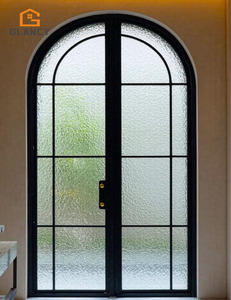
Export Bestsellers
CE Certified Aluminium Door & Window Catalog
Explore our top-tier commercial and residential aluminium door and window configurations manufactured to EN/CE and NFRC international standards.
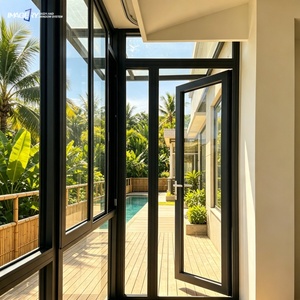
Modern Aluminium Casement Swing Door Triple Glazed Glass for Balcony Patio Front Entry Residential
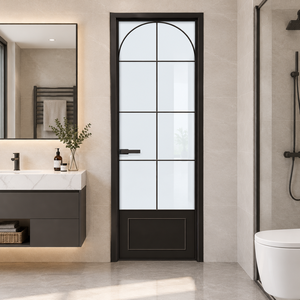
Hihaus Aluminum Casement Door Interior Bathroom Waterproof and Moisture-proof Glass Door
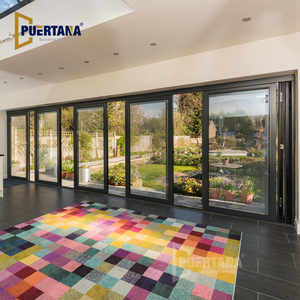
Outdoor Exterior Aluminium Stacking Bifold Accordion Folding Sliding Door Panoramic Patio Door Slide Turn Door System
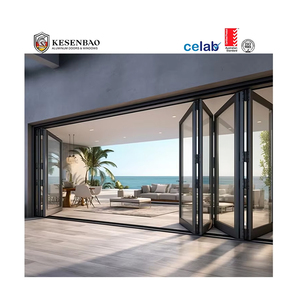
Exterior Large Partition Bi-Fold Door Double Glazed Aluminium Folding Glass Door For Patio Hotel Villa
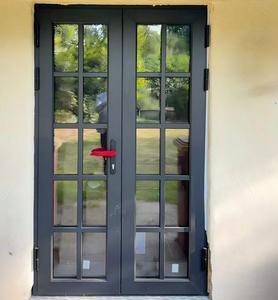
Customized Thermal Break Aluminium Fully Tempered Insulation Lowe Glass NFRC Certificate 80x96 Inch French Doors for Patio
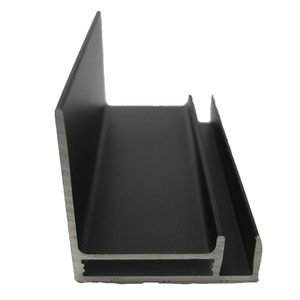
Aluminum Profile,aluminum Extrusions From ISO 9001:2015 Manufacturer
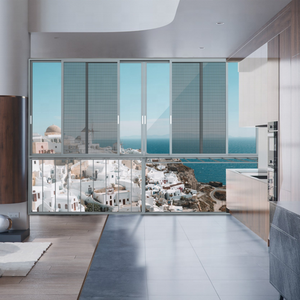
US Hot Sale Residential Window and Door Aluminum Doors and windows Glass Waterproof Sliding windows With Cheap Price for Villa
Executive Whitepaper: Technical Evolution of CE Certified Aluminium Fibre Doors
In modern architectural fenestration, the convergence of structural durability, thermal insulation, and aesthetic flexibility has driven the widespread adoption of CE Certified Aluminium Fibre Doors. Engineered by combining high-tensile 6063-T5 extruded aluminium alloy frame profiles with glass-fibre reinforced polyamide (PA66 GF25) thermal barrier cores, these modern opening systems eliminate the traditional thermal bridge inherent to metal fabrications. For global procurement directors, architectural specifiers, and facade contractors, sourcing from factory-direct exporters in major manufacturing hubs such as Foshan, China delivers verified compliance with European Norms (EN 14351-1) alongside significant cost-efficiency.
The integration of hybrid fibre-matrix composite cores into aluminium profile extrusions fundamentally alters mechanical performance. By leveraging a thermal expansion coefficient closely matching that of alloy profiles, fibre-reinforced thermal break strips prevent structural delamination under extreme climate swings—ranging from -30°C arctic conditions to +80°C intense solar exposure on dark exterior finishes. Consequently, international developers specify CE-marked aluminium fibre doors to fulfill strict net-zero energy building (NZEB) codes while maintaining wind load resistance ratings exceeding 1,000 N/m².
Information Gain Key Metric: Incorporating structural glass fibre reinforcement into multi-chambered polyamide thermal breaks increases shear strength by over 45% compared to standard PVC or unreinforced resin barriers, enabling sash loading capacities up to 600 kg for panoramic multi-panel bi-fold and lift-and-slide door assemblies.
1.1
Lowest U-Value (W/m²K)
200,000+
Cycle Hardware Rating
20,000
m² Manufacturing Base
40+
Global Export Markets
Cross-Material Engineering Comparison
When evaluating structural fenestration options for high-tier residential villas and commercial complexes, B2B sourcing specialists must balance initial capital expenditure against lifecycle thermal efficiency, structural deflection rates, and maintenance overheads. Below is a technical benchmark comparing Aluminium Fibre Door Systems against standard non-thermal metal doors, unplasticized PVC (uPVC), and architectural timber.
| Performance Indicator | Aluminium Fibre Door (CE Certified) | Standard Aluminium Door | uPVC Door System | Solid Architectural Timber |
|---|---|---|---|---|
| Thermal Transmittance (U-Value) | 1.1 – 1.6 W/m²K | 3.5 – 5.8 W/m²K | 1.3 – 2.0 W/m²K | 1.8 – 2.4 W/m²K |
| Frame Depth Range | 65 mm – 150 mm | 45 mm – 70 mm | 60 mm – 88 mm | 68 mm – 92 mm |
| Structural Shear & Load Strength | Ultra-High (Virgin 6063-T5 + PA66 GF25) | High (Unreinforced) | Low-Medium (Steel Reinforced) | Medium (Subject to moisture warping) |
| Weather Tightness (EPDM Seal) | Triple-Seal Vulcanized EPDM Gaskets | Single/Double Brush Seals | Double Rubber Gaskets | Mortise Perimeter Gaskets |
| Expected Service Life | 50+ Years (Zero Rot, Zero Rust) | 30+ Years | 15 – 20 Years (UV Degrades) | 15 – 25 Years (Requires refinishing) |
| Hardware Cycling Longevity | Tested up to 200,000 Cycles | 50,000 Cycles | 30,000 Cycles | 50,000 Cycles |
Enterprise Sourcing Advantages & Manufacturing Rigor
Selecting an established exporter and factory network in Foshan, China ensures direct access to sophisticated aluminum extrusion lines, automated CNC machining, and comprehensive international testing certifications. Factory-direct partnerships mitigate supply chain friction through transparent quality control (QC) gates, rigorous material traceability, and bespoke OEM/ODM profile design capabilities.
Precision Metalworking & Assembly Standards
Leading export facilities utilize 100% prime virgin 6063-T5 aluminum billet, avoiding recycled alloy scrap that compromises structural integrity and anodizing clarity. Wall thicknesses across structural door profiles are engineered between 2.0 mm and 3.0 mm, conforming to strict structural deflection metrics under high wind speeds.
- ✓ Pin-and-Glue Corner Assembly: Hydraulic corner crimping combined with two-component structural epoxy sealant guarantees completely square, leak-proof joints.
- ✓ Six-Seal Gasket System: Continuous EPDM rubber seals block wind infiltration and water ingress during tropical storm conditions.
- ✓ Concealed Drainage Technology: Pressure-equalized hidden channels discharge rainwater without unsightly exterior plastic caps.
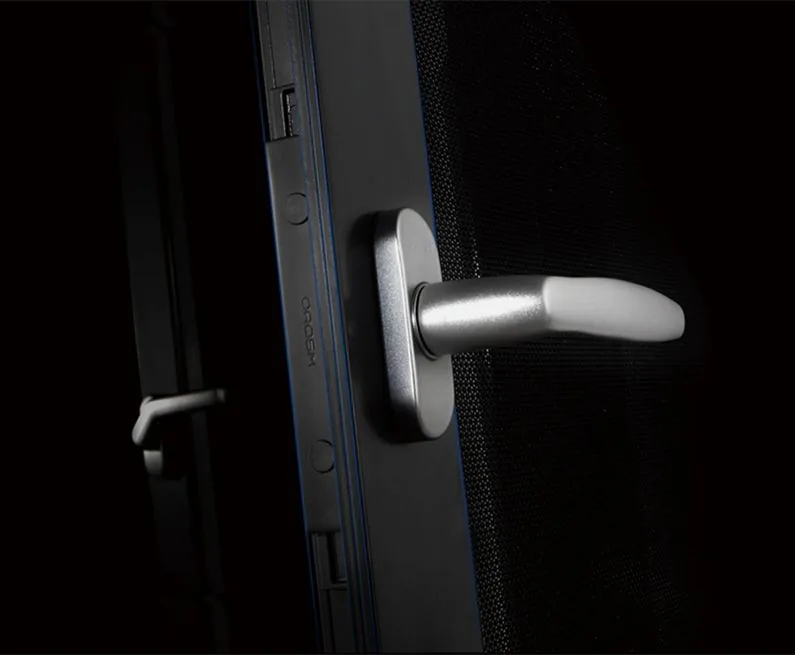
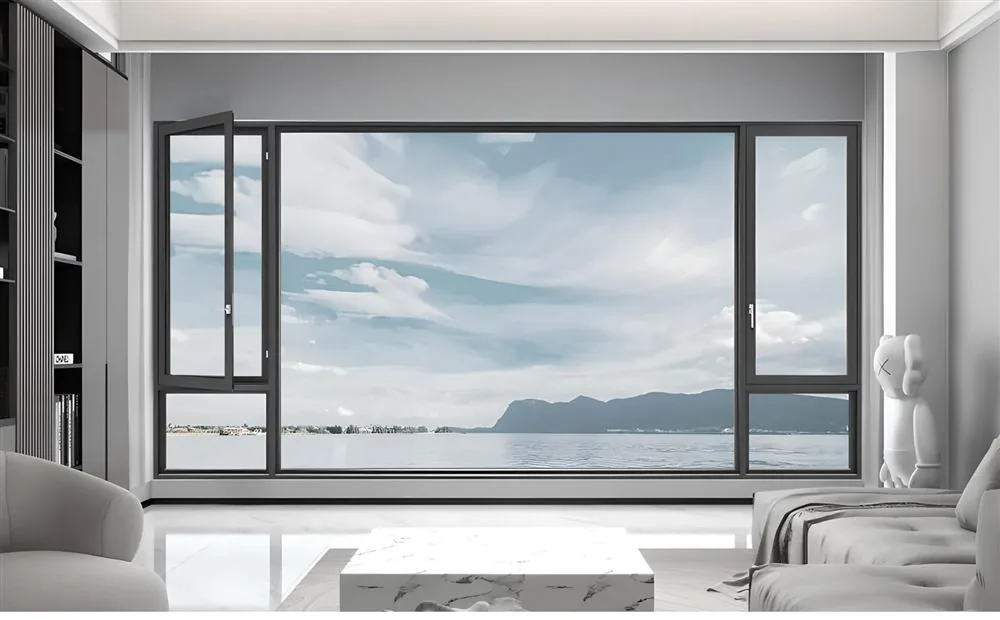
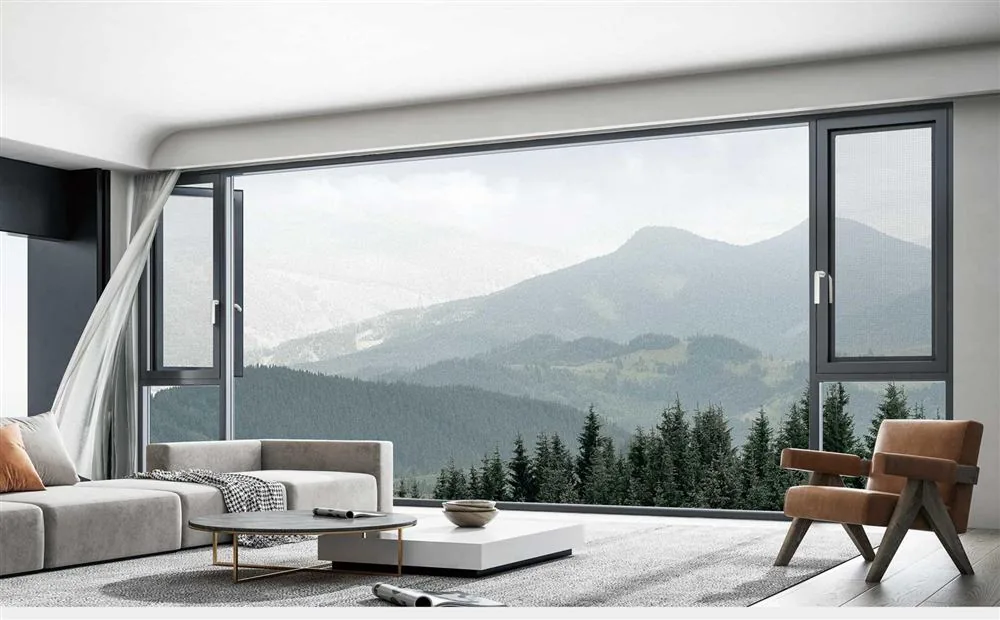
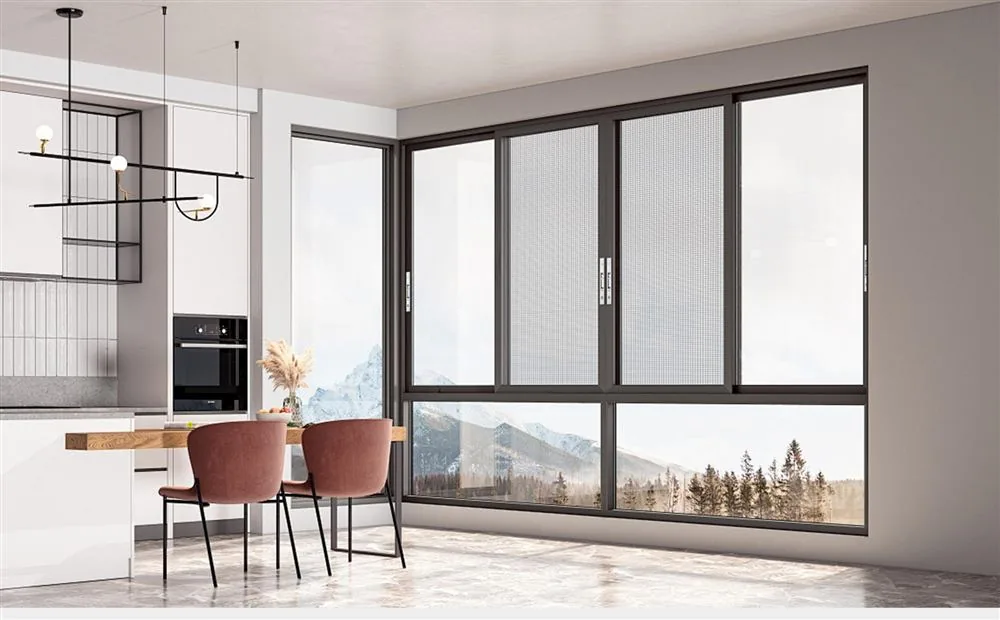
Interactive Technical Pillars of Quality Exporters
CE & NFRC Compliance
Factory products undergo rigorous third-party auditing to earn CE marking (EN 14351-1), NFRC energy accreditation, AS2047 Australian testing, and ISO 9001:2015 quality management compliance.
Custom OEM / ODM Dies
Complete custom die development for unique architectural facade profiles, custom RAL powder coating finishes, hyper-realistic wood-grain fluorocarbon transfers, and custom hardware integration.
Crate Packaging & Fast Lead Times
Finished glazed units are protected with EPE foam, heavy-duty corner caps, and vacuum sealing inside fumigation-free plywood crates. Rapid lead times start from 15 days from shop drawing sign-off.
Future Sourcing & Product Development Trends (2025–2030)
The global architectural fenestration market is undergoing rapid evolution driven by tightening carbon reduction mandates, smart home integration, and modular construction techniques. Procurement directors sourcing from overseas factories must align with these four macro-trends to maintain competitive market positioning over the coming decade:
1. Carbon Footprint & Environmental Product Declarations (EPD)
European and North American building codes increasingly mandate lifecycle assessment (LCA) data. Modern aluminium fibre door manufacturers are transitioning toward low-carbon primary aluminium smelted using hydroelectric energy. Furthermore, the recyclability of aluminium profiles combined with mechanically separable PA66 GF25 fibre strips allows factories to issue official Environmental Product Declarations (EPD), enabling project developers to gain valuable LEED v4 and BREEAM credits.
2. Ultra-Narrow Sightlines & Panoramic Motorized Hardware
Architectural design heavily favors ultra-slim minimalist stiles (often under 25 mm visible width) paired with floor-to-ceiling glass panes. To support massive triple-glazed IGUs weighing upwards of 400 kg, modern factories are embedding motorized linear drive actuators and magnetic levitation rollers directly into the upper frame channels. These smart systems synchronize with building management systems (BMS) and mobile applications for touchless automated control.
3. Vacuum Insulated Glass (VIG) Hybrid Integration
While double and triple glazing with Low-E coatings have served as industry standards, the next frontier in aluminium fibre door development lies in Vacuum Insulated Glass (VIG) integration. By replacing the argon gas space with a 0.2 mm vacuum gap, total door U-values drop to an astonishing 0.6 – 0.8 W/m²K, matching the thermal resistance of thick insulated solid walls while retaining 85%+ daylight transmission.
4. Digitized BIM Integration & Rapid Prototyping
Leading exporters now provide comprehensive Building Information Modeling (BIM) object libraries (Revit, IFC) for their entire product catalog. Sourcing teams can seamlessly embed parametric door models into master project files, running pre-construction wind load simulations, solar heat gain coefficient (SHGC) calculations, and acoustic attenuation modeling prior to profile extrusion.
Frequently Asked Procurement Questions (FAQ)
Designed to provide immediate actionable insights for wholesale buyers, project managers, and fenestration importers.
What specific tests are required for a door to achieve CE Certification under EN 14351-1?
+
CE marking for exterior pedestrian doorsets (EN 14351-1) requires independent third-party laboratory testing across several key parameters: Air Permeability (EN 12207), Watertightness under static pressure (EN 12208), Resistance to Wind Load (EN 12210), Operating Forces (EN 12217), and Thermal Transmittance calculation (EN ISO 10077-1 & 2). Reputable Foshan factories provide verified test reports for every system series.
What is the Minimum Order Quantity (MOQ) and production turnaround time?
+
Standard minimum order quantities start from 50 units per order, which can include mixed frame types (casement, bifold, sliding) to fulfill custom project schedules. Standard manufacturing lead time is 15 to 25 calendar days following shop drawing approval and deposit receipt. Express production slots are available for urgent commercial submittals.
How do Fibre-Reinforced Thermal Breaks prevent profile warping in high-contrast climates?
+
The insertion of 25% glass fibre into polyamide 66 resin (PA66 GF25) adjusts the material's thermal expansion coefficient to 2.4 x 10^-5/K, perfectly matching the linear thermal movement of the surrounding 6063-T5 aluminum alloy. This structural harmony prevents the "bimetallic effect" where dark exterior profile faces expand significantly faster than interior faces under direct intense sunlight.
Can factory systems be customized for hurricane or high wind pressure zones?
+
Yes. Custom engineering includes increasing aluminum wall profiles up to 3.0 mm, embedding heavy-duty steel stiffeners inside central interlocking stiles, utilizing multi-point locking gear from premium European manufacturers (such as Siegenia, HOPPE, or Sobinco), and specifying laminated impact-resistant glass (e.g., 6mm Tempered + 1.52mm PVB + 6mm Tempered).
How is glass breakage minimized during long-distance ocean shipping?
+
Export door units are wrapped in multi-layer protective EPE film, fitted with impact-resistant plastic corner guards, and enclosed in fully fully sealed, fumigation-free plywood crates with internal rubber dampening pads. Containers are packed using heavy-duty nylon strapping and wooden dunnage to eliminate cargo movement during transit.
Global Realized Projects & Architectural Case Studies
Our engineered aluminium door systems have been successfully installed across major commercial, coastal residential, and luxury resort projects worldwide. View recent benchmark installations below:
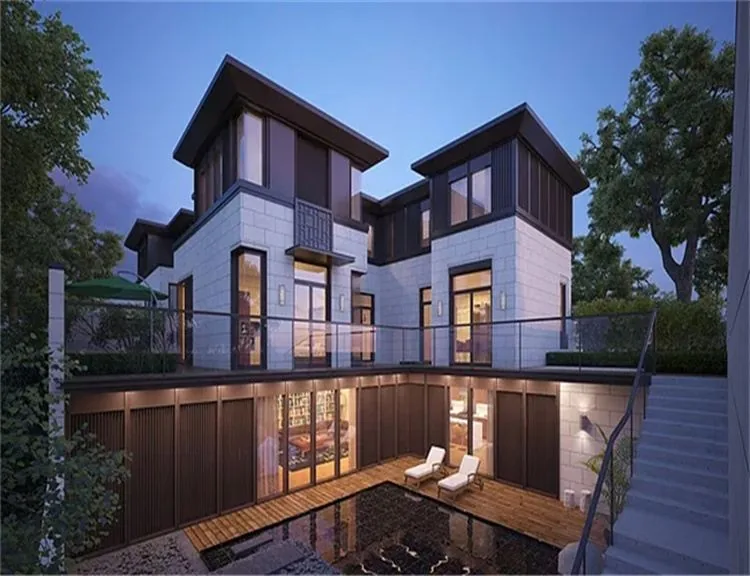
Seaside Villa (Australia)
110 Panoramic Sliding Door System
110 Panoramic Sliding Door System
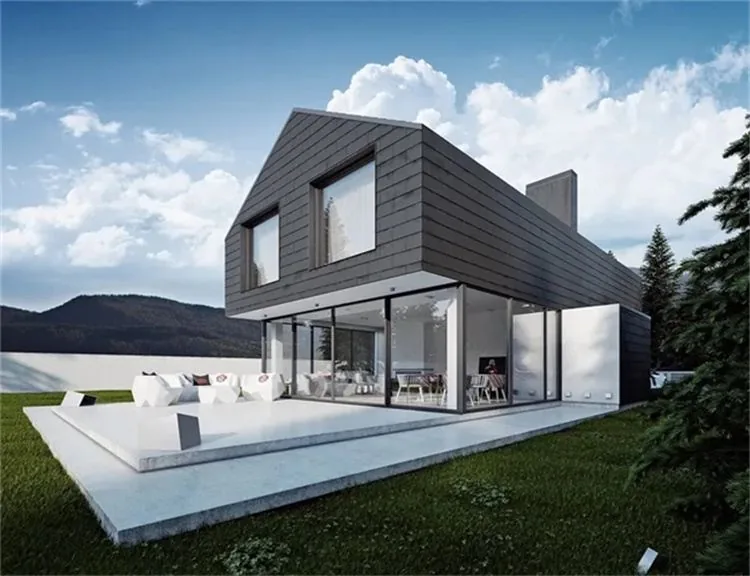
Business Tower (UAE)
90 Thermal-Break Casement System
90 Thermal-Break Casement System
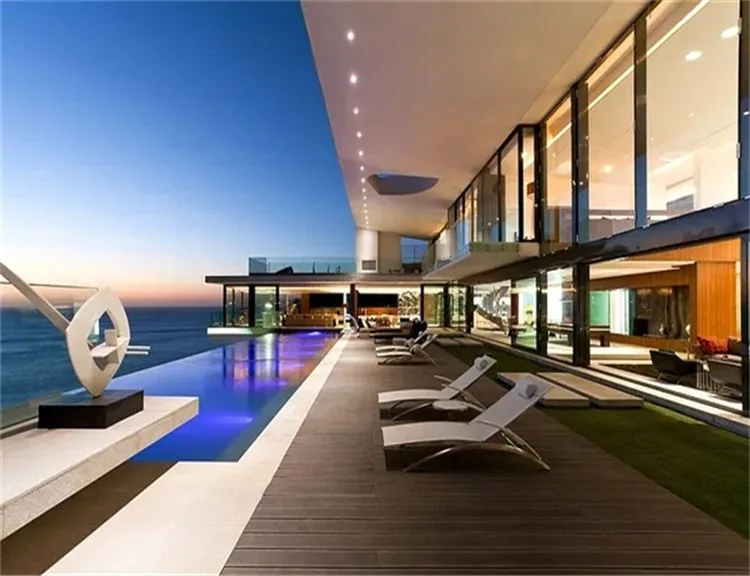
Coastal Estate (USA)
120 Tilt & Turn & Bifold Doors
120 Tilt & Turn & Bifold Doors