Export-Grade Aluminium Systems
Precision-engineered thermal break windows, doors, and custom fenestration solutions tested to international building codes.
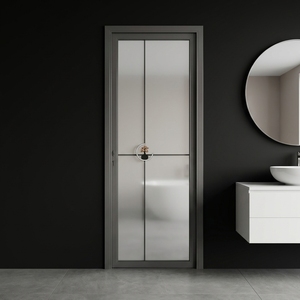
Hot Selling Simple Waterproof Aluminum Frame Family Apartment Home Use Bathroom Door
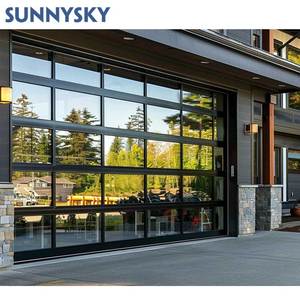
Sunnysky Hurricane Proof Glass Garage Doors Single Garage Doors Aluminium New Style Automatic Garage Door
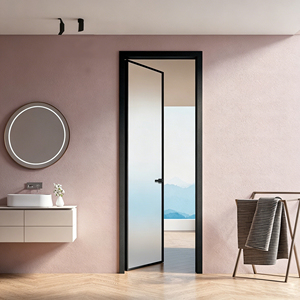
Eloyd Modern Aluminum Double Door French Doors Exterior Glass Front Terrace External Pantry Casement Soundproof Kitchen Villa
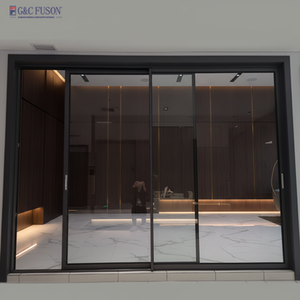
Doors and Windows Manufacturers Horizontal Aluminum Sliding Windows Buildings Screen Window With Wholesale Of New Materials
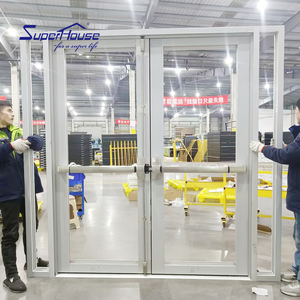
Superhouse High Quality Aluminum Glass Casement Hinged Swing Door with ADA Door Sill and Push bar for Hotel Commercial Door
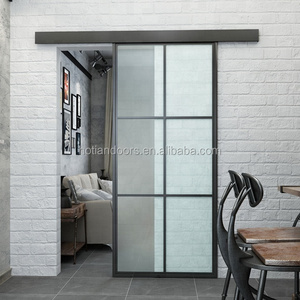
High Quality Standard Kitchen Aluminum Sliding Barn Door Philippines Exterior Tropical Design Weather Resistant for House
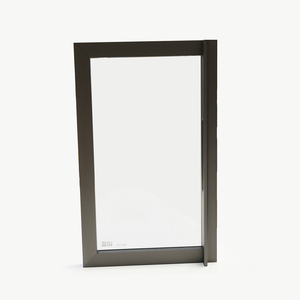
Italian Modern Look Elegant And Adaptable Design Aluminum Slim Frame Doors With Glass For Contemporary Kitchen
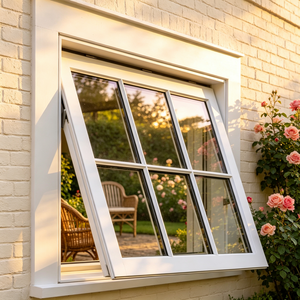
Window Aluminum Glass Slim Bevel Top Hung Modern Facade Anthracite Powder Coated Frame Windows
1. Architectural Dynamics & Technical Foundation of Aluminium Hopper Windows
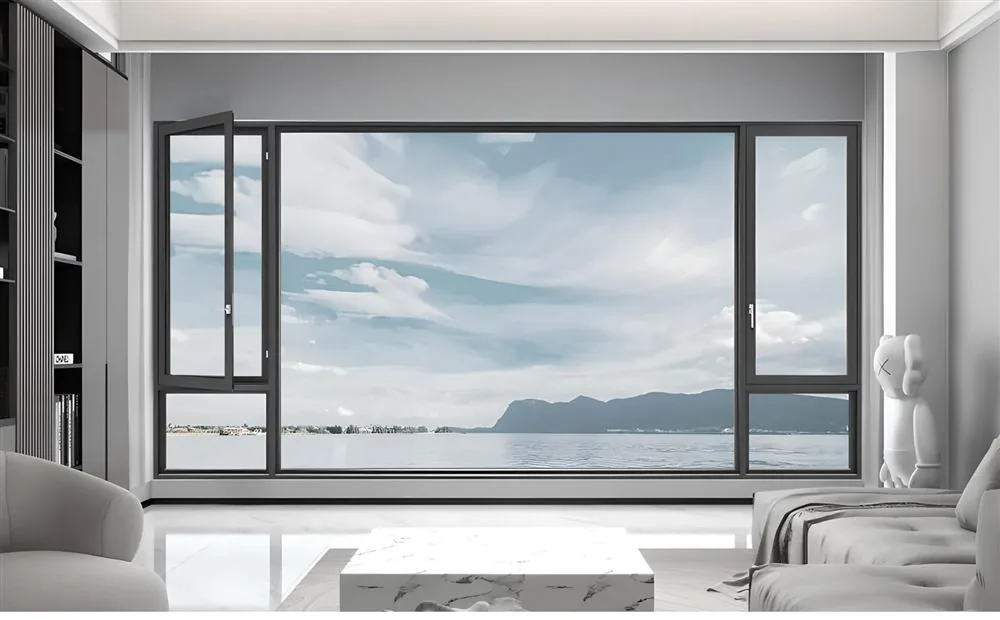
In modern architectural fenestration, the bottom-hinged inward-tilting aluminium window—universally specified as an aluminium hopper window—represents a crucial vector for controlled natural ventilation, high thermal performance, and space-efficient acoustic isolation. Unlike traditional outward-projecting casements or horizontal sliders, hopper windows operate via a specialized bottom-pivot hinge structure that allows the top sash to tilt inward at calculated angles (typically ranging between 15° and 45°). This structural kinematic offers two foundational advantages: first, it directs incoming airflow upward toward the ceiling to eliminate harsh draft forces at ground level; second, it creates a natural rain-shielding geometry that permits ventilation even during adverse meteorological conditions.
Information Gain Insight: As a premier CE Certified Aluminium Hopper Windows Exporter & Exporters operating out of Foshan, China, ZENIC integrates precision-extruded 6063-T5 virgin aluminium alloy with structural polyamide (PA66 GF25) thermal breaks. This engineering combination guarantees complete structural resistance under extreme wind pressures while complying with strict European Union Construction Products Regulation (CPR No 305/2011).
Aluminium hopper windows are widely specified across diverse building archetypes, including high-density residential basements, commercial office utility zones, curtain wall transom windows, educational institutions, and healthcare facilities. Because the sash tilts inward, the external face of the window frame remains flush with the structural building envelope, preventing exterior clearance conflicts with sunshades, motorized shutters, or exterior architectural louvers. Furthermore, when configured with continuous EPDM (Ethylene Propylene Diene Monomer) gasket seals and multi-point perimeter locking hardware, hopper windows deliver outstanding air permeability and water tightness metrics, essential for modern zero-energy and Passive House building certifications.
Key Kinematic & Mechanical Attributes
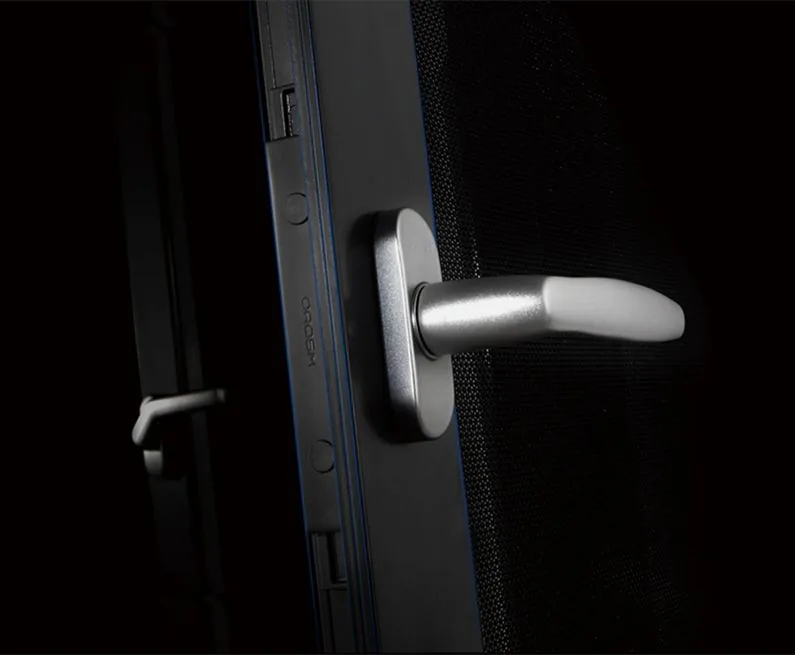
The mechanical efficiency of a CE-certified aluminium hopper window depends directly on the quality of its stay arms and friction hinges. High-grade stainless steel (SUS304/SUS316) scissor stays or restricted arm limiters are embedded into the hardware groove (Euro-groove standard) to carry heavy double or triple insulated glass units (IGUs). The restricted opening angle prevents accidental over-extension while ensuring rapid emergency release when interior maintenance or window cleaning is required.
For elevated transom installations or hard-to-reach clerestory locations, our exporting lines incorporate manual flexible cable operators or integrated 24V DC motorized linear actuators. These electric actuators can be linked directly to Building Management Systems (BMS) for automated smoke evacuation and climate-controlled natural ventilation sequences.
2. CE Certification Framework (EN 14351-1) & European Standard Compliance
For global procurement managers, façade engineers, and international real estate developers, securing verified CE Certification is not merely a legal requirement for entry into the European Economic Area (EEA)—it is an objective benchmark of structural integrity, safety, and energy efficiency. Under standard EN 14351-1:2006+A2:2016 (Windows and doors - Product standard, performance characteristics), aluminium hopper windows manufactured for export must undergo stringent initial type testing (ITT) conducted by accredited third-party notify bodies.
EN 12207 Air Permeability
Tested up to Class 4 (600 Pa test pressure). Triple-stage continuous EPDM gaskets eliminate air infiltration, optimizing thermal retention in cold environments.
EN 12208 Watertightness
Rated up to Class E900 (900 Pa static water pressure). Concealed pressure-equalized drainage channels rapidly evacuate driven rainwater externally.
EN 12210 Wind Load
Class C5 / B5 structural resilience (up to 2000 Pa design load, 3000 Pa safety proof load), preventing frame deflection in coastal high-rise structures.
Thermal Transmittance (U-Value) & Acoustic Isolation Engineering
The total thermal transmittance of a hopper window ($U_w$) is calculated via the combined performance of the extruded aluminium frame ($U_f$) and the central insulated glass unit ($U_g$), expressed mathematically as:
U_w = (A_f · U_f + A_g · U_g + l_g · Ψ_g) / (A_f + A_g)
To achieve competitive export-level U-values down to 1.1 W/m²K, ZENIC engineers employ multi-cavity polyamide thermal barrier profiles (PA66 GF25 with 25% glass fiber reinforcement). The thermal break isolates the exterior aluminium extrusion from the interior profile, breaking the thermal bridge. Paired with Low-Emissivity (Low-E) double or triple glazing filled with 90% Argon gas, our hopper windows prevent indoor heat loss in winter while blocking solar heat gain (SHGC) during summer months. Additionally, acoustic lamination (PVB/SGP interlayers) allows our window configurations to achieve Sound Reduction Indexes ($R_w$) of up to 42 dB, effectively insulating indoor spaces against industrial and urban traffic noise.
| Performance Parameter | EN Standard Test Benchmark | ZENIC Standard Export Spec | ZENIC Thermal Break High-Spec |
|---|---|---|---|
| Structural Aluminium Alloy | EN 573-3 / EN 755-2 | 6063-T5 Prime Alloy (1.4 - 1.6mm) | 6063-T5 Prime Alloy (2.0mm Architectural) |
| Thermal Transmittance ($U_w$) | EN ISO 10077-2 | 2.2 – 1.8 W/m²K (Double Glazed) | 1.4 – 1.1 W/m²K (Triple Low-E + Argon) |
| Air Permeability | EN 12207 | Class 3 (600 Pa) | Class 4 (600 Pa Ultra-Sealed) |
| Water Tightness | EN 12208 | Class 7A (300 Pa) | Class E900 (900 Pa Concealed Drain) |
| Wind Resistance | EN 12210 | Class C3 (1200 Pa) | Class C5 (2000 Pa High-Rise Spec) |
| Acoustic Rating ($R_w$) | EN ISO 717-1 | 32 dB – 36 dB | 38 dB – 44 dB (Acoustic Laminate) |
3. Product Selection Matrix: Hopper Windows vs. Alternative Fenestration Systems
Selecting the optimal opening mechanism for architectural projects requires evaluating operational requirements, spatial constraints, and environmental exposure. Below is an engineering comparison designed for B2B buyers and project specifiers evaluating aluminium hopper windows against other standard window configurations.
Hopper (Bottom-Hung Inward)
Best For: Basements, high transom openings, bathrooms, commercial hallways, and rain-protected ventilation zones.
Key Advantage: Inward tilt protects against rain, maintains exterior envelope clearance, and prevents fall hazards in upper stories.
Top-Hung (Awning Outward)
Best For: Low-to-mid rise residential façades requiring rain shelter with outward projection.
Key Advantage: Excellent water shedding, but requires exterior clearance and can be difficult to clean from indoors.
Tilt & Turn (Dual-Action)
Best For: High-end residential villas, luxury apartments, and European style passive buildings.
Key Advantage: Combines full inward casement swing with hopper tilt action. Higher hardware complexity and cost.
Recommended Glass Configurations for Custom Sourcing
As a specialized exporter, ZENIC tailors glass assemblies to project microclimates:
- Standard Commercial Spec: 6mm Tempered + 12Ar + 6mm Tempered (Clear / Tinted). Ideal for mild temperate zones requiring structural safety.
- Acoustic & Security Spec: 6mm Low-E + 12Ar + 6.38mm Clear PVB Laminated Glass. Specifically specified for airport, railway, or high-traffic street exposure.
- Passive Energy Spec: 5mm Low-E + 12Ar + 5mm Clear + 12Ar + 5mm Low-E Triple Glazed with Swisspacer warm-edge technology for northern European or North American energy codes.
4. Strategic Manufacturing Capabilities: The ZENIC Exporter Advantage
Operating from Foshan, Guangdong—the world’s premiere manufacturing hub for structural aluminium extrusions and architectural fenestration—Zenic Window & Door Technology Co., Ltd. provides global buyers with an integrated design, extruding, machining, glazing, and export packaging supply chain.
Why Global Specifiers Partner with ZENIC
Our 20,000 square meter state-of-the-art production base is equipped with digital multi-axis CNC machining centers, automated profile cutting units, pneumatic corner crimping machinery, and dual-component structural silicone potting lines. We strictly eliminate recycled scrap aluminium, using exclusively 100% prime 6063-T5 aluminium billets to guarantee mechanical tensile strength ($R_m \ge 160 \text{ MPa}$) and surface finish perfection.
Over 15+ years of dedicated export experience to more than 40 countries across North America, Europe, Australia, and the Middle East has refined our project management workflow. From shop drawing CAD/BIM submittals to customized seaworthy plywood crating, every order follows a ISO 9001 certified Quality Management System.
20,000 m² Factory Footprint
Equipped with high-precision CNC machinery capable of managing large-scale commercial project deliveries on accelerated schedules.
100% Pre-Shipment Inspection
Every frame unit is assembled, glazed, dimensionally verified, and pressure-tested prior to export packaging.
Worldwide Logistics & Support
Exporting experience covering compliance codes across 40+ countries (CE, NFRC, AS2047, CSA, AAMA).
5. Future Sourcing Trends & Technological Innovations in Aluminium Fenestration
As global building codes pivot toward net-zero carbon targets, circular economy principles, and smart building integration, the specification criteria for aluminium hopper windows are evolving rapidly. B2B importers, distributors, and developers must align their procurement strategies with several overarching industry trends:
1. Decarbonized Low-Carbon Aluminium Extrusions
The embodied carbon of architectural hardware is under intense scrutiny. Future-ready exporters are transitioning toward aluminium profiles extruded using hydro-powered smelting or incorporating guaranteed post-consumer recycled content (minimum 75% recycled scrap). Low-carbon aluminium reduces the cradle-to-gate carbon footprint of window frames by up to 65%, enabling developers to earn vital LEED v4.1 and BREEAM sustainability credits.
2. Ultra-Slim Sightlines & Concealed Friction Hardware
Modern architectural design prioritizes maximum glass surface area to enhance natural daylighting. Traditional bulky frames are giving way to minimalist, ultra-slim profile depth systems (with visible frame widths reduced to under 45mm). Furthermore, 180-degree concealed hinges and integrated blind mechanisms built directly into the insulating glass cavity (Integrated Venetian Blinds) are becoming standard requests for upscale commercial and residential developments.
3. Smart Actuation & BMS Micro-Environment Integration
Commercial window systems are increasingly expected to interface with IoT smart building automation networks. Motorized aluminium hopper windows equipped with chain actuators, wind-and-rain sensor overrides, and CO2 monitoring links allow modern structures to execute natural free-cooling cycles during nighttime hours, significantly offsetting mechanical HVAC power consumption.
4. Advanced Surface Finish & Corrosion Resistance
For coastal and harsh industrial environments, standard powder coatings are being replaced by Qualicoat Class 2 / Class 3 fluorocarbon (PVDF) spray coatings and high-micron anodized finishes (20µm+). These specialized surface treatments guarantee color retention and zero chalking or cracking across 25+ year lifecycle projections, even when exposed to intense UV radiation and airborne salt spray.
6. Procurement FAQ: Frequently Asked Questions by International Buyers
To assist procurement managers, architects, and importers in qualifying supplier specifications, our engineering team has answered the most critical technical and commercial questions surrounding CE-certified aluminium hopper windows.
What specific documentation is provided to verify CE Certification compliance for export?
Every shipment of CE-certified aluminium hopper windows from ZENIC is accompanied by a formal Declaration of Performance (DoP) document under EN 14351-1. This details essential characteristics including thermal transmittance ($U_w$), air permeability (EN 12207), watertightness (EN 12208), wind resistance (EN 12210), and dangerous substance compliance. Factory Production Control (FPC) audit reports and third-party lab test certificates from accredited testing bodies (e.g., Intertek, TÜV, or SGCC) are made available for submittal during project approval phases.
What is the Minimum Order Quantity (MOQ) and standard production lead time?
Our standard Minimum Order Quantity (MOQ) starts from 50 units per order. However, mixed product orders containing a combination of hopper windows, casements, sliding doors, and curtain wall transoms can be consolidated within a single 20ft or 40ft container to meet MOQ thresholds. Standard manufacturing lead times range from 15 to 25 calendar days following shop drawing approval and deposit receipt, depending on surface finish selection (RAL powder coating vs. custom wood-grain transfer).
How do aluminium hopper windows compare to top-hung awning windows regarding weatherproofing?
While top-hung awning windows push outward to shed rain externally, bottom-hung hopper windows open inward. When properly engineered with continuous triple EPDM gaskets and an integrated outer frame rain baffle with concealed pressure-equalized weep holes, hopper windows achieve exceptional watertightness ratings (Class E900). Furthermore, because wind pressure pushes an inward-opening sash tighter against the frame gaskets during severe storms, hopper windows often demonstrate superior air tightness under elevated negative wind loads.
Can ZENIC supply motorized automated hopper windows for commercial high-rise projects?
Yes. We integrate electric chain actuators (24V DC or 230V AC) manufactured by leading global hardware brands (such as Siegenia, Hoppe, or certified high-duty domestic equivalents). These motorized actuators feature adjustable stroke lengths (100mm to 500mm), push/pull force capacities up to 600N per sash, and IP65 weather protection ratings. They can be seamlessly wired into building smoke-evacuation systems or connected to smart climate control sensors.
What surface finishes are available for high-corrosion marine environments?
For coastal applications located within 1 kilometer of ocean salt water, we specify Qualicoat Marine-Grade Powder Coating or 25-micron Anodized Finishes. Alternatively, we offer 3-coat/2-bake PVDF (Fluorocarbon) coatings with an 80% Kynar 500 resin base, providing exceptional resistance to salt fog, chemical pollutants, and color fading under aggressive sun exposure.
How are fragile glazed window units packaged to prevent ocean freight damage?
Packaging integrity is central to our export protocols. Every window unit undergoes a 5-layer protective wrapping sequence: (1) Protective surface film on profiles, (2) EPE foam corner guards, (3) Shock-absorbing bubble wrap, (4) Heavy-duty corrugated cardboard boxing, and (5) Fumigation-free plywood crates equipped with interior rubber dampening strips. Containers are loaded using automated forklift straps to eliminate shifting during transit.
Request a Custom Engineering Quote & Technical Submittal
Contact our Foshan engineering team today for shop drawing reviews, U-value thermal modeling, and factory-direct wholesale pricing tailored to your project schedule.