Export Glazing Systems Portfolio
Architectural-grade aluminium sliding systems, thermal break profiles, and impact-resistant doors custom engineered for international projects.
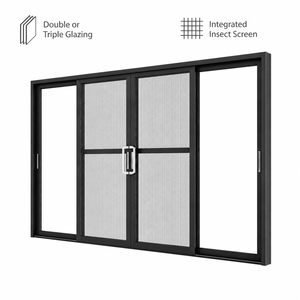
Custom Aluminum Sliding Door With Integrated Fly Screen Double Glazed Soundproof Patio Balcony Door
Send an Inquiry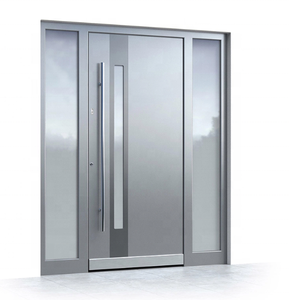
Aluminum Entry Door French Door Exterior Double External Doors for Modern Houses
Send an Inquiry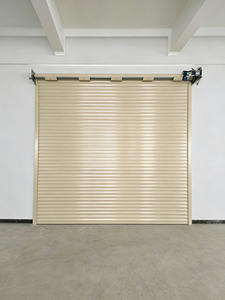
Hot Selling Automatic Aluminum Alloy Roller Shutter Doors Garage Roll up Garage Doors
Send an Inquiry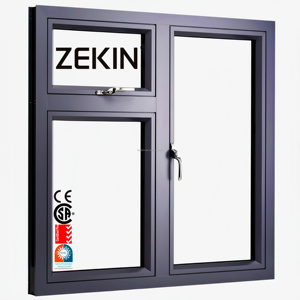
NFRC AS2047 Certification Thermal Break Aluminum Window Engineering Projects Big Glass Panel Awning Casement Window
Send an Inquiry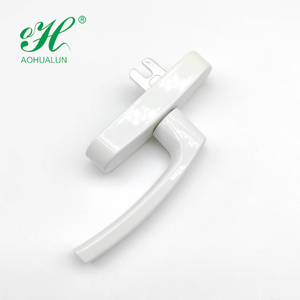
Luxury White Aluminum Alloy Doors and Windows Handles Modern Design Hotel Use 2-Year Warranty Wholesale
Send an Inquiry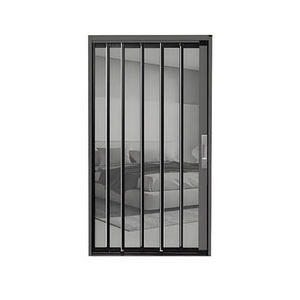
Modern Aluminum Alloy Frame Wire Mesh Screen Door Mosquito Insect Prevention Anti-theft Door
Send an Inquiry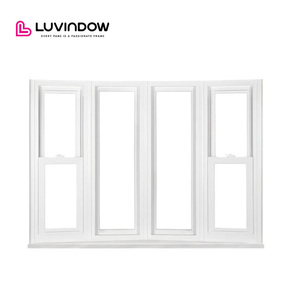
Best Selling Aluminium Corner Bay Heat Insulation Low-E Double Glazed Fixed Textured Bow Casement Bay Windows
Send an Inquiry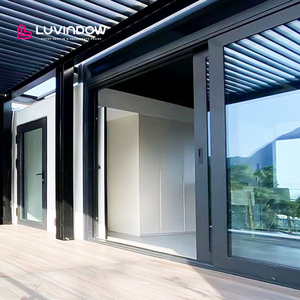
Hot Sell Energy Efficiency Custom Double Layered Tempered Glass Thermal Break Aluminum Lift Sliding Balcony Patio Doors
Send an InquiryHigh-Precision Extrusions
Manufactured using primary 6063-T5/T6 aluminum billets. Precision engineered multi-chamber profiles accommodate high structural wind pressure up to 1,000 N.
Qualicoat Powder Coating
Thermosetting fluoropolymer and polyester powder coatings designed for marine grade coastal resistance, eliminating chalking, peeling, and UV degradation.
Thermal Break Efficiency
Integrated PA66-GF25 fiberglass-reinforced polyamide strips drastically block conductive heat flow, optimizing HVAC conservation across extreme climates.
Architectural Specification Guide: CE Certified Aluminium Powder Coated Sliding Windows
Modern architectural fenestration has evolved beyond mere aesthetic building envelopes into high-performance structural systems required to meet stringent energy conservation, wind-load resistance, sound attenuation, and long-term durability metrics. As a premier manufacturer and exporter of CE-certified aluminium powder-coated sliding windows based in Foshan, China, our engineering teams combine advanced profile extrusion technology with high-grade surface chemistry to serve commercial developers, luxury villa builders, and global importers across North America, Europe, the Middle East, and Oceania.
Key Takeaway for B2B Procurement Engineers: When specifying aluminium sliding fenestration systems, performance failure rarely stems from raw profile strength alone. Instead, system life cycle is dictated by powder coating adhesion standards (Qualicoat Class 1/2), corner joint mechanical integrity (crimped & resin-injected), weatherstrip elastomer compound selection (EPDM triple seals), and thermal break structural integrity (PA66-GF25 polyamide).
1. Metallurgy & Structural Profile Engineering: 6063-T5 vs. 6063-T6
The foundation of any high-durability sliding window system resides in its metallurgical composition. We utilize exclusively primary 6063-T5 and 6063-T6 architectural aluminum alloy billets, eschewing re-melted scrap alloys that introduce inclusions and micro-porosity. Alloy 6063 provides superior surface smoothness, essential for electrostatic powder coating, along with excellent extrusion characteristics for complex multi-chamber profile designs.
For high-rise residential towers and coastal villa developments subjected to severe wind loads, profile wall thicknesses are extruded between 1.4 mm and 2.0 mm+ in strict compliance with EN 755-2 standards. Tensile strength parameters exceed 160 MPa for T5 temper and 205 MPa for T6 temper, ensuring minimal frame deflection when supporting heavy double- and triple-glazed Low-E glass units weighing up to 250 kg per sash.
2. Surface Treatment Mastery: Qualicoat Powder Coating Technology
Powder coating is not simply paint application; it is an integrated chemical bonding process designed to protect aluminum profiles against corrosion, atmospheric pollutants, acid rain, and harsh ultraviolet (UV) radiation. Our state-of-the-art powder coating lines adhere to Qualicoat Class 1 and Class 2 quality standard benchmarks.
The Pre-Treatment & Coating Sequence:
Prior to electrostatic coating, extrusions undergo a rigorous multi-stage pre-treatment process: automated alkaline degreasing, acid etching to remove surface oxide layers, deionized water rinsing, and a chrome-free zirconium conversion coating phase. This conversion layer forms a microscopic corrosion barrier that guarantees chemical adhesion of thermosetting polyester powders.
| Coating Class | Resin System Chemistry | Accelerated Weathering Test | Recommended Project Environment |
|---|---|---|---|
| Qualicoat Class 1 | Standard Architectural Polyester | 1,000 Hours Florida Exposure / QUV-Seeding | Standard Residential & Urban Inland Buildings |
| Qualicoat Class 2 | Super-Durable PVDF / Polyurethane | 3,000 Hours Florida Exposure / High UV Resistance | Coastal Fronts, Tropical Climates, Commercial High-Rise |
| Seaside Endorsed | Pre-Anodized + Qualicoat Double Layer | AASS Salt Spray Test > 2,000 Hours | Direct Marine Environments (< 500m from Shoreline) |
Powder film thickness is meticulously monitored between 60 μm and 80 μm. This prevents film cracking during thermal expansion while delivering exceptional impact resistance (cross-hatch adhesion ASTM D3359 Rating 5B). Available finish aesthetics include micro-textured matte finishes, high-gloss RAL spectrum colors, metallic anodized effects, and heat-transfer wood-grain finishes that offer natural timber visuals without the maintenance overhead of real wood.
3. Thermal Performance & Polyamide Thermal Break Integration
Uninsulated aluminum exhibits high thermal conductivity (k ≈ 160–200 W/m·K). To satisfy modern building energy codes such as Europe's EPBD directive and North America's ASHRAE 90.1, thermal separation is mandatory. Our CE-certified sliding window systems incorporate structural Polyamide Thermal Break strips (PA66-GF25) containing 25% glass fiber reinforcement.
These polyamide strips bridge the outer and inner extruded aluminum chambers, lowering system heat transmission. PA66-GF25 exhibits a coefficient of thermal expansion almost identical to that of aluminum, preventing joint shearing or profile warping during extreme summer-to-winter thermal cycles. When paired with double-glazed IGUs featuring argon gas fill, Low-E coatings, and warm-edge composite spacers, our thermal break sliding window frames achieve system U-values down to 1.1 W/m²K, drastically lowering HVAC cooling and heating loads.
4. CE Marking & Harmonized European Performance Standards (EN 14351-1)
For European buyers, distributors, and global specifiers demanding third-party validation, our sliding window systems carry full CE compliance marked under EN 14351-1 (Windows and external pedestrian doorsets). Initial Type Testing (ITT) performed by certified notified bodies verifies structural and meteorological performance parameters:
Air Permeability (EN 12207)
Achieves Class 4 ratings (maximum air infiltration under 600 Pa test pressure). High-density EPDM continuous weatherstripping combined with interlocking wool-pile seals eliminates draft penetration.
Water Tightness (EN 12208)
Tested up to Class E1050 (1,050 Pa static water pressure). Features stepped multi-stage hidden drainage channels that rapidly discharge wind-driven rain outwards without visible exterior face caps.
Wind Load Resistance (EN 12210)
Rated Class C5 / B5. Heavy-duty structural mullions and reinforced interlocks withstand peak positive and negative wind pressures exceeding 2,500 Pa with minimal frame deflection.
Acoustic Insulation (EN ISO 140-3)
Sound reduction index (Rw) up to 42 dB achieved when fitted with asymmetric acoustic laminated glass units (e.g., 6mm + 1.52PVB + 6mm / 12Ar / 6mm toughened).
5. Advanced Sliding Hardware & Security Engineering
Smooth operation and security remain paramount for large-span sliding fenestration. Our sliding windows utilize heavy-duty stainless steel SUS304 twin-roller bogies equipped with sealed needle bearings. Each sash roller is rated to endure over 200,000 continuous opening/closing cycles without track degradation.
Multi-point locking gear systems engineered with stainless steel mushroom head keepers secure the sliding sashes into the perimeter outer frame at multiple height intervals. This multi-lock configuration delivers anti-burglary protection certified to PAS 24 / RC2 security standards. Furthermore, integrated stainless steel mesh flyscreens (304 or 316 marine-grade steel wire) can be incorporated within double-track or triple-track rail systems, serving as both insect barrier and child-fall protection.
6. B2B Global Sourcing Trends & Future Outlook (2025–2030)
Procurement practices in the international fenestration market are shifting toward higher technical transparency, carbon footprint reduction, and slim-line visual aesthetics. Importers and commercial builders should align their procurement strategies with four key industry vectors:
1. Ultra-Slim Interlocking Stiles: Modern architectural designs prioritize minimal sightlines. The trend favors sliding systems with central interlock profiles measuring as thin as 20 mm to 38 mm, maximizing natural day-lighting without compromising structural wind-load capacity.
2. Low-Carbon Recycled Aluminum Billets: Sustainability frameworks (such as LEED and BREEAM certifications) drive demand for extrusions manufactured using hydro-electric powered smelting or high post-consumer recycled aluminum content (EUL content > 75%), lowering embodied carbon per square meter of facade.
3. Smart BMS & Automated Motorization Integration: High-end commercial and residential developments increasingly specify concealed motorized sliding mechanisms compatible with smart home management systems (BMS), including automated rainfall sensors and motorized push-button sash opening.
4. Prefabricated Unitized & Knock-Down (KD) Export Packaging: To minimize shipping costs and on-site damage, factory pre-assembly with precision CNC corner crimping is balanced with custom Knock-Down (KD) hardware kits and sea-worthy fumigation-free plywood crate packaging for bulk container shipping.
7. Manufacturing Advantage: Why Partner With Foshan Zenic Technology
Operating from a 20,000+ square meter manufacturing base in Foshan, China—the epicenter of global aluminum extrusion—Zenic Window & Door Technology combines engineering depth, OEM/ODM flexibility, and strict export-oriented quality assurance.
Our facility houses high-speed double-head CNC cutting machines, automated corner crimping stations, and dedicated structural silicone glazing lines. Every project order undergoes 100% trial assembly before packaging. Window schedules, shop drawings, wind load calculations, and thermal modeling are generated in-house by our senior engineering team, ensuring seamless coordination from initial drawing submittals to job site installation.
Procurement & Technical FAQ
Clear answers to critical technical, compliance, and logistics questions asked by B2B buyers, architects, and importers.
What third-party certifications validate your aluminium sliding windows for global export?
What is the difference between Qualicoat Class 1 and Class 2 powder coating?
What U-value performance levels can your thermal break sliding windows achieve?
What is your Minimum Order Quantity (MOQ) and production lead time?
How do you prevent water leakage in high-wind sliding window systems?
Do you support OEM / ODM customization for private labeling and custom extrusions?
How are export window orders packaged to prevent transit damage?
Ready to Request a Technical Proposal & Factory Quote?
Send us your project architectural drawings, window schedules, or performance specifications. Our senior engineering team will respond within 24 hours with shop drawings, thermal calculations, and direct factory pricing.