Featured CE-Certified Aluminum Clad Replacement Windows
Engineered specifically for low-E architectural replacement and high-efficiency building retrofits. All systems feature thermal break barriers, multi-point hardware integration, and multi-seal continuous weatherstripping.
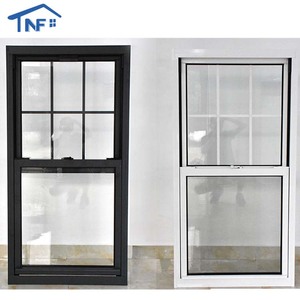
Foshan Custom Waterproof French Black Double & Single Hung Windows
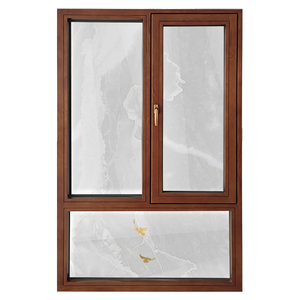
High Quality Modern Replacement Aluminum Clad Wood Residential Windows
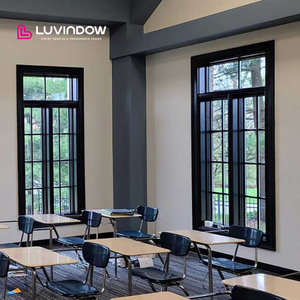
American Style Double Safety Glass Aluminum Clad Wood Crank Open Windows
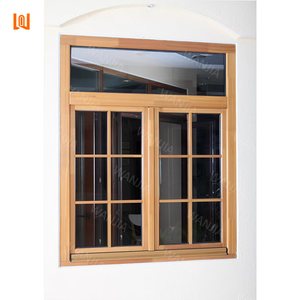
Replacement French Design Thermal Break Aluminum Clad Wood Casement
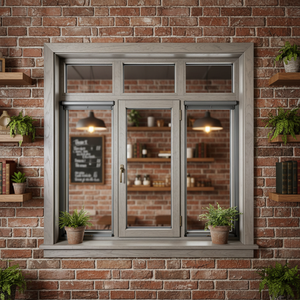
Double Glazed Soundproof Aluminum Clad Wood Sliding Replacement Windows
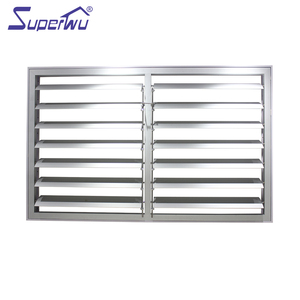
Australia Standard Sound Insulation Exterior Aluminum Plate Louver Windows
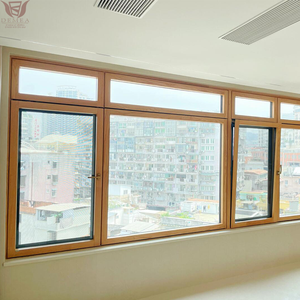
Custom House Project Solid Wood Interior Thermal Aluminum Clad Swing Window
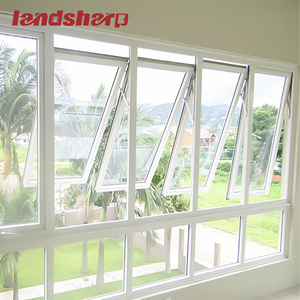
Modern Top-Hung Awning Aluminum Glass Windows for Bathroom Ventilation
Engineering Principles of CE Certified Aluminum Clad Replacement Windows
An in-depth technical breakdown of composite fenestration thermodynamics, structural alloy selection, and European regulatory compliance for architectural B2B buyers.
Anatomy of Composite Structural Systems: Exterior Aluminum Cladding vs. Interior Timber
Aluminum-clad replacement window systems represent the modern pinnacle of hybrid material fenestration engineering. By combining the weatherability and structural stiffness of exterior-grade extruded aluminum alloy (6063-T5) with the natural insulating properties and interior warmth of solid timber (such as Larch, Oak, or Pine), engineers eliminate the historic trade-offs inherent in single-material windows.
The core structural advantage rests in the mechanical separation between the interior timber chassis and the exterior aluminum shield. Because aluminum and timber possess radically different thermal expansion coefficients (αAlu ≈ 23 × 10-6 K-1 vs. αWood ≈ 3.5 × 10⁻⁶ K-1 radial), rigid attachment results in structural warping or joint failure over time. Certified suppliers utilize high-density polyamide snap-fit clips (PA66GF25) that create a floating connection. This mechanism permits differential movement along the longitudinal axis while maintaining water-tight integrity and wind pressure resistance up to 3,000 Pa.
CE Compliance Matrix & European Union Harmonized Norms (EN 14351-1)
Securing CE marking certification is not merely a legal prerequisite for entering the European Single Market; it serves as a global benchmark for technical performance. Under EN 14351-1 (Windows and Doors - Product standard, performance characteristics), replacement window systems must undergo stringent initial type testing (ITT) by accredited third-party notified bodies.
Key mandatory parameters under CE testing protocols include:
- Air Permeability (EN 12207): Testing up to Class 4 (600 Pa reference pressure), ensuring operational infiltration losses stay below 3.0 m³/h·m².
- Watertightness (EN 12208): Achieving Class E1050 under dynamic deluge testing, proving complete water resistance up to 1,050 Pa (equivalent to storm-force winds).
- Wind Load Resistance (EN 12210): Rated to Class C5, exhibiting frame deflection below L/300 under extreme negative wind suction.
- Thermal Transmittance (EN ISO 10077-2): Computerized 2D finite element thermal modeling to prove overall system U-values (Uw) down to 1.1 W/m²K.
| Performance Characteristic | Standard Vinyl (PVC) | Standard Un-Clad Timber | CE Certified Aluminum-Clad System |
|---|---|---|---|
| Structural Lifespan | 15 – 20 Years | 20 – 30 Years (High Maintenance) | 50+ Years (Low Maintenance) |
| Thermal Transmittance (Uw) | 1.4 – 1.8 W/m²K | 1.2 – 1.5 W/m²K | 0.95 – 1.2 W/m²K |
| Wind Pressure Resistance | Class C2 (1200 Pa) | Class C3 (1600 Pa) | Class C5 (3000 Pa) |
| UV Degradation Resistance | Moderate (Chalking Risk) | Poor (Paint Flaking Risk) | Superior (Fluorocarbon PVDF) |
| Dimensional Stability | Low (High Thermal Expansion) | Moderate (Moisture Swelling) | Extreme (Zero Profile Distortion) |
Future Procurement Trends in Architectural Fenestration
How international developers, architects, and commercial window importers are adapting sourcing strategies for dynamic energy codes and carbon regulations.
1. Decarbonization & Embodied Carbon Metrics (EPD Certification)
Global procurement criteria are rapidly shifting from operational energy metrics to life-cycle carbon accounting. Top-tier B2B buyers now mandate Environmental Product Declarations (EPD). Modern aluminum-clad replacement window suppliers are adopting low-carbon primary aluminum billets (produced via hydropower) alongside post-consumer recycled extrusion profiles to reduce embodied CO2 below 4.0 kg CO2/kg aluminum.
2. BIM-to-Factory Direct Digital Sourcing
The historical disconnect between architectural design and off-site manufacturing is being bridged by Building Information Modeling (BIM) level 3 workflows. Procurement directors are standardizing on suppliers offering native Revit and IFC files embedded with precise structural, acoustic, and thermal metadata. This enables automated CNC fabrication directly from parametric architectural plans, cutting custom order lead times down to 15-20 days.
3. Extreme Weather & High-Velocity Hurricane Resilience
Climate instability has driven a sharp demand increase for dual-certified replacement systems that comply with both European CE thermal codes and North American High-Velocity Hurricane Zone (HVHZ) impact standards. Sourcing channels are prioritizing dual-laminated SentryGlas (SGP) interlayers integrated into heavy-duty aluminum clad frames capable of withstanding missile impact tests without loss of seal.
4. Smart Electrochromic & BIPV Glazing Integration
Future fenestration procurement extends beyond passive glass. Leading European and North American buyers are specifying aluminum clad chassis pre-wired for low-voltage electrochromic dynamic tinting and Building-Integrated Photovoltaics (BIPV). These systems automatically modulate Solar Heat Gain Coefficients (SHGC) based on solar irradiance, turning building envelopes into active energy generation nodes.
Next-Generation Product Development Innovations
How leading manufacturers are pushing engineering boundaries to meet Passive House (Passivhaus) standard demands and minimalist architectural aesthetics.
Ultra-Slim Sightlines with Structural Glass Bonding
R&D teams are removing thick sash profiles by implementing structural silicone glazing (SSG) adhesives directly bonding double/triple IGUs to thin aluminum cladding. This increases glass surface area by up to 18%, maximizing natural daylighting while structural strength increases.
Vacuum-Insulated Glass (VIG) & Aerogel Core Strips
By replacing standard argon-filled space gaps with ultra-thin 0.3mm vacuum chambers and integrating aerogel into the polyamide thermal break core, next-generation aluminum-clad windows achieve total U-values under 0.6 W/m²K with profile depths under 70mm.
Micro-Arc Oxidation (MAO) Marine Coatings
To combat extreme coastal salt-spray corrosion, traditional powder coatings are giving way to electrochemical ceramic treatments (MAO). This creates an impenetrable oxide layer fused to the outer aluminum cladding, reaching 4,000+ hours in neutral salt spray (NSS) testing.
Foshan Zenith Engineering & Enterprise Competencies
Combining 15+ years of specialized fenestration manufacturing, deep supply-chain integration, and international quality management.
20,000 m² Advanced Production Infrastructure
Operating from Foshan, Guangdong—the world’s premiere hub for architectural aluminum extrusion—our automated manufacturing base features 5-axis CNC machining centers, automated pin-and-glue corner crimping stations, and dust-free robotic glazing lines. This vertical integration allows strict tolerance controls (±0.5mm) across mass production runs.
Strict 100% Quality Gate
Every assembled frame undergoes physical testing prior to ocean packaging: air permeability checks, water tightness chamber verification, corner joint torque testing, and hardware operational cycle validation.
OEM & ODM Flexibility
We provide comprehensive private-label engineering support, custom extrusion die creation, localized hardware integration (such as Siegenia, Hoppe, or Roto), and tailored RAL/wood-grain powder coating options.
Export Logistics Packaging Protocol
Products are wrapped in protective non-scratch EPE foam, reinforced with plastic edge protectors, and secured inside heavy-duty, fumigation-free solid plywood crates designed for sea container shipping and job-site crane unloading.
Frequently Asked Questions for Window Buyers
Expert answers to technical, commercial, and regulatory inquiries commonly raised by project managers and window importers.
What specific CE documentation do you provide for customs clearance and building control?
What is your minimum order quantity (MOQ) and production lead time?
How do aluminum clad replacement windows compare thermally to pure aluminum thermal break windows?
Can you supply certified low-E double and triple glass units with argon gas filling?
What exterior surface finishing options are available for the aluminum cladding?
Do your systems support custom architectural replacement dimensions and shapes?
Ready to Upgrade Your Fenestration Sourcing Strategy?
Submit your architectural drawings or window schedule. Our engineering team will return comprehensive CAD shop drawings, technical compliance submittals, and factory-direct pricing within 24 hours.
Send an Inquiry