High-Performance Export Window & Door Systems
Engineered for extreme atmospheric pressure, coastal salt-spray resistance, and rigorous European CE and North American building compliance.
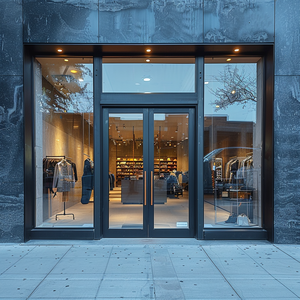
Store Front Door Factory Price Commercial Doors Sliding System Aluminum Frame Tempered Glass Storefront Door
Contact Us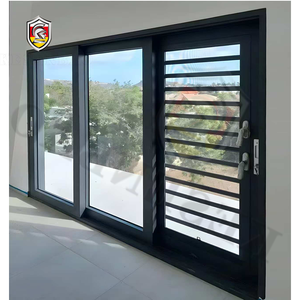
Modern Waterproof Double Tempered Glass Aluminium Sliding Doors with Louver for Villa House
Contact Us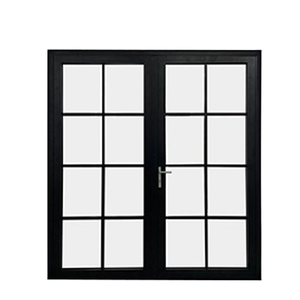
OEM Custom 2026 French Double Doors Double Swing Black Aluminum Grid Clear Glass Garden Patio Villa Thermal Fire Rated CE NFRC
Contact Us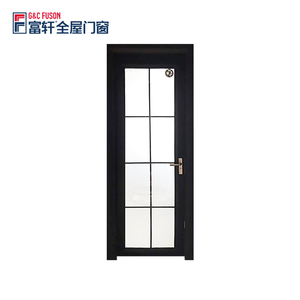
Fuson Tempered Glass Casement Door Aluminium Casement Door Interior Bathroom Swing Door With Private Label Wholesale
Contact Us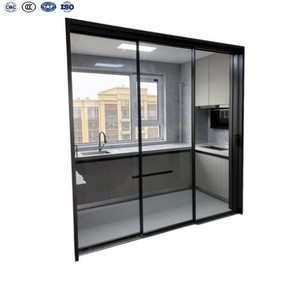
Modern Minimalist Aluminum Partition Door with Glass Fiberglass Soundproof for Interior Kitchen Bedroom Hotel & Residential Use
Contact Us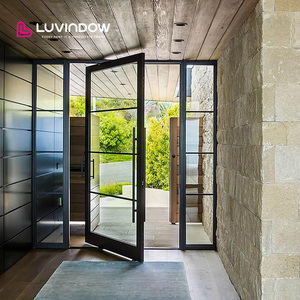
Luvindow Custom Modern USA Standard Business Shop Entrance Metal Aluminum Glass Door for High-end Residential Villa Exterior
Contact Us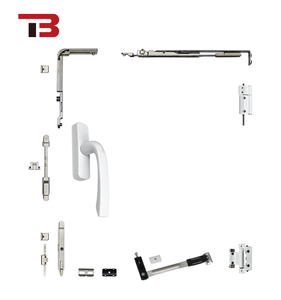
LTB-NK380 Tilt Turn Window Hardware System Aluminum Window Tilt-turn Window Accessories
Contact Us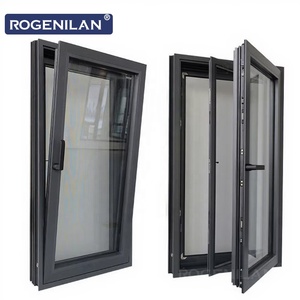
Rogenilan NO.1 Aluminum Double Glass Casement Window Triple Glaze Tilt Turn or Awning Swing Windows for House with Screen
Contact UsEngineering Principles of CE Certified Impact-Resistant Aluminum Systems
In modern coastal architecture and high-velocity hurricane zones (HVHZ), fenestration is no longer merely an aesthetic envelope component; it serves as the primary structural defense against atmospheric pressure shifts, wind-borne debris, and severe water infiltration. Selecting a certified manufacturer for CE Certified Aluminum Hurricane Windows requires a deep technical understanding of structural profile metallurgy, structural silicone dynamics, and dynamic impact mechanics.
The European Harmonized Standard EN 14351-1 mandates rigorous performance criteria for external windows and pedestrian doorsets. When tailored for hurricane-force protection, these systems undergo combined dynamic wind load testing (EN 12210), air permeability validation (EN 12207), and watertightness verification under extreme pressure differentials (EN 12208). Concurrently, global procurement directors must evaluate compliance with international missile impact standards such as ASTM E1886/E1996 and TAS 201/203, ensuring that the profile-glass assembly withstands repeated cyclic wind pressure after initial projectile impacts.
1. Profile Engineering and Alloy Metallurgy
Uncompromising structural integrity begins with raw material specification. Premium hurricane windows utilize virgin 6063-T5 or 6005-T6 architectural grade aluminum extrusions. Unlike recycled scrap alloys, virgin billets provide homogeneous grain structures that resist stress-corrosion cracking under continuous cyclic loading. Profile wall thickness in impact-rated systems is engineered between 2.0mm and 3.0mm, featuring internal structural webs that absorb shear stress during Category 5 wind events (exceeding 250 km/h).
2. Laminated Impact Glass Composite Chemistry
The performance of hurricane-resistant glazing relies on polymer interlayer chemistry. Standard annealed glass collapses upon impact, exposing building interiors to rapid internal pressurization which can lift roofs and collapse envelope walls. Certified hurricane windows incorporate multi-layer laminated glass units featuring either Polyvinyl Butyral (PVB) or SentryGlas® (SGP) ionoplast interlayers:
- PVB Interlayers (1.52mm - 2.28mm): Provide standard impact resilience and acoustic dampening, retaining glass fragments upon rupture.
- SGP Ionoplast Interlayers: Offer up to 5 times the tear strength and 100 times the rigidity of conventional PVB. SGP laminated units remain upright and structural even if both glass panes suffer fracture during extreme storm surges.
Core Engineering Modules for Global B2B Supply
Exploration of system features required by developers, architects, and trade distributors.
Polyamide Thermal Barriers
Integrated PA66GF25 (25% fiberglass reinforced polyamide) thermal break strips physically isolate exterior and interior aluminum extrusions, preventing thermal bridging and eliminating condensation risks in humid coastal regions.
Multi-Point Locking Mechanics
Engineered with continuous stainless steel drive gear mechanisms and heavy-duty mushroom cams that lock sash frames into structural keepers at 4 to 8 perimeter anchor points, distributing dynamic wind force evenly.
Concealed Pressure Drainage
Employs pressure-equalized weep holes with unidirectional hydrophobic back-draft valves, allowing instant water evacuation under severe rainstorm pressures while blocking gale-force air infiltration.
AAMA 2605 Surface Finishes
Coated with high-performance Fluoropolymer (PVDF) or hyper-durable powder systems capable of enduring 3,000+ hours of continuous salt-spray testing (ASTM B117) without chalking, blistering, or color fading.
EPDM Continuous Gasket Matrix
Utilizes co-extruded cellular and solid EPDM weatherstripping with vulcanized injection-molded corner keys, guaranteeing air seal longevity across ambient temperatures ranging from -40°C to +85°C.
Pin-and-Glue Joint Assembly
Profile joints are precision-mitered at 45 degrees, combined with heavy aluminum corner cleats, mechanical expansion pins, and two-part structural polyurethane sealant for zero joint deflection.
Future Procurement Trends in Global Fenestration (2026–2030)
As international energy codes tighten and severe weather events increase in frequency, foreign trade procurement managers, developers, and commercial contractors are recalibrating their window sourcing strategies. The global marketplace is shifting from cost-centric buying to lifecycle-value and compliance-driven procurement.
1. Decarbonization and Low-Carbon Extrusions
European Union directives regarding Embodied Carbon and the Carbon Border Adjustment Mechanism (CBAM) are compelling commercial developers to verify the environmental product declarations (EPD) of window manufacturers. Top-tier Chinese original equipment manufacturers (OEMs) are integrating hydro-powered primary aluminum and post-consumer recycled aluminum into their extrusion billets, cutting embodied carbon emissions below 4.0 kg CO2/kg Al while maintaining virgin-grade mechanical performance.
2. Architectural Slim Sightlines Meets Extreme Structural Loads
Modern luxury architectural designs demand minimal frame visibility and maximal daylighting ratios. Historical impact windows relied on wide, bulky aluminum profiles to achieve target structural pressures. Next-generation profile engineering leverages concealed steel reinforcing cores, structural glass bonding, and high-tensile alloy compositions. This enables ultra-slim interlocks (as narrow as 25mm to 35mm on panoramic sliding doors) while resisting extreme wind pressures up to 5,500 Pascals.
3. Harmonized Global Certifications (CE, NFRC, AS2047)
Cross-border real estate portfolios require multi-certified system platforms. Overseas buyers increasingly seek OEM partners whose core window designs hold pre-tested compliance dossiers for multiple jurisdictions: CE marking for Europe, NFRC/AAMA testing for North America, and AS2047 certification for Australia. This multi-standard compliance streamlines cross-regional project development and reduces engineering redesign costs.
System Performance Comparison Matrix
| System Type | Frame Depth | Max Wind Load (Pa) | Thermal U-Value Range | Glazing Specification | Primary Certification |
|---|---|---|---|---|---|
| Heavy-Duty Casement System | 65mm – 90mm | 5,000 Pa | 1.1 – 1.6 W/m²K | 6mm + 1.52SGP + 6mm Double Low-E | CE / EN 14351-1 / NFRC |
| Lift & Sliding Door System | 110mm – 150mm | 4,200 Pa | 1.3 – 1.8 W/m²K | 8mm + 2.28PVB + 8mm Tempered Laminated | CE / AS2047 / CSA |
| Tilt & Turn Euro-System | 75mm – 100mm | 5,500 Pa | 0.9 – 1.3 W/m²K | Triple Glazed (6+12Ar+6+1.52SGP+6) | CE / Passive House Standard |
| Storefront Commercial Glazing | 100mm – 120mm | 3,800 Pa | 1.6 – 2.0 W/m²K | 10mm + 1.52PVB + 10mm Clear Laminated | CE / ASTM E1996 / AAMA |
Enterprise Factory Capabilities: ZENIC Window & Door Technology
Operating from Foshan, China—the world's premier industrial cluster for aluminum extrusion and advanced fenestration manufacturing—Zenic Window & Door Technology Co., Ltd. delivers direct factory supply to architects, real estate developers, and international wholesale distributors across 40+ countries.
Integrated Manufacturing Base
Our modern 20,000 m² facility features automated CNC double-head cutting saws, 5-axis digital milling centers, continuous corner crimping rigs, and dust-free glass structural silicone assembly lines.
Quality Assurance & Factory Testing
100% of finished window units undergo pre-shipment dimensional verification, sash balance calibration, and hydrostatic water chamber testing to guarantee zero site-installation defects.
Full OEM/ODM Private Labeling
We support customized profile extrusion die creation, custom hardware laser etching, branded protective film application, and tailored RAL color powder coating matches.
Export Packaging & Logistics Support
Finished products are wrapped in multi-layer EPE protective foam, enclosed in corner-protected fumigation-free solid plywood crates, and engineered for high-density sea-container loading.
Frequently Asked Questions for B2B Window Importers
What specific testing reports are included with CE certified hurricane windows?
Our CE-compliant window series are tested under EN 14351-1 standards and supplied with full Factory Production Control (FPC) documentation, Declaration of Performance (DoP) certificates, and third-party laboratory test results covering Air Permeability (EN 12207 Class 4), Watertightness (EN 12208 Class E1050), and Resistance to Wind Load (EN 12210 Class C5/B5).
How do PVB and SGP interlayers compare under hurricane conditions?
PVB (Polyvinyl Butyral) interlayers provide reliable impact resistance for standard coastal zones. However, for extreme weather areas or high-rise structures, SGP (SentryGlas® Ionoplast) interlayers are recommended. SGP is 100 times stiffer and 5 times stronger than PVB, preventing laminated glass from sagging out of the aluminum frame even if both glass plies shatter during repeated storm pressurization cycles.
What is your minimum order quantity (MOQ) and production lead time?
Our baseline order minimum is 50 square meters (or approximately 30–50 window units depending on dimensions). Mixed product orders combining sliding doors, casements, and fixed architectural windows are supported within a single container. Production lead time is typically 15 to 25 calendar days following final shop drawing approval and deposit receipt.
How does your factory ensure surface coating durability in coastal environments?
Profiles destined for coastal locations undergo a multi-stage pre-treatment process followed by AAMA 2605 compliant PVDF fluoropolymer painting or seaside-grade Qualicoat Class 2 powder coating. This creates a chemical barrier resistant to salt spray, ultraviolet degradation, and atmospheric acid rain, backed by a 10-to-20 year surface finish warranty.
Can your engineering team assist with custom architectural shop drawings?
Yes. Our in-house engineering team works directly with architectural elevations, BIM models, and CAD schedules. We provide detailed CAD/3D shop drawings detailing anchor placement, structural calculation reports, mullion load analysis, and perimeter waterproofing details for project submittal and client sign-off.
Request Engineering Consultation & Project Quotation
Submit your project schedules, window elevations, or specification requirements. Our senior fenestration engineers will provide shop drawing reviews, structural analysis, and factory-direct pricing within 24 hours.
Contact Us