Featured Certified Window & Door Systems
Explore our export-grade architectural aluminum openable windows, sliding systems, folding partitions, and specialized marine doors. Each product is engineered to comply with international energy efficiency and wind-load resistance specifications.
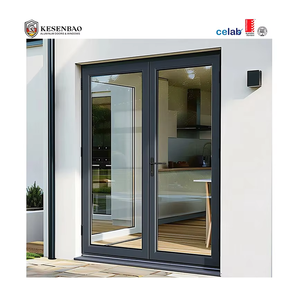
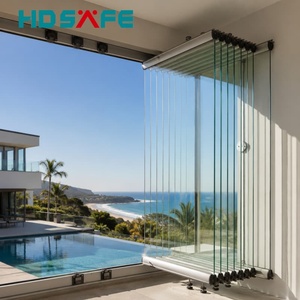
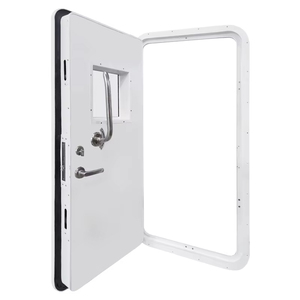
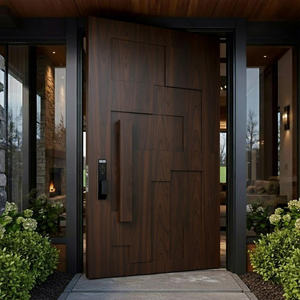
Architectural Whitepaper: CE Marking Compliance for Openable Aluminum Windows
In global commercial and high-end residential construction, procuring openable window assemblies requires rigid compliance with international safety and energy directives. For European Union imports and global projects adhering to Eurocode frameworks, CE Certification under standard EN 14351-1 (Windows and doors - Product standard, performance characteristics) serves as the baseline technical requirement for structural integrity, air tightness, and thermal isolation.
As a primary exporter and manufacturing specialist operating out of Foshan, China, Zenic Window & Door Technology Co., Ltd. integrates strict metallurgical and assembly protocols to guarantee that every openable casement, tilt-and-turn, and top-hung window unit satisfies these multi-faceted performance vectors.
1. EN 14351-1 Technical Performance Metrics
When evaluating a CE-certified openable window factory, procurement directors and façade engineers must verify five critical physical metrics during laboratory mock-up testing:
| Performance Vector | EN Standard Reference | Achieved Zenic Class Standard | Engineering Implication |
|---|---|---|---|
| Air Permeability | EN 12207 | Class 4 (600 Pa) | Eliminates draft infiltration, minimizing HVAC energy loads in extreme hot/cold climates. |
| Water Tightness | EN 12208 | Class E1050 (1050 Pa) | Prevents moisture entry during severe tropical storms and driven rain events. |
| Wind Load Resistance | EN 12210 | Class C5 / B5 (2000 Pa) | Ensures structural deflection remains within L/300 limits under peak hurricane-force pressure. |
| Acoustic Performance | EN ISO 717-1 | Rw (C; Ctr) = 42 (-1; -4) dB | Attenuates low-frequency urban traffic and aircraft noise using laminated acoustic double-glazing. |
| Thermal Transmittance | EN ISO 10077-2 | Uw ≤ 1.1 W/m²K | Lowers building carbon footprint via multi-chamber polyamide thermal breaks and Low-E argon IGUs. |
2. Metallurgical Precision & Polyamide Thermal Break Technology
The structural backbone of any CE-certified openable window relies on raw material purity. ZENIC utilizes exclusively primary 6063-T5 aluminum alloy extrusions with a wall thickness exceeding 2.0 mm for structural sashes, eliminating the risk of micro-fractures common in recycled scrap aluminum. The alloy exhibits a minimum tensile strength of 170 MPa and yield strength of 130 MPa.
Thermal bridging is neutralized through high-precision PA66-GF25 (25% glass-fiber reinforced polyamide) thermal break strips. Unlike cheaper PVC substitutes that degrade under UV radiation and extreme thermal cycling, PA66-GF25 matches the coefficient of thermal expansion of aluminum, ensuring long-term seal integrity without delamination over a 30-year operational lifecycle.
Global Procurement Trends in Architectural Fenestration (2025–2030)
The international building envelope sector is undergoing a structural transition driven by stringent carbon neutral targets, updated building codes (such as Europe's EPBD and North America's ASHRAE 90.1), and digitalized supply chains. Importers, wholesalers, and general contractors must align their sourcing strategies with three macro trends defining the next decade:
Decarbonization & EPD Transparency
Institutional developers now mandate Environmental Product Declarations (EPDs). Sourcing from factories that utilize hydro-powered extrusion units and recycled thermal barriers helps projects achieve LEED v4.1 and BREEAM Outstanding credits.
BIM Integration & Digital Twin Sourcing
Modern procurement bypassing simple PDF catalogs. Leading factories provide fully parameterized Revit and IFC BIM models. This allows architects to calculate solar heat gain coefficients (SHGC) directly within energy simulation software prior to PO issuance.
Direct-from-Factory Pre-Assembly Logistics
To minimize high on-site labor costs in Western Europe, Australia, and North America, buyers demand 100% pre-glazed, factory-crimped, and pre-drilled window sashes delivered in custom sea-worthy steel crates for rapid crane installation.
Product Innovation & Architectural Design Trends
Modern architectural aesthetics favor maximized daylighting, micro-sightlines, and seamless indoor-outdoor transitions without sacrificing structural stiffness or security. Zenic Window & Door Technology Co., Ltd. continuously invests in R&D to incorporate these advancing hardware and profile innovations into our core product line:
Concealed Hardware & Ultra-Slim Sightlines
Traditional openable windows often feature exposed friction stays and bulky hinge leaves that disrupt clean interior aesthetics. Next-generation openable casement and tilt-and-turn windows utilize fully concealed 180-degree heavy-duty hinges engineered to support sash weights up to 180 kg. Profiles are configured with sightlines as thin as 45 mm, maximizing glazed surface area while maintaining multi-point locking perimeter pins for burglar resistance (PAS 24 / RC2 class certified).
Smart Actuation & Micro-Ventilation Systems
In modern commercial towers and smart residential villas, openable windows are increasingly integrated into building management systems (BMS). Automated chain actuators connected to wind, rain, and CO2 sensors trigger micro-ventilation modes automatically. ZENIC's smart lift and openable casement windows feature hidden conduit pathways within the aluminum profile geometry, allowing clean electrical wiring integration without unsightly external cables.
Triple-Sealed EPDM Gasket Technology
Rubber seal degradation is the primary cause of air leakage over time. We replace standard PVC gaskets with continuous vulcanized EPDM (Ethylene Propylene Diene Monomer) triple-gasket arrays. Featuring corner vulcanization joints, these gaskets maintain elasticity under thermal fluctuations ranging from -40°C to +120°C, delivering uninterrupted weatherproofing across decades of exposure.
Factory Superiority: Why Partner with ZENIC (Foshan Industrial Hub)
Headquartered in Foshan, Guangdong—the world's most dense ecosystem for high-precision aluminum extrusion and fenestration hardware—Zenic Window & Door Technology Co., Ltd. provides distinct structural advantages for international enterprise partners:
20,000 m² Manufacturing Footprint
Housing automated CNC double-head cutting saws, automated 45-degree hydraulic corner crimpers, and continuous glazing lines under strict ISO 9001 management.
Custom OEM & ODM Capabilities
Full profile die creation, custom architectural powder coating (Qualicoat Class 2 / AkzoNobel fluorocarbon), anodizing, and authentic wood-grain heat transfer finishes.
100% Factory Inspection Gate
Every unit undergoes corner diagonal measurement, hardware cycle testing, pressure chamber water tightness verification, and laser glass alignment prior to crate packaging.
15-Day Expedited Lead Time
Agile supply chain execution allows standard profile processing and assembly within 15 days from final shop drawing sign-off, shipping FOB Foshan or Shenzhen port.
Frequently Asked Questions for Window Procurement & Export
Here are detailed technical responses to common questions raised by developers, architects, and importers during window schedule reviews:
Request Technical Specifications & Project Quotation
Submit your architectural window schedule or project floor plans. Our senior fenestration engineers will provide shop drawings, thermal calculations, and competitive FOB/CIF pricing within 24 hours.
Inquire Now