Featured Aluminum Window & Door Systems
Explore our export-certified architectural systems manufactured in Foshan, China. Built to pass rigorous international standards for thermal, structural, and acoustic compliance.
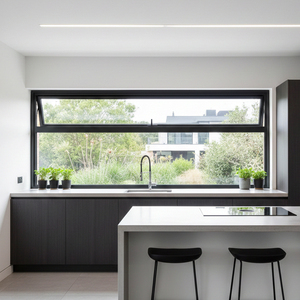
Modern Double Glazing Aluminum Awning Window for Villa Homes Manual Aluminum Storefront Windows for North American Markets
Contact Us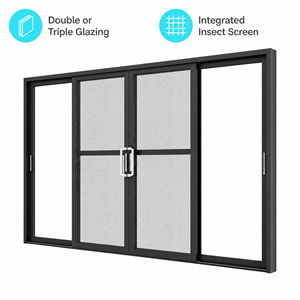
Custom Aluminum Sliding Partition Door With Built in Fly Screen Double Glazed for Balcony Bedroom Villa Residence
Contact Us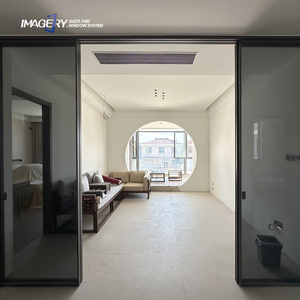
Simple Design Extremely Narrow Frame Aluminum Sliding Door Wide View For Kitchen Living Room
Contact Us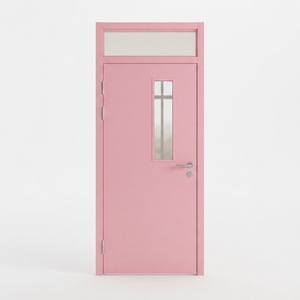
Fire Rated Aluminium Alloy Fireproof Interior Door With Contemporary Design For Residential Hospital Villa Use-Fire Prevention
Contact Us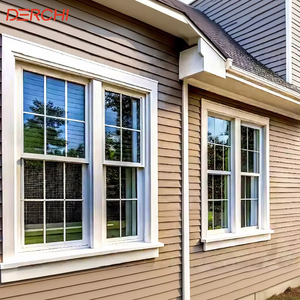
Modern Double Hung Aluminium Alloy Window Small Size Vertical Slide Design New Construction Waterproof Hung Windows for Home
Contact Us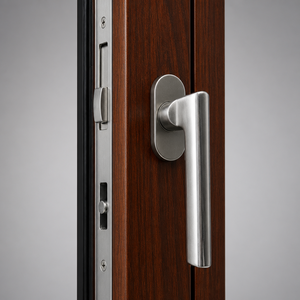
Arched Aluminum Clad Wooden Modern Window Sunburst Fanlight Thermal Break Composite Double Pane Tempered Glass Bedroom Villa 5
Contact Us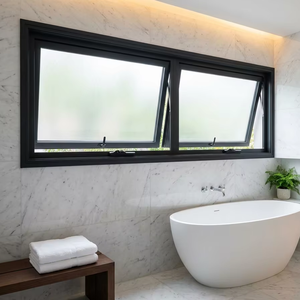
Small Frosted Glass Aluminium Awning Window for Bathroom Privacy, Black Powder Coated Top Hung Window with Screen
Contact Us
Italy Brand Aluminum Door And Window Frames For Bathroom Cabinets For Windows And Doors Kitchen Cabinet
Contact UsArchitectural Technical Whitepaper: Engineering Next-Generation Aluminum Pocket Doors
Modern architectural design increasingly demands fluid spatial transitions, maximised floor plates, and immaculate visual aesthetics. As developers, tier-one main contractors, and architectural specifiers evaluate internal partition mechanics, the architectural pocket door system—also known as a cavity slider—has emerged as an essential fenestration strategy. By concealing the sliding sash entirely within the wall cavity upon opening, pocket doors eliminate the rotational clearance envelope required by traditional hinged doors, reclaiming approximately 8 to 10 square feet of usable floor area per opening.
As China’s premier aluminum pocket door supplier and exporter, Zenic Window & Door Technology Co., Ltd. (operating from Foshan, Guangdong) merges precise metallurgical extrusion technology with advanced hardware engineering. Modern pocket door systems must overcome historical vulnerabilities associated with early timber pocket frames, such as wall stud flexing, cavity jamming, acoustic leakage, and hardware deterioration within inaccessible wall structures. Our engineering framework resolves these challenges through structural 6063-T5 aluminum extrusions, precision top-hung roller track assemblies, and serviceable hardware configurations.
1. Metallurgy & Profile Structural Integrity
The foundation of a reliable pocket door cavity system lies in its structural profile geometry. Standard architectural timber frames are prone to warping under humidity fluctuations, resulting in sash-to-cavity friction and operational failure. ZENIC utilizes virgin 6063-T5 aluminum alloy extrusions engineered with a wall thickness ranging from 2.0 mm to 3.0 mm. Unlike commercial-grade recycled aluminum profiles, virgin billet extrusions guarantee uniform structural density, superior tensile strength, and exceptional surface flatness.
For exterior-facing or thermal boundary pocket door systems, our profiles integrate high-performance Polyamide (PA66GF25) thermal break strips. This mechanical barrier prevents thermal bridging, ensuring that project specifications meeting stringent energy codes—such as NFRC in North America, CE in Europe, and AS2047 in Australia—are satisfied effortlessly.
Precision Extrusion
6063-T5 virgin aluminum profile geometry engineered to withstand high wind loads and structural deflection without cavity bind.
Surface Resilience
Qualicoat-certified powder coating, fluorocarbon (PVDF) spraying, and anodized surface finishes engineered for marine and coastal exposure.
Acoustic Dampening
Multi-layer EPDM continuous perimeter seals combined with insulated glass units (IGU) delivering sound reduction up to 38 dB.
Technical Specifications Matrix for Global B2B Procurement
To assist structural engineers, commercial buyers, and project estimators during the specification phase, the following technical data outlines the baseline mechanical and environmental parameters of ZENIC's aluminum pocket door and cavity window systems:
| Performance Parameter | Standard Specification | High-Performance / Heavy-Duty Option | International Standard Compliance |
|---|---|---|---|
| Extrusion Alloy | Virgin 6063-T5 Aluminum | Structural 6060-T6 / Heavy Wall | GB/T 5237, ASTM B221 |
| Profile Wall Thickness | 1.6 mm - 2.0 mm | 2.2 mm - 3.0 mm Reinforced | AAMA 101 / WDMA / CSA |
| Thermal Insulation (U-Value) | 1.8 - 2.2 W/m²K (Standard Break) | ≤ 1.1 W/m²K (PA66 Low-E Triple Pane) | NFRC 100/200, EN ISO 10077 |
| Acoustic Performance (Rw) | 28 dB - 32 dB | 35 dB - 42 dB (Acoustic Interlayer) | ISO 717-1, ASTM E413 |
| Max Sash Weight Capacity | 120 kg per leaf | 250 kg Heavy-Duty Carriage | BS EN 1527 Cycle Tested |
| Hardware Cycle Life | 100,000 Operational Cycles | 200,000+ Cycles (Dual Soft-Close) | ANSI/BHMA A156.14 |
| Surface Coating Thickness | Powder Coating ≥ 60 μm | PVDF Fluorocarbon ≥ 40 μm / Anodized 25 μm | AAMA 2604 / 2605, Qualicoat |
Advanced Hardware Mechanics & Structural Cavity Integration
2. Top-Hung Carriage Mechanics & Zero-Clearance Tracks
The operational longevity of an aluminum pocket door relies almost exclusively on its top-hung track mechanism. Floor-guided sliding systems are historically vulnerable to dirt accumulation, obstruction, and aesthetic disruption. ZENIC’s structural engineers have perfected a top-hung, bottom-guided carriage configuration that suspends the entire door panel weight from an overhead aluminum beam.
Our heavy-duty roller carriages utilize carbon steel ball bearings encapsulated within self-lubricating high-density polyoxymethylene (POM) wheels. This combination minimizes rolling friction, providing smooth, whisper-quiet gliding motion even for oversized glazed panels weighing up to 250 kilograms. To prevent panel chatter and sway, a concealed, floor-flush guide pin operates inside a milled channel at the bottom of the sash, maintaining precise axial alignment without creating a trip hazard or visual interruption on continuous floor finishes.
3. Integrated Dual Soft-Close & Anti-Jumping Systems
To eliminate impact noise and prevent frame deformation caused by forceful manual closing, ZENIC integrates a two-way hydraulic dampening soft-close system within the upper track mechanism. As the door panel approaches either the fully extended or fully pocketed position, the carriage engages a heavy-duty hydraulic damper, smoothly decelerating the sash over the final 50 mm of travel.
Additionally, an integrated anti-jumping mechanism prevents the roller wheels from dislodging from the upper track during aggressive operation or seismic shifts. Critical for commercial installations, the upper track frame features a removable maintenance access panel. This allows facilities personnel to service, adjust, or replace hardware components without breaking through drywall or altering structural masonry.
Precision Carriage
Quad-wheel POM rollers with sealed stainless bearings tested for over 200,000 smooth cycles without maintenance.
Sub-Floor Drainage
Concealed weep hole channels and pressure-equalized frame designs prevent water ponding in exterior-facing applications.
Multi-Point Security
European multi-point locking gear integrated into concealed edge stiles, delivering superior forced-entry resistance.
Future Procurement & Strategic Sourcing Trends (2025–2030)
As global supply chains normalize and real estate developers prioritize sustainability, energy performance, and fast-track construction methods, the international procurement landscape for aluminum windows and pocket doors is shifting rapidly. B2B buyers must align their sourcing strategies with four dominant macro trends:
1. Rise of Minimalist Frameless & Flush Architectural Aesthetics
Architects worldwide are increasingly specifying "invisible fenestration"—sliding wall and pocket systems with ultra-slim interlocks (sightlines as narrow as 18 mm to 25 mm) and fully concealed outer frames. Pocket doors are no longer treated simply as utilitarian room dividers; they are specified as full-height, ceiling-integrated architectural moving walls. Suppliers capable of extruding high-stiffness alloy systems that conceal jambs and tracks within drywall envelopes are winning high-value luxury residential and resort contracts.
2. Shift Toward Pre-Assembled Modular Cavity Kits
On-site labor costs in North America, Western Europe, and Australasia continue to escalate. Consequently, general contractors are rejecting traditional job-site framed pocket cavities made of loose metal studs or timber. The market is shifting decisively toward factory-engineered, modular aluminum pocket cavity frame kits. These pre-engineered frameworks are assembled in minutes on-site, guaranteeing structural squareness, precise cavity dimensions, and zero risk of internal screw penetration damaging the sliding panel.
3. Stringent Energy Codes & Acoustic Isolation Mandates
Urban density demands higher acoustic isolation between interior zones (e.g., home offices, media rooms, adjacent hotel suites), while modern building codes enforce lower overall envelope U-values. The industry is moving away from uninsulated single-glazed partition doors toward thermally broken, double-glazed acoustic pocket systems. Incorporating perimeter magnetic weatherstripping, drop-down automatic acoustic bottom seals, and laminated acoustic glass, modern pocket systems now deliver sound attenuation values exceeding 38 dB.
4. Demand for Fully Automated Smart Pocket Systems
Smart home automation and universal accessibility standards (such as ADA compliance in North America) are driving demand for motorized aluminum pocket doors. Embedded low-voltage brushless DC motors, sensor arrays, and push-button activation allow heavy glass panels to slide effortlessly into cavity walls. Chinese manufacturers who integrate smart control boards, safety obstruction sensors, and manual override capabilities into baseline profile designs hold a clear competitive advantage.
Factory Strengths & Manufacturing Excellence: Why Partner with ZENIC
Zenic Window & Door Technology Co., Ltd. is positioned at the epicenter of global aluminum window and door manufacturing in Foshan, Guangdong. Over the past 15+ years, we have built a fully integrated supply chain, engineering infrastructure, and quality control methodology designed specifically for international B2B export projects.
20,000 m² Manufacturing Facility
Housing automated CNC cutting centers, double-head precision mitering saws, automated corner crimping lines, and dedicated assembly stations under one roof.
In-House Technical Engineering
Our dedicated drafting team translates architectural plans into precise shop drawings, CAD/BIM models, and structural calculation reports prior to extrusion cutting.
Export Footprint in 40+ Countries
Proven track record supplying high-end luxury villas, multi-family residential towers, hospitality resorts, and commercial storefronts across 5 continents.
Seaworthy Export Cratage
Fully enclosed fumigation-free plywood crates, combined with EPE protective foam wrap and corner protectors, ensuring zero glass breakage upon container discharge.
Comprehensive Testing Protocols
Every lot undergoes stringent dimensional tolerance checks, coating thickness verification, hardware operation testing, and water tightness trials before packing.
OEM & ODM Customization
Full support for private labeling, custom profile die development, specialized hardware integration, and project-specific RAL color matching.
Frequently Asked Questions (FAQ) for Overseas B2B Buyers
Below are detailed responses to common technical, logistical, and commercial inquiries encountered during the procurement of aluminum pocket doors and system fenestration from China.
What is the minimum order quantity (MOQ) for ZENIC aluminum pocket doors and windows?
Our standard Minimum Order Quantity (MOQ) starts at 50 units or 100 square meters per project specification. We fully understand that commercial developments and custom luxury residences require mixed product typologies. Therefore, clients can combine different window and door types—such as pocket doors, thermal break casement windows, narrow-frame sliding doors, and awning windows—within a single consolidated container order to fulfill the MOQ threshold.
What is the standard production lead time and export delivery process?
Our standard production lead time ranges from 15 to 25 calendar days, initiated upon formal shop drawing approval and receipt of the advance deposit. Production schedules vary based on order volume, special surface finishes (e.g., custom wood-grain transfer or custom RAL colors), and specialized glass configurations (e.g., triple-pane laminated low-E glass). Freight is shipped FOB Foshan or FOB Shenzhen. We also coordinate CIF, DDP, and DAP logistics with trusted international shipping lines.
How do you ensure structural integrity and smooth operation for heavy glass pocket panels?
We engineer our pocket door sash frames using thick-walled (2.0 mm to 3.0 mm) 6063-T5 aluminum extrusions reinforced with corner crimping and structural two-component corner adhesives. For heavy double-glazed sashes exceeding 150 kg, we employ top-suspended structural tracks made of heavy-duty anodized aluminum paired with dual-quad roller assemblies featuring sealed stainless-steel bearings. This structural design prevents frame sag, sash twisting, and cavity binding.
Can hardware on pocket doors be serviced after drywall installation is complete?
Yes. A primary flaw in conventional pocket door frames is inaccessible hardware. ZENIC pocket systems feature an integrated, removable aluminum track cover and a end-stop access mechanism inside the head jamb. This design allows installers or maintenance staff to adjust door height tolerances, replace soft-close dampers, or adjust roller carriages without cutting into finished drywall or damaging wall coverings.
Which thermal performance values (U-Factor) can ZENIC thermal break pocket systems achieve?
By incorporating 24 mm to 34 mm Polyamide (PA66GF25) thermal isolation bars, warm-edge spacer technology, and double or triple Low-E argon-filled glass units, our thermally broken aluminum pocket doors achieve U-values as low as 1.1 W/m²K (0.19 BTU/h·ft²·°F). This meets or exceeds energy efficiency regulations across North America (ENERGY STAR / NFRC), Europe (CE standards), and Australia (AS2047 / WERS).
Do you offer custom profile extrusions, custom colors, and OEM branding for distributors?
Absolutely. We operate a full OEM/ODM manufacturing framework. We routinely produce custom profile extrusion dies based on client CAD designs, supply customized powder-coated finishes across the full RAL color spectrum, offer Italian timber-grain heat transfers, and apply private-label protective films and custom packaging logos for regional distributors, fabricators, and brand owners.