Featured Fire-Rated & Architectural Aluminum Systems
Explore our certified export series of thermal break, hurricane impact, anti-theft, and fire-resistant aluminum door and window systems engineered in Foshan, China.
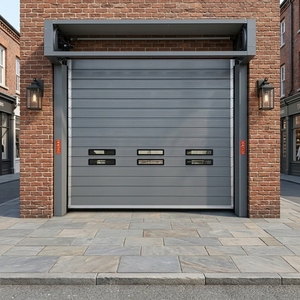
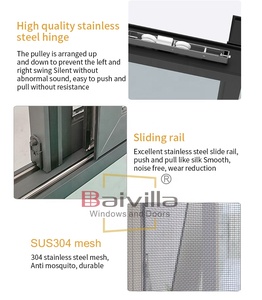
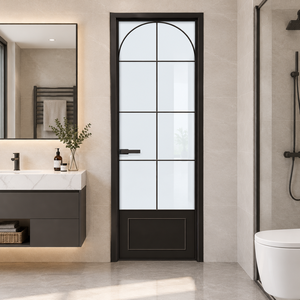
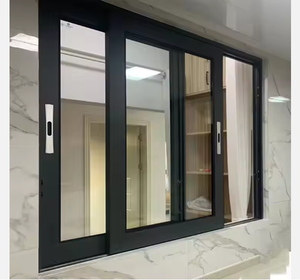
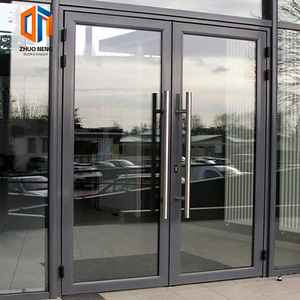
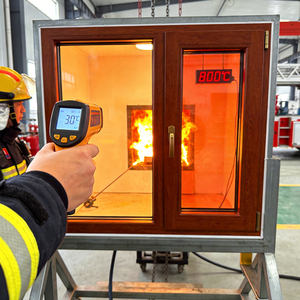
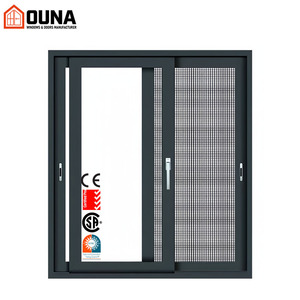
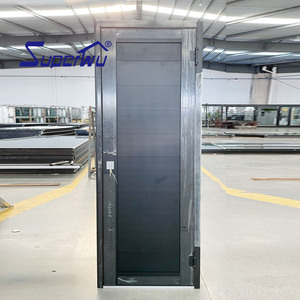
Navigating China's Top Aluminium Fire Doors Factories
In modern architectural design, the integration of passive fire protection with sleek visual aesthetics is a mandatory requirement for commercial high-rises, healthcare facilities, luxury hospitality, and public infrastructure. China, specifically the Foshan fenestration cluster in Guangdong province, has established itself as the global epicenter for precision engineered aluminium fire doors and fire-rated glazed curtain wall systems.
Structural Integrity vs Thermal Insulation (E vs EI Ratings)
When evaluating top China aluminium fire door factories, specifiers must distinguish between Class E (Integrity - preventing flame pass-through) and Class EI (Integrity + Insulation - blocking dangerous radiant heat transfer). Leading Foshan manufacturers utilize multi-chamber T6 grade extruded aluminum combined with ceramic core fillings to maintain structural rigidity under 1000°C+ thermal stress for 30 to 120 minutes.
Advanced Intumescent Gasket Engineering
Premium factory systems incorporate continuous EPDM rubber seals combined with graphite-based intumescent strips along the frame perimeter. Upon exposure to temperatures exceeding 180°C, these intumescent strips rapidly expand up to 25 times their original volume, hermetically sealing all micro-gaps to block toxic smoke, hot gases, and fire migration.
Material Architecture: Aluminum Fire Doors vs Traditional Steel Fire Doors
Historically, steel was the standard material for fire-rated barriers due to its high melting point. However, contemporary architectural demands for daylighting, narrow sightlines, corrosion resistance, and spatial transparency have driven the rapid adoption of specialized fire-rated aluminum profile systems. Below is an engineering comparison matrix reflecting technical parameters verified in international test laboratories (EN 1634-1, BS 476 Part 22, UL 10C):
| Performance Metric | Architectural Aluminium Fire Doors | Traditional Steel Hollow Doors | Engineering Gain / Advantage |
|---|---|---|---|
| Fire Ratings (EN 1634-1) | EI30, EI60, EI90, EI120 (Glazed) | E30 to E180 / EI120 (Solid/Small Glass) | Provides 85%+ visual transparency without sacrificing insulation |
| Profile Depth & Sightline | 65mm – 110mm Ultra-Slim Profile | 120mm – 150mm Heavy Bulky Frame | Maximizes indoor natural lighting and modern architectural elegance |
| Corrosion Resistance | Superior (Anodized / Fluorocarbon Powder) | Prone to rust at weld joints and bottom edges | Zero maintenance in coastal, humid, or harsh chemical environments |
| Acoustic Insulation (STC) | 38 dB – 48 dB (Double/Triple Gel IGU) | 28 dB – 35 dB (Rockwool filled core) | Dual-benefit acoustic dampening for luxury commercial spaces |
| Thermal Transmittance (U-Value) | Down to 1.1 W/m²K (Thermal Break PA66) | 2.2 – 3.5 W/m²K | Significantly reduces HVAC energy load in green buildings |
Future Sourcing & Procurement Trends for Global Buyers
As global building codes adopt stringent net-zero carbon rules alongside elevated life-safety standards, procurement directors and project architects must align with factories capable of delivering multi-attribute fenestration systems.
1. Multi-Certification Harmonization
International buyers no longer accept single-market test reports. China's top factories now hold cross-border certifications combining British Standard (BS 476), European Norm (EN 1634), American UL 10C, and Australian AS2047/AS1530 standards on identical extrusion profiles.
2. Smart Building Access Integration
Modern fire doors are evolving into active security components. Future procurement trends favor aluminum frames equipped with concealed electromagnetic hold-open devices, drop-down automatic floor seals, and signal interfaces connected to central Fire Alarm Control Panels (FACP).
3. Low-Carbon Aluminum Billets
With LEED v4.1 and BREEAM certifications dictating material choices, leading Chinese suppliers utilize hydro-powered prime 6063 aluminum billets with certified Environmental Product Declarations (EPD) to minimize embodied carbon in commercial facades.
What Distinguishes Top Chinese Aluminium Fire Door Manufacturers?
Sourcing direct from Foshan requires rigorous verification of production infrastructure, raw material traceability, and Quality Assurance (QA) protocols. A tier-one factory operates under a unified industrial framework designed for export-grade precision:
• CNC Precision Machining & Corner Crimping
Fire-rated aluminum profiles require zero-tolerance joinery. High-precision 4-axis CNC milling centers prepare lock pockets and hinge recesses, followed by hydraulic corner crimping infused with two-component structural polyurethane fire adhesives.
• In-House Fireproof Gel-Filled Glass Processing
The core component of a glazed fire door is its safety glass. Leading factories process insulated glass units (IGU) containing transparent nano-silicate or potassium silicate intumescent interlayers that remain clear during normal daylight but expand into a rigid foam heat shield under fire conditions.
• Hardware Synergy & Panic Hardware Integration
Fire doors are only as reliable as their moving parts. Export-oriented plants pre-fit certified stainless steel heavy-duty ball-bearing hinges, panic exit push bars (UL listed), automatic door closers (EN 1154 rated), and high-load concealed bottom seals prior to crating.
• Sea-Worthy Export Crating & Logistics Protection
To safeguard factory-glazed fire assemblies across long ocean transit, units are wrapped in 5-layer protective foam, edge-shielded with high-density corner guards, and sealed inside fumigation-free solid plywood crates engineered for fork-lift unloading.
Frequently Asked Questions (FAQ) for Global Importers
Clear engineering answers to common procurement, compliance, and technical questions asked by project developers, contractors, and fenestration wholesalers.
What is the difference between Class E and Class EI fire-rated aluminum doors?
Class EI (Integrity + Insulation) fire doors provide both flame containment AND thermal insulation. The unexposed side of an EI door will not exceed an average temperature rise of 140°C above ambient, preventing combustible materials in escape routes or adjacent rooms from spontaneously igniting. High-end commercial projects usually require EI rating.
Can aluminum profile fire doors achieve a 120-minute (EI120) fire rating?
What is the typical minimum order quantity (MOQ) and production lead time?
How do Chinese fire door factories handle compliance certification for local building codes?
What hardware options can be integrated into factory-assembled aluminum fire doors?
Are fire-rated aluminum doors suitable for exterior hurricane-impact zones?
Request CAD Engineering Drawings & Factory Direct Quotations
Consult with our structural engineers today. Share your door schedule, project elevations, or fire rating requirements for a complete technical proposal within 24 hours.
Send an Inquiry