Structural Precision & Architectural Performance in Half Glass Door Systems
As global architectural standards shift toward maximum natural daylighting coupled with acoustic privacy and thermal isolation, aluminium half glass doors have emerged as a critical fenestration component across high-end residential, commercial, and hospitality projects. China’s fenestration manufacturing ecosystem—anchored in Foshan, Guangdong—produces over 60% of the world's commercial aluminium profile door assemblies. This whitepaper provides commercial procurement teams, developers, and facade engineers with deep technical analysis, procurement benchmarks, compliance guidelines, and product recommendations to optimize international supply chains.
Featured Aluminium Half Glass & Glazed Door Systems
Explore eight top-tier engineered aluminium door and window systems sourced directly from China’s leading manufacturing facilities. Designed to meet North American (NFRC/AAMA), European (CE), and Australian (AS2047) code compliance.
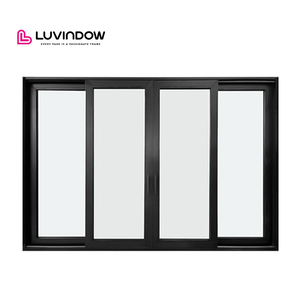
America Standard Super Large Sliding Glass Doors Aluminum Frame Triple Glass Stacking Lift Sliding Doors
Send an Inquiry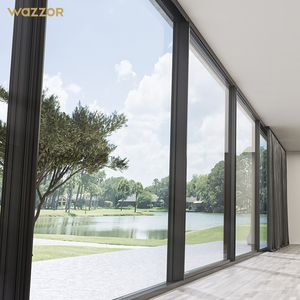
Wazzor Modern Double Glazed Aluminium Frame Slide House Windows Aluminum Sliding Door Factory Competitive Price for Australian
Send an Inquiry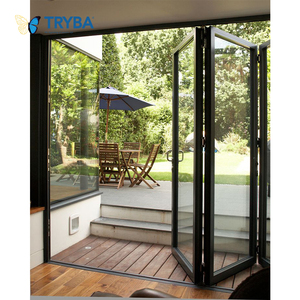
Modern Design Outdoor Aluminum Folding Patio Doors Economic Accordion Style With Multi-Locking Vertical Bi-Fold Screen
Send an Inquiry
Australian Standard China Top Suppliers Aluminium Frame Waterproof Double Glazed Lift Sliding Glass Doors And Windows For Home
Send an Inquiry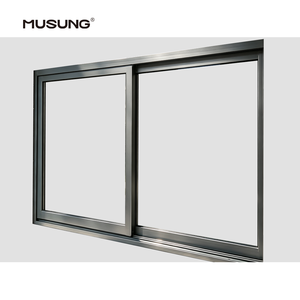
Modern High-End Aluminum Sliding Glass Doors Custom Exterior Entrance Doors For Villa House Hotel Living Room
Send an Inquiry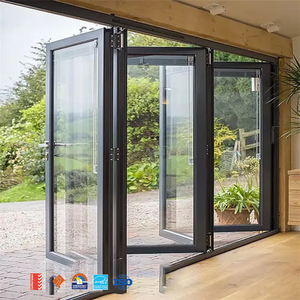
AMJ Heavy Duty Coastal Glass Commercial Aluminum windows and Doors Patio Folding Glass Door Double Glazed Glass Bifold Doors
Send an Inquiry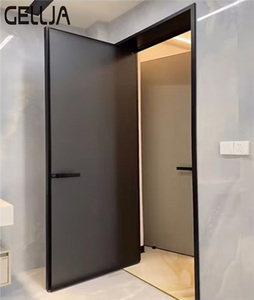
Metal Door Frame Doors Modern Indoor Contemporary Style Aluminium Alloy Showerroom Casement Glass Door Suitable for Hotels
Send an Inquiry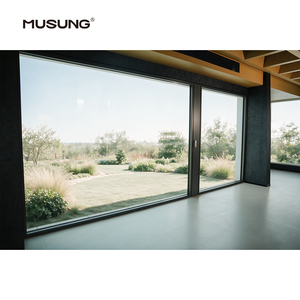
Ultra Large View Aluminum Windows for Houses Heat Insulated Soundproof Micro Ventilation Window
Send an InquiryTechnical Breakdown of Aluminium Half Glass Door Systems
An aluminium half glass door combines a solid bottom panel (kick plate or insulated aluminum louvre panel) with an upper vision lite housing insulated tempered glass. This dual-structure design offers unique structural and functional advantages over full-lite glass doors.
Profile Extrusion Alloy
Primary structural profiles are manufactured using 6063-T5 or 6063-T6 architectural grade aluminium alloys. Profile nominal wall thicknesses range from 2.0mm to 3.0mm to withstand extreme wind pressures up to 5000 Pa in high-rise and coastal installations.
Polyamide Thermal Isolation
Equipped with PA66-GF25 (25% fiberglass reinforced polyamide) thermal break strips. This mechanical break prevents thermal bridging between exterior ambient temperatures and interior conditioned space, lowering frame thermal transmittance dramatically.
Glass Units & Glazing Options
Configured with double or triple insulated glass units (IGU), featuring Low-E coatings, argon gas fill, and warm-edge spacers (e.g., 6mm Low-E + 12Ar + 6mm Clear Tempered). Acoustic PVB laminated glass is specified for urban sound attenuation.
Technical Specification Benchmark Matrix
| Performance Parameter | Standard Specification | High-Performance / Coastal Grade | Testing Standard |
|---|---|---|---|
| Profile Alloy Grade | 6063-T5 (1.8mm - 2.0mm) | 6063-T6 (2.5mm - 3.0mm) | ASTM B221 / GB 5237 |
| Thermal Transmittance (U-Value) | 1.8 - 2.2 W/m²K | 1.1 - 1.4 W/m²K | ISO 10077-2 / NFRC 100 |
| Air Infiltration / Permeability | Class 3 (75 Pa) | Class 4 (600 Pa / 0.05 cfm/ft²) | EN 12207 / ASTM E283 |
| Water Penetration Resistance | 450 Pa | 900 Pa (Static & Dynamic) | EN 12208 / ASTM E331 |
| Acoustic Insulation Rating | Rw 32 dB - 35 dB | Rw 42 dB - 45 dB | ISO 717-1 / ASTM E413 |
| Surface Coating Protection | Powder Coating (60-80μm) | PVDF Fluorocarbon (3-Coat >40μm) | AAMA 2605 / Qualicoat Class 3 |
Future Sourcing & Procurement Trends in Aluminium Half Glass Doors
Global procurement directors and project architects face changing environmental regulations, strict energy building codes (such as ASHRAE 90.1 and Title 24), and evolving architectural aesthetics. Key market developments driving the selection of top Chinese suppliers include:
- Ultra-Narrow Sightline Integration: Transition from heavy 90mm sash frames to micro-slim 20mm-35mm structural sightlines with embedded kick-panels.
- Bioclimatic & Smart Access Readiness: Integration of hidden multi-point electronic locking, motorized lift-and-slide actuators, and biometric access controls.
- Low-Carbon Aluminium Billets: Increased demand for certified green aluminium extruded using hydro-power energy to lower Scope 3 carbon emissions.
- Modular Pre-Assembled Units: Shift from knock-down (KD) shipping to fully assembled, factory-glazed units to reduce job-site labor costs in Western markets.
Sourcing Risk Mitigation Checklist
When evaluating Chinese suppliers for high-volume door orders, ensure your Quality Assurance Plan (QAP) mandates the following pre-shipment benchmarks:
Why Foshan Suppliers Lead the Global Fenestration Market
Our manufacturing infrastructure in Foshan, China combines state-of-the-art European CNC machinery with strict quality management systems (ISO 9001). We offer comprehensive OEM/ODM services tailored to developers, facade sub-contractors, and distributors.
Precision CNC Machining
Automated 5-axis CNC machining centers execute milling, drilling, and lock-pocket cutting with dimensional tolerances under ±0.1mm, ensuring seamless hardware integration.
Certified Global Testing
System lines are third-party tested and accredited to NFRC, CE, AS2047, CSA, and AAMA standards. Complete test documentation and shop drawing packages provided for architectural submittals.
Export Packaging & Logistics
Custom fumigation-free plywood crates with fully wrapped EPE foam, corner protective sleeves, and vacuum desiccant bags guarantee zero moisture corrosion or glass damage during ocean transit.
Frequently Asked Sourcing & Technical Questions
What is the structural advantage of a half glass door over a full glass door?
Aluminium half glass doors feature a solid bottom kick panel (usually insulated aluminium plate or composite panel) combined with a glass upper lite. This structural configuration provides superior mechanical protection at floor level against foot traffic, equipment impact, and dirt splatter while allowing ample natural illumination through the top half. Furthermore, the lower aluminum panel enhances frame rigidity against racking forces in high-use commercial entryways.
What is the typical Minimum Order Quantity (MOQ) and production lead time?
For standard profile finishes (such as matt black, anodized silver, or traffic white powder coating), the minimum order quantity starts at 50 sets or combined project volumes of 100 m². Production lead times average 15 to 25 calendar days post shop-drawing sign-off and deposit receipt. Custom extrusion dies or custom RAL fluorocarbon finishes require an additional 10 to 14 days for die trial and color matching.
How do thermal break aluminium doors reduce building HVAC operating costs?
Standard solid aluminium profiles act as thermal conductors, transferring heat or cold rapidly into conditioned spaces. By inserting non-conductive polyamide (PA66-GF25) barrier strips between the interior and exterior aluminium extrusions, thermal transfer is interrupted. Combined with double or triple Low-E insulated glass units filled with Argon gas, overall frame U-values can drop from >5.0 W/m²K to below 1.2 W/m²K, cutting HVAC energy demand by up to 35%.
Can your door systems be customized for hurricane-prone or high wind-load regions?
Yes. We engineer heavy-duty impact-rated half glass door systems fitted with reinforced 3.0mm wall-thickness aluminum profiles, laminated storm-glass (such as 6mm Tempered + 1.52mm SGP / PVB + 6mm Tempered), and heavy-duty multi-point locking gear. These systems are tested to meet Florida Building Code (FBC) and ASTM E1886/E1996 missile impact and cyclic wind pressure standards.
What surface treatment is best for coastal or marine environments?
For coastal installations located within 3 km of saltwater, we strongly recommend PVDF (Polyvinylidene Fluoride) 3-coat fluorocarbon coatings conforming to AAMA 2605 or Class 2/3 Anodizing (>20 microns). These surface treatments withstand extreme UV exposure, high humidity, and airborne salt spray without chalking, blistering, or delaminating.
Request Factory Direct Quotation & Engineering Drawings
Planning a residential development, resort project, or wholesale distribution order? Send your architectural elevations or door schedule to receive direct factory pricing, CAD shop drawings, and structural calculations within 24 hours.
Send an Inquiry