Featured Standard Aluminium Doors & Systems
Explore our factory-direct export configurations, engineered with multi-chamber thermal breaks, EPDM triple gaskets, and high-load architectural hardware.
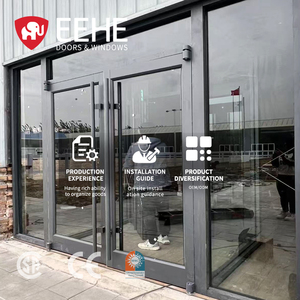
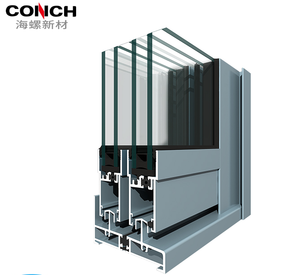
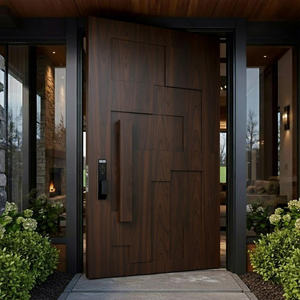
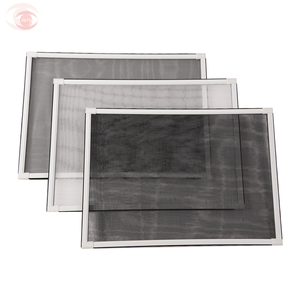
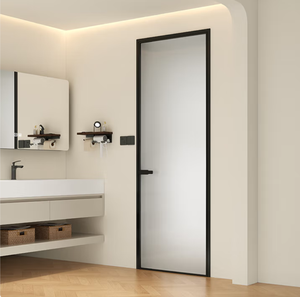
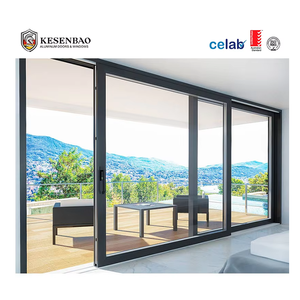
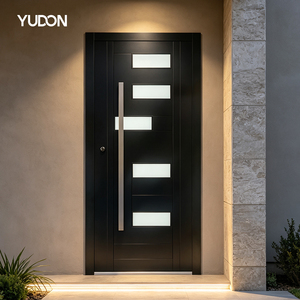
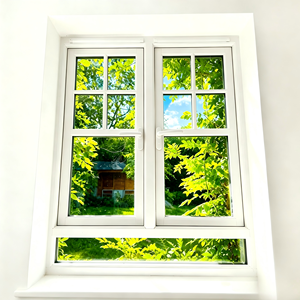
Navigating China's Aluminium Standard Door Ecosystem
Why leading global architects, commercial developers, and hardware importers select Foshan OEM manufacturers for critical facade and entrance engineering.
Global demand for high-performance architectural fenestration has elevated China—specifically the Foshan manufacturing cluster in Guangdong—to the epicenter of modern aluminium door and window production. As green building compliance standards tighten across North America, Europe, and the Middle East, commercial buyers must move beyond evaluating surface aesthetic criteria. Sourcing standard and custom aluminium door systems now demands a rigorous technical assessment of alloy purity, thermal break geometry, mechanical multi-point locking mechanisms, and certified weatherization barriers.
Chinese OEM/ODM factories lead global production output by combining raw material supply chain dominance with advanced automated fabrication. By utilizing prime grade 6063-T5 aluminum extrusions, state-of-the-art corner-crimping technologies, and high-performance polyamide thermal break strips (PA66GF25), top-tier Chinese manufacturers engineer standard door systems that easily fulfill stringent international build mandates such as North America’s NFRC/AAMA, Australia’s AS2047, and the European Union’s CE certification framework.
Alloy Purity & 6063-T5 Tempering
Top factories enforce 100% virgin billet smelting, eliminating recycled scrap contamination. Profile wall thicknesses (1.4mm to 2.5mm) strictly comply with structural wind load requirements up to 1,000 Pa.
Advanced Thermal Insulation
Integration of multi-chamber polyamide thermal strips lowers thermal transmittance to U-values as low as 1.1 W/m²K, significantly reducing operational HVAC loads in luxury residential and commercial structures.
Triple Gasket Weather Sealing
Using vulcanized EPDM continuous gaskets combined with corner-glued jointing prevents air filtration and water ingress even under severe coastal hurricane forces.
Why Partner with ZENIC Window & Door Technology
Integrated OEM/ODM manufacturing capability designed to turn architectural blueprints into high-precision, export-ready door units.
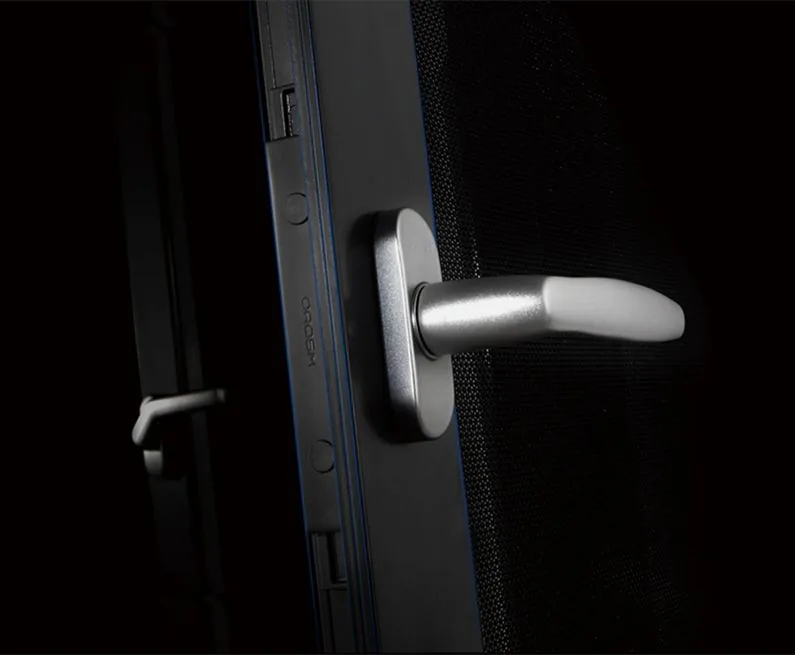
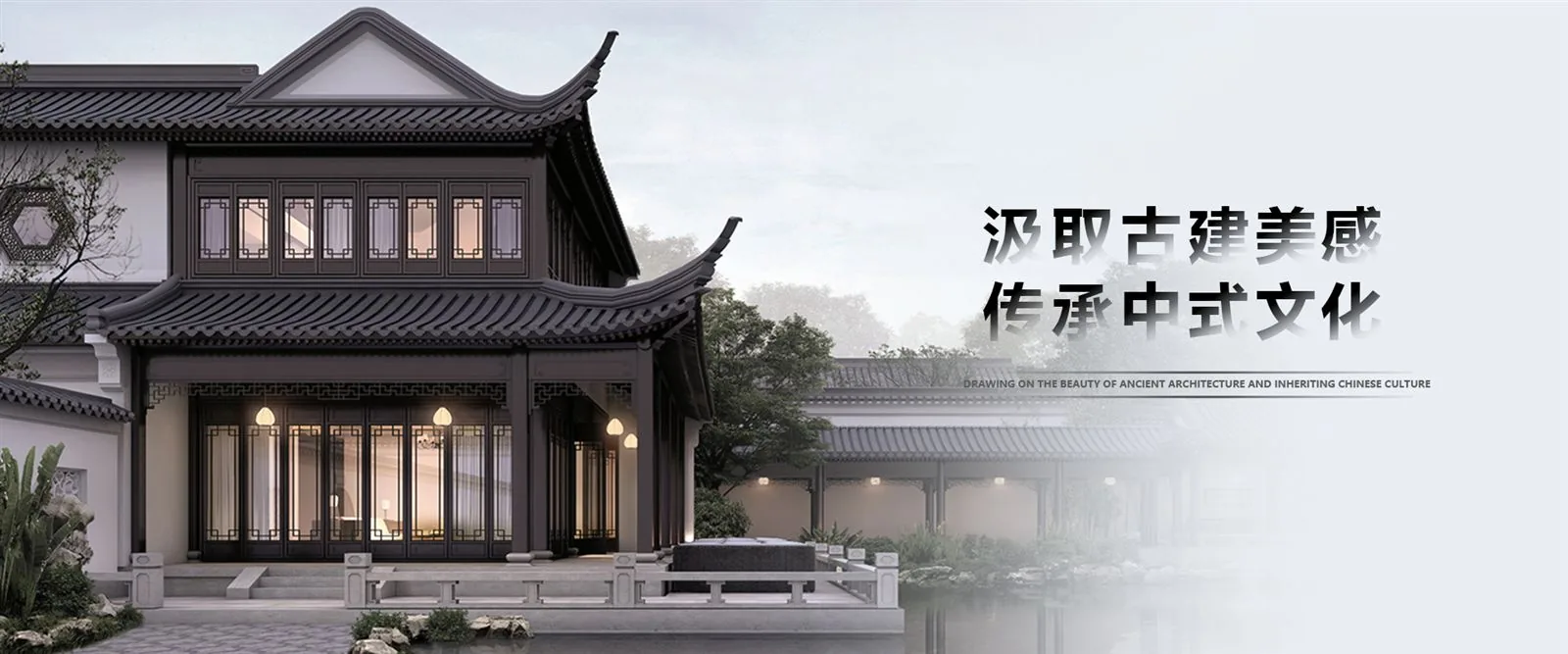
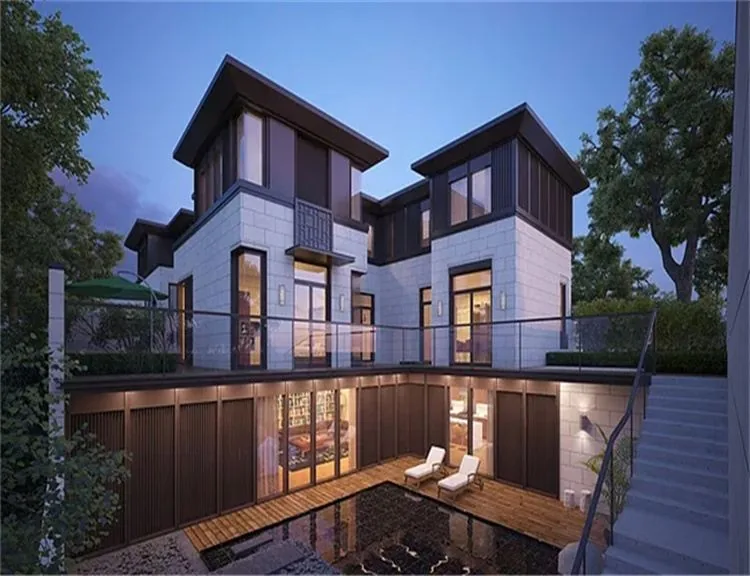
At ZENIC Window & Door Technology Co., Ltd., based in Foshan, China, our 20,000 square meter intelligent manufacturing facility is optimized specifically for international B2B project fulfillment. Operating over 15 automated production lines, we specialize in high-load heavy-duty sliding doors, minimal-frame panoramic entrance doors, tilt-and-turn units, luxury cast aluminium pivot doors, and bioclimatic louver structures.
Our competitive advantage rests upon our strict Quality Control (QC) protocols. Each batch of raw aluminium extrusions undergoes rigorous spectrographic testing before entering our automated CNC cutting centers. Structural frame corners are crimped with hydraulic precision and injected with two-component corner sealants to ensure absolute structural rigidity. Hardware fitment—ranging from multi-point anti-lift locking systems to German-engineered heavy-duty rollers—is cycle-tested up to 200,000 operations, guaranteeing long-term durability for high-traffic installations.
The ZENIC Factory Export Protocol
Engineering CAD Check
Bespoke shop drawings validated against regional wind-load and glass safety standard profiles.
CNC Precision Milling
Automated cutting and corner crimping to ±0.5mm structural tolerance limits.
IGU Assembly & Glazing
Tempered double/triple insulated glass with Argon gas filling and Low-E selective coatings.
Plywood Sea-Crating
Heavy-duty, fumigation-free timber crates with EPE shock absorption protective layers.
Standard Door Performance Benchmarks
Comparative analysis of standard aluminium door configurations for commercial and residential procurement.
| Door System Series | Frame Depth | Thermal Transmittance (U-Value) | Max Glass Thickness | Wind Load Rating | Certified Standards |
|---|---|---|---|---|---|
| Modern Heavy Duty Storefront | 83mm - 100mm | 1.6 - 1.8 W/m²K | 28mm Double IGU | 800 Pa / Class 4 | CE / ISO 9001 |
| Luxury Pivot Entrance System | 100mm - 120mm | 1.3 - 1.5 W/m²K | 36mm Triple IGU | 1200 Pa / Class 5 | NFRC / AAMA |
| AS2047 Balcony Stacker Sliding | 110mm - 150mm | 1.2 - 1.4 W/m²K | 32mm Double Low-E | 1500 Pa / Hurricane Grade | AS2047 / Australia |
| Ultra-Slim Villa Entrance Door | 65mm - 90mm | 1.1 - 1.3 W/m²K | 42mm Argon Triple Panel | 1000 Pa / Class 4 | Passivhaus Compliant |
Future Sourcing & Procurement Trends for Aluminium Doors
How upcoming carbon tariffs, smart building automation, and material science innovations are shifting global procurement strategies.
The global aluminium architectural door procurement landscape is experiencing a paradigm shift driven by stringent decarbonization mandates, such as the European Union’s Carbon Border Adjustment Mechanism (CBAM) and the global adoption of Net-Zero building codes. Importers, developers, and commercial specifiers must anticipate three major procurement trends shaping the industry through 2030:
1. Low-Carbon Recycled Aluminum Billet Sourcing
Commercial buyers are actively requiring Environmental Product Declarations (EPD) for raw materials. Top Chinese suppliers are adopting hydro-powered aluminium smelting and certified post-industrial recycled billets to reduce embodied carbon per square meter by up to 65%.
2. Smart Access & IoT Hardware Integration
Standard door profiles are evolving into intelligent entry hubs. Sourcing specifications now frequently mandate factory-concealed wiring channels, motorized magnetic levitation sliding locks, biometric recognition sensors, and automated climate-controlled actuator interfaces.
3. Ultra-Narrow Sightline Structural Systems
Architectural design continues to favor maximal daylight autonomy. Future procurement mandates structural framing systems with interlocking sightlines narrower than 20mm, supported by embedded sub-frames that maintain high thermal resistance and water tightness.
Global Aluminium Door Industry Development Trends
Key technological breakthroughs transforming factory production standards, surface treatments, and international compliance requirements.
The technical evolution of aluminium door systems reflects a convergence between structural aerospace engineering and high-end exterior architectural design. Over the next decade, market developments will concentrate around four primary technological pillars:
- Electrophoretic & Fluorocarbon Finishing Next-generation surface finishing technologies, including PVDF fluorocarbon coatings and advanced anodizing, now guarantee 25+ years of resistance against coastal salt-spray corrosion, UV fading, and harsh chemical exposure.
- Concealed Water Drainage Engineering Traditional exterior weep holes are being replaced by gravity-equalized hidden floor drain tracks. This architectural approach prevents water backflow during monsoon-level precipitation while eliminating wind whistling.
- Hybrid Composite Polyamide Breaks By filling multi-chamber polyamide thermal strips with aero-gel insulation material, modern doors achieve thermal break performance comparable to solid wood frames without sacrificing structural alloy rigidity.
- Prefabricated Modular Installation Systems Factories are delivering pre-glazed, pre-gasketed sub-frame modules that allow rapid site installation, cutting field labor expenses for large-scale commercial developments by up to 40%.
Frequently Asked Questions (FAQ) for Global Buyers
Direct technical answers to common questions regarding sourcing, customization, factory audits, and international shipping.
Transform Your Architectural Procurement Strategy Today
Partner directly with China's leading aluminium door engineering factory. Submit your window schedule, elevation plans, or CAD drawings for immediate technical review and competitive factory pricing within 24 hours.