Export-Grade Aluminum Kitchen & Interior Door Systems
Precision-engineered aluminum partition doors, casement systems, and thermal-break glass assemblies manufactured directly in Foshan, China.
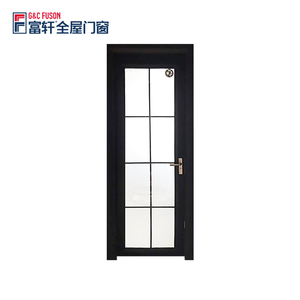
Fuson Tempered Glass Casement Door Aluminium Casement Door Interior Bathroom Swing Door With Private Label Wholesale
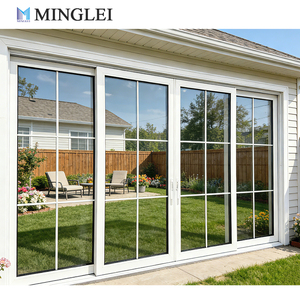
Heavy Duty White Aluminum Lift and Slide Doors Large Size 4 Panels Triple Pane Glass Thermal Insulation Sliding Door with Grid
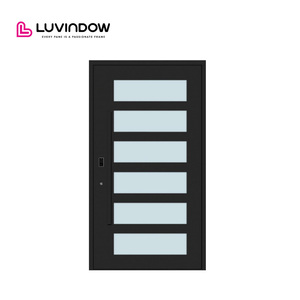
Secure Large Opening Aluminum Entry Pivot Doors for High End North American Residential Communities
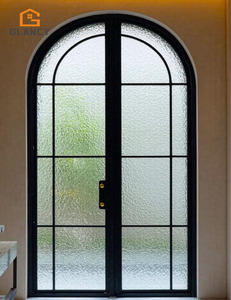
Black Aluminum Interior French Arch Door Aluminum French Glass Doors Black Aluminum Glass Interior French Door for Living Room
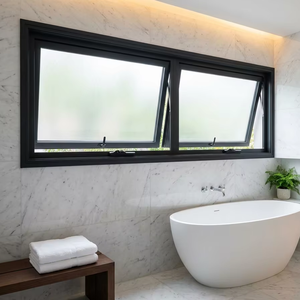
Small Frosted Glass Aluminium Awning Window for Bathroom Privacy, Black Powder Coated Top Hung Window with Screen
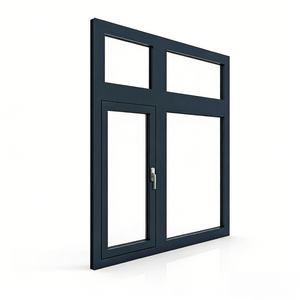
Moisture Proof Small Bathroom Window with Aluminum Frame for Wet Room Ventilation and Mold Prevention
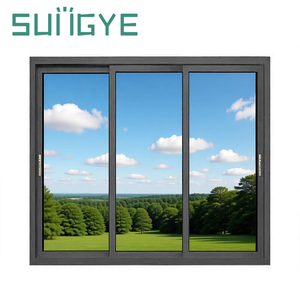
SUNGYE Hurricane Impact Double Glazed Profile Windows And Doors Frame Glass Aluminium Sliding Window
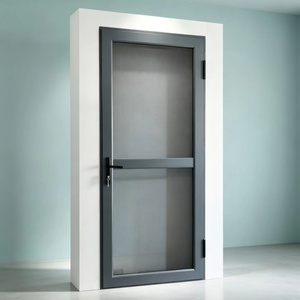
High Strength Diamond Mesh Aluminum Hinged Screen Door for Apartment
Foshan Industrial Infrastructure & Direct OEM/ODM Superiority
Operating out of Foshan, Guangdong—the world’s premiere center for precision aluminum extrusion and fenestration technology—our manufacturing facility spans over 20,000 m² of integrated production space. We specialize in converting complex architectural blueprints into fully certified, export-ready kitchen doors, sliding glass partitions, and specialized fenestration systems.
1. Technical Engineering Standards of Modern Aluminum Kitchen Doors
In high-end architectural design, the kitchen door is no longer treated merely as a passive barrier; it is a specialized structural element engineered to handle micro-climatic stress, airborne lipids, humidity fluctuations, and frequent kinetic use. Choosing a leading China aluminum kitchen door factory ensures access to advanced metallurgical formulations and hardware integration that overcome common failures seen in conventional wooden or low-grade steel doors.
1.1 Prime Metallurgical Alloys & Structural Integrity
Premier Chinese manufacturers exclusively employ 6063-T5 architectural-grade primary aluminum alloys. Unlike secondary recycled scrap, virgin 6063-T5 aluminum provides uniform density, superior tensile strength (≥160 MPa), and yield strength (≥110 MPa). For kitchen applications where frames are kept ultra-slim (sightlines down to 16mm–30mm) to maximize light penetration, structural wall thicknesses of 2.0mm to 3.0mm are maintained at critical load points to prevent bowing or warping under continuous thermal expansion.
1.2 Surface Chemistry & Grease-Resistant Coatings
Kitchen environments present severe chemical challenges, including aerosolized cooking oils, acetic vapors, and abrasive cleaning agents. Leading Foshan factories apply specialized surface treatments:
- Fluorocarbon (PVDF) Spraying: Multi-coat PPG or AkzoNobel coatings providing 1000-hour salt-spray resistance and zero degradation under acidic cleaning exposure.
- Anodized Micro-Film Layers: Electro-chemically formed oxide coatings (15µm–25µm depth) offering extreme scratch resistance and metallic luster.
- Fluorocarbon Soft-Touch Powder Coatings: Hydrophobic, anti-fingerprint micro-textures that allow airborne grease to be wiped away effortlessly with standard neutral detergents.
6063-T5 Extrusion
High-tensile virgin aluminum billet with corner crimping glue injection for absolute structural rigidity and zero frame joint separation over decades of use.
Airborne Fume Sealing
Continuous co-extruded EPDM gaskets combined with magnetic soft-close seals prevent kitchen oil fumes and acoustic noise from penetrating living spaces.
Safety Glass Assemblies
EN 12150-1 compliant tempered safety glass (SGCC & CE marked) available in clear, fluted (Mora/Reed/Chinchilla), tinted, or smart PDLC switchable configurations.
2. Specialized Product Recommendations for Global Architectural Projects
Different residential layouts and commercial environments require specialized kitchen door opening mechanisms. Below is a detailed breakdown of top-recommended aluminum door configurations manufactured by leading Chinese factories:
| Door System Type | Ideal Architectural Space | Technical Feature Matrix | Acoustic & Thermal Rating |
|---|---|---|---|
| Minimalist Slim-Frame Sliding Doors | Modern Open-Plan Kitchens, Villa Interiors | 16mm visible frame, concealed top-hung track, soft-close dampers | STC 32 dB / U-value 2.1 W/m²K |
| Heavy-Duty Pocket / Telescopic Doors | Compact Apartments, Luxury Condos | Multi-track synchronous sliding, 100% full opening clearance | STC 35 dB / U-value 1.9 W/m²K |
| Thermal Break Casement / Swing Doors | Enclosed Kitchens, Heavy Cooking Zones | Polyamide PA66 strip, multi-point lock, perimeter EPDM double gasket | STC 42 dB / U-value 1.2 W/m²K |
| Bi-Fold Glass Partition Doors | Restaurant Kitchens, Flexible Dining Rooms | Heavy-duty bottom roller system (up to 150kg/sash), stainless steel hinges | STC 30 dB / U-value 2.3 W/m²K |
Architectural Recommendation A: Minimalist Glass Sliding Doors
For modern homes where visual continuity between the kitchen and dining room is desired, narrow-profile aluminum sliding doors provide a seamless glass facade. Equipped with stainless steel heavy-duty rollers and hidden dampening locks, these doors glide effortlessly across ultra-low flush floor tracks.
Architectural Recommendation B: High-Acoustic Interior Swing Systems
In residences where high-heat, oil-heavy cooking (such as Asian culinary styles) takes place, airtight casement doors with double-glazed laminated glass and multi-point hardware prevent smells and noise from escaping into master suites or study rooms.
3. Future Procurement & Material Development Trends (2025–2030)
As global building codes shift toward near-zero energy consumption and modern interior design emphasizes minimalist luxury, procurement strategies for aluminum kitchen doors are rapidly evolving. Wholesalers, real estate developers, and architectural buyers must align their supply chains with the following emerging technological vectors:
3.1 Zero-Threshold & Magnetic Levitation Tracks
Traditional raised bottom tracks accumulate food debris, grease, and dust, creating cleaning bottlenecks and tripping hazards. The global market is rapidly shifting toward barrier-free zero-threshold designs. Top Chinese factories are pioneering magnetic levitation sliding tracks and concealed top-hung roller systems that maintain door stability without requiring deep floor grooves.
3.2 Smart Electrochromic Glass (PDLC) Integration
Switchable Polymer Dispersed Liquid Crystal (PDLC) glass embedded within narrow aluminum frames allows homeowners to instantly toggle kitchen door panels from crystal clear to completely opaque via smart switch, mobile app, or voice command. This innovation bridges the gap between open-concept living and private culinary prep.
3.3 Low-Carbon Aluminum & Environmental EPD Certifications
International developers in North America, Europe, and Australia increasingly demand verified Environmental Product Declarations (EPD). Chinese manufacturers lead the adoption of hydro-powered low-carbon aluminum extrusions, reducing the embedded carbon footprint per kilogram of door frame by up to 60% compared to traditional coal-powered smelters.
Ultra-Slim 16mm Frame
Maximizes natural lighting while offering structural load capacities for large 3-meter tall glass panels.
PDLC Privacy Glass
Instant optical state change for total privacy during heavy culinary prep or entertaining guests.
Magnetic Soft-Close
Eliminates harsh slam impacts and extends hardware mechanical lifespan past 200,000 cycles.
ISO 9001 & CE Certified
Factory-guaranteed structural engineering compliance for fast-track municipal building approvals.
4. B2B Sourcing & Procurement FAQ for Buyers & Importers
Addressing core technical, financial, and logistical queries encountered by international distributors, contractors, and real estate developers sourcing from China.