Double Glazed
High-Performance Custom OEM Architectural Systems
Explore our export-grade big windows and heavy-duty doors, manufactured to rigorous international standards (AS2047, NFRC, CE) with bespoke profile depths and glazing options.
Double Glazed
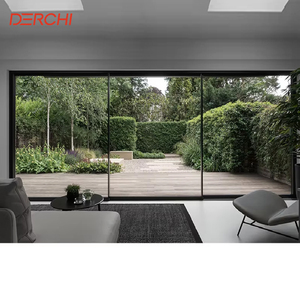
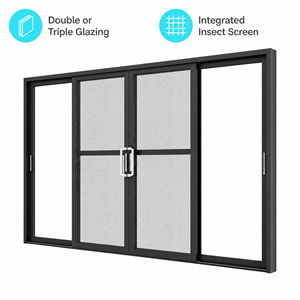
AS2047 Standard
As2047 Australian Windows and Doors Double Glazed Stacker Doors Commercial Exterior Patio Panoramic Aluminum Sliding Doors
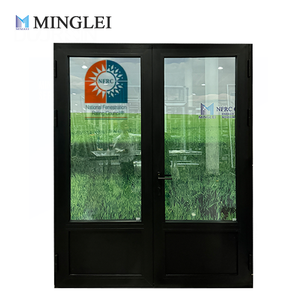
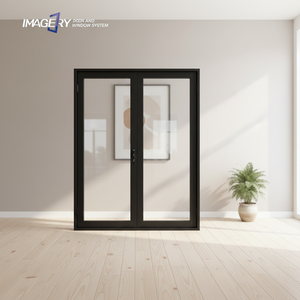
Triple Glazed U≤1.1
USA Energy Saving Exterior Doors Triple Glazed Black Aluminum French Door for House
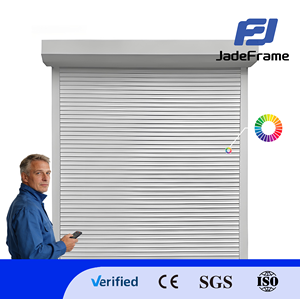
Smart Remote Control
Modern Insulated Aluminum Roll Door for Villas Finished Surface with Remote Control Rolling Shutter Factory Direct Price
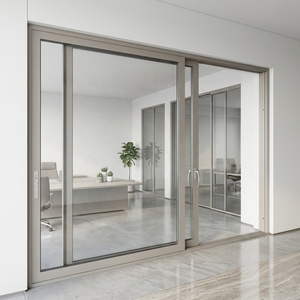
Waterproof Design
Single & Double Hung Aluminium Sliding Doors for Villa Patio Doors Single/Double Glazed Windows Waterproof Modern
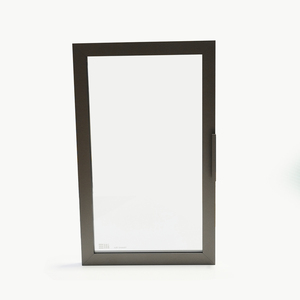
Slim Sightline
Glass Cabinet Door Air Smart 4Mm Tempered Glass Aluminum Frame Picture Windows For Office And Display Furniture
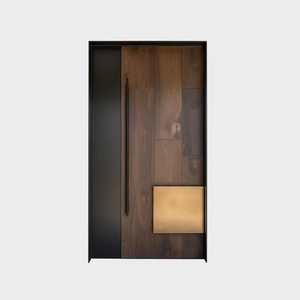
Smart Pivot Entry
Residential Luxury Modern Pivot Main Entrance Door For Apartment Villa Exterior Front Door Digital Locking Aluminum Pivot Doors
Heavy-Duty Casement
Custom Aluminum Alloy Casement Door Tempered Glass Swing Opening For Villa Balcony Hotel Project
Engineering Big Windows: Structural Integrity, Thermal Performance & Custom OEM Manufacturing
In modern architectural design, the demand for expansive glazing units—often referred to as large-format aluminum windows or big picture windows—has expanded rapidly across high-end luxury residential villas, multi-family commercial developments, and hospitality towers. Achieving floor-to-ceiling visual continuity requires far more than simply enlarging standard window frames. It demands advanced structural calculation, precision aluminum extrusion alloys, optimized thermal break geometries, and integrated glass load management.
Key Takeaway for Specifiers & Procurement Directors: Large-format aluminum windows must maintain structural deflection thresholds under wind load (L/175 for standard openings; L/240 for oversized spans) without compromising the perimeter air-and-water tightness seals or thermal barrier continuity.
1. Structural Extrusion Engineering: Alloy Selection & Profile Geometry
As a specialized custom OEM aluminum big windows manufacturer in Foshan, China, ZENIC utilizes prime 6063-T5 and 6063-T6 architectural aluminum alloy extrusions. We explicitly avoid re-melted scrap billets to eliminate internal inclusions that compromise structural yield strength and surface finishing uniformities.
For large-format casements, oversized lift-and-slide panels, and panoramic fixed picture windows, profile wall thicknesses are engineered between 2.0mm and 3.0mm. Heavy mullion sections feature internal multi-cavity reinforcement ribs designed to resist deflection under extreme wind pressure loads up to 5000 Pa (matching Australian AS2047 N6 ratings and Florida High-Velocity Hurricane Zone requirements).
2. Advanced Thermal Isolation: PA66GF25 Polyamide Strips
Aluminum is naturally highly conductive. To achieve ultra-low thermal transmittance (U-values ranging from 1.1 to 1.6 W/m²K), our system profiles incorporate high-precision PA66GF25 (Polyamide 66 reinforced with 25% glass fiber) thermal break strips. Unlike cheaper PVC thermal barriers, PA66GF25 matches the coefficient of thermal expansion of structural aluminum alloy, preventing delamination, shear failure, or frame warping across ambient temperature swings ranging from -30°C to +80°C.
3. Glass Unit Design & Weight Distribution Systems
Big windows frequently utilize heavy Double or Triple Insulated Glass Units (IGUs) with combined glass panel weights exceeding 300kg to 800kg. To prevent frame rack and sag over decades of operation, ZENIC systems feature:
- Structural Silicone Glazing (SSG): Dow Corning / Sika high-performance structural adhesives transferring wind load stresses directly to the aluminum structural core.
- Heavy-Duty Stainless Steel Roller Tracks & Concealed Hinges: Precision German-engineered hardware assemblies tested for up to 200,000 operational cycles under maximum load conditions.
- Pressure-Equalized Hidden Drainage Channels: Multi-tiered drainage paths with non-return valves that channel driven rain away from internal frames while preventing wind back-pressure blowback.
4. Comparative Technical Performance Specifications Matrix
Below is a comparative breakdown of key performance indicators across our standard OEM architectural window and door profile lines:
| System Series Type | Frame Depth Range | Thermal Transmittance (U-Value) | Acoustic Rating (STC / OITC) | Wind Pressure Resistance (Pa) | Max Single Glass Panel Load |
|---|---|---|---|---|---|
| Slim-Frame Panoramic Sliding | 110mm - 140mm | 1.3 - 1.6 W/m²K | 38 dB STC | 3500 Pa | 500 kg |
| Heavy Thermal Break Casement | 65mm - 90mm | 1.1 - 1.4 W/m²K | 42 dB STC | 5000 Pa | 120 kg per sash |
| Triple-Glazed French / Swing Door | 75mm - 90mm | 1.1 - 1.3 W/m²K | 40 dB STC | 4000 Pa | 180 kg per leaf |
| Luxury Heavy-Duty Entrance Pivot | 100mm - 120mm | 1.5 - 1.8 W/m²K | 36 dB STC | 3000 Pa | 400 kg panel load |
Foshan's Premier Custom OEM Window Engineering Factory
Combining 15+ years of fenestration manufacturing experience with rigid export quality assurance for developers, general contractors, and wholesale importers worldwide.
Custom Die Extrusion & Tooling
Full OEM/ODM support for proprietary profile sections, custom extrusion die creation, tailored frame depths, and private label hardware stamping.
Qualicoat Powder & PVDF Finishes
Surface treatments certified for coastal salt spray resistance. Options include AkzoNobel powder coating, 3-coat PVDF fluorocarbon, anodizing up to 25μm, and Italian heat-transfer wood grain.
Pin-and-Glue Corner Crimping
Corners are mechanically crimped with stainless steel corner keys and injected with two-component polyurethane corner glue, ensuring 100% structural rigidity and zero water penetration.
Streamlined 15-Day Lead Times
Our 20,000m² Foshan facility operates automated CNC cutting units and double-head mitre saws, delivering standard custom orders in as few as 15 to 25 working days.
Fumigation-Free Plywood Crating
Every big window unit is wrapped in multi-layer protective film, EPE foam padding, and fully enclosed in steel-reinforced export crates engineered for ocean container freight.
Full Engineering & CAD Support
Our dedicated fenestration drafters provide complete shop drawing approvals, wind load calculation reports, and thermal energy simulation submittals prior to production.
Future Procurement Trends in Large-Format Aluminium Glazing
Analysis of architectural demand vectors, carbon regulations, and smart technology integration shaping the 2025–2030 commercial fenestration landscape.
1. Transition Toward Low-Carbon & Recycled Aluminum Billets
Global environmental building certifications (such as LEED v4.1 and BREEAM) are placing stringent benchmarks on embodied carbon. B2B window buyers are increasingly mandating aluminum extrusions produced using renewable hydroelectric power or incorporating high ratios of post-consumer recycled alloy. ZENIC is proactively adopting low-carbon aluminum sourcing, enabling developers to score higher carbon reduction points without sacrificing mechanical profile strength.
2. Ultra-Minimalist Interlock Sightlines with Structural Glass Integration
The aesthetic trend toward invisible frames has driven interlock sightlines down from traditional 50mm profiles to ultra-slim 18mm - 21mm interlocks. This design ethos shifts the structural burden onto the glass pane itself. Future procurement strategies require suppliers capable of executing structural bonding in factory-controlled cleanrooms rather than relying on field glazing by job-site contractors.
3. Motorization, Smart Home Integration & Automated Safety Sensors
As big windows and heavy sliding panels exceed 400kg, manual operation becomes cumbersome. Modern procurement specifications increasingly require integrated 24V DC brushless motorized operators hidden within top tracks, compatible with KNX, Crestron, or Zigbee smart building management systems. Integrated infrared safety barrier sensors and automatic locking pins are becoming standard for luxury residential and penthouse projects.
4. Stringent Energy Codes Driving Vacuum Insulated Glass (VIG) Adoption
With North American NFRC and European Passivhaus standards targeting U-values below 0.8 W/m²K, traditional triple glazing becomes heavy and unwieldy. The industry is moving toward Vacuum Insulated Glass (VIG) units, which deliver superior thermal insulation in a fraction of the profile depth. Custom OEM manufacturers capable of adapting profile rebates for thin VIG panels will hold a decisive competitive advantage.
Frequently Asked Questions by OEM & Project Buyers
Direct answers from our engineering team regarding OEM customization, structural testing, ordering workflows, and global logistics.
What is the Minimum Order Quantity (MOQ) for custom OEM aluminum big windows? +
Our standard Minimum Order Quantity (MOQ) starts at 50 pieces or 100 square meters per project order. We accommodate mixed items within a single container, allowing developers and wholesalers to combine big picture windows, heavy-duty sliding stacker doors, casements, and tilt-and-turn units under one consolidated factory order. For custom profile die creation, MOQ is calculated based on extrusion alloy tonnage (typically 500kg per profile die section).
How do you guarantee wind pressure and water tightness compliance for oversized windows? +
Every big window design undergoes finite element structural analysis (FEA) to verify mullion deflection under specific site wind pressure requirements. Profiles feature continuous EPDM rubber gaskets (manufactured by Kraiburg or equivalent), pin-injected corner crimping, and back-pressure equalized hidden drainage chambers. We provide official test reports for AS2047, NFRC, and CE standards to satisfy local building control inspectors.
What surface finishes and color customization options do you supply for OEM brands? +
We provide full RAL color matching across standard architectural powder coatings (AkzoNobel / PPG), super-durable Qualicoat Class 2 coatings for high UV exposure zones, 3-coat 70% PVDF fluorocarbon coatings for coastal marine environments, anodized finishes (15 to 25 microns), and 3D heat-transfer wood-grain textures. Dual-color profiles (different interior and exterior colors) are fully supported via our thermal break assembly lines.
What is the typical production timeline and shipping packing procedure? +
Production lead time is typically 15 to 25 days from final shop drawing sign-off and deposit receipt. For export freight, all units undergo 100% factory pre-assembly and hardware testing. Windows are wrapped in anti-scratch protective film, corner-protected with heavy EPE foam, and packed into fumigation-free plywood export crates designed for easy forklift unloading on job sites.
Can ZENIC assist with structural engineering drawings and architectural CAD submittals? +
Yes. Our in-house engineering design office provides comprehensive 2D CAD elevations, cross-sectional details, 3D BIM/Revit models, and structural calculation sheets. We work directly with architects, general contractors, and project developers to adjust profile depths, glass specifications, and installation anchors to match project site conditions.
Ready to Engineer Your Project's Large Glazing Requirements?
Send us your window schedule, elevation drawings, or architectural specifications. Our senior fenestration engineers will provide shop drawings, thermal calculations, and factory-direct OEM pricing within 24 hours.