Featured OEM Aluminium Clad Timber Window Systems
Explore our factory-direct portfolio engineered for high-end residential villas, modern commercial facades, and low-energy architectural projects.
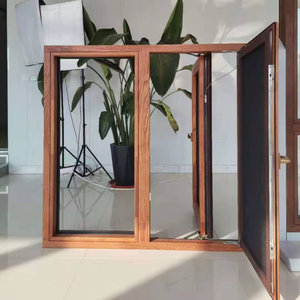
Customized Aluminum Clad Wood Double Glazed Architectural Windows
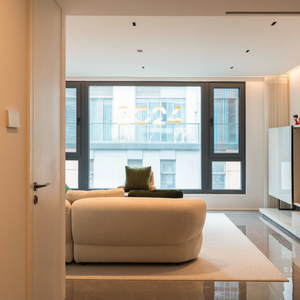
P120 Modern Fixed Picture View Passive House Standard Alu-Clad Wood Window
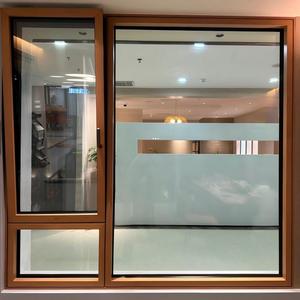
Modern Villa Style Heavy-Duty Windproof Aluminum Clad Timber Casement Window
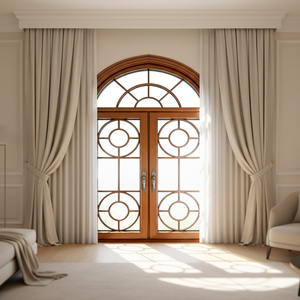
Energy Efficient Low-E Glazed OEM Aluminium Clad Timber Window System
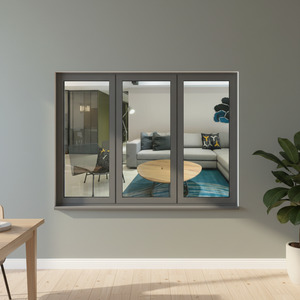
RG65 System Architectural Aluminum-Clad Wood Residential Fenestration
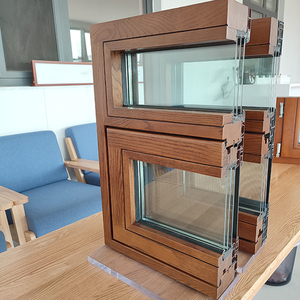
Slimline High-Acoustic Soundproof Tilt & Turn Aluminum Clad Wood Window
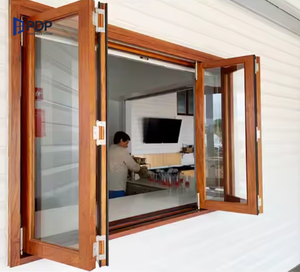
Exterior Commercial & School Smooth-Operating Folding Alu-Clad Timber Window
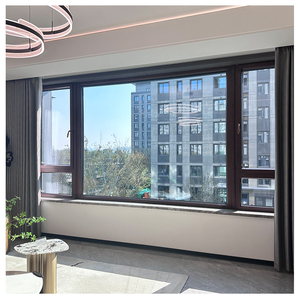
PHI EnerPHit Ready Alu-Clad Timber Window (ROTO Hardware & CE EN14351)
Architectural Engineering Whitepaper: The Evolution of Aluminium-Clad Timber Fenestration
As global building regulations converge toward Net-Zero Carbon and Passivhaus energy metrics, high-performance building envelopes require fenestration systems that synthesize structural durability, organic aesthetics, and ultra-low thermal transmittance. Custom OEM Aluminium Clad Timber Windows represent the modern peak of structural thermal engineering.
Dual-Material Composite Synergy
By combining interior structural timber (Siberian Larch, Red Oak, or Pine) with an exterior protective shell of extruded 6063-T5 aluminum alloy, aluminum-clad timber systems overcome the traditional vulnerabilities of raw wood exposed to solar UV rays, heavy rains, and temperature fluctuations. The interior wood provides natural thermal mass and organic warmth, while the exterior aluminum acts as a weather shield with zero structural degradation over decades.
Thermal Expansion & Snap-Clip Floating Tech
Aluminum and timber possess dramatically different thermal expansion coefficients (Aluminum: ~23×10⁻⁶ /K; Wood: ~4×10⁻⁶ /K). Advanced OEM manufacturing utilizes nylon floating snap-connection clips rather than direct rigid fastening. This floating mechanism allows the exterior aluminum profile to expand and contract freely during ambient extreme weather shifts without imparting stress on the interior timber frame or compromising glass perimeter seals.
System Performance & Material Specification Matrix
| Specification Parameter | Standard Commercial Specification | Premium OEM Passivhaus Specification | Engineering Advantage |
|---|---|---|---|
| Interior Timber Species | Finger-jointed Engineered Pine | Siberian Larch / N. American Oak | High density, 8-12% moisture content, anti-warping structural stability. |
| Exterior Aluminum Alloy | 1.4mm Extruded Profile | 2.0mm 6063-T5 Structural Shell | Resists 1000Pa+ wind pressures, suitable for coastal hurricane zones. |
| Overall Thermal Transmittance (Uw) | Uw 1.4 - 1.6 W/m²K | Uw ≤ 0.78 W/m²K (PHI EnerPHit) | Triple Low-E glass + Argon gas + TPS warm-edge spacer technology. |
| Gasket Sealing Topology | Dual EPDM Strip Sealing | 3-Line Continuous Seamless EPDM | Complete air-tightness (Class 4) and water-tightness (Class E1050). |
| Hardware & Hinge Loading | Standard 80kg Friction Stays | German ROTO / SIEGENIA 150kg-300kg | Concealed heavy-duty multi-point locking rated for 200,000 cycles. |
| Exterior Surface Finish | Standard Powder Coating | AkzoNobel PVDF Fluorocarbon | 25-year anti-fading, anti-salt spray warranty for coastal installations. |
Future Procurement & Technological Trends in Alu-Clad Windows
Understanding how global green building certifications, smart automation, and advanced manufacturing are reshaping modern window procurement for commercial projects.
1. Stringent Passivhaus & Carbon Neutral Mandates
Global architectural tenders increasingly enforce strict thermal performance goals (Uw ≤ 0.8 W/m²K). Future window procurement shifts heavily toward triple-pane glazed IGUs with warm-edge TPS technology and low-embodied carbon timber substrates certified by FSC and PEFC.
2. Ultra-Slim Sightlines & Flush Thresholds
Modern minimal design demands maximum daylight intake. Next-generation aluminum clad timber casements and lift-and-slide doors feature concealed sashes, hidden hinges, and zero-threshold drainage channels for seamless transition between interior and exterior living spaces.
3. Integrated Smart Building Automation
B2B buyers are requesting factory-integrated motorized actuators, rain/wind automated closure sensors, electrochromic smart glass, and concealed magnetic reed switches for centralized building management systems (BMS).
OEM Supply Chain Customization Strategy for Wholesalers & Developers
Procuring aluminum-clad timber windows directly from specialized Foshan manufacturers offers significant strategic cost advantages over local assembly. By leveraging advanced 4-axis CNC timber processing lines, automated 45-degree aluminum corner crimping, and automated polyurethane timber painting lines, OEM buyers obtain tailored frame depths (from 68mm to 120mm), private labeling, certified hardware integration (ROTO, HOPPE, GU), and custom RAL architectural powder coatings at 30-40% lower capital outlay compared to European brands.
Why Partner With Our Foshan OEM Manufacturing Base
Combining 15+ years of fenestration engineering expertise, international certification compliance, and strict quality control gates.
Precision Timber Drying Tech
Our timber undergoes computer-controlled vacuum drying kilns to reduce moisture content strictly to 8-12%. Timber profiles are laminated in 3 to 4 layers with opposing grain directions to prevent twisting, bowing, or thermal warping.
Seamless Corner Laser Welding
For high-end exterior aluminum shells, we offer seamless laser-welded corners. Unlike conventional mechanical crimping, seamless welding eliminates visible corner joints, ensuring 100% water tightness and a flawless architectural coating aesthetic.
Strict International Certifications
Our window and door production line adheres strictly to ISO 9001 quality management systems. Product series carry validated test reports for CE (EN14351-1), NFRC energy ratings, North American AAMA/WDMA, and Australian AS2047 standard compliance.
Frequently Asked Questions by Specifiers & Importers
Detailed technical responses to common engineering, procurement, and logistics queries.
What makes Aluminium Clad Timber Windows superior to solid timber or thermal break aluminum windows?
Aluminium Clad Timber Windows merge the superior thermal insulation and aesthetic natural warmth of timber on the interior with the extreme durability, low maintenance, and weather resistance of extruded aluminum on the exterior. Solid timber windows require periodic exterior repainting every 3–5 years and can rot when exposed to severe moisture. Standard thermal break aluminum windows, while durable, cannot match timber's low thermal conductivity (Wood K-value ≈ 0.13 W/mK vs Aluminum K-value ≈ 160 W/mK) or rich interior luxury feel. Alu-Clad timber delivers thermal performance capable of reaching Passivhaus standards (Uw ≤ 0.8 W/m²K) while requiring zero exterior frame maintenance.
How does your factory solve the thermal expansion gap between interior wood and exterior aluminum?
Because aluminum expands significantly under heat while timber remains relatively stable, rigid attachment causes warping or structural seal failure. We utilize engineered nylon snap-on connection clips that lock the aluminum profile to the wood frame while allowing dynamic longitudinal sliding movement. Furthermore, a 5mm ventilated drainage air cavity is maintained between the wood and aluminum shell to prevent moisture trapping and condensation buildup, preserving timber integrity for decades.
What species of timber are available for custom OEM production?
We supply a variety of sustainably sourced, PEFC/FSC-certified timber species. Standard options include high-density Siberian Larch (excellent natural resin weather resistance), North American Red Oak (exceptional grain texture and structural strength), European Beech, Pinus Sylvestris (Pine), and Premium Teak for high-moisture tropical coastal villas. All wood is multi-layer laminated and treated with environmentally friendly, water-based German Zobel or Remmers protective stains.
What is your typical Minimum Order Quantity (MOQ) and production lead time for overseas project orders?
Our standard Minimum Order Quantity (MOQ) starts at 50 square meters or 20 individual window units, allowing flexible procurement for custom luxury residential villas or phase-one commercial developments. Standard production lead times are 25 to 35 business days following final CAD shop drawing sign-off and color sample approval. Goods are packed in fully enclosed fumigation-free plywood crates with protective EPE foam wrapping and corner guards for safe ocean freight shipping.
Can you manufacture windows according to custom architectural CAD shop drawings and hardware specifications?
Yes, 100% of our production is customized. Our in-house engineering team converts your architectural elevations and window schedules into detailed production CAD/BIM shop drawings. We support custom profile depths (68mm, 78mm, 88mm, 120mm), specialized glass configurations (triple glazed Low-E, laminated acoustic glass, smart tinting), and premium imported hardware systems such as German ROTO NT/ALU-VISION, SIEGENIA, HOPPE handles, or GU hardware.
How do you ensure zero glass breakage and frame damage during sea transit?
We implement a export packing protocol: Every completed window unit is wrapped in heavy-gauge protective plastic film and EPE edge guards. Windows are then secured inside custom-built, solid fumigation-free wooden cases with internal tension strapping. Crates are engineered to withstand multi-axis container movement, stack loading, and rough port handling. We maintain a glass transport damage rate below 0.1% across 40+ export destination countries.
Ready to Upgrade Your Fenestration Specifications?
Send us your window schedules, architectural elevations, or project CAD drawings. Our structural engineers will return a complete BOM cost estimate, U-value analysis, and CAD proposal within 24 hours.