Commercial & High-Performance Architectural Showcase
Explore our OEM manufacturing capabilities ranging from ultra-slim minimalists to heavy-duty thermal break entrance systems, optimized for global architectural requirements.
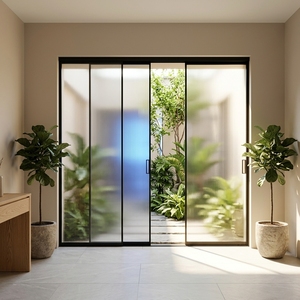
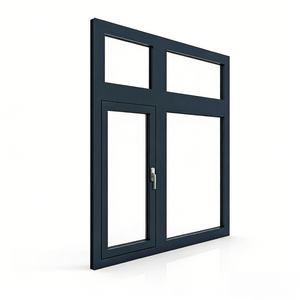
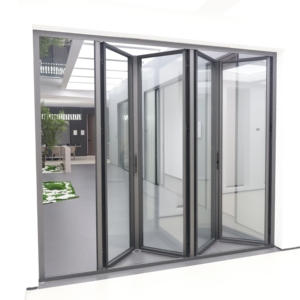
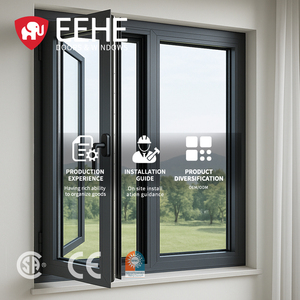
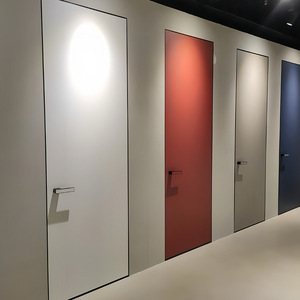
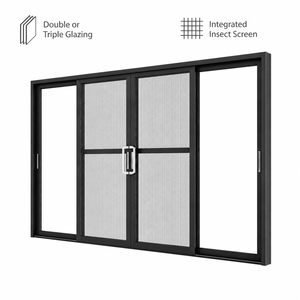
Engineering Blueprint: Custom OEM Commercial Aluminum Doors
Commercial fenestration demands rigorous structural calculation, exact thermal performance metrics, and seamless hardware integration. Here is how advanced OEM factories meet modern architectural requirements.
6063-T5 Structural Alloy Engineering
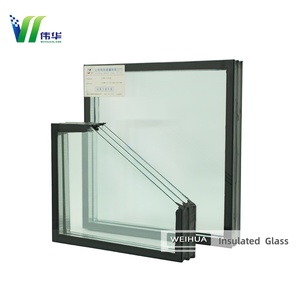
Commercial entrance doors require high tensile strength to withstand continuous high-traffic usage and severe localized wind pressures. Premium manufacturers utilize virgin 6063-T5 aluminum extrusions with standardized wall thicknesses ranging from 2.0mm to 3.0mm. This alloy selection prevents structural deflection under structural wind load pressure while supporting heavy multi-laminated, double, or triple-glazed units up to 600kg per sash.
Polyamide PA66GF25 Thermal Break Barriers
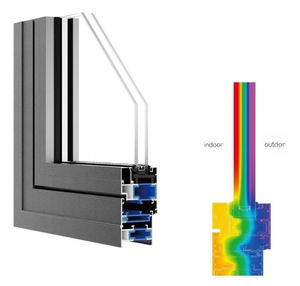
To eliminate thermal bridging in commercial storefronts, structural thermal breaks utilize 25% glass-fiber reinforced polyamide strips (PA66GF25). Unlike legacy PVC insulators, polyamide matches the thermal expansion coefficient of aluminum, preserving structural integrity under extreme thermal shock test cycles (-40°C to +80°C) and lowering entrance door assembly U-values to as low as 1.1 W/m²K.
Acoustic Isolation & EPDM Weatherproofing
High-traffic commercial spaces demand elevated sound insulation (Rw values up to 45 dB). By incorporating co-extruded continuous EPDM gasket sealing rings, pressure-equalized internal chamber drainage, and multi-layer structural glass seals, OEM entrance systems isolate ambient traffic noise while providing complete air tightness and resistance against wind-driven rain penetration.
Commercial Fenestration Standard Specification Matrix
Architects and general contractors rely on standard baseline figures during submittal phases. The comparison table below highlights key performance benchmarks for OEM architectural door systems.
| Performance Parameter | Standard Commercial Grade | OEM Thermal-Break High Performance | Architectural Testing / Standard Benchmark |
|---|---|---|---|
| Frame Depth Range | 45 mm – 65 mm | 75 mm – 150 mm | ASTM E283 / EN 12207 (Air Infiltration) |
| Thermal Transmittance (U-Value) | 2.8 – 3.5 W/m²K | 1.1 – 1.6 W/m²K | NFRC 100/200 / ISO 10077-2 / ENERGY STAR |
| Structural Wind Load Capacity | 1200 Pa – 1800 Pa | 3000 Pa – 5000+ Pa | ASTM E330 / AS2047 / EN 12210 |
| Acoustic Attenuation (STC / Rw) | 28 dB – 32 dB | 38 dB – 45+ dB | ASTM E90 / ISO 140-3 |
| Surface Coating Durability | Standard Anodized 10μm | PVDF Fluorocarbon 3-Coat / Qualicoat Class 2 | AAMA 2605 / ISO 2360 (Salt Spray 3000h+) |
| Hardware Cycle Lifetime | 50,000 Cycles | 200,000 – 1,000,000 Cycles | EN 12400 Grade 8 / ANSI/BHMA A156.4 |
Future Procurement & Sourcing Trends in Commercial Entrance Doors
The global architectural hardware market is shifting due to regulatory decarbonization, smart building automation, and supply chain vertical integration.
1. Low-Carbon Primary Metal & Recycled Aluminum Scraps
Global building regulations (such as the EU Energy Performance of Buildings Directive and US LEED v4.1 certification) are tightening carbon footprint requirements. Sourcing managers are increasingly specifying low-carbon aluminum smelted with hydroelectric power alongside post-consumer recycled content. Leading export factories must provide verified Environmental Product Declarations (EPDs) for extruded profile lots.
2. Smart Biometric & Mechatronic Access Control Integration
Commercial entrances are changing from passive manual doors to active smart entry systems. OEM factories are now asked to deliver door leaves pre-milled and pre-wired for motor-driven pivot hinges, integrated electric strikes, biometric facial recognition readers, hidden automatic drop seals, and building management system (BMS) signal integration.
3. Ultra-Slim Minimalist Sightlines with Structural Glass Structural Bonding
Architects continue to prioritize glass transparency, driving demand for hidden frame profiles, structural silicone structural glazing (SSG), and ultra-narrow interlocking stile widths (down to 18mm–25mm). Achieving structural stability with such slim profiles requires factory-controlled structural silicon bonding and automated corner crimping technology.
4. Turnkey OEM/ODM Modular Delivery & BIM Integration
High labor costs at international job sites have shifted value-add expectations onto China-based factories. Commercial buyers now expect fully assembled, glazed, pre-hung door units shipped in customized steel-reinforced pallet crates. Furthermore, developers require precise BIM LOD300/LOD350 digital models during early design stages for seamless Revit integration.
Enterprise Sourcing Advantages & Foshan Factory Quality Gates
Zenic Window & Door Technology Co., Ltd. operates a 20,000 m² modern manufacturing hub in Foshan, China. We bridge design concepts and site-ready door assemblies for buyers in 40+ countries.
Integrated Foshan Manufacturing Base
Located in China's aluminum extrusion hub, our 20,000 m² facility features automated CNC double-head cutting saws, automated corner crimping centers, and continuous glazing assembly lines under one roof.
International Certification Standard
Our commercial profiles and assemblies undergo continuous compliance testing against key export benchmarks, holding certification coverage for NFRC, CE, CSA, AS2047, AAMA, and ISO 9001.
100% Pre-Shipment Assembly QC & Crating
Every unit undergoes strict shop-drawing dimensional checks, hardware engagement testing, and water-tightness verification before being packaged in protective EPE foam and fumigation-free export plywood crates.
Frequently Asked Questions for Commercial Door Buyers
Direct technical answers to help developers, architects, and importers streamline custom OEM door procurement.
Our standard MOQ starts from 50 pieces per project. Buyers can mix different window and door types (e.g., casements, tilt-and-turn windows, sliding doors, and commercial entrance doors) within a single container shipment to satisfy minimum production runs efficiently.
Standard production lead times range from 15 to 25 calendar days following final CAD shop drawing sign-off and deposit receipt. Lead times depend on profile finish complexity (e.g., custom RAL powder coating vs. PVDF), specialized glass configurations, and hardware specification lead times.
Our thermal break commercial entrance doors utilize heavy-duty 6063-T5 aluminum extrusions combined with structural polyamide (PA66GF25) strips. The engineered multi-chamber system easily passes positive/negative wind pressure tests up to 5000 Pa (equivalent to Category 5 hurricane wind loads), while achieving assembly U-values down to 1.1 W/m²K under NFRC test conditions.
Yes. We provide complete OEM/ODM engineering services. Our technical team assists in extruding custom die profiles, offering precise color-matched RAL powder coatings, wood-grain heat transfers, anodizing, custom protective film branding, and integration of specialized hardware systems (such as German Hoppe, Siegenia, or custom US commercial panic hardware).
Depending on your target market requirements, we supply certified test reports for NFRC (North America thermal ratings), AS2047/AS1288 (Australian window standards), CE marking (European EN standards), CSA (Canada), and AAMA performance classes. Factory audit documentation for ISO 9001 and third-party Intertek testing reports are provided upon request for project submittals.
Ready to Optimize Your Commercial Door Procurement?
Connect with our structural fenestration engineers today. Submit your architectural window schedules, CAD elevations, or custom profile specifications for immediate technical review and factory-direct quotation within 24 hours.