Export-Ready Fenestration & System Solutions
Engineering Oversized Entrance Systems: Mechanics & Architectural Impact
A rigorous examination of heavy-duty offset pivot mechanisms, thermal break structural integrity, and custom B2B manufacturing paradigms for modern architectural facades.
1. The Mechanical Advantage of Offset Pivot Hinges vs. Standard Side-Hinges
In modern high-end architectural design, the entrance door serves as the primary focal point of the building's exterior envelope. As architects push boundaries toward grand, floor-to-ceiling entryways exceeding 3 meters in height and 2 meters in width, traditional butt hinges reach their physical structural limits. Standard side-hung hinges exert immense torsional force on the vertical frame jamb, leading to long-term sagging, seal misalignment, and latch failure.
Custom OEM aluminium pivot front doors eliminate these structural vulnerabilities by transferring the total gravitational weight of the door leaf directly downward into the structural sub-floor. Utilizing concealed heavy-duty top pivot pins and hydraulic floor springs (such as Dormakaba TS92 or customized heavy-load pivot box units), the load is concentrated vertically rather than cantilevered horizontally. This mechanical shift enables door sashes weighing upwards of 500 kilograms to swing effortlessly with minimal friction.
Information Gain Benchmark: Unlike conventional doors that rely on jamb structural integrity, engineered pivot systems utilize a vertical load-bearing axis set back from the frame (typically 150mm to 300mm), allowing ultra-wide leaves to open with near-zero rotational torque while accommodating integrated multi-layer thermal barriers.
2. Structural Extrusion Profile Metallurgy: 6063-T5 vs. 6061-T6 Extrusions
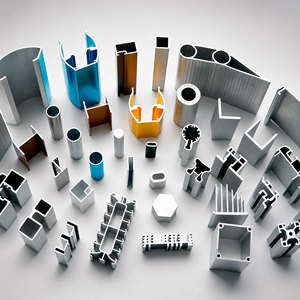
The structural rigidity of an oversized pivot panel is dictated by the alloy selection and wall thickness of its extrusions. Premier original equipment manufacturers (OEM) specify high-grade 6063-T5 extruded aluminum alloy for frames and structural profiles requiring crisp architectural geometry, smooth surface finishes, and superior powder coating adhesion. For high-wind zone applications or extreme physical security requirements, critical internal reinforcement ribs utilize T6 temper treated profiles.
Profiles manufactured for international export feature heavy nominal wall thicknesses ranging from 2.0mm to 3.0mm, surpassing standard commercial door profiles (1.4mm). This additional structural depth guarantees deflection resistance under atmospheric wind pressure tests exceeding 1,000 N/m² (tested to ASTM E330 and EN 12210 standards).
High-Performance Custom OEM Pivot Door Classifications
Tailored structural configurations designed for international commercial developments, luxury residential villas, and coastal estate specifications.
Thermal Break Grand Entrance Series
Engineered with multi-chamber polyamide PA66 GF25 insulation strips, dividing external and internal aluminum extrusions to prevent thermal bridging in extreme heat or cold climates.
Ultra-Slim Glass-Integrated Pivot Doors
Features minimal visible outer frame sightlines with continuous double or triple-glazed Low-E tempered insulated glass units (IGU), maximizing daylight transmission and modern aesthetic transparency.
Solid Anodized Metal Panel Pivot Doors
Constructed with dual-layer aluminum skin plates enclosing high-density polyurethane (PU) or rockwool thermal core insulation, offering enhanced ballistic security, soundproofing, and privacy.
Smart Biometric Access Control Entry Systems
Fully integrated with motorized automatic locks, fingerprint scanners, facial recognition access control, and smart home automation integration via hidden concealed electric wire conduits.
Future Procurement & Architectural Trends (2025–2030)
Key technical shifts shaping international B2B fenestration supply chains and architectural entrance specifications.
1. Transition to Low-Carbon & Recycled Primary Billet Aluminum
Driven by strict European Carbon Border Adjustment Mechanisms (CBAM) and North American LEED v4.1 certification requirements, major global procurement networks are prioritizing suppliers using low-carbon primary aluminum billets mined and extruded via renewable hydro-electric energy. OEM exporters capable of certifying carbon footprint metrics under 4.0 kg CO2/kg Al gain a significant competitive edge in municipal and commercial bid tenders.
2. Magnetic Drop Seals & Zero-Threshold Seamless Accessibility
Historically, large pivot doors struggled with bottom perimeter air and water sealing due to the rotational axis sweeping past traditional raised thresholds. The industry standard is rapidly moving toward automated magnetic drop-down seals and flush floor-channel drainage tracks. When the door leaf closes, dynamic bottom gaskets deploy pneumatically or magnetically against a sub-floor magnetic strip, delivering water tightness up to 600 Pa while maintaining 100% ADA-compliant zero-threshold transition.
3. Qualicoat Class 2 & Class 3 Fluorocarbon (PVDF) Surface Finishes
Architects operating in coastal environments (such as Australia, the Caribbean, and the Gulf Cooperation Council region) are mandating advanced surface treatments. Standard powder coating is being replaced by Qualicoat Class 2 and Class 3 Super Durable Powders and 25-micron anodic oxide films. These advanced coatings resist accelerated salt spray testing (ASTM B117) exceeding 3,000 hours without chalking, flaking, or color fading.
| Engineering Parameter | Standard OEM Commercial Spec | High-Performance Export Benchmark | Testing & Compliance Standard |
|---|---|---|---|
| Alloy & Temper | 6063-T5 Standard Extrusion | 6063-T5 / 6061-T6 Prime Virgin Billet | GB/T 5237 / ASTM B221 |
| Profile Wall Thickness | 1.4mm – 1.8mm | 2.0mm – 3.0mm Structural Heavy Duty | EN 12020-2 |
| Thermal Insulation | Standard Aluminum / Unbroken | Multi-Chamber PA66 GF25 Polyamide Strips | ISO 10077-2 (U-Value ≤ 1.1 W/m²K) |
| Weather Gaskets | Standard PVC / Rubber Strips | Three-Stage Vulcanized EPDM Continuous Gaskets | ASTM E283 / EN 12207 (Class 4 Air Tightness) |
| Water Penetration | 250 Pa Resistance | ≥ 600 Pa Concealed Sub-Floor Drainage | ASTM E331 / EN 12208 (Class 9A) |
| Hardware Cycle Rating | 50,000 Openings | ≥ 200,000 Operations (Heavy Duty Spring) | EN 1154 / ANSI A156.4 Grade 1 |
State-of-the-Art Production Facility in Foshan, China
Combining 15+ years of engineering mastery with fully automated CNC machining to deliver project-tailored fenestration solutions across 40+ countries.
20,000 m² Integrated Production Base
Houses raw material extrusion warehouses, automated powder-coating lines, CNC aluminum cutting centers, and specialized glass glazing units under one unified quality management protocol.
Precision CNC Machining (±0.1mm)
German 5-axis CNC machining centers perform lock-body milling, hinge pin positioning, concealed wire channel drilling, and corner crimping with sub-millimeter precision.
Heavy-Duty Fumigation-Free Crating
Every finished panel is wrapped in protective EPE film, fitted with corner edge guards, and encased in fully enclosed steel-reinforced plywood crates to guarantee zero transit damage during sea freight.
Frequently Asked Questions for B2B Importers & Specifiers
Detailed technical responses addressing engineering validation, minimum order quantities, compliance certification, and global delivery protocols.