Featured Product Portfolio & Architectural Fenestration
Explore our factory-engineered suite of custom aluminum door and window systems designed for high wind load resistance, thermal isolation, and modern aesthetics.
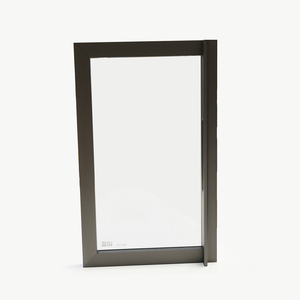
Italian Modern Look Elegant And Adaptable Design Aluminum Slim Frame Doors With Glass For Contemporary Kitchen
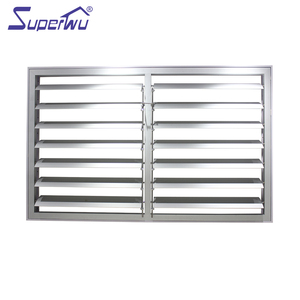
Superwu Cheap Price Aluminium Australia Standard Sound Insulation Aluminum Louver windows With Aluminium Plate Exterior windows
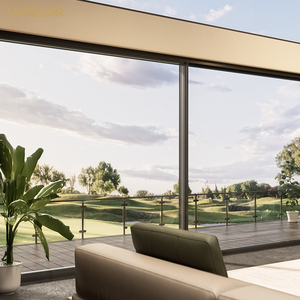
Wazzor Nfrc Heavy Duty Large Double Tempered Glass Noiseless Sliding Door and Windows Exterior Balcony Patio Glass Aluminum Door
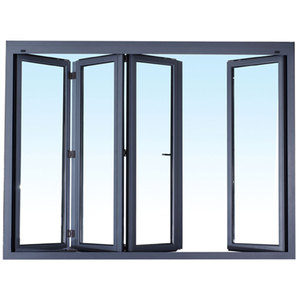
AS2047 Aluminium Frame Tilt Open Window Window Aluminium 3 Track Sliding windows Double Glazed Silidng Window
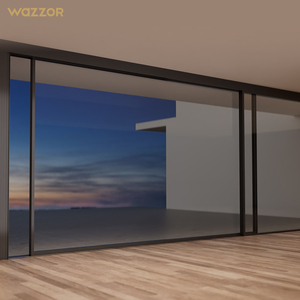
Wazzor Hurricane Rated in Stock Double Tempered Glass Sliding Doors System Exterior Interior Balcony Patio Glass Aluminum Door
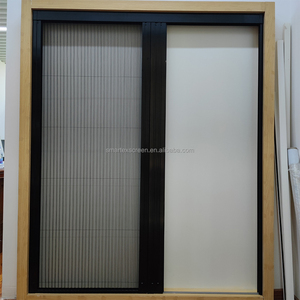
Barrier-free Plisse Aluminum Mosquito Pleat Slide Mesh Doors Trackless Retractable Screen Door
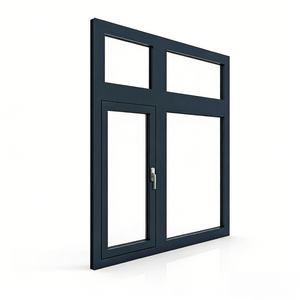
Moisture Proof Small Bathroom Window with Aluminum Frame for Wet Room Ventilation and Mold Prevention
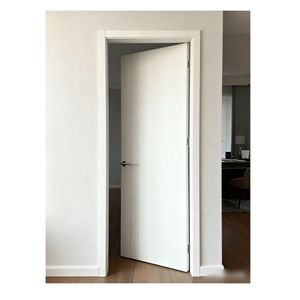
Soundproof Vertical Groove Indoor Door Aluminum White Surface Suitable for Bedroom
Prime 6063-T5 Alloy Structural Framing
Extruded from virgin aluminum billets with a minimum wall thickness of 2.0 mm, guaranteeing exceptional tensile strength and structural integrity under heavy wind pressures.
Polyamide PA66-GF25 Thermal Barriers
Integrated structural glass-fiber reinforced polyamide strips isolate interior and exterior profiles, reducing thermal bridging and achieving U-values down to 1.1 W/m²K.
Triple-Layer EPDM Gasket System
Continuous synthetic rubber seal lines provide superior air tightness and water penetration resistance, exceeding stringent EN 12207 and ASTM E283 standards.
1. Technical Engineering of Custom OEM Aluminum Overhead Doors
In contemporary commercial, industrial, and high-end residential architecture, the demand for high-performance fenestration systems has expanded rapidly. As a leading specialized manufacturer located in the primary extrusion hub of Foshan, China, ZENIC Window & Door Technology Co., Ltd. delivers precision-engineered solutions tailored for global export markets. Custom OEM aluminum overhead doors—including full-vision panoramic garage doors, thermal-break sectional overhead systems, and architectural industrial doors—represent the intersection of heavy-duty structural mechanics and modern visual refinement.
Understanding the structural composition of aluminum overhead systems requires evaluating four key design vectors: profile alloy composition, thermal isolation dynamics, glazing seal engineering, and hardware fatigue tolerance. Custom manufacturing processes allow architects and general contractors to specify custom panel depths (ranging from 65 mm to 150 mm), structural web reinforcements, and localized wind-load resistance capabilities exceeding 1,000 N.
1.1 Structural Alloy Selection and Profile Dynamics
Standard architectural overhead doors frequently suffer from structural sagging or torsional displacement when fabricated in expansive widths exceeding 6 meters. To counteract flexural stress under positive and negative wind loads, engineered systems utilize 6063-T5 or 6061-T6 aluminum alloys. The T5 heat treatment process optimizes yield strength (minimum 110 MPa) and ultimate tensile strength (minimum 150 MPa), allowing slim profile sightlines without compromising mechanical durability.
Furthermore, internal reinforcement ribs within extruded aluminum stiles and rails ensure mechanical corner crimping stability. By combining pin-and-glue corner assembly technology with structural silicone bonding, the integrity of the frame remains pristine across decades of operation, preventing joint separation or air leakage commonly associated with mechanically fastened budget doors.
| Performance Criterion | Standard Commercial Doors | ZENIC OEM Engineering Specification | International Standard Compliance |
|---|---|---|---|
| Aluminum Alloy Grade | Recycled / Secondary 6063-T5 | 100% Virgin Billet 6063-T5 (2.0mm+ wall) | GB/T 5237 / ASTM B221 |
| Thermal Insulation (U-Value) | 3.2 – 4.5 W/m²K | 1.1 – 1.8 W/m²K (Thermal Break Series) | NFRC 100 / EN ISO 10077 |
| Acoustic Isolation (STC) | 22 – 26 dB | 38 – 44 dB (Acoustic IGU Laminate) | ASTM E90 / ISO 140-3 |
| Wind Pressure Resistance | 600 Pa | Up to 3,000 Pa (Hurricane-Rated Series) | AS2047 / ASTM E330 |
| Hardware Durability Rating | 20,000 – 50,000 Cycles | 200,000 Tested Operational Cycles | AAMA 902 / EN 12604 |
1.2 Thermal Barrier & Acoustic Physics
Historically, aluminum overhead doors were characterized by poor thermal insulation, serving purely as barrier doors for unconditioned spaces. Modern energy codes—such as Title 24 in California, the EU Energy Performance of Buildings Directive (EPBD), and Australia's NCC Section J—mandate strict thermal efficiency envelopes. OEM custom solutions overcome aluminum's high thermal conductivity through poly-structural breaks.
By inserting precision-extruded Polyamide (PA66-GF25) thermal break strips between the exterior and interior aluminum extrusions, thermal transfer via conduction is halted. When paired with insulated glass units (IGUs) incorporating Low-Emissivity (Low-E) coatings, argon gas fill, and warm-edge composite spacers, the overall U-value of the panel drops significantly to as low as 1.1 W/m²K. This thermal isolation drastically reduces condensation risk in humid wet room environments or freezing winter climates.
2. Macro Trends Shaping Global Overhead Door Procurement (2025–2030)
As international supply chains evolve, commercial developers, fenestration importers, and wholesale distributors face new procurement challenges and technological shifts. Sourcing custom OEM aluminum overhead doors directly from advanced manufacturing hubs requires aligned strategic foresight across sustainability metrics, smart automation integration, and logistics optimization.
2.1 Future Procurement Trends in Industrial & Residential Glazing
- Decarbonization & EPD Transparency: Institutional buyers increasingly require Environmental Product Declarations (EPDs) detailing the embodied carbon footprint of architectural aluminum. Future supply contracts prioritize manufacturers utilizing renewable energy for smelting and zero-VOC powder-coating lines.
- Shift Toward Direct Factory OEM/ODM Collaboration: Intermediate trading layers are rapidly diminishing. Specifiers and general contractors prefer direct engineering-level engagement with factory teams capable of customizing extrusion dies, custom anodizing (AA15/AA25), and structural calculation submittals directly from shop drawings.
- Modular Prefabrication & Job-Site Ready Crating: Job-site labor costs in North America, Europe, and Australia have surged. Procurement specifications now mandate pre-hung, pre-glazed, and position-labeled crating. Doors are packaged with localized installation hardware, drastically shortening field installation timelines.
- Hybrid Material Integration: Sourcing managers are targeting hybrid products that pair structural aluminum exterior frames with acoustic interior dampening layers or integrated insect/mosquito mesh systems, such as barrier-free plisse pleated mesh.
2.2 Product Development & Technological Innovation Trends
Innovation in overhead aluminum doors and large-format glazed openings is moving towards smart integration and extreme visual minimalism:
- Ultra-Slim Panoramic Sightlines: Modern architectural aesthetics demand maximum glass surface areas. Next-generation overhead systems feature inter-panel sightlines under 30 mm while maintaining structural deflection criteria (L/175).
- Electrochromic & Smart Glass Coupling: Modern full-vision aluminum overhead doors are increasingly integrated with switchable privacy glass (PDLC) or dynamic electrochromic glazing, allowing automated tint adjustments based on solar radiation sensors or building management systems (BMS).
- Direct-Drive Brushless Servo Powerheads: Legacy torsion spring overhead counter-balance mechanisms are being superseded by compact, high-torque brushless motor systems equipped with soft-start/soft-stop frequency converters, smart obstacle detection, and mobile IoT app controls.
- Advanced Corrosion-Resistant Surface Treatments: Coastal developments (e.g., seaside residential villas and commercial resorts) require elevated corrosion protection. Advanced fluorocarbon (PVDF) 3-coat finishes and marine-grade anodizing ensure resistance against salt spray exposure exceeding 3,000 hours under ASTM B117 testing.
The ZENIC Enterprise Advantage: Manufacturing Excellence in Foshan
Backing global projects with 15+ years of fenestration expertise, 20,000 m² of specialized production, and rigorous international quality certifications.
20,000 m² Production Base
Located in Foshan, China's premiere aluminum capital. Equipped with multi-axis CNC cutting centers, automated double-head corner crimping machines, and automated double-glazed IGU sealing lines under strict ISO 9001 control.
Global Certification Suite
Our product architectures are tested, certified, and compliant across major global jurisdictions: NFRC, CE, CSA, AS2047, AAMA, Intertek, and ENERGY STAR. We provide comprehensive test report documentation for project submittals.
Sea-Worthy Export Packaging
Every order undergoes 100% pre-assembly inspection before entering our protective packaging protocol: EPE foam wrapping, impact-resistant corner protectors, and non-fumigation plywood crate enclosing to eliminate transit damage.
3. Frequently Asked Questions (FAQ) for B2B Buyers & Specifiers
Below are technical answers to common queries raised by window and door importers, façade engineers, real estate developers, and commercial contractors during the OEM qualification phase.
Partner With a Proven OEM Aluminum Door Manufacturer
Send us your project drawings, architectural elevations, or tender specifications. Our technical engineering team will review your requirements and provide detailed CAD shop drawings, U-value calculations, and competitive factory-direct pricing within 24 hours.
Get a Quote