Featured Anthracite Aluminium Systems
Explore our export-ready, precision-engineered anthracite grey (RAL 7016) window and door series designed for extreme durability, energy conservation, and modern architectural aesthetics.
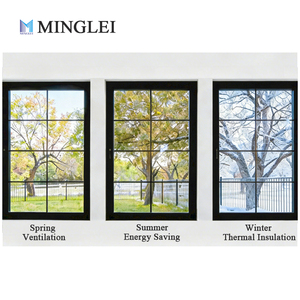
High Heat Insulation Energy Saving Thin Profile Aluminium Casement Window
Get a Quote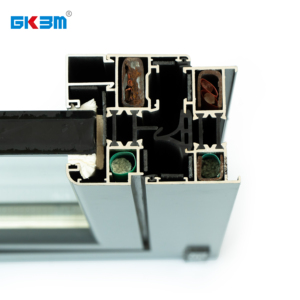
GKBM Anthracite Grey Double-Glazing Thermal Break Aluminium Casement Window
Get a Quote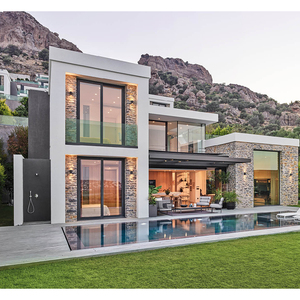
Custom Modern Anthracite Quality Double Glazed Aluminium Window & Door System
Get a Quote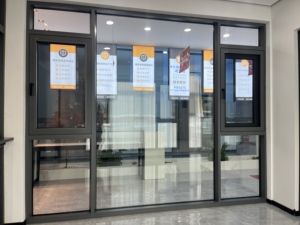
Anthracite Double Inward Casement Window with Top Transom & Insect Screen
Get a Quote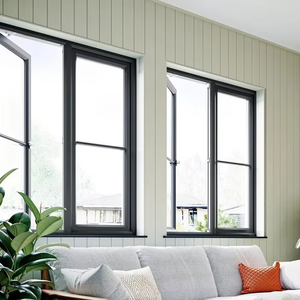
Prima High-End Powder Coated Anthracite Grey Aluminium Luxury Casement Window
Get a Quote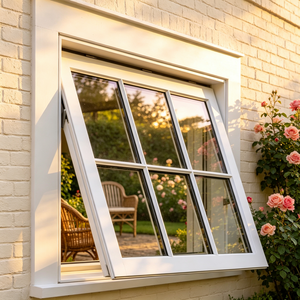
Slim Bevel Top-Hung Modern Facade Anthracite Powder Coated Frame Window
Get a Quote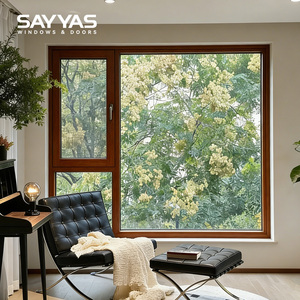
SAYYAS F120 Fixed Luxury Aluminium-Clad Wood Window in Anthracite Grey
Get a Quote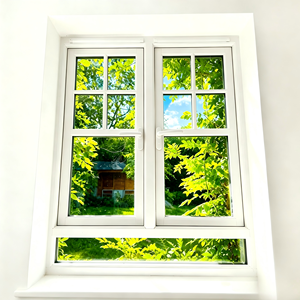
Tilt & Turn Thermal Triple Panel Fixed Center Ventilation Anthracite System Window
Get a QuoteOEM/ODM Anthracite Aluminium Windows: Technical Architecture & Global Procurement Guide
In contemporary architectural engineering, Anthracite Grey (RAL 7016) has emerged as the definitive color standard for high-end residential, commercial fenestration, and modern facade designs. As international building energy codes tighten—such as the European Union’s Energy Performance of Buildings Directive (EPBD) and North America's ENERGY STAR® V7.0 guidelines—importers, real estate developers, and architectural contractors require fenestration systems that seamlessly merge structural aesthetics with rigorous thermal physics. This paper explores the material engineering, custom manufacturing parameters, and strategic supply chain frameworks governing high-performance OEM/ODM anthracite aluminium window manufacturing.
Key Takeaway for B2B Buyers: Specifying OEM/ODM anthracite aluminium windows is not merely an aesthetic choice; it requires precise balancing of profile wall thickness (minimum 2.0 mm structural standard), thermal barrier geometry (PA66GF25 polyamide strips), surface finish grade (Qualicoat Class 2 / PVDF), and multi-seal EPDM weatherproofing to survive extreme weather cycles over a 30+ year lifespan.
1. Material Science & Structural Engineering Breakdown
The foundation of premium thermal break aluminium windows lies in raw material selection and structural profile engineering. Unlike lower-tier manufacturers who employ recycled scrap aluminum, our manufacturing center in Foshan, China exclusively utilizes virgin 6063-T5 prime aluminum billets. This alloy composition provides optimal tensile strength, high corrosion resistance, and flawless surface grain, making it ideal for electrostatic powder coating and anodizing.
A. Polyamide Thermal Barrier Technology (PA66GF25)
Aluminium naturally possesses high thermal conductivity (approx. 200 W/m·K). To eliminate thermal bridging, our system profiles feature engineered polyamide thermal break strips enriched with 25% glass fiber reinforcement (PA66GF25). These structural strips physically isolate the interior and exterior aluminium extrusions, reducing total frame thermal conductivity by up to 85%. Frame depths ranging from 65 mm to 150 mm allow for customizable thermal breaks capable of achieving overall window U-values down to 1.1 W/m²K when combined with low-emissivity (Low-E) triple glazing.
B. Electrostatic Powder Coating & RAL 7016 Finish Quality
Anthracite Grey requires precise chemical pretreatment and powder application to resist ultraviolet degradation, chalking, and salt spray corrosion. Utilizing AkzoNobel or PPG architectural powder coatings certified under Qualicoat Class 2 standards, our profile surface finishes endure a minimum 2,000-hour accelerated weathering test and 1,000-hour neutral salt spray (NSS) test without color fading or adhesion failure. Finishes are available in fine textured, matt (30% gloss), and satin variations.
B2B Technical Performance Reference Matrix
| Performance Indicator | Engineering Specification | Testing Standard / Certification | Commercial Benefit |
|---|---|---|---|
| Aluminum Profile Alloy | 6063-T5 Prime Billet (Wall thickness 1.4 mm – 2.0 mm) | GB 5237.1-2017 / EN 755 | High structural stability, wind resistance up to 5.0 kPa |
| Thermal Insulation (U-Value) | 1.1 W/m²K – 1.8 W/m²K (System Dependent) | NFRC 100/200 / EN ISO 10077 | Drastically cuts HVAC operational costs for building owners |
| Water Tightness | Class 9A (600 Pa – 1000 Pa) | EN 12208 / ASTM E331 | Prevents water ingress under heavy rain and hurricane conditions |
| Air Permeability | Class 4 (Highest Tightness Rating) | EN 12207 / ASTM E283 | Eliminates drafts, enhances building envelope integrity |
| Acoustic Insulation (Rw) | 35 dB – 45 dB (With Laminated Double/Triple Glass) | ISO 10140-2 / ASTM E90 | Ideal for urban noise mitigation and hospitality projects |
| Hardware Endurance | 200,000 Open/Close Cycles Tested | EN 13126 / AAMA 904 | Zero-maintenance operation, reduces long-term warranty risk |
2. Industry Evolution & Market Trends in Anthracite Fenestration
The global demand for anthracite grey aluminium window systems has undergone rapid technological shifts over the past five years. Importers and project procurement managers must align their product roadmaps with the following strategic macro trends:
Trend I: Minimalist Ultra-Slim Sightlines with Structural Integrity
Architectural preferences have shifted decisively toward ultra-slim frame profiles that maximize daylight harvesting and unobstructed views. Historically, slimming window profiles compromised structural wind load capacity. Modern OEM design solves this through continuous corner injection crimping, internal steel profile reinforcing sleeves, and structural silicone bonding (SSG) techniques. This allows for profile sightlines as narrow as 20 mm while supporting glass sashes weighing up to 300 kg.
Trend II: Near-Zero Energy Buildings (NZEB) & Passive House Integration
Energy codes across North America, Northern Europe, and Oceania now mandate stringent building envelope limits. The market is shifting from double-glazed thermal break units to warm-edge, triple-glazed systems filled with 90%+ Argon gas and hard-coat low-E films. Multi-chamber polyamide profiles with integrated expanded polypropylene (EPP) thermal foam insulation inserts are increasingly specified to meet Passive House standards (Uw ≤ 0.8 W/m²K).
Trend III: Concealed Drainage & Hidden Hardware Systems
Visual aesthetics now extend to functional components. Visible weep hole caps and heavy exposed hinges are being replaced by pressure-equalized hidden bottom drainage channels and fully concealed 180-degree heavy-duty multi-point locking hinges. This provides a sleek, uninterrupted anthracite frame appearance while preventing water backflow during high-wind rainstorms.
3. OEM/ODM Customization Capabilities & Strategic Enterprise Advantages
Sourcing directly from an established Foshan manufacturing center like Zenic Window & Door Technology Co., Ltd. empowers international buyers with unmatched flexibility and supply chain security. Operating a 20,000 m² modern manufacturing facility equipped with German-imported CNC cutting centers, four-head automated corner crimpers, and dedicated glass assembly lines, we bridge the gap between architectural concept and volume production.
Full Custom Extrusion Dies (ODM)
We develop custom extrusion profiles based on your CAD/BIM shop drawings, matching localized structural wind load and installation depth requirements.
Private Branding & Packaging
From protective film logo printing to custom carton labeling and export-grade fumigation-free plywood crates, your brand identity is maintained throughout.
International Certifications
Our product series are tested and compliant with NFRC, CE Marking, AS2047, CSA, and ISO 9001 standards, providing smooth customs clearance and code approval.
Triple-Gasket EPDM Sealing
Continuous co-extruded EPDM rubber gaskets are applied without corner breaks, eliminating air infiltration and ensuring long-term elastic recovery.
Global Project Execution
With exports reaching over 40 countries across North America, Europe, Australia, and the Middle East, our technical coordinators manage drawing reviews and container loading.
Agile Lead Times & Supply Chain
Our raw material inventory reserves and automated processing lines guarantee standard order lead times from 15 working days following drawing approval.
4. Future Procurement Outlook & Risk Mitigation Strategies
B2B procurement of customized aluminium windows requires long-term planning to protect margins and avoid project delay penalties. When partnering with an OEM/ODM factory, consider the following risk-reduction protocols:
A. Shop Drawing Verification & CAD Approval Workflow
Never initiate mass extrusion without detailed 2D/3D shop drawing sign-offs. Our engineering desk issues comprehensive shop drawings detailing wall anchoring, sill pan flashings, structural glass dead-load supports, and precise opening tolerances. This eliminates field installation errors before goods ship.
B. Hardware Selection: European Standard vs. Custom OEM Hardware
Specify hardware according to the target market's functional expectations. European projects typically favor Tilt & Turn gearboxes with micro-ventilation, whereas North American markets prioritize heavy-duty push-out casement operators or multi-point lift-and-slide track systems. We integrate premier hardware brands including Siegenia, Hoppe, Roto, and G-U, alongside our proprietary heavy-duty OEM hardware lines tested to 200,000 operation cycles.
C. Container Loading & Sea-Freight Logistics Safety
Glass breakdown is the primary risk in fenestration logistics. Modern export standards mandate that glazed frames be packed vertically inside heavy-duty A-frame steel racks or fully enclosed plywood cases with 50 mm EPE protective foam corner bumpers. Desiccant packs are inserted to prevent condensation staining on powder-coated profiles during ocean transit across humid tropical routes.
Frequently Asked Questions by B2B Importers & Specifiers
Find authoritative answers regarding OEM customization, thermal ratings, order minimums, logistics, and quality assurance protocols for anthracite aluminium windows.
What is the typical Minimum Order Quantity (MOQ) for custom OEM anthracite windows?
Our standard Minimum Order Quantity (MOQ) starts at 50 pieces per project or total window area exceeding 100 square meters. For custom profile extrusions requiring dedicated die creation, the MOQ is typically set to 3 to 5 tons of aluminium profile. However, mixed window styles (e.g., combining fixed, casement, and sliding units under the same color code RAL 7016) can be consolidated into a single container order to satisfy project requirements.
How do you ensure color uniformity across different production batches of Anthracite Grey (RAL 7016)?
We maintain strict color consistency by utilizing premium certified architectural powders (such as AkzoNobel Interpon or PPG) coupled with computer-monitored automated electrostatic spraying lines. Every production batch undergoes spectrophotometer color matching (Delta E < 0.5) and gloss level testing under standardized D65 lighting environments before assembly, guaranteeing zero visual variance across multi-container shipments.
What thermal performance (U-value) can your anthracite aluminium windows achieve?
Depending on frame depth, polyamide strip width (PA66GF25), and glass assembly, our thermal break windows achieve overall window thermal transmittance values (Uw) ranging from 1.1 W/m²K to 1.8 W/m²K. By pairing our 90 mm or 120 mm thermal break profiles with triple-pane insulated glass units (IGUs) incorporating double Low-E coatings, warm-edge spacers, and Argon gas fill, we easily exceed NFRC and ENERGY STAR® strict efficiency criteria.
Can you manufacture window systems tailored to local building code wind load requirements?
Yes. Our structural engineering department performs Finite Element Analysis (FEA) on profile cross-sections to match your region's wind pressure demands. Whether designing for coastal hurricane zones requiring high wind load resistance (up to 5.0 kPa or AAMA CW/AW ratings) or high-rise residential towers, we adjust internal aluminum wall thickness, mullion reinforcement bars, and glass thickness accordingly.
What is the production lead time for a standard export order?
Standard manufacturing lead times range from 15 to 25 calendar days starting from formal shop drawing approval and initial deposit receipt. Custom profile die design and trial extrusion require an additional 10 to 14 days. We operate multiple production shifts to accommodate peak construction schedules and ensure timely container dispatch to Foshan or Shenzhen ports.
How are windows packaged to prevent damage during long-distance sea transport?
All finished window units undergo a five-layer protective packaging process: (1) Surface protective film over all aluminum profiles, (2) Shock-absorbing EPE foam corner guards, (3) Moisture-resistant stretch wrap wrap, (4) Heavy corrugated cardboard interleaving, and (5) Vertical loading into fully enclosed, fumigation-free solid plywood export crates or reinforced steel A-frames designed for direct forklift handling.
Do you offer OEM private labeling and customized hardware options?
Absoutely. We support complete private-label branding, including custom protective films with your corporate logo, branded hardware laser markings, customized cardboard cartons, and OEM product documentation. Additionally, we integrate top-tier hardware systems (e.g., Coto, Siegenia, Hoppe, Sobinco) or manufacture custom hardware according to your specified mechanical tolerances.
What warranty coverage do you provide to international commercial buyers?
We provide a comprehensive commercial warranty: 10 years on aluminum structural frames and thermal polyamide breaks, 10 years on powder coating finish against blistering or flaking under standard atmospheric exposure (Qualicoat Class 2), 5 years on insulated glass units against seal failure/fogging, and 5 years on mechanical hardware components under normal operation.
Ready to Partner with a Leading OEM/ODM Anthracite Window Exporter?
Send us your project elevations, CAD drawings, or tender bill of quantities (BOQ). Our senior fenestration engineers will provide technical analysis, U-value calculations, and a competitive factory-direct quotation within 24 hours.