Featured OEM/ODM Aluminium Windows & Doors Catalogue
Factory-direct structural systems engineered for commercial high-rises, luxury residential villas, and international bulk procurement projects.
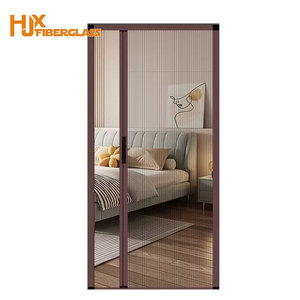
Wholesale Ready to Ship DIY Anti-Mosquito Net Door with Aluminum Alloy Frame Modern Polyester Screen for Hotel Use
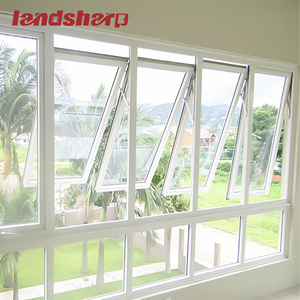
Modern Metal Aluminium Top Hung Awnings windows Custom Ventilation Aluminum Glass Awning Window Design for Toilet Bathroom
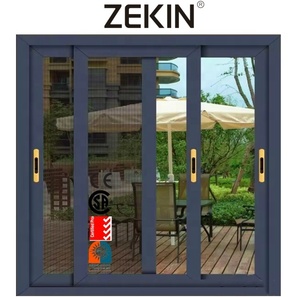
Sliding Window Hurricane Impact Proof Aluminum Energy Efficient NFRC AS2047 Glass Sliding windows Double Glass Aluminum Window
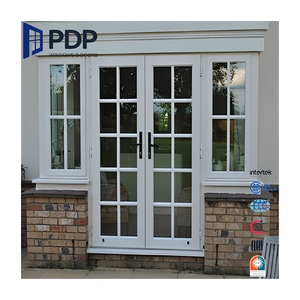
China Manufacturer Double Panels Swing French Style Aluminum Alloy Anti-Theft Entry Casement Door Interior & Exterior Available
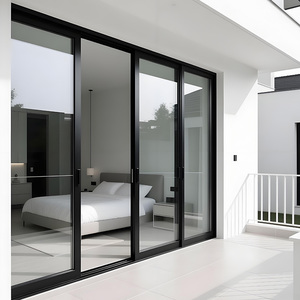
Aluminum Slim Profile Interior Door Waterproof Warm Edge Spacer Sliding Door For Apartment Project Large Sliding Patio Doors
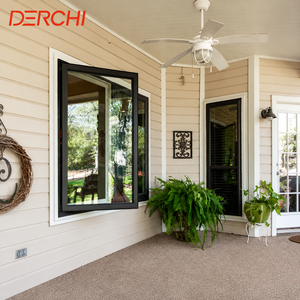
Accommodation Custom Moving Screen Windows Stained Glass Room Design Photos Arched Aluminum Windows Custom Multi-Purpose Windows
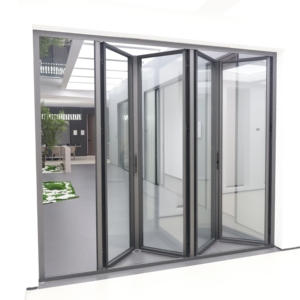
Lolands Modern Large Bi-Fold Aluminum Alloy Patio Sliding Glass Burglar-Proof Double Glass Waterproof Heat Insulation Door
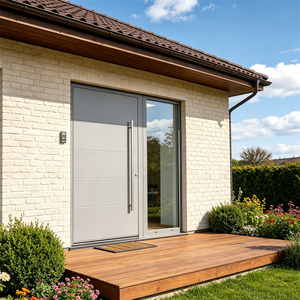
OEM/ODM Customized Modern Design Luxury Soundproof Aluminum Glass Villa House Front Entry Exterior Swing Security Entrance Door
Engineering Aluminum Composite Doors: OEM/ODM Sourcing Strategy for Global Developers
The contemporary building envelope is undergoing a fundamental structural transition. Modern architectural specifications demand fenestration systems that seamlessly unify ultra-low thermal transmittance (U-values), extreme structural wind pressure resistance, and minimal visual profiles. As real estate developers, facade engineers, and commercial procurement directors navigate global supply chains, partnering with qualified OEM/ODM aluminium composite doors factories and exporters has evolved from a simple purchasing decision into a core risk management strategy.
Aluminium composite door systems—which incorporate structural 6063-T5 virgin extruded profiles, polyamide thermal breaks (PA66GF25), and composite insulating cores—represent the zenith of modern entry and patio engineering. Manufactured out of premier industrial clusters such as Foshan, China, these systems combine high yield strength aluminum alloys with advanced weatherproofing assemblies, providing building projects with durable operational lifespans exceeding 50 years.
1. Metallurgical Excellence & Structural Mechanics
At the core of high-performance aluminium composite door manufacturing is profile selection. Reputable original equipment manufacturers (OEM) restrict production to primary virgin 6063-T5 aluminum alloy billets, avoiding recycled scrap metal that introduces micro-impurities and structural brittleness. Wall thicknesses typically range between 2.0 mm and 3.0 mm for structural load-bearing frame assemblies, providing maximum resistance against torsional shear, deflection under peak wind loading (exceeding 1,000 N pressure tolerances), and physical forced entry.
To eliminate the natural thermal conductivity of metallic aluminum, advanced thermal break engineering utilizes imported polyamide PA66GF25 reinforced strips. These mechanical isolation barriers separate the exterior ambient profile from the interior zone, reducing thermal bridge conductivity and ensuring whole-unit U-values drop to as low as 1.1 W/m²K when combined with argon-filled, warm-edge double or triple Insulated Glass Units (IGUs).
2. Corner Joinery Mechanics & Dual-Seal Technology
The structural integrity of a heavy-duty sliding, folding, or swing entrance door rests upon corner crimping precision. Industrial OEM/ODM fabrication leverages automated CNC dual-head cutting alongside German-engineered pin-and-glue corner assembly systems. Cast aluminum corner cleats, combined with two-component polyurethane corner adhesive, ensure structural rigidity while mitigating water infiltration at critical joints.
Furthermore, weatherproofing protocols rely on continuous, continuous-loop EPDM (Ethylene Propylene Diene Monomer) gasket lines. Utilizing three-tier sealing matrices across frame perimeters prevents air filtration rates from breaking strict international benchmarks, ensuring compliance with NFRC, CE, and Australian AS2047 standards.
Why Global Specifiers Partner with Our Foshan Manufacturing Hub
Operating from Foshan, China—the epicenter of global aluminum extrusion—Zenic Window & Door Technology Co., Ltd. provides complete OEM/ODM engineering integration for over 40 export destinations.
Integrated 20,000 m² Facility
Housing precision CNC profile machining centers, fully automated corner crimping lines, dust-free glass assembly, and strict multi-stage quality control gates under one roof.
Global Certification Compliance
Engineered, tested, and audited to meet NFRC (North America), CE marking (Europe), AS2047 (Australia), CSA, and ISO 9001 certified manufacturing protocols.
Bespoke OEM/ODM Capabilities
From custom aluminum profile die fabrication and unique RAL powder coating/wood-grain transfers to client branding and hardware specification.
Technical Performance Benchmark Matrix
Compare essential engineering attributes of aluminum composite door configurations to align with project specifications.
| System Configuration | Frame Depth | Thermal Transmittance (U-Value) | Acoustic Soundproofing (Rw) | Wind Pressure Rating | Target Application |
|---|---|---|---|---|---|
| Ultra-Slim Minimalist Sliding | 110 mm - 135 mm | 1.4 - 1.6 W/m²K | 35 - 38 dB | 800 - 1,000 Pa | Luxury High-Rise Apartments & Penthouses |
| Heavy-Duty Lift & Slide Door | 140 mm - 160 mm | 1.1 - 1.3 W/m²K | 40 - 44 dB | 1,200 - 1,500 Pa | Coastal Villas & High Wind Exposures |
| Thermal Break Bi-Fold System | 75 mm - 90 mm | 1.3 - 1.5 W/m²K | 36 - 40 dB | 900 - 1,100 Pa | Commercial Terraces & Resort Transitions |
| Luxury Front Entry Swing Door | 85 mm - 100 mm | 1.2 - 1.4 W/m²K | 42 - 46 dB | 1,000 - 1,300 Pa | Private Residential Villas & Hotel Entrances |
| French Style Anti-Theft Swing | 65 mm - 80 mm | 1.5 - 1.8 W/m²K | 34 - 38 dB | 850 - 1,050 Pa | Residential Entryways & Secure Courtyards |
Future Trends in Aluminum Composite Door Development
Emerging engineering paradigms shaping the next decade of architectural fenestration and global door manufacturing.
Ultra-Narrow Sightlines & Hidden Frames
Architectural demand is rapidly moving toward invisible frame profiles where the outer jambs and headers are fully embedded within structural walls. Interlock stiles are narrowing down to 18–22 mm without compromising wind load capabilities through structural titanium-alloy reinforcement internal ribs.
BAPV & Dynamic Smart Glass Integration
Next-generation composite entrance doors are integrating Building-Attached Photovoltaics (BAPV) alongside Electrochromic Smart Glass. This allows real-time tinting control via modern automated building control systems while harvesting solar energy to power integrated motorized opening mechanisms.
Low-Carbon Circular Aluminum Sourcing
Driven by European ESG mandates and global green building standards (LEED / BREEAM), exporters are shifting toward certified low-carbon aluminum smelted using hydroelectric energy, guaranteeing embedded carbon footprints under 4.0 kg CO2e per kg of finished aluminum alloy frame.
Procurement Trends for International B2B Buyers
How global developers, wholesalers, and general contractors are adapting their sourcing strategies for maximum margin efficiency.
1. Modular Prefab Alignment
Procurement teams require factory-pre-glazed units with pre-installed hardware sub-assemblies to cut expensive on-site installation labor costs in Western markets by over 40%.
2. Direct OEM Engineering Integration
Bypassing intermediary trading houses, importers connect their CAD design teams directly with OEM factory drafters to review shop drawings and eliminate costly revision cycles.
3. Container Optimization Protocols
Advanced 3D packing software allows factories to maximize 40ft HQ container cubic utilization, fitting custom door frames alongside knock-down (KD) window systems to reduce ocean freight rates per unit.
4. Rigorous Mock-Up Testing
For major multi-family development projects, developers mandate factory pre-shipment prototype mock-up testing for water penetration, operational cycling, and finish consistency.
Frequently Asked Technical Procurement Questions
Answers to common structural, logistics, and customization queries raised by international project buyers.
Ready to Optimize Your Project's Fenestration Schedule?
Connect with our structural engineering team for drawing reviews, detailed U-value calculations, and competitive OEM/ODM factory-direct quotations within 24 hours.