Executive Architectural Whitepaper: Engineering High-Performance OEM/ODM Aluminium & Fiber Composite Door Systems
In modern architectural engineering, the demand for fenestration products has evolved far beyond basic structural partitioning. Global building standards such as energy efficiency codes (ASHRAE 90.1, EN ISO 10077, and Canada Energy Star) now demand ultra-low thermal transmittance, exceptional wind-load resistance, structural longevity, and sophisticated aesthetic profiles. As primary OEM/ODM Aluminium Fiber Door Manufacturers, our engineering philosophy bridges the gap between raw metallurgy and advanced material science. By pairing virgin 6063-T5 architectural-grade aluminum extrusions with high-density glass-fiber reinforced polyamide thermal break profiles (PA66GF25), we produce fenestration systems capable of enduring severe coastal weather, extreme thermal differentials, and high-frequency commercial operation.
The integration of composite fiber technology into traditional aluminum profiles resolves the fundamental physical compromise of aluminum doors: thermal bridging. Unreinforced aluminum exhibits high thermal conductivity (~200 W/mK). By engineering multi-chambered polyamide fiber inserts into a structural split-frame geometry, we effectively reduce profile thermal conduction down to coefficient levels achieving overall system U-values as low as 1.1 W/m²K. Furthermore, high-tensile glass fibers within the thermal break match the coefficient of thermal expansion of structural aluminum, eliminating frame warping, shear failure, and gas-seal degradation under extreme temperature swings ranging from -40°C to +80°C.
OEM/ODM Product Engineering & Selection Matrix for Commercial & Residential Applications
Procurement directors, architects, and real estate developers face distinct structural challenges depending on project typography. Selecting the correct system geometry, sash weight capacity, glass configuration, and locking mechanism is critical to minimizing life-cycle maintenance costs. Below, our engineering department outlines the benchmark technical parameters of our premier custom aluminum-fiber door and window systems:
| System Category | Structural Profile Depth | Thermal Transmittance (U-Value) | Acoustic Insulation (Rw) | Max Sash Load / Hardware Rating | Primary Industry Certifications |
|---|---|---|---|---|---|
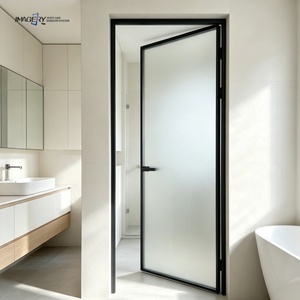
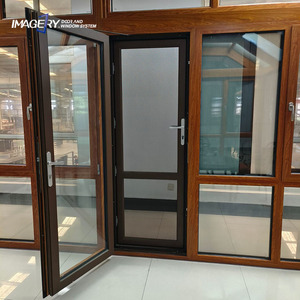
| Thermal Break Casement Doors | 65 mm – 90 mm | 1.1 – 1.4 W/m²K | 38 – 45 dB | 180 kg (Heavy-Duty Friction Stays) | CE, NFRC, ISO 9001, CSA |
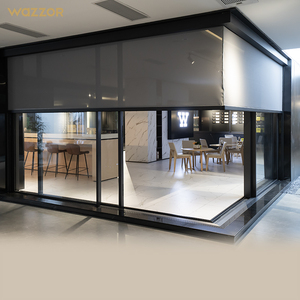
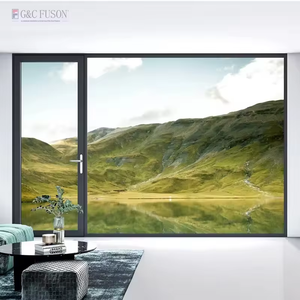
| Panoramic Narrow-Frame Sliding | 110 mm – 150 mm | 1.3 – 1.6 W/m²K | 35 – 42 dB | 400 kg (Stainless Lift-Slide Rollers) | AS2047, AAMA, Intertek |
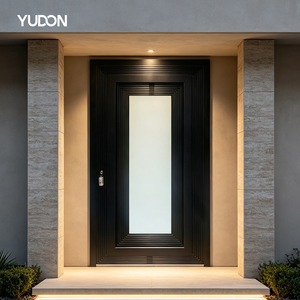
| Hurricane Impact Entry Doors | 80 mm – 100 mm | 1.2 – 1.5 W/m²K | 40 – 48 dB | 250 kg (Multi-Point Deadbolt) | AAMA Impact, Florida Product Approval |
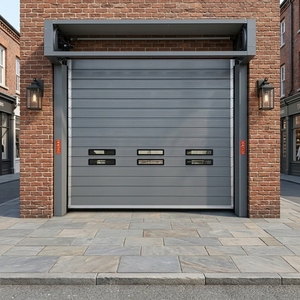
| High-Speed Industrial Spiral Doors | 120 mm Track System | 1.8 – 2.2 W/m²K | 28 – 35 dB | Motorized High-Cycle Counterbalance | CE Industrial Machinery, ISO 9001 |
Every system engineered in our Foshan facility features custom surface processing tailored to the target environmental zone. For severe marine environments (such as coastal villas and island resorts), profiles undergo double-pass PVDF (Polyvinylidene Fluoride) fluorocarbon spraying or 25-micron anodization, resisting salt spray corrosion for over 30 years without pitting or color degradation. For interior luxury applications, high-definition thermal vacuum transfer technology applies authentic timber textures (such as American Walnut, Teak, and White Oak) directly onto the aluminum profile, offering the warm luxury of real wood with zero risk of termite damage or moisture swelling.
Future Procurement Trends in Global Architectural Fenestration (2025–2030)
As global carbon-neutrality initiatives take center stage across Europe, North America, and the Middle East, the international procurement landscape for aluminum and fiber doors is shifting radically. B2B buyers, general contractors, and door importers are no longer selecting suppliers based on profile price per ton alone. The key procurement drivers over the next decade focus on total life-cycle performance, regulatory traceability, and automated custom production.
Furthermore, supply chain resilience has become a paramount strategic objective. B2B buyers require agile OEM/ODM manufacturing hubs capable of rapid prototyping, custom die extrusion within 15–20 days, and flexible Minimum Order Quantities (MOQs). By maintaining an integrated supply chain in Foshan—encompassing raw aluminum extrusion, anodizing, glass processing, and hardware assembly under one roof—we eliminate middleman bottlenecks and guarantee strict lead-time delivery for phased megaprojects.
Future Technological & Structural Trends in Fiber-Aluminum Hybrid Engineering
The frontier of architectural door design is defined by the quest for maximum transparency paired with maximum energy conservation. Traditional structural aluminum systems often suffered from excessive sightline bulk when engineered for high wind zones. However, the application of composite fiber reinforcement inside aluminum extrusions is revolutionizing structural capabilities:
1. Ultra-Slim Interlocking Stiles: By inserting continuous carbon-fiber or heavy-duty glass-fiber reinforcement cores into the vertical interlocking stiles of panoramic sliding doors, sash face widths can be minimized down to an extraordinary 18 mm to 22 mm while supporting glass sashes weighing over 400 kg. The fiber core provides immense flexural strength, resisting wind pressures exceeding 5,000 Pa (equivalent to Category 5 hurricanes) without excessive deflection (L/175).
2. Aerogel-Enhanced Thermal Chambers: Next-generation thermal break aluminum profiles combine PA66GF25 structural fiber strips with nano-porous aerogel insulation injected directly into the multi-chamber profile voids. This hybrid composite architecture limits convective and radiant heat transfer within the profile frame, pushing U-values down below 0.8 W/m²K, enabling aluminum doors to achieve ultra-rigorous Passive House insulation standards.
3. Concealed Drainage & Flush Threshold Ergonomics: Modern architectural luxury demands barrier-free transitions between interior living rooms and outdoor living spaces. Advanced hidden sub-frame drainage channels feature pressure-equalized check valves that evacuate rainwater rapidly during flash storms while preventing wind back-draft and water ingress, even when thresholds are installed completely flush with floor finishes.
Frequently Asked Questions (FAQ) for Global Procurement & Engineering Teams
To streamline technical submittals and purchasing decisions, our engineering team answers the primary questions asked by overseas contractors, architects, and distributors:
Enterprise Manufacturing Infrastructure & Quality Control Systems
Operating out of a modern 20,000 square meter industrial facility in Foshan, Guangdong—the world's hub for premium aluminum production—Zenic Window & Door Technology Co., Ltd. combines advanced German CNC automation with rigorous ISO 9001 quality management protocols. Our production floor operates computerized double-head miter saws, automated 4-axis CNC machining centers for precise hardware slotting, pneumatic corner crimping machines with dual-component glue injection, and automated insulating glass production lines.
Our product lines carry full international compliance testing, including NFRC certification for North America, CE marking for the European Union, AS2047 structural testing for Australia, CSA certification for Canada, and AAMA hurricane impact compliance. By maintaining rigorous control over raw material procurement, thermal break insertion, glazing assembly, and final packaging, we deliver engineered fenestration products trusted by builders and developers across more than 40 countries worldwide.