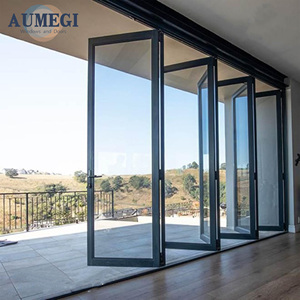
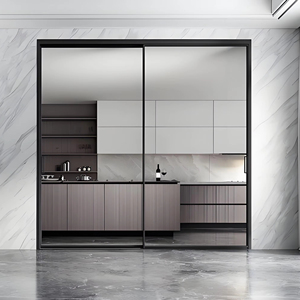
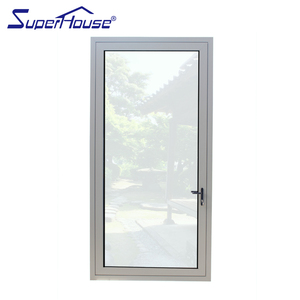
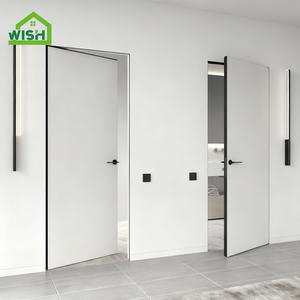
Featured OEM/ODM Architectural Window & Door Systems
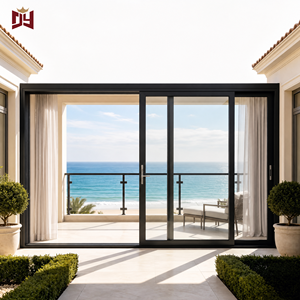
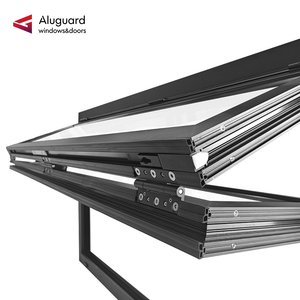
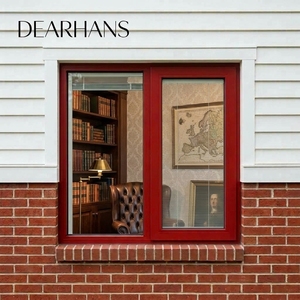
Explore our factory-direct aluminum clad timber and high-grade thermal break system portfolio, fully customizable for international commercial, multi-family, and luxury residential projects.
Why Leading Global Developers Partner with Zenic Window Technology
Headquartered in Foshan, China—the epicenter of global aluminum extrusion engineering—Zenic combines advanced manufacturing automation with specialized timber craftsmanship to deliver export-grade fenestration systems.
Virgin 6063-T5 Profile Integrity
We strictly utilize 100% prime virgin aluminum alloy extrusions with 2.0mm to 3.0mm heavy-duty structural wall thicknesses. Zero recycled scrap metal is permitted, guaranteeing extreme structural rigidity, wind-load deflection resistance up to 5000 Pa, and flawless powder coating adhesion.
FSC-Certified Engineered Timber
Our wood profiles undergo meticulous kiln-drying down to 8%–12% moisture equilibrium. Utilizing multi-layer finger-jointed laminated wood (Glulam) such as Larch, Oak, Teak, and Pine, we neutralize interior stress vectors to prevent checking, twisting, or thermal warping.
Rigorous Testing & Certification
Engineered for stringently regulated import markets. Our systems are certified and audited to NFRC (North America), CE (Europe), AS2047 (Australia), CSA (Canada), and ISO 9001 standards, providing effortless building code sign-offs for architects and main contractors.
Full In-House OEM / ODM Engineering
From architectural CAD detailing, custom profile die creation, hardware customization (Siegenia, Hoppe, Roto), to private-label packaging and customized RAL color matching, Zenic delivers turn-key manufacturing flexibility for global fenestration brands.
Multi-Stage Sealing & Corner Glue Injection
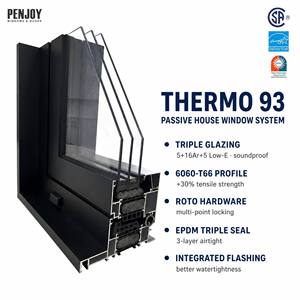
Every frame joint features cast-aluminum corner keys sealed via dual-component anaerobic glue injection technology. Continuous EPDM weatherstripping gaskets form a seamless 3-tier barrier against water ingress and sound transmission.
Export Crating & Timely Logistics
Units arrive pre-glazed, hardware-tested, and wrapped in protective film with corner guards inside fumigated plywood crates. Located near Foshan and Shenzhen ports, we offer reliable lead times starting at 15 days.
Technological Evolution of Aluminum Clad Wood Systems
Understanding the structural engineering, thermal physics, and material science behind modern composite fenestration.
Structural Design Extruded Aluminum Shell vs. Roll-Formed Cladding
In high-end B2B fenestration, the distinction between standard wood-clad windows and heavy-duty Aluminum Clad Wood Systems lies in the metal attachment mechanism. Early generations used thin roll-formed aluminum skins wrapped directly onto timber, leading to moisture entrapment, paint peeling, and thermal tension shear during seasonal temperature swings.
Modern Zenic OEM/ODM systems utilize heavy gauge extruded aluminum alloy (6063-T5) profiles ranging from 1.8mm to 2.5mm in thickness. Crucially, the aluminum exterior is connected to the interior timber frame via high-grade polymer floating clips (nylon / polyamide fasteners). This creates an engineered 5mm to 8mm ventilation cavity between the materials while facilitating differential linear thermal expansion without stressing the frame joinery.
Material Science Timber Processing & Moisture Equilibrium Control
Timber provides superior aesthetic warmth and natural thermal insulation ($K \approx 0.13 \text{ W/mK}$), but raw solid timber is susceptible to environmental hygroscopic stress. Zenic addresses this through advanced chemical and structural pretreatment:
- Laminated Finger-Jointed Construction (Glulam): Solid wood is converted into 3-ply or 4-ply reverse-grain laminated timbers. Radial and tangential grain directions are counter-balanced to cancel internal kinetic tension.
- Vacuum Pressure Impregnation: Timber profiles pass through organic water-based anti-fungal, anti-rot, and insecticidal dip baths (Remmers or Sikkens systems).
- Four-Coat Micro-Porous Painting: Environmentally friendly waterborne acrylic finishes are electrostatically applied, creating a breathable layer that blocks liquid moisture while allowing micro-vapor diffusion.
Thermal Physics Passivhaus Standard & Low-E IGU Configuration
When combined with triple-pane insulated glass units (IGUs), warm-edge composite spacers, and 90% Argon gas filling, aluminum clad wood windows eliminate thermal bridging entirely. Below is a engineering matrix comparing structural performance across window frame technologies:
| System Category | Frame Thermal Conductivity (Uf) | Overall Window U-Value (Uw) | Acoustic Reduction (STC) | Structural Longevity |
|---|---|---|---|---|
| Aluminum Clad Wood (Zenic Series) | 0.95 – 1.2 W/m²K | 0.79 – 1.1 W/m²K | 38 – 45 dB | 40+ Years |
| Standard Thermal Break Aluminum | 1.8 – 2.4 W/m²K | 1.3 – 1.8 W/m²K | 32 – 36 dB | 30 Years |
| Unbroken Aluminum Frame | 5.8 – 7.0 W/m²K | 2.8 – 3.5 W/m²K | 26 – 30 dB | 20 Years |
| uPVC / Vinyl Windows | 1.5 – 2.0 W/m²K | 1.2 – 1.6 W/m²K | 28 – 32 dB | 15 – 20 Years |
Future Procurement Trends in B2B Architectural Fenestration (2025–2030)
As international building energy codes tighten, global commercial procurement teams, property developers, and window importers must align with key structural macro-trends.
1. Embodied Carbon & Environmental Product Declarations (EPD)
European Union (EPBD directives) and North American green building councils (LEED v4.1) are shifting focus from operational carbon to embodied carbon footprint. Timber acts as a carbon sink during its growth cycle. By sourcing FSC-certified timber coupled with low-carbon primary aluminum, procurement teams significantly reduce scope 3 upstream emissions for building envelopes.
2. Ultra-Narrow Sightlines & Flush Architectural Integration
Architects increasingly demand minimal sash profiles that maximize natural day-lighting without compromising structural wind load capabilities. Modern B2B sourcing favors customized tilt and turn casements and lift-and-slide doors with hidden hinges, concealed drainage, and interior timber frames mounted flush to interior drywall panels.
3. Smart Fenestration & Integrated Building Automation
Commercial and high-end residential buyers are moving toward motorized multi-point lock hardware, integrated magnetic sensor switches, and electrochromic (smart dynamic tinting) glass integration. OEM suppliers are expected to pre-wire profiles with concealed cable channels compatible with KNX and smart home protocols.
4. Extreme Weather Resilience & Impact Certification
Due to increasing storm intensity, global buyers require severe weather compliance. Sourcing requirements now combine impact-resistant laminated glass (PVB/SGP interlayers) with heavy-duty structural aluminum cladding rated for hurricane zones (ASTM E1886/E1996 and Australian AS2047 high wind pressure ratings).
Frequently Asked Questions for B2B Importers & Contractors
Everything you need to know about specifying, ordering, and importing OEM/ODM aluminum clad wood fenestration systems from China.
What is the fundamental difference between aluminum clad wood and wood clad aluminum windows?
The core distinction lies in which material serves as the structural backbone:
Aluminum Clad Wood: The window frame is predominantly heavy solid engineered timber (structural load-bearing), with an exterior shield of extruded aluminum alloy clips mounted to the outside for weather protection. This yields maximum thermal insulation and interior warmth.
Wood Clad Aluminum: The frame is primarily structural aluminum alloy with a thermal break strip, and thin decorative wood veneers are attached to the interior surface. Zenic supplies both options depending on your project budget and regional climate demands.
How does Zenic prevent wood rot, swelling, and moisture damage on the internal wood side?
Protection against environmental humidity involves a three-tier preventive manufacturing process:
1. Kiln Drying: Raw timber moisture content is controlled down to 8%–12%, eliminating internal stress.
2. Chemical Dipping: Timber parts are fully submerged in waterborne preservative baths to resist fungi, mold, and termites.
3. Floating Outer Cladding: The aluminum exterior shell is offset by a continuous 5–8mm air gap, providing continuous gravity drainage and back-ventilation so moisture never collects against the wood surface.
What wood species and surface finishes can be specified for custom OEM/ODM orders?
We provide a wide array of premium, sustainably sourced timber species including Siberian Larch, American Red Oak, Teak, Black Walnut, Pine, and Red Eucalyptus. Exterior aluminum cladding can be treated with PPG/AkzoNobel PVDF fluorocarbon coatings, powder-coated to any standard RAL color, or anodized for coastal anti-corrosion performance.
What are your Minimum Order Quantities (MOQ) and production lead times for export orders?
Our baseline Minimum Order Quantity starts at 50 window/door units or a minimum project glazed surface area of 100 square meters. We permit mixed window types (e.g., casement, tilt & turn, lift & slide) within a single container order. Standard production lead times run between 20 to 35 business days following shop drawing approval and deposit confirmation.
What packaging and shipping protocols ensure glass and timber arrive undamaged?
Every fenestration unit undergoes rigorous 5-layer export packaging: 1) Protective PE scratch-proof film over profiles; 2) Corner rubber guards; 3) EPE foam wrapping; 4) Heavy corrugated cardboard wraps; and 5) Fully sealed, fumigation-free plywood crates loaded with pneumatic air bags inside sea freight containers to eliminate movement during transit.
Do your systems satisfy North American NFRC and Australian AS2047 performance codes?
Yes. Zenic windows have undergone independent laboratory testing at accredited centers (Intertek, TUV, SGS) to verify compliance with NFRC thermal standards (U-factor, SHGC, VT), Australian AS2047 / AS1288 structural deflection and water penetration tests, European CE EN 14351-1 norms, and CSA standards for Canadian projects.
Ready to Elevate Your Next Architectural Project?
Send us your architectural elevations or window schedules today. Our engineering department will generate detailed CAD shop drawings, thermal calculations, and factory-direct quotation proposals within 24 hours.