Catalog Highlights
Featured OEM/ODM Architectural Window & Door Systems
Precision-engineered aluminum profiles featuring advanced wood grain finishes, hurricane impact resistance, and passive thermal insulation.
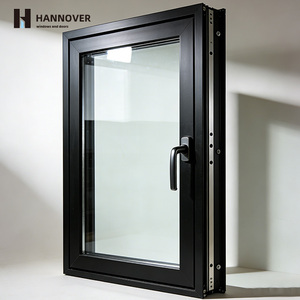
Slim Frame Aluminum Casement Window Stainless Steel Double Glass Thermal Break Modern Swing High End Architectural Minimalist
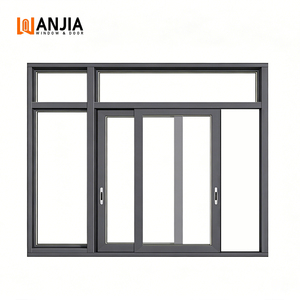
WANJIA Hurricane Impact Resistance Sliding Windows Aluminium Windows And Doors Others Sliding Window For House
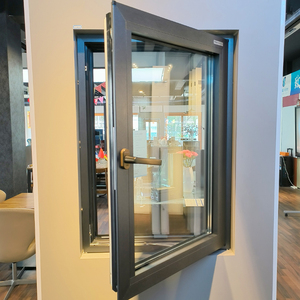
European Style Energy Star Energy Efficient Thermal Break Aluminium Triple Glazed Aluminum Passive House Windows
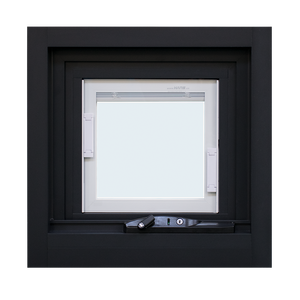
Janelas De Aluminio / Pictures Aluminum Window and Door / Australian Standard windows
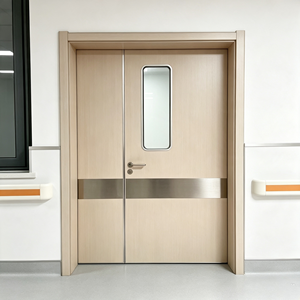
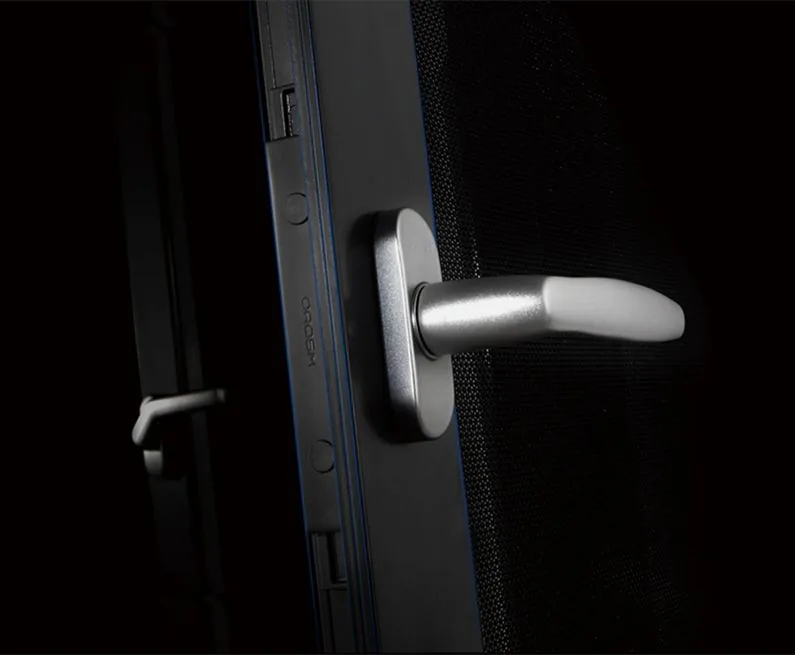
Aluminium Interior Screen Door Australia Crimsafe 304 Stainless Steel Security Door Anti-theft Casement Modern Design
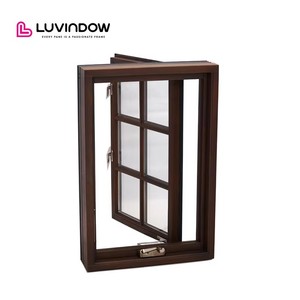
Weather Resistant Aluminum Clad Wood Windows Heat Insulated Crank Casement Windows for Home Airflow Design
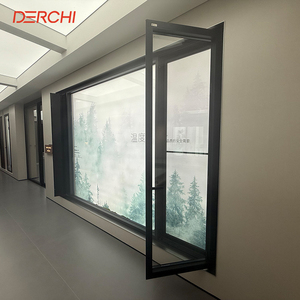
DERCHI Customized Fixed windows Double Tempered Insulating Broken Bridge windows Slim Profile Aluminium Casement windows
Industry Whitepaper
Engineering & B2B Procurement Analysis: Aluminum Wood Finish Doors
Understanding the metallurgical, surface transfer, and thermal envelope technologies driving modern architectural window and door manufacturing.
Information Gain Insight: Modern OEM/ODM aluminum wood finish doors solve the chronic degradation issues of natural timber—such as warping, moisture absorption, insect infestation, and structural expansion—by combining prime 6063-T5 structural aluminum alloys with hyper-realistic 3D/4D sublimation wood grain technology and polyamide thermal barrier systems.
1. Surface Treatment Technologies: Vacuum Heat Transfer vs. Fluorocarbon Timber Coating
When specifying wood-look aluminum doors for commercial, hospitality, or luxury residential developments, architectural specifiers must evaluate the underlying surface sublimation chemistry. B2B procurement managers typically choose between two primary finishing methodologies:
Sublimation Heat Transfer (Vacuum Film)
A base layer of specialized polyurethane or polyester powder coating is electrostatically applied to the 6063-T5 profile. Next, a cellulose wood pattern film is wrapped around the profile under high vacuum suction. Cured at 190°C–200°C, the ink pigments sublime directly into the powder layer, creating organic timber depth (Oak, Walnut, Teak, Mahogany) resistant to mechanical peeling.
PVDF Fluorocarbon Architectural Finish
Engineered for coastal high-rise applications subject to extreme UV exposure and saline fog. PVDF (Polyvinylidene Fluoride) coatings meet AAMA 2605 specifications, delivering 20+ year color retention, zero chalking, and superior chemical inertness while maintaining ultra-realistic wood texture detailing.
2. Structural Profile Architecture: Polyamide PA66GF25 Thermal Break Integration
Aluminum is inherently a highly conductive material ($k \approx 160\text{ W/m}\cdot\text{K}$). To meet global green building standard requirements (LEED, ENERGY STAR, Passive House Institute), modern OEM/ODM factories insert precision-extruded polyamide thermal break strips (PA66GF25—polyamide 66 reinforced with 25% glass fiber) between the interior and exterior profile extrusions.
This thermal break composite frame interrupts heat transfer pathways, drastically reducing thermal bridging. Coupled with double or triple insulated glass units (IGU) featuring Low-E coatings and argon gas fill, overall thermal transmittance (U-values) drops to as low as 1.1 W/m²K.
20,000+
m² Factory Base
40+
Global Export Markets
1.1
W/m²K Lowest U-Value
200,000
Cycle Hardware Testing
Market Intelligence
Future Sourcing & Procurement Trends (2025–2030)
Strategic insights for real estate developers, window importers, and general contractors navigating the next decade of fenestration technology.
1. Net-Zero Energy & Decarbonization Mandates
Strict energy codes across Europe, North America, and Oceania require lower solar heat gain coefficients (SHGC) and minimal air infiltration rates. B2B buyers are shifting orders toward multi-chamber thermal break profiles with structural EPDM co-extruded gaskets and warm-edge spacers.
2. Minimalist Ultra-Slim Sightlines
Architectural trends favor flush thresholds, concealed hinges, and ultra-narrow interlocking stile widths (down to 20mm–25mm). Modern OEM wood finish sliding door factories must balance slender aesthetics with wind-load structural calculations up to 5.0 kPa.
3. Smart Home & Motorized Automation
Integration of concealed electric actuator motors, biometric smart entry locks, automatic sensors, and smart glass tinting (electrochromic IGU) directly into OEM aluminum door frames during factory assembly.
4. Recyclability & Circular Materials
Prime aluminum extrusions derived from hydro-powered smelters (low carbon footprint aluminum billet) are becoming standard project submittal prerequisites for green building accreditation.
5. Compressed OEM Factory Lead Times
With automated 5-axis CNC machining centers and digital CAD/CAM workflow integration, top manufacturers reduce custom die extrusion and prototyping timelines from months to under 15–20 days.
Engineering Specifications
Aluminum Wood Finish Door Technical Matrix
Comprehensive physical and mechanical properties benchmarked against international fenestration testing protocols.
| Performance Parameter | Technical Specification | Test Standard / Certification | B2B Value Impact |
|---|---|---|---|
| Base Alloy Substrate | 6063-T5 Prime Architectural Aluminum (Wall Thickness 1.4mm - 2.5mm) | GB/T 5237.1 / ASTM B221 | Ensures high tensile strength, precise corner crimping, and non-deforming profile rigidity. |
| Wood Finish Process | Vacuum Heat Transfer Sublimation / Qualicoat Powder Base / PVDF Fluorocarbon | Qualicoat Class 2 & 3 / AAMA 2604 & 2605 | Guarantees UV resistance, non-fading color stability, anti-scratch surface, and zero maintenance. |
| Thermal Insulation | Polyamide PA66GF25 Thermal Break Strips + Double/Triple Glazed Low-E Units | NFRC 100/200 / EN ISO 10077 | Lowers U-values to 1.1–1.6 W/m²K, meeting passive energy target specifications. |
| Water Tightness | Three-Stage EPDM Continuous Sealing Gaskets + Concealed Pressure Equalized Drainage | ASTM E331 / AS4420 / BS EN 12208 | Prevents water ingress during extreme monsoon storms and high wind pressures (up to 700 Pa). |
| Air Infiltration | Concealed Multi-Point Compression Locks & Interlocking Weather-stripping | ASTM E283 / AS2047 / EN 12207 | Eliminates structural air leaks, reducing HVAC operating costs in luxury commercial structures. |
| Acoustic Isolation | Multi-Chamber Structure + Laminated Acoustic PVB Glass Configuration | ASTM E90 / ISO 140-3 (STC 38–44 dB) | Provides superior sound dampening for urban hotels, residential villas, and airport zone developments. |
Factory Capacities
Why Direct OEM/ODM Manufacturing with ZENIC Delivers Competitive Edge
Headquartered in Foshan—China's capital of aluminum extrusion technology—we bridge raw material supply chains with rigorous international compliance standards.
Precision Fabrication from Billet to Shipped Container
Our modern 20,000 square meter manufacturing hub houses automated CNC dual-head cutting saws, 5-axis milling machines, automatic corner crimping equipment, and dedicated glass assembly lines. Operating under strict ISO 9001 quality management guidelines, every window and door system undergoes rigorous 100% pre-shipment inspection.
- ✓ 6063-T5 Virgin Aluminum Alloys Only (Zero Recycled Scrap Contamination)
- ✓ Customized Profile Dies, Custom RAL Color Matching & Private Branding
- ✓ Full Compliance Testing: NFRC, CE, CSA, AS2047, AAMA, and Intertek
- ✓ Export-Grade Fumigation-Free Plywood Crating with EPE Foam Protection
Procurement Guidance
Frequently Asked Questions (FAQ) for Global Buyers
Clear, expert answers regarding OEM customization, minimum order limits, testing standards, and logistics workflows.
What is the Minimum Order Quantity (MOQ) for custom OEM/ODM orders?
Our baseline factory MOQ starts at 50 units per project order. Buyers are permitted to combine multiple opening types—such as casement windows, heavy-duty sliding doors, bi-fold doors, and tilt-and-turn units—within a single LCL or FCL container shipment to reach minimum volume thresholds efficiently.
How do wood-grain finishes perform in tropical or high-UV environments?
Our OEM sublimation wood finishes utilize Qualicoat Class 2/3 certified architectural powder coatings paired with UV-stabilized sublimation inks. Under accelerated weather testing (QUV 3,000+ hours), profiles exhibit zero flaking, peeling, or significant color shift (Delta E < 2.0), making them ideal for high-humidity coastal zones and intense tropical solar exposure.
What is the typical production and delivery lead time?
Standard manufacturing lead time is 15 to 25 days from final shop drawing approval and deposit receipt. Lead times vary depending on special surface treatments (e.g., custom wood grain shades or anodized colors) and triple-glazed Low-E glass configurations. Shipments leave FOB Foshan or Shenzhen ports directly.
Can you manufacture according to regional building codes (AS2047, NFRC, CE)?
Yes. Our engineering team customizes wall thicknesses, glass build-ups (laminated, heat-soak tested, impact-rated), and multi-point hardware configurations to comply specifically with Australian Standard AS2047/AS1288, North American NFRC/AAMA specs, and European CE marking directives.
What support is available for custom profile engineering (ODM)?
We provide end-to-end ODM solutions, including 3D cross-sectional CAD drafting, structural wind-load simulations, rapid prototype die cutting, custom hardware integration, and personalized protective film branding tailored for distributors and regional window brands.
How are heavy glazed doors protected during sea freight transit?
All finished units are fully assembled or semi-knocked-down (SKD), wrapped in protective EPE foam and film, fitted with corner impact guards, and packed inside fully enclosed, fumigation-free plywood wooden crates. This packaging maintains zero glass breakage across thousands of container shipments to North America, Europe, the Middle East, and Australia.
Start Your Sourcing Order
Request Custom Architectural Drawings & Factory Price Quote
Send us your window schedules, elevation plans, or specification sheets. Our facade engineering team will return complete shop drawings, U-value calculations, and competitive FOB quotes within 24 hours.
Get Catalog