Featured Architectural Doors & Systems
Explore our primary export-grade aluminium folding, casement, and high-performance system doors engineered for international structural standards.
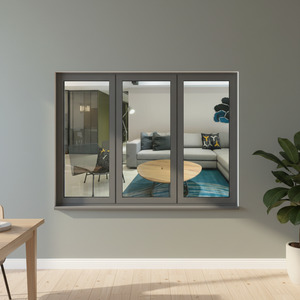
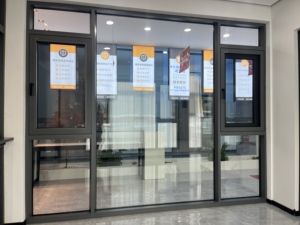
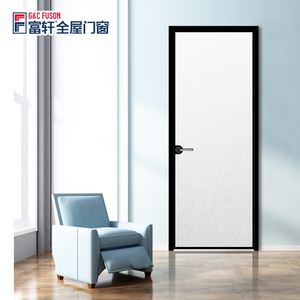
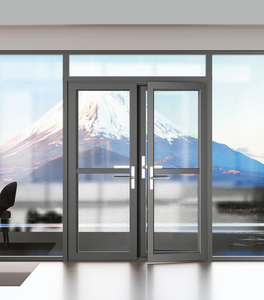
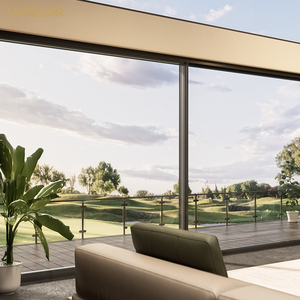
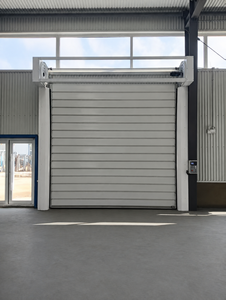
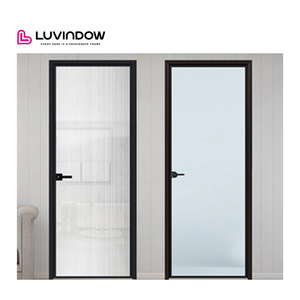
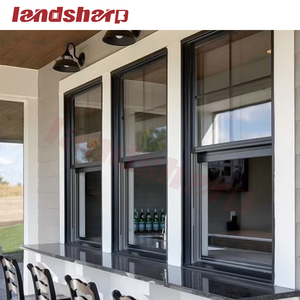
Global Architectural Shift Toward High-Performance Aluminium Collapsible Doors
Aluminium collapsible doors—commonly classified as bi-fold, folding sliding, or concertina doors—have transitioned from decorative residential upgrades to essential structural components in modern sustainable architecture.
In contemporary commercial developments, luxury residential villas, and coastal hospitality projects, building envelopes require maximum daylight transparency paired with uncompromising thermal efficiency and structural integrity. Aluminium collapsible systems excel here by providing seamless wide-span openings that stack neatly against adjacent walls, effectively merging indoor living spaces with outdoor environments.
However, evaluating global suppliers requires navigating vast differences in extrusion metallurgy, thermal break integration, hardware load capacity, and climate-specific air/water tightness ratings. This comprehensive industry report evaluates the leading global suppliers based on verified manufacturing parameters, material certification compliance (including NFRC, CE, AS2047, and AAMA), engineering innovation, and international supply chain agility.
Top 10 Global Aluminium Collapsible Door Manufacturers
An in-depth analysis of world-class manufacturers setting benchmarks in structural engineering, thermal insulation, and custom OEM/ODM exporting capabilities.
1. Zenic Window & Door Technology Co., Ltd. (ZENIC)
Zenic Window & Door Technology Co., Ltd. stands as a premier manufacturer operating from Foshan, the epicenter of global aluminum extrusion supply chains. Engineered specifically for demanding international projects, ZENIC's thermal break folding and collapsible door systems feature heavy-duty 6063-T5 aluminum profiles with structural wall thicknesses up to 2.0mm. Utilizing advanced Technoform polyamide thermal barrier strips and multi-point security hardware, ZENIC systems achieve U-values down to 1.1 W/m²K while withstanding wind load pressure tests of up to 1,000 N.
ZENIC provides complete turnkey support—from architectural shop drawing approval to sea-worthy custom crating. With flexible MOQs starting from 50 pieces and standard project lead times starting from 15 days, ZENIC is a preferred OEM/ODM engineering partner for global distributors, developers, and general contractors.
2. Schüco International KG
Schüco is recognized globally for setting German engineering benchmarks in building systems. Their folding sliding doors (such as the AS FD 75 / AS FD 90 series) deliver exceptional acoustic protection and passive-house level thermal efficiency. While positioning at a premium price point, their hardware precision and architectural legacy make them a benchmark for high-budget European projects.
3. Reynaers Aluminium
Reynaers Aluminium develops sustainable, architectural aluminum bi-fold doors like the CF 77 series. Known for versatile opening configurations—including main entry sash options and slim sightlines—Reynaers integrates high-level insulation with sleek modern aesthetics tailored for mid-to-high end commercial developments.
4. Origin Global
Origin is a specialized UK manufacturer focused exclusively on aluminum doors and windows. Their OB-36 and OB-49 bi-fold ranges feature ultra-slim sightlines, child-safe finger gaskets, and custom marine-grade powder coating finishes designed to endure humid coastal environments.
5. Centor Australia
Centor revolutionized the folding door market by introducing integrated insect screens and blackout shades built directly into the door frame. Centor’s systems are widely specified in high-end residential projects across Australia and North America where insect control and solar shading are critical.
6. Cortizo Aluminium Systems
Cortizo is a major European extruder known for ultra-slim, minimalist bi-fold and sliding systems. Their bi-fold profile designs prioritize maximum glass area, making them highly popular among European architects designing contemporary residential homes.
7. Alumil Architectural Systems
Alumil produces heavy-duty architectural systems like the Supreme SF85 folding door. Designed to handle extreme sash heights and heavy triple-glazed units, Alumil systems are frequently specified for commercial hospitality terraces and severe weather zones.
8. Western Window Systems
As a prominent manufacturer in the US market, Western Window Systems specializes in large-scale multi-slide and bi-fold door systems engineered specifically to comply with North American energy codes (Title 24, NFRC) and modern architectural styles.
9. YKK AP Inc.
YKK AP delivers Japanese industrial precision across its commercial fenestration lines. Known for rigorous air filtration and water penetration testing, YKK AP systems are built for long-term durability in high-density urban developments.
10. Foshan Fuson / Wazzor Architectural Door Group
Operating out of the Foshan cluster, Fuson and Wazzor produce a broad portfolio of custom interior and exterior collapsible glass doors, security swing doors, and heavy-duty patio sliding systems serving regional export markets across Southeast Asia, Africa, and South America.
Engineering & B2B Sourcing Comparison Matrix
Compare technical parameters, certification standards, and lead times across major global manufacturing regions.
| Manufacturer / Region | Alloy Grade | Thermal Break Tech | System U-Value | Max Sash Load | Export Lead Time | Primary Certifications |
|---|---|---|---|---|---|---|
| ZENIC (China) | 6063-T5 Prime | Polyamide PA66GF25 | 1.1 – 1.4 W/m²K | 300 kg / sash | 15 – 25 Days | CE, NFRC, AS2047, CSA, ISO9001 |
| German Tier-1 (Schüco) | EN AW-6060 | Multi-chamber PA | 0.9 – 1.3 W/m²K | 250 kg / sash | 45 – 75 Days | CE, DIN, Passive House Institute |
| Belgian Tier-1 (Reynaers) | EN AW-6060 | Fiberglass polyamide | 1.0 – 1.5 W/m²K | 200 kg / sash | 40 – 60 Days | CE, Qualicoat, ISO14001 |
| UK Specialists (Origin) | 6063-T6 | EPDM + Thermal Spacer | 1.3 – 1.6 W/m²K | 180 kg / sash | 30 – 45 Days | BSI Kitemark, PAS 24 |
| US Manufacturers (Western) | 6063-T5 | Thermally Broken Extrusions | 1.4 – 1.8 W/m²K | 220 kg / sash | 35 – 50 Days | NFRC, AAMA, Florida Product Approval |
Future Sourcing & Procurement Trends (2025–2030)
Architectural expectations are rapidly evolving. Procurement directors must account for five structural trends shaping the next decade of fenestration sourcing.
1. Ultra-Slim Sightlines with Structural Glass
Modern architectural design demands minimal visible profile frames. Modern collapsible door systems utilize structural silicone bonding to transfer wind loads directly into the insulated glass unit, allowing sightlines as narrow as 110mm per bi-fold joint without compromising stability.
2. Advanced Thermal Barrier Technologies
Building codes worldwide (such as US Title 24 and EU EPBD directives) are enforcing lower structural U-values. The industry is rapidly migrating from simple pour-and-debridge polyurethane breaks to multi-cavity PA66GF25 polyamide thermal struts embedded with insulating aerogel inserts.
3. Concealed Motorization & Smart Integration
Heavy-duty, wide-span collapsible doors (exceeding 3.5 meters in height) are increasingly ordered with integrated low-voltage brushless DC drives. These allow smooth automated folding controlled by building management systems, smartphones, or climate sensors.
4. Flush Universal Accessibility Thresholds
Eliminating trip hazards while preventing water ingress has historically been a challenge. Future-proof collapsible systems incorporate recessed, concealed-drainage floor tracks equipped with automatic drop-down EPDM seals that seal tightly only when the door panels lock into place.
5. Circular Carbon & Low-Embodied Alloy Sourcing
Global developers are requiring Environmental Product Declarations (EPDs). Sourcing certified 6063-T5 aluminum produced via hydro-powered smelting ensures project compliance with LEED Green Building and BREEAM certifications.
Why Direct Sourcing from ZENIC Advantageous for Global Projects
Zenic Window & Door Technology Co., Ltd. operates a streamlined 20,000 m² automated production base in Foshan, China. We eliminate trading intermediaries to provide direct access to advanced architectural system manufacturing.
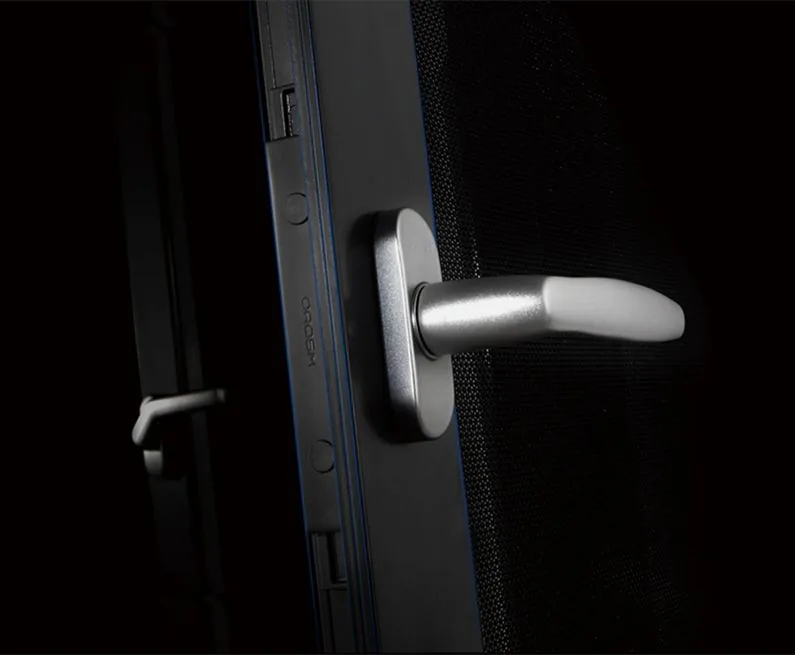
- Virgin 6063-T5 Billet Quality: We enforce rigid metal alloy standards, using primary aluminium billets with 2.0mm minimum wall thickness for all load-bearing collapsible door profiles.
- Precision CNC Corner Crimping & Glue Injection: Every panel frame is joined using internal cast-aluminum corner keys, mechanical pin crimping, and dual-component polyurethane sealant injection for zero joint gap deformation over time.
- Extreme Operational Cycle Durability: Stainless steel top-hung carriages and heavy-load bottom guide rollers undergo rigorous continuous load testing up to 200,000 opening/closing cycles.
- Triple EPDM Continuous Weather Gaskets: Dual and triple-gasket perimeter sealing provides maximum air tightness, sound attenuation (up to 42 dB sound reduction), and high water resistance.
- Export Container Crating & Labeling: Goods are packaged with protective EPE film, heavy corner caps, and enclosed in fumigation-free plywood crates labeled by building grid and opening number.
Global Delivery Network & Export Verification
ZENIC systems are designed and packed for seamless ocean transport, meeting specific building codes across North America, Europe, Australia, and the Middle East.

North America
Certified NFRC thermal metrics, Title 24 compliance, and AAMA structural load testing for US & Canadian projects.
Australia & NZ
AS2047 structural performance and AS1288 toughened safety glazing integration for coastal environments.
Europe & UK
CE marked system compliance, EN ISO 10077-2 thermal calculations, and multi-point security locking.
Middle East & Africa
High dust/sand tight EPDM seals, solar-control Low-E coatings, and reinforced wind load sash designs.
Frequently Asked Sourcing & Technical Questions
Key considerations answered by senior fenestration engineers to streamline your sourcing decision.
What structural wall thickness is required for heavy commercial bi-fold aluminum doors?
For standard residential windows, a 1.4mm profile wall thickness is often sufficient. However, for commercial collapsible doors spanning over 2.4 meters in height, a minimum structural wall thickness of 2.0mm to 2.5mm in 6063-T5 aluminum alloy is recommended. This prevents frame twisting under wind load and ensures smooth roller glide operation.
How do top-hung collapsible doors differ from bottom-rolling systems?
Top-hung systems carry the primary door weight on the overhead lintel track, delivering exceptionally effortless finger-tip sliding motion and allowing low-profile flush floor tracks. However, they require a structural header beam capable of carrying the total weight. Bottom-rolling systems transfer the weight directly to the floor structure, making them easier to retrofit into existing building openings without major overhead structural reinforcement.
What is the typical Minimum Order Quantity (MOQ) and lead time for factory-direct orders?
At ZENIC, our flexible manufacturing system accepts project MOQs starting from 50 pieces (or combined mixed window/door schedules for custom residential villas). Standard lead times range between 15 to 25 calendar days following final architectural shop drawing sign-off and deposit receipt.
How is ocean freight glass breakage prevented during transit?
Units are fully assembled and pre-glazed under strict factory control. Individual frames are wrapped in EPE protective foam, fitted with reinforced plastic corner guards, wrapped in moisture-barrier stretch film, and secured in heavy-duty fumigation-free plywood export crates with internal rubber cushioning bumpers.
Can custom RAL colors and wood-grain finishes be matched?
Yes. We provide full Qualicoat-certified architectural powder coating matching all standard RAL color codes, fluorocarbon (PVDF) coatings for marine environments, and high-definition heat-transfer wood-grain finishes that offer natural timber visuals with zero timber maintenance.
Are OEM and ODM private label branding services supported for regional distributors?
Absolutley. ZENIC regularly assists global distributors and fenestration brands by offering custom profile die extrusions, private label protective tape branding, custom hardware laser-etching, and dedicated packaging designs.
Ready to Elevate Your Building Project with ZENIC Fenestration?
Submit your window & door schedules, elevation drawings, or project tender specifications. Our senior engineering team will evaluate your requirements and provide CAD shop drawings and direct factory pricing within 24 hours.