Architectural Aluminium Systems & Crittall-Style Series
Explore high-performance thermal break profiles, industrial steel-look glazing, and custom architectural doors direct from our Foshan manufacturing base.
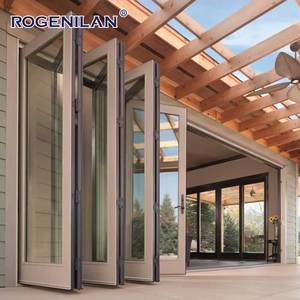
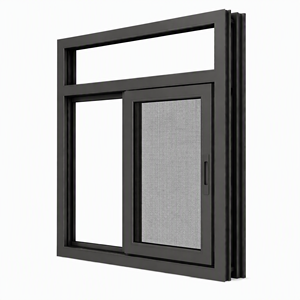
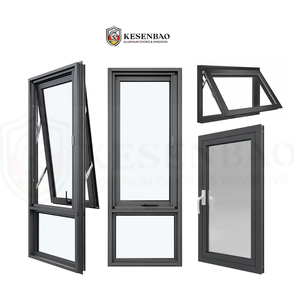
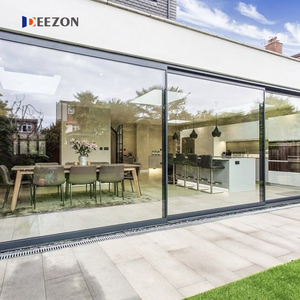
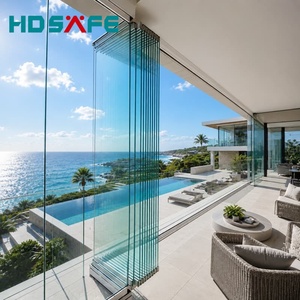
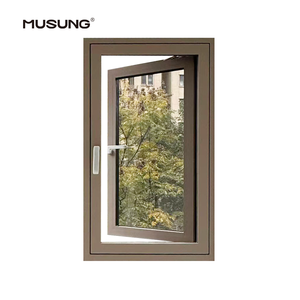
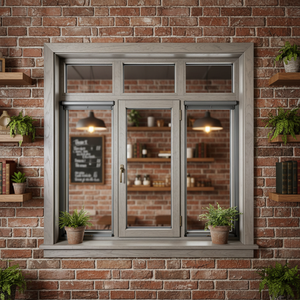
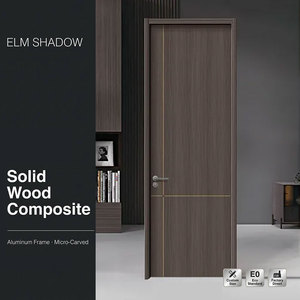
Executive Summary: The Architectural Evolution of Crittall-Style Systems
The global architectural landscape has experienced an unmistakable paradigm shift toward minimalist, grid-structured glazing systems. Historically recognized by hot-rolled steel profiles invented by Francis Crittall in the late 19th century, the classic "Crittall look"—characterized by ultra-slim sightlines, geometric multi-pane glazing, and dramatic industrial aesthetic—has evolved into a sophisticated engineering category. Modern B2B buyers, real estate developers, and façade engineers now overwhelmingly favor extruded aluminium Crittall-style doors and window systems over traditional mild steel counterparts.
This technical whitepaper provides commercial procurement managers, structural engineers, and global importers with an in-depth evaluation of the top aluminium Crittall style doors manufacturers and factories, evaluating material science breakthroughs, thermal performance metrics, manufacturing logistics, and long-term project ROI.
Key Industry Finding (Information Gain Insight)
While traditional hot-rolled steel profiles offer high tensile strength, they present major thermal conductivity challenges (thermal bridge effect) and high maintenance due to rust vulnerability in coastal environments. Advanced polyamide thermal break aluminium extrusion technology allows manufacturers to match steel sightlines (down to 15mm-25mm profile width) while achieving U-values as low as 1.1 W/m²K and zero structural corrosion risk over a 50-year lifecycle.
Material Engineering: Steel vs. Thermal Break Aluminium Crittall Profiles
When selecting a manufacturing partner for commercial developments, multi-family residential towers, or high-end luxury villas, structural specifiers must evaluate the comparative advantages between authentic steel profiles and modern aluminium replica systems. Below is an engineering performance comparison matrix compiled by Zenic Window & Door Technology Co., Ltd. research labs:
| Performance Criterion | Traditional Hot-Rolled Steel | Thermal Break Aluminium (ZENIC Standard) | B2B Procurement Advantage |
|---|---|---|---|
| Profile Depth & Sightlines | 15mm - 30mm | 18mm - 35mm (Ultra-Slim Line) | Identical Aesthetic Meets architectural heritage requirements |
| Thermal Insulation (U-Value) | 2.8 to 3.5 W/m²K (Poor) | 1.1 to 1.6 W/m²K (PA66 Thermal Strip) | Energy Code Compliant Meets NFRC, ENERGY STAR, & CE standards |
| Corrosion Resistance | Prone to rust; requires galvanization | 6063-T5 Prime Alloy + Powder Coating | Zero Maintenance Ideal for marine & high-humidity zones |
| Structural Weight | 45 - 55 kg/m² (Heavy) | 18 - 28 kg/m² (Lightweight Structural) | Lower Logistics Cost Reduces structural load on building frames |
| Manufacturing Lead Time | 8 - 12 Weeks (Labour Intensive) | 15 - 25 Days (CNC Precision Machining) | Accelerated Timeline Faster project delivery for general contractors |
Top 10 Aluminium Crittall Style Doors Manufacturers & Global Sourcing Analysis
Navigating the global supply chain for industrial black grid glass doors requires evaluating factory capacity, customization tooling, engineering compliance, and quality control systems. Based on production throughput, technical certifications, export volume, and design versatility, the following key regions and manufacturing hubs lead the global market:
1. Foshan Manufacturing Cluster (China)
As the global capital of aluminium extrusion, Foshan hosts fully integrated factories like Zenic Window & Door Technology Co., Ltd. Offering 20,000m² facilities, specialized CNC profile tooling, thermal break assembling, and direct export capabilities to over 40 countries at competitive factory-direct pricing.
2. European Architectural System Houses
Belgian and German system designers specialize in ultra-high-end thermal barrier technology. While engineering standards are top-tier, raw material cost and long fabrication lead times often strain large-scale commercial real estate budgets.
3. North American Custom Fabricators
Firms in the USA and Canada excel in local project coordination and NFRC/AAMA compliance testing, frequently sourcing architectural extrusions and hardware sets via strategic OEM partnerships with Asian manufacturing bases.
Future Sourcing Trends for Aluminium Crittall & Steel-Look Glazing (2025–2030)
As sustainability regulations intensify and global building energy efficiency mandates (such as the EU Energy Performance of Buildings Directive and US Title 24) come into force, commercial procurement of Crittall-style doors is undergoing significant technical advancements:
1. True Divided Lites (TDL) vs. Applied Grid Muntins (SDL)
Historically, steel doors utilized individual glass panes held by steel glazing bars. Modern aluminium manufacturing utilizes Simulated Divided Lites (SDL)—where high-performance Insulated Glass Units (IGUs) are overlaid with precision-milled CNC aluminium grid bars via structural bonding tape and perimeter interlocking locks. This eliminates hundreds of thermal leakage points while offering the exact visual profile of historical steelwork.
2. Acoustic Dampening for High-Density Urban Living
Urban commercial developments require doors that isolate outdoor noise pollution. Advanced Crittall-style aluminium sliding and bifold doors now incorporate asymmetrical laminated double or triple glazing (e.g., 6mm Low-E + 12Ar + 4mm + 0.76PVB + 4mm acoustic glass), achieving sound transmission class (STC) ratings up to 42 dB.
3. Concealed Multi-Point Security Locking Mechanisms
Early industrial steel doors relied on visible surface-mounted latches. Modern B2B buyers require concealed European groove multi-point locking systems capable of withstanding wind loads exceeding 1,000 N and anti-burglary resistance classifications (RC2/RC3), seamlessly concealed inside ultra-narrow aluminium frame profiles.
Corporate Competency: Zenic Window & Door Technology Co., Ltd.
Headquartered in Foshan, Guangdong, China, Zenic Window & Door Technology Co., Ltd. operates a 20,000m² state-of-the-art manufacturing infrastructure built specifically for export projects. Serving architects, developers, wholesalers, and general contractors in more than 40 countries across North America, Europe, Australia, and the Middle East, ZENIC sets the standard for technical precision in aluminium system fenestration.
Key Enterprise Advantages:
- Virgin 6063-T5 Aluminium Extrusion: We exclusively utilize prime aluminium billets with 2.0mm structural wall thickness, avoiding cheap recycled scrap to guarantee structural integrity under severe wind pressures.
- Six-Seal, Three-Layer Insulation System: Continuous EPDM rubber gaskets combined with German-standard Polyamide (PA66) thermal break strips maintain exceptional thermal performance and watertightness.
- Precision Corner Assembly: German pin-and-glue corner crimping technology prevents frame distortion, joint gaps, and long-term water infiltration.
- Custom Surface Finishing: In-house Qualicoat Class 2 powder coating, anodizing, and tactile wood-grain heat transfer options withstand harsh UV exposure and salt-spray marine conditions.
- Global Certification & Testing: Systems independently tested and compliant with AS2047, NFRC, CE marking, CSA, AAMA, and ISO 9001 quality management guidelines.
Enterprise Procurement FAQ
Direct technical answers to common engineering and sourcing questions raised by architectural buyers and import partners.
Accelerate Your Architectural Project Supply Chain
Send your door schedules, BIM models, or architectural elevations today. Our senior structural engineers will deliver shop drawings, structural calculations, and a factory-direct quote within 24 hours.