Engineered Architectural Fenestration Portfolio
Direct factory-grade thermal break windows, panoramic folding systems, and heavy-duty aluminium double doors certified for international building codes.
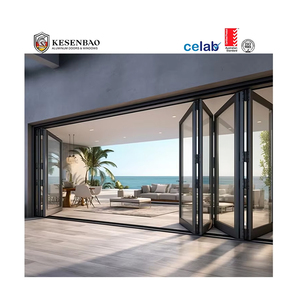
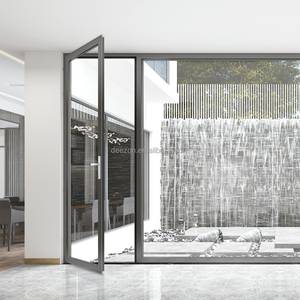
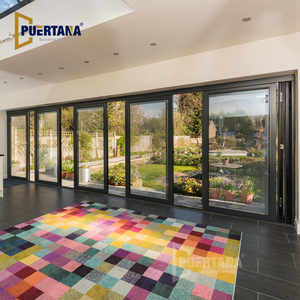
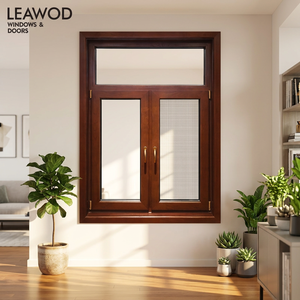
Executive Summary: Sourcing Architectural Aluminium Double Doors in 2025
The global demand for high-performance aluminium double doors, double-glazed French entrances, and multi-track folding door systems has experienced a paradigm shift. Driven by stricter energy efficiency mandates (such as the EU Energy Performance of Buildings Directive and US ENERGY STAR 7.0 standards), architectural procurement teams no longer evaluate suppliers solely on profile cost per meter. Instead, procurement directors demand rigorous engineering verification, long-term structural durability, integrated thermal break technology, and full supply chain transparency.
Aluminium double doors serve as pivotal design elements in modern commercial build-outs, luxury multi-family developments, and high-end residential villas. Unlike single casement doors, double door systems (frequently designed as French doors or double swing/bi-fold configurations) require superior torsional rigidity, reinforced meeting stiles, multi-point lock alignment, and sophisticated air-water tightness sealing to withstand extreme wind pressures and thermal stress.
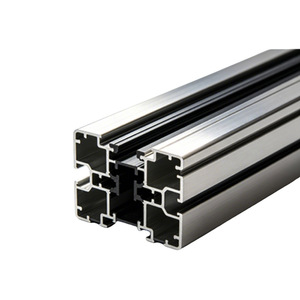
Foshan, China remains the global epicentre of high-precision aluminium extrusion and architectural window system fabrication. Factories operating within this cluster leverage vertically integrated supply chains—from prime virgin 6063-T5 aluminum billet casting and anodizing to automated CNC machining and robotic glass glazing. Sourcing directly from top-tier original equipment manufacturers (OEMs) and original design manufacturers (ODMs) allows international buyers to cut intermediary costs by 30% to 45% while achieving custom performance parameters verified by NFRC, CE, AS2047, and AAMA testing standards.
Technical Evaluation Criteria for Aluminium Double Door Manufacturers
When conducting supplier audits and evaluating global tenders for aluminium double entrance and patio doors, procurement officers and structural engineers must evaluate prospective factories against four technical pillars:
Alloy Metallurgical Purity
Top manufacturers enforce strictly virgin 6063-T5 or 6061-T6 structural aluminium alloy with a wall thickness exceeding 2.0 mm for heavy-duty doors. Recycled scrap profiles exhibit micro-porosity, leading to mechanical failure under high wind load stress.
Polyamide Thermal Barriers
Inferior suppliers attempt to reduce costs using PVC insulating strips. Premium factories utilize PA66-GF25 (Polyamide 66 reinforced with 25% glass fiber), preventing structural shear failure and ensuring continuous U-values as low as 1.1 W/m²K.
Multi-Point Security Locks
Aluminium double doors require coordinated top, middle, and bottom locking pins activated by a single handle mechanism. German-engineered or premium OEM hardware tested to 200,000 operational cycles guarantees forced-entry resistance.
EPDM Continuous Gasket Sealing
Weather protection relies on vulcanized continuous EPDM rubber gaskets combined with corner-molded joints. Triple-seal systems eliminate air filtration and prevent water penetration during heavy rain storms.
Precision Corner Crimping & Glue
Mechanical corner assembly must combine heavy-duty aluminum corner cleats with dual-component structural injection glue (pin-and-glue connection) to guarantee 90-degree frame squareness and eliminate water leakage.
Advanced Surface Treatment
Finishes must comply with Qualicoat Class 2 or AAMA 2604/2605 specifications. Fluorocarbon PVDF coating or high-micron powder coating prevents chalking, UV fading, and salt spray corrosion in coastal deployments.
Future Procurement Trends in Aluminium Fenestration (2025–2030)
As architectural trends favor ultra-slim profiles, maximum daylight intake, and seamless indoor-outdoor transitions, the engineering of aluminium double doors is undergoing rapid evolution. Key industry trends that buyers must consider include:
1. Ultra-Slim Sightlines with Structural Glass Bonding
Modern architectural projects are moving away from bulky 100mm frame profiles. Next-generation double doors feature interlock sightlines as narrow as 20mm to 35mm. Achieving structural integrity with ultra-slim profiles requires structural silicone bonding, where the insulated glass unit (IGU) acts as a load-bearing structural component of the door leaf.
2. Bioclimatic Integration and Smart Motorization
Commercial double doors and panoramic heavy-duty patio double doors are increasingly integrated with building management systems (BMS). Automated magnetic drive operators, concealed flush thresholds with concealed drainage channels, and biometric keyless access (fingerprint, facial recognition, RFID) are fast becoming standard specifications for high-end developments.
3. Low-Carbon Recycled Extrusions & Life Cycle Assessment (LCA)
Environmental Product Declarations (EPD) are rapidly moving from optional marketing material to mandatory procurement prerequisites in Western Europe and North America. Top-tier factories are transitioning to hydro-powered primary aluminium smelters and incorporating certified post-consumer scrap to achieve carbon footprints below 4.0 kg CO2e per kg of aluminium profile.
4. Prefabricated Unitized Systems & Pre-Glazed Delivery
To mitigate rising job-site labor costs and installation errors, developers prefer turnkey suppliers who deliver fully assembled, pre-glazed, and factory-tested double door units. Factory-controlled glass installation ensures optimal silicone curing, vacuum testing of IGUs, and factory-calibrated hinge alignment prior to export packaging.
Technical Benchmark Matrix: Top Sourcing Options
Below is a comparative technical analysis illustrating key specifications between high-volume standard suppliers versus premium architectural system manufacturers like ZENIC Window & Door Technology.
| Performance Indicator | Standard Commercial Grade | High-End Architectural Grade | ZENIC System Specification |
|---|---|---|---|
| Aluminium Alloy | 6063-T5 (Secondary/Recycled) | 6063-T5 Prime Virgin Billet | 6063-T5 Prime Alloy (2.0mm+ Wall Thickness) |
| Thermal Insulation | Non-Thermal / PVC Strip | PA66 Polyamide Strip (14.8mm) | PA66-GF25 Multi-Chamber Strip (24mm–34mm) |
| Thermal Transmittance (U-Value) | 2.8 – 3.5 W/m²K | 1.6 – 2.0 W/m²K | Down to 1.1 W/m²K (Low-E Argon Double/Triple) |
| Glazing Capability | 5mm Single / 19mm Double | 24mm – 28mm Double IGU | 28mm – 42mm Double/Triple Glazed + Low-E |
| Water Tightness | 300 Pa (Class 6A) | 600 Pa (Class 9A) | 900 Pa+ (Pressure Equalized Hidden Drainage) |
| Wind Pressure Resistance | 2.5 kPa (P3 Rating) | 4.0 kPa (P4 Rating) | 5.0 kPa+ (Tested to 1,000 N Structural Load) |
| Hardware Cycle Life | 20,000 – 50,000 Cycles | 100,000 Cycles | 200,000 Operational Cycles (10-Yr Warranty) |
| International Compliance | Basic Local Standard | CE, ISO 9001 | NFRC, CE, CSA, AS2047, AAMA, ENERGY STAR |
Why ZENIC is the Preferred Partner for Aluminium Double Doors
Headquartered in Foshan, Guangdong, Zenic Window & Door Technology Co., Ltd. has established itself as an engineering-driven leader in thermal break aluminium fenestration. Operating a modern 20,000 square meter manufacturing plant equipped with automated German CNC machining centers, precision corner crimping systems, and isolated dust-free glazing cleanrooms, ZENIC delivers uncompromised product quality to architects, general contractors, developers, and wholesale distributors in more than 40 countries.
Full OEM/ODM Customization
We engineered proprietary aluminum profile dies to meet custom structural requirements, unique arch configurations, custom RAL powder coating finishes, and wood-grain thermal transfer options tailored to your project identity.
Rigorously Tested & Certified
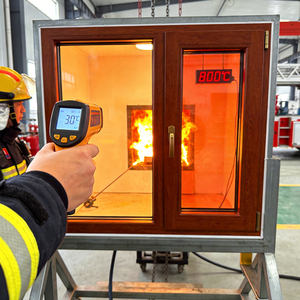
Our product portfolio undergoes continuous independent lab testing to comply with North American (NFRC, AAMA, CSA), European (CE Marking), and Australian (AS2047) code compliance for structural integrity and energy efficiency.
Protective Export Packaging
Every double door unit is wrapped in multi-layer protective EPE film, fitted with corner edge protectors, and secured inside fumigation-free solid plywood crates to guarantee damage-free ocean transportation.
Whether you require exterior main entrance heavy-duty double doors, double-glazed interior room dividers, acoustic patio folding doors, or arched thermal break swing windows, ZENIC offers direct factory pricing backed by rapid 15-day production lead times for standard profiles.
Frequently Asked Questions: Sourcing Aluminium Double Doors
Below are authoritative technical responses to common questions raised by developers, architects, and importers during procurement negotiations.
What is the minimum order quantity (MOQ) for custom aluminium double doors?
Our standard production MOQ starts from 50 sets per project. However, buyers can combine various product categories—such as casement double doors, sliding patio doors, tilt-and-turn windows, and louver pergolas—within a single container order to fulfill the minimum threshold.
How do aluminium double doors compare to steel or timber double doors?
Aluminium double doors offer superior strength-to-weight ratios, requiring zero painting maintenance while resisting rot, rust, and insect damage. Compared to heavy structural steel, thermal break aluminium profiles achieve equivalent structural load ratings at a significantly lower dead load with substantially higher thermal insulation values.
What U-values and thermal performance can ZENIC double door systems achieve?
Depending on frame depth (ranging from 65mm to 150mm), polyamide thermal break width, and glass specification (such as double-pane Low-E glass with argon gas filling and warm-edge spacers), our system doors achieve U-values as low as 1.1 W/m²K to 1.4 W/m²K, easily surpassing strict ENERGY STAR and European Passive House guidelines.
Can custom double doors be manufactured with outward and inward swing options?
Yes. Our double door series can be configured for inward swing, outward swing, dual swing, or fold-and-slide operation. Each leaf is fitted with heavy-duty adjustable 3D hinges capable of supporting up to 160 kg per sash without sagging or misalignment over prolonged usage.
What is the typical production and delivery timeline for export orders?
Once CAD shop drawings are officially approved and deposit payment is received, standard manufacturing lead time is between 15 to 25 calendar days. Shipping lead times depend on the destination port, typically taking 14–20 days to Australia/Middle East and 25–35 days to European and North American coastal ports.
Does ZENIC provide shop drawings and engineering calculation support?
Absolutly. Our dedicated engineering department provides detailed CAD structural drawings, elevation schedules, wind load calculation reports, and glass stress analysis for project submittals prior to starting mass extrusion and profile cutting.
Accelerate Your Fenestration Procurement
Submit your architectural drawings, window schedules, or project tender specifications. Our technical engineering team will deliver comprehensive shop drawings, structural specs, and a direct factory quotation within 24 hours.