Engineered Aluminium Mosquito Net & Screen Door Series
Factory-direct fenestration solutions featuring 6063-T5 structural frames, 304/316 marine-grade stainless steel mesh, and concealed multi-point locking systems.
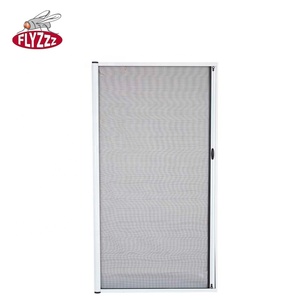
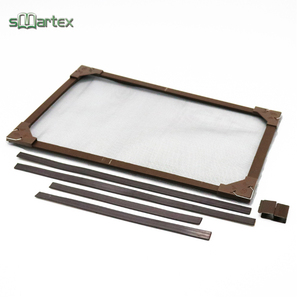
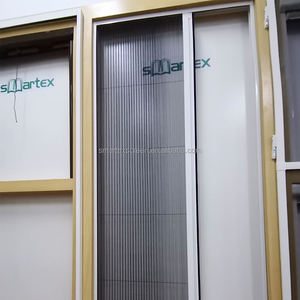
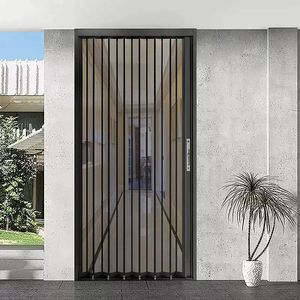
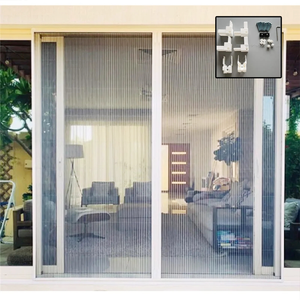
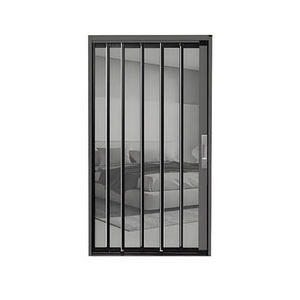
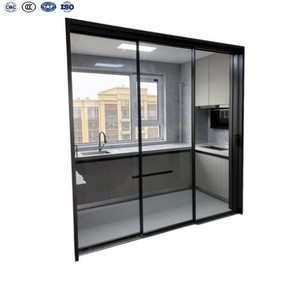
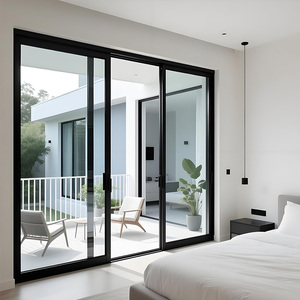
Global Sourcing Benchmark: Top 10 Aluminium Mosquito Net Door Manufacturers
The global demand for high-performance architectural fenestration has elevated mosquito screen doors from simple secondary insect barriers to integral structural, security, and thermal components of modern residential and commercial envelopes. In warm, tropical, and coastal microclimates—ranging from Australia and Southeast Asia to the Gulf Cooperation Council (GCC) region and North America—architects, developers, and project procurement teams face a dual challenge: maximizing natural ventilation while maintaining air tightness, structural integrity against wind loads, and long-term corrosion resistance.
When assessing the top 10 aluminium mosquito net door manufacturers worldwide, enterprise buyers must look beyond initial surface aesthetics. Evaluated through the strict lens of architectural engineering and total cost of ownership (TCO), leading suppliers are distinguished by six critical manufacturing benchmarks:
- Structural Metallurgy & Profile Thickness: Utilization of virgin 6063-T5 aluminum extrusions with a nominal wall thickness between 1.4 mm and 2.0 mm, guaranteeing zero structural warping under high wind-pressure loads up to 1,000 N.
- Mesh Tensile Strength & Weave Integrity: Integration of high-tensile 304 or 316 marine-grade stainless steel wire mesh (wire gauge diameters ranging from 0.5mm to 0.9mm) offering shear resistance against forced intrusion and pet degradation.
- Surface Coating & Environmental Durability: Electrostatic powder coating or PVDF fluorocarbon treatments achieving AkzoNobel/Qualicoat Class 2 standards, enduring over 2,000 hours of neutral salt spray testing (ASTM B117 compliance).
- Thermal Break & Multi-Chamber Integration: Co-extrusion of polyamide PA66GF25 thermal barrier strips within screen frames to prevent thermal bridging in air-conditioned environments.
- Precision Corner Joint Crimping: Pin-and-glue corner assembly combined with continuous EPDM synthetic rubber gasket lines to eliminate air filtration and corner separation over decades.
- Operational Hardware Rigidity: Concealed roller tracks, stainless steel rollers, and heavy-duty multi-point locking gear capable of exceeding 200,000 continuous opening/closing mechanical cycles.
High-Tensile Security Mesh
Engineered with 0.8mm 304/316 marine-grade stainless steel diamond wire. Provides dual anti-mosquito and anti-theft intrusion barriers without obstructing optical clarity.
PA66GF25 Thermal Break
Incorporates 25% glass-fiber reinforced polyamide thermal strips to reduce frame heat transfer, lowering residential HVAC energy loads in extreme hot or cold zones.
Concealed Track Drainage
Pressure-equalized hidden water drainage outlets prevent rainwater backflow during intense tropical storms while keeping insect entryways completely sealed.
Architectural Specification Matrix
Technical comparison parameters for commercial project specifiers, builders, and wholesale importers.
| Performance Parameter | Standard Commercial Grade | ZENIC Premium System Benchmark | Testing & Compliance Standard |
|---|---|---|---|
| Profile Metallurgy | Recycled / Mixed Aluminum | Virgin 6063-T5 Structural Billet | GB/T 5237 / ASTM B221 |
| Frame Wall Thickness | 1.0 mm – 1.2 mm | 1.4 mm – 2.0 mm Heavy Duty | AAMA 101 / AS2047 |
| Insect Screen Material | Standard PVC / Soft Polyester | 304/316 Stainless Steel & High-Density Pleated | ISO 9227 Salt Spray Tested |
| Thermal Performance | U-Value > 3.5 W/m²K | U-Value down to 1.1 W/m²K | NFRC / CE EN ISO 10077-1 |
| Surface Finishing | Basic Powder Coating (<40µm) | AkzoNobel Powder / PVDF (60–80µm) | Qualicoat Class 2 Benchmark |
| Hardware Endurance | 20,000 – 50,000 Cycles | 200,000 Verified Heavy-Duty Cycles | Intertek / EN 1191 Certified |
Future Procurement & Tech Development Trends (2025–2030)
As building codes become increasingly strict regarding energy efficiency, bushfire resistance (e.g., BAL ratings in Australia), and solar heat gain coefficients (SHGC), the design and manufacturing methodology of aluminium mosquito screen doors is undergoing a rapid technological evolution. Global procurement directors must align their supply chain strategies with several emerging trends:
1. Seamless Invisible Sightline Architecture
Modern minimalist villa architecture emphasizes unobstructed floor-to-ceiling glass expanses. Future screen doors are moving toward ultra-narrow frame profiles (less than 18mm visible sightline) combined with high-transparency stainless steel mesh. This mesh utilizes nano-diameter wire weaving to achieve up to 85% optical clarity while preventing micro-insects (such as midges and sandflies) from passing through.
2. Motorized Bioclimatic & Smart Automation Integration
Manual sliding screen doors are being superseded by low-voltage motorized retractable screens integrated with Smart Home Automation systems (Zigbee/Matter protocols). Wind and rain sensors automatically trigger screen retraction into concealed architectural pockets during adverse weather, preventing mesh blowout and structural track deformation.
3. Multi-Functional Hybrid Barrier Doors
The market is shifting away from single-purpose screens toward hybrid security doors. These solutions combine double-glazed insulated glass panels with magnetic detachable insect screens or high-strength folding diamond mesh. These hybrid systems deliver acoustic dampening (up to 42 dB sound attenuation), thermal insulation, security protection, and insect screening within a single unified aluminium profile system.
4. Sustainable Sourcing & Low-Carbon Aluminum
ESG compliance is now a mandatory metric in European and North American tier-1 commercial developments. Forward-thinking manufacturers are adopting hydro-powered low-carbon aluminum billets alongside VOC-free powder coatings, significantly reducing the embodied carbon footprint per square meter of fenestration.
Why Partner with ZENIC Window & Door Technology Co., Ltd.?
Headquartered in Foshan, Guangdong—the recognized epicenter of the global aluminum extrusion and fenestration supply chain—Zenic Window & Door Technology Co., Ltd. stands as an industry benchmark for precision-engineered window, door, and outdoor living systems. Operating a massive 20,000 square meter standardized production base, ZENIC serves architects, builders, residential developers, and wholesale distributors across more than 40 countries.
Our competitive advantage rests on comprehensive control over the entire engineering and manufacturing lifecycle:
- In-House CNC Precision Engineering: Utilizing automated German double-head cutting machinery, CNC notch milling, and high-precision corner crimping to achieve dimensional tolerances within ±0.5mm.
- Full System Customization (OEM/ODM): Complete flexibility over custom profile die design, RAL powder color matching, wood-grain heat transfer finishes, private labeling, and hardware integration (ranging from HOPPE and Siegenia to custom OEM hardware).
- Rigorous Export Quality Assurance: Every unit manufactured in our Foshan plant undergoes 100% pre-assembly inspection, checking operational smooth-sliding force, gasket alignment, hardware lock engagement, and water tightness prior to crating.
- Sea-Worthy Protective Packaging: Finished products are wrapped with multi-layer EPE protective foam, reinforced edge guards, and packed into fumigation-free solid plywood cases, ensuring zero glass breakage or frame abrasion upon arrival at destination ports.
Frequently Asked B2B Procurement Questions
Clear technical answers for project engineers, importers, and international procurement managers.
Request Custom Quotation & Technical Specification Sheet
Submit your project window/door schedule or architectural drawings to our engineering team. Receive detailed CAD shop drawings, U-value calculations, and factory-direct pricing within 24 hours.
Get Catalog