Premier Aluminium Window & Door Assemblies
Factory-direct thermal break systems engineered for high wind-load resistance, optimal acoustic insulation, and international building code compliance.
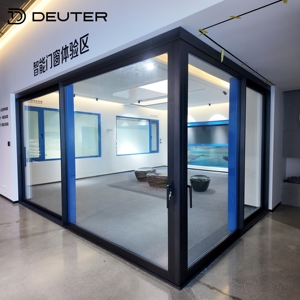
Seamless Corner Aluminum Lift Sliding Doors Thermal Break Heavy Duty Panoramic Patio Glass Doors Large Opening for Modern Villa
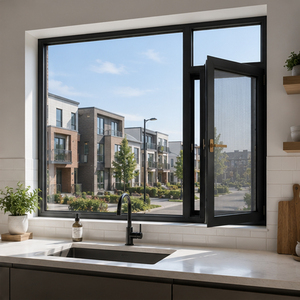
Custom Aluminum Bifold Doors Double Glazed Glass for Villa Patio Hotel and Indoor Outdoor Living Projects
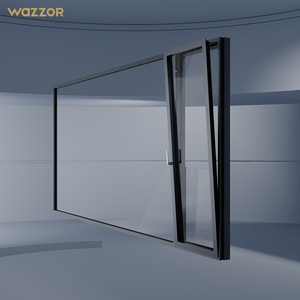
Wazzor Aluminum Window Manufacturers High-Quality Typhoon-Resistant And Energy-Saving Casement Windows Soundproof Windows
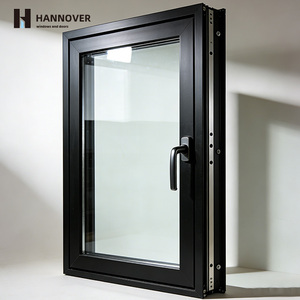
Slim Frame Aluminum Casement Window Stainless Steel Double Glass Thermal Break Modern Swing High End Architectural Minimalist
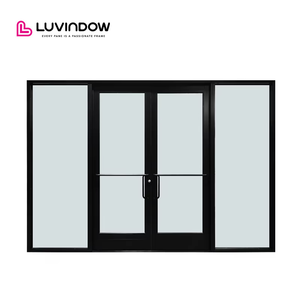
Customizable Aluminum Commercial Door Modern Glass Wall Exterior Aluminum Storefront Entrance Door for Retail Spaces
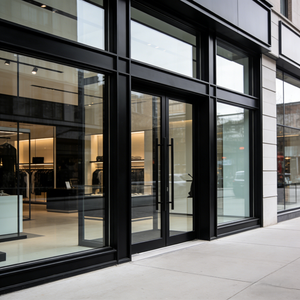
Sunnysky Commercial Storefront Shop Restaurant Windows and Doors NFRC Soundproof Waterproof Windproof Aluminum Glass Swing Door
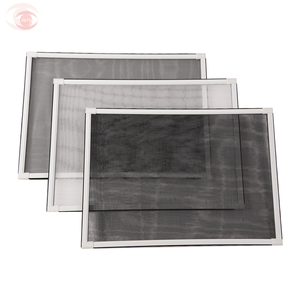
Hot Selling Adjustable Expandable Aluminum Door Windows Accessories Fly Insects Mosquito Mesh Sliding Screen Window Frame Kit
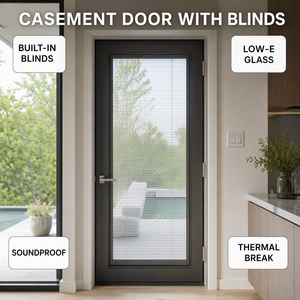
Double Glazed Aluminum Casement Door with Built in Blinds Low E Glass Soundproof Thermal Break Swing Door for Home
The B2B Sourcing Landscape for Commercial Aluminium Windows
Navigating global supply chains requires rigorous supplier vetting. In 2025, global architectural specifications demand extreme energy efficiency, multi-chamber thermal breaks, and structural compliance with ASTM, AS2047, and EN standards.
Evaluating the Top 10 Aluminium Single Window Factories & Exporters
The global demand for high-performance architectural fenestration has driven rapid advancement in aluminium single window and multi-chamber system manufacturing. When evaluating top-tier factories and exporters—particularly those headquartered in major industrial clusters such as Foshan, China—commercial buyers, general contractors, and real estate developers must look beyond surface aesthetics. True supplier excellence is governed by structural extrusion metallurgy, polyamide thermal barrier precision, surface anodizing/PVDF thickness, and rigorous international lab testing.
This white paper breaks down the critical technical metrics, evaluation frameworks, and future procurement trends shaping the architectural aluminium fenestration industry. Whether sourcing standard single-hung casements, ultra-slim panoramic sliding systems, or hurricane-rated storefront entrances, procurement teams must analyze total cost of ownership (TCO) through the lens of engineering accuracy, compliance certification, and factory QA protocols.
Technical Standards: Material Science & Thermal Physics
A detailed metallurgical and thermal analysis for façade engineers, specifiers, and international procurement officers.
Alloy Chemistry: 6063-T5 vs. Recycled Scrap
Premier exporters exclusively utilize virgin 6063-T5 primary aluminum billets. Compared to scrap-contaminated alloys, 6063-T5 delivers optimal tensile strength (≥160 MPa) and yield strength (≥110 MPa), ensuring profile integrity under extreme structural deflection and wind loads up to 1,000 N.
Polyamide PA66GF25 Thermal Strips
Non-thermal break aluminum acts as a massive thermal bridge. Advanced factories incorporate fiberglass-reinforced polyamide (PA66GF25) strips. By separating outer and inner aluminum profiles, overall window U-values drop dramatically from 5.8 W/m²K to as low as 1.1 W/m²K.
Sealing Architecture & EPDM Gaskets
Water penetration and air leakage account for over 80% of window failure claims. Leading manufacturers engineer triple-seal perimeter systems utilizing continuous EPDM (Ethylene Propylene Diene Monomer) synthetic rubber gaskets, retaining elasticity across temperature ranges from -40°C to +120°C.
System Performance Matrix: Standard vs. Export-Grade Thermal Break
| Engineering Metric | Standard Aluminium Single Window | ZENIC Export-Grade Thermal Break | Impact on Building Performance |
|---|---|---|---|
| Profile Wall Thickness | 1.2 mm – 1.4 mm | 2.0 mm Structural (6063-T5) | Enhanced wind pressure resistance (Class 9 / AAMA certified) |
| Thermal Transmittance (U-Value) | > 4.5 W/m²K | 1.1 – 1.6 W/m²K | Cuts HVAC energy consumption by up to 40% annually |
| Acoustic Insulation (STC) | 22 – 26 dB | 38 – 45 dB (Triple Glazed Low-E) | Critical for urban hotels, seaside villas, and high-density residential |
| Corner Joint Assembly | Mechanical Screws Only | Pin-Crimped & Corner Glue-Injected | Prevents corner frame separation, air infiltration, and water leakage |
| Hardware Longevity | 10,000 – 20,000 Cycles | 200,000 Cycles (Multi-Point German Hardware) | Drastically reduces long-term maintenance & facility repair costs |
How to Evaluate & Benchmark Top Exporters
A 5-point checklist for developer procurement heads, architects, and international importers when auditing overseas aluminum fenestration factories.
1. In-House CNC & Corner Crimping Precision
Ensure the manufacturer uses automated double-head cutting saws and hydraulic corner crimping machines with dual-component glue injection. Manual assembly leads to out-of-square sashes and seal failure.
2. Third-Party Lab Certification Audit
Verify that test reports (NFRC for North America, CE EN 14351-1 for Europe, AS2047 for Australia) are verified by accredited labs like Intertek or SGS, covering air infiltration, water tightness, and structural load.
3. Surface Treatment & Finish Thickness
For coastal applications, powder coating must comply with Qualicoat Class 2 or AAMA 2605 specifications (film thickness ≥60-80 μm) to guarantee 10-15 years of resistance against salt spray corrosion.
4. Sea-Worthy Packaging Protocols
Glass units and finished aluminum frames require EPE foam wrapping, plastic film seal, rigid corner protectors, and custom fumigation-free plywood crates to prevent transit flex and glass breakage.
5. OEM/ODM Engineering & Shop Drawings
Top-tier factories maintain dedicated CAD/BIM engineering teams capable of producing detailed shop drawings, wind load calculations, and section elevation details within 48 hours of project inquiry.
6. Dedicated Project Coordination
Seamless cross-border procurement requires single-point-of-contact project managers who communicate fluently in English and understand local building installation guidelines.
Global Procurement & Technological Trends
Key innovations shaping architectural fenestration, sustainability compliance, and commercial project specifications over the next decade.
1. Ultra-Slim Minimalist Sightlines (<20mm)
Modern luxury architectural trends favor floor-to-ceiling glass integration with near-invisible aluminum framing. Leading exporters are innovating ultra-slim interlock profiles (18mm – 25mm) capable of supporting sashes over 400 kg via heavy-duty stainless steel concealed rollers.
2. Low-Carbon Billet Sourcing & EPD Certifications
Driven by European Union Carbon Border Adjustment Mechanisms (CBAM) and LEED green building standards, global buyers require Environmental Product Declarations (EPD). Factories are incorporating hydro-powered primary aluminum smelting to cut embodied carbon footprint by up to 60%.
3. Smart Window Integration & Automated Micro-Ventilation
Commercial and high-end residential projects are rapidly adopting motorized tilt-and-turn sashes integrated into building management systems (BMS). Embedded rain and wind sensors automatically actuate sashes during adverse weather events, improving indoor air quality and security.
4. Integrated Shading & Electrochromic Smart Glass
The integration of motorized interior blinds sealed within double-glazed IGUs eliminates cleaning maintenance while offering instant privacy. Additionally, electrochromic dynamic glass allows users to tune Solar Heat Gain Coefficients (SHGC) via smartphone apps.
Strategic Sourcing Insight for Project Developers
Purchasing window units directly from certified China manufacturers offers potential cost savings of 30% to 50% compared to domestic Western fabricators, without compromising structural or thermal compliance. However, realizing these savings requires establishing rigorous QA checkpoints at profile extrusion, glazing assembly, and final container loading.
Get a QuoteWhy ZENIC Leads China's Aluminium Window Export Market
Headquartered in Foshan—the epicenter of China's aluminum extrusion cluster—Zenic Window & Door Technology Co., Ltd. combines 15+ years of engineering mastery with world-class export services.
20,000 m² Advanced Production Base
Our centralized manufacturing facility houses fully automated CNC cutting, 45° corner crimping, and high-precision glazing lines under one roof, ensuring total control over tolerances and quality control.
Foshan Supply Chain Synergies
Located in the heart of Foshan's industrial hub, ZENIC accesses high-purity raw aluminum billets, premium hardware suppliers, and world-class anodizing facilities with unmatched speed and cost efficiency.
Rigorous International Testing
Our fenestration series are engineered to meet NFRC, CE, CSA, AS2047, and AAMA specifications. Every batch undergoes strict air infiltration, water penetration, and structural load testing before shipping.
B2B Sourcing & Technical Procurement FAQ
Essential technical and commercial answers for architects, general contractors, and fenestration importers.
What is the minimum order quantity (MOQ) for custom project sourcing?
What is the standard manufacturing lead time for container orders?
What U-values can ZENIC thermal break aluminum windows achieve?
Do you support OEM / ODM private labeling for regional distributors?
Which global compliance certifications do your windows hold?
How do you prevent shipping damage and glass breakage during ocean transport?
Ready to Request Shop Drawings & Project Pricing?
Send us your architectural elevations, window schedules, or project drawings today. Our senior fenestration engineers will review your specs and deliver a comprehensive factory-direct quote within 24 hours.