High-Performance Aluminium Mesh Doors & System Windows
Direct factory-engineered sliding mesh doors, thermally broken profiles, and security screen assemblies tested for international commercial and architectural projects.
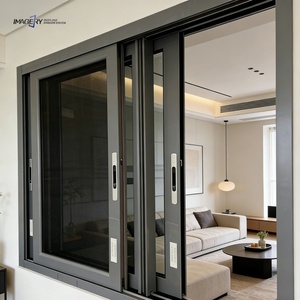
Imagery Non-thermal Break Aluminum Sliding Window Tempered Glass Soundproof with Anti-mosquito Screen
Get a Quote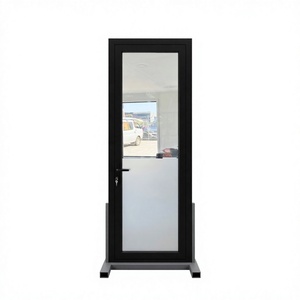
Modern Black Aluminum Tempered Glass Casement Door with Stainless Steel Screen Finished Surface for Kitchen & Hotel Use
Get a Quote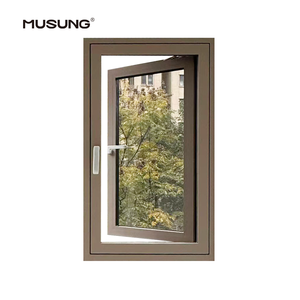
Thermal Break Aluminum Slimline Ultra Narrow Frame Windows and Doors Double Glazed Glass Casement Windows
Get a Quote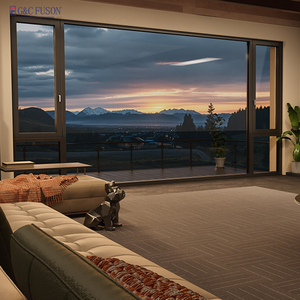
Fuson High Quality Durable Thermal Break Triple Glazing Inward Opening Tilt and Turn Aluminum Windows Bulletproof Windows
Get a Quote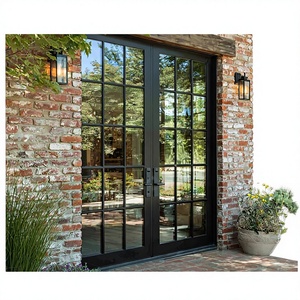
Sunnysky French Style Exterior Entry Double Tempered Glass Waterproof Modern Retro Black Aluminum Swing Door
Get a Quote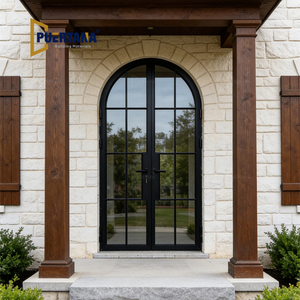
Thermally Broken Black Framed Steel Look Aluminum Glass French Door Crittall Style Heritage Doors
Get a Quote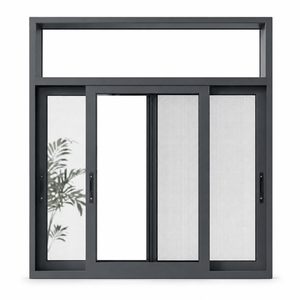
Custom Windows Dark Gray Aluminum Sliding Windows Composite Transom Top Fixed Panel Mesh Screen Energy Efficient
Get a Quote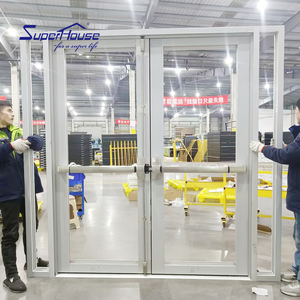
Superhouse High Quality Aluminum Glass Casement Hinged Swing Door with ADA Door Sill and Push bar for Hotel Commercial Door
Get a QuoteExecutive Summary: Global Supply Chain Dynamics for Aluminium Sliding Mesh Doors
In modern architectural fenestration, the demand for high-strength, anti-corrosive, and aesthetically integrated aluminium sliding mesh doors has experienced exponential growth. B2B purchasers—ranging from commercial facade contractors and real estate developers to wholesale importers—are tasked with sourcing systems that strike a delicate balance between structural integrity, forced-entry security, thermal efficiency, and insect filtration.
An aluminium sliding mesh door is no longer merely a basic flyscreen panel. Advanced manufacturing now merges 6063-T5 structural aluminum extrusions with high-tensile 304 or 316 marine-grade stainless steel woven security mesh. These systems feature multi-chamber thermal breaks, EPDM continuous seals, and multi-point mortise locking mechanisms capable of withstanding severe dynamic loading, coastal salt spray, and extreme climate fluctuations.
Core Procurement Metric: Leading OEM factories must demonstrate compliance with Australian Standard AS5041 (Knife Shear & Dynamic Impact Tests), NFRC thermal performance ratings (achieving U-values down to 1.1 W/m²K), and ISO 9001 quality management across the entire extrusion-to-assembly workflow.
This report delivers an exhaustive technical breakdown of the industry's top 10 global manufacturers and suppliers, analyzing profile metallurgy, security mesh wire specifications, hardware cycle ratings, OEM/ODM scalability, and export compliance.
Top 10 Aluminium Sliding Mesh Door Factories & Suppliers
Comprehensive benchmarking of top-tier global fenestration manufacturers based on profile grade, mesh specs, export experience, and certification scope.
| Manufacturer / Brand | Primary Production Hub | Profile & Mesh Standard | U-Value Capability | Key Certifications | Target Market Scope |
|---|---|---|---|---|---|
| ZENIC Window & Door | Foshan, China | 6063-T5 Alloys / 316 SS Security Mesh (0.8-1.0mm) | Down to 1.1 W/m²K | ISO9001, CE, AS2047, NFRC | Global (40+ Countries) |
| Schüco International | Bielefeld, Germany | Thermally Broken System / Fine Micro-Mesh | Down to 0.9 W/m²K | CE, DIN, EN 1627-1630 | Europe, North America |
| YKK AP Inc. | Kurobe, Japan | High-Density Anodized Aluminum / Insect Screens | 1.3 - 1.6 W/m²K | JIS, AAMA, ISO 14001 | Asia-Pacific, North America |
| Reynaers Aluminium | Duffel, Belgium | Architectural Slimline / Concealed Mesh Tracks | Down to 1.0 W/m²K | CE, Qualicoat, Minergie | EMEA, Americas |
| Superhouse Windows | Shanghai, China | Standard Thermal Break / 304 Stainless Screen | 1.4 - 1.8 W/m²K | AS2047, CSA, NFRC | Australia, USA |
| Fuson Window Technology | Foshan, China | Heavy-Duty Double Track / Security Mesh | 1.2 - 1.7 W/m²K | CE, ISO 9001 | Middle East, Southeast Asia |
| Sunnysky Windows | Guangdong, China | Heritage Steel-Look / Mosquito Screens | 1.5 - 2.0 W/m²K | CE, Intertek | North America, Europe |
| Cortizo Aluminium | Padrón, Spain | Minimalist Sliding Systems / Integrated Screens | Down to 1.1 W/m²K | CE, Qualanod, AAMA | Europe, Latin America |
| Alumil Fabrications | Kilkis, Greece | Bioclimatic Thermal Frames / Flyscreens | 1.1 - 1.5 W/m²K | CE, IFT Rosenheim | Europe, Middle East |
| Apex Building Systems | Foshan, China | Commercial Sliding / ADA Threshold Mesh Doors | 1.3 - 1.8 W/m²K | AS2047, CE | Oceania, Africa |
Technical Deep-Dive: Material Science of Aluminium Security Mesh Doors
Evaluating an aluminium sliding mesh door requires analyzing three structural pillars: profile alloy composition, wire mesh tensile integrity, and perimeter seal geometry.
6063-T5 Structural Profiles
High-grade 6063-T5 virgin aluminum alloys provide superior yield strength (≥110 MPa) and tensile strength (≥160 MPa). Wall thicknesses ranging from 1.4mm to 2.0mm prevent deflection under wind load pressures exceeding 1,000 N.
316 Marine-Grade Mesh
Constructed with 0.8mm–1.0mm high-tensile 316 stainless steel wire woven at 11x11 mesh per inch. Delivers extreme resistance against knife shearing, crowbar leverage, and coastal atmospheric oxidation (salt spray test >2000 hours).
PA66-GF25 Thermal Breaks
Integrating 24mm to 34mm Polyamide (PA66 with 25% glass fiber reinforcement) thermal barrier strips isolates conductive aluminum paths, driving overall frame thermal conductivity down and eliminating internal surface condensation.
Emerging Sourcing Trends in Aluminium Mesh Fenestration (2025–2030)
As international energy performance standards tighten and architectural design favors expansive glazed elevations with uncompromised natural ventilation, buyers must prepare for several key technological shifts:
1. Ultra-Narrow Minimalist Sightlines
Modern high-end residential designs demand ultra-thin interlockers (down to 18mm visible width). Top suppliers are engineering concealed mesh sash tracks that hide the flyscreen frame inside the outer frame pocket when docked.
2. Smart Sensor & IoT Security Integration
Future sliding mesh screens integrate hidden reed switches, perimeter vibration sensors, and smart electric lock actuators. Commercial projects increasingly specify mesh systems compatible with central Building Management Systems (BMS).
3. Sustainable Low-Carbon Billet Sourcing
Driven by European EU CBAM (Carbon Border Adjustment Mechanism) policies, leading OEMs are shifting toward primary aluminum smelted using hydroelectric energy, lowering embodied carbon to less than 4.0 kg CO2e per kg of extruded profile.
4. Multi-Track Hybrid Barrier Systems
Next-generation configurations combine double/triple insulated glass sashes with an independent, heavy-duty sliding security mesh sash on a 3-track or 4-track heavy-duty stainless steel bottom rail system.
Factory Operations & OEM/ODM Capability: Zenic Window & Door Technology
Headquartered in Foshan, China—the world’s epicenter for aluminum extrusion and architectural hardware—Zenic Window & Door Technology Co., Ltd. stands as an industry benchmark for export-focused fenestration manufacturing.
Operating from a 20,000 m² state-of-the-art production base, ZENIC controls the complete manufacturing chain: from profile CNC cutting and automated corner crimping to IGU glass glazing, mesh screen assembly, and rigorous pre-shipment testing.
Key competitive advantages engineered for international distributors, builders, and architectural specifiers include:
- Zero Scrap Billet Policy: Only prime 6063-T5 aluminum alloy extrusions are utilized, guaranteeing dynamic structural stability and flawless powder coating adhesion.
- Pin-Injected Corner Joinery: Structural frame corners feature German-style corner codes injected with two-component polyurethane glue to guarantee 100% water-tightness and frame rigidity.
- 200,000-Cycle Hardware Rating: Multi-point stainless steel locks and high-capacity tandem stainless steel rollers are stress-tested to support heavy sashes up to 300 kg without track deformation.
- Custom Surface Finishing: In-house powder coating lines comply with AAMA 2604/2605 and Qualicoat Class 2 standards, offering superior resistance to UV degradation and salt spray corrosion.
- Sea-Worthy Export Crate Protection: Finished assemblies are wrapped in protective EPE foam, fitted with reinforced corner guards, and enclosed in fumigation-free solid plywood crates for overseas transit.
Frequently Asked Questions (FAQ) for Global Buyers
Detailed technical answers addressing common engineering, compliance, and logistics questions encountered when importing aluminum sliding mesh doors.
What is the technical difference between 304 and 316 stainless steel security mesh in sliding doors?
How do aluminium sliding mesh doors perform under severe wind load and typhoon conditions?
What is the minimum order quantity (MOQ) and production lead time for factory orders?
Can sliding mesh doors achieve strict energy code compliance (Low U-values)?
What forced-entry standards should a security sliding mesh door meet?
How do factories ensure quality control during bulk OEM/ODM manufacturing?
Accelerate Your Project Sourcing Today
Partner with an established Foshan OEM factory. Submit your window schedule or architectural elevations for instant engineering review, shop drawings, and competitive project pricing.