Featured Architectural Fenestration Systems
Precision-engineered thermal break aluminum and aluminum-clad systems engineered for demanding commercial and high-end residential applications globally.
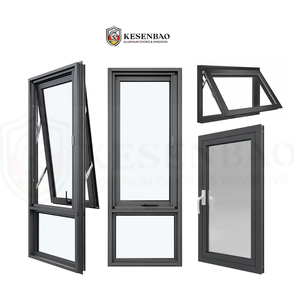
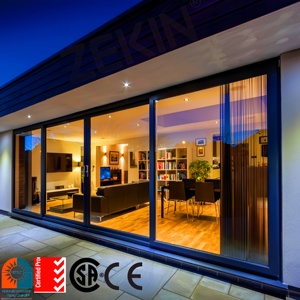
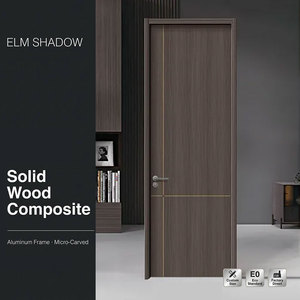
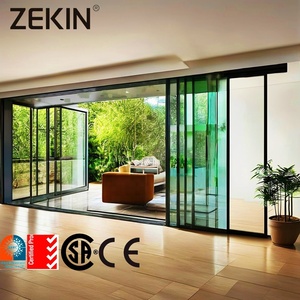
1. Strategic Shift in Architectural Openings: The Rise of Aluminum-Clad Exterior Systems
Modern architectural design is undergoing a structural transition toward building envelopes that synthesize thermal insulation, structural resilience, and refined aesthetic warmness. Historically, commercial developers and residential project specifiers faced a compromise: the classic elegance and interior warmth of solid wood doors came with high lifecycle maintenance costs, susceptibility to warping, and vulnerability to severe exterior weathering. Conversely, un-clad aluminum systems, while structural and low-maintenance, could present cold interior thermal bridges if improperly broken and lacked the organic interior texture required by premium luxury designs.
The solution gaining overwhelming market share across North America, Europe, Oceania, and the Middle East is the engineering of Aluminum-Clad Exterior Doors. By combining heavy-gauge structural aluminum extrusions (such as virgin 6063-T5 alloy) on the exterior face with interior timber profiles (such as sustainably sourced White Oak, Teak, or Larch), manufacturers achieve an unyielding weather barrier combined with high-end interior joinery. According to recent global fenestration trade analytics, demand for high-performance exterior aluminum-clad systems is projected to expand at a CAGR of 6.8% through 2030, driven predominantly by tightening energy codes (such as IECC 2024 and European NZEB mandates) and the growth of modern luxury residential developments.
2. Engineering Benchmark: Material Performance & Thermal Isolation Metrics
To evaluate top-tier aluminum clad exterior door factories, global procurement officers must analyze structural integrity, thermal break technology, and weatherproofing sealing systems. Top Chinese extrusion and fenestration hubs, centered in Foshan, Guangdong, have integrated European precision tooling with advanced automated CNC fabrication lines to deliver systems that match or exceed stringent Western testing protocols (including NFRC, AAMA, AS2047, and CE standards).
| Performance Parameter | Standard Solid Wood Doors | Standard Un-Broken Aluminum | ZENIC Thermal Break Aluminum-Clad |
|---|---|---|---|
| Thermal Transmittance (U-Value) | 1.8 – 2.4 W/m²K | 2.8 – 3.5 W/m²K | 1.1 – 1.4 W/m²K (Passive House Grade) |
| Exterior Weather Resistance | Low (Requires repainting every 2–3 yrs) | High (Subject to surface pitting) | Ultra-High (Fluoropolymer AAMA 2605 Finish) |
| Air Infiltration Rating | Moderate (Gasket shrinkage risk) | Moderate (Draft leakage at joints) | < 0.1 cfm/ft² (Continuous EPDM 3-Layer Gasket) |
| Structural Wind Load Capacity | Up to 1,200 Pa | Up to 2,500 Pa | Up to 4,500 Pa (High-Velocity Hurricane Rating) |
| Hardware Lifespan Rating | 50,000 Cycles | 100,000 Cycles | 200,000+ Cycles (German Multi-Point Gearboxes) |
As demonstrated in the comparison table, high-tier aluminum clad systems achieve superior thermal isolation through the integration of multi-chamber polyamide thermal break strips (PA66GF25 with 25% glass fiber reinforcement). This prevents energy transfer across the thermal envelope, dramatically reducing heating and cooling HVAC loads in extreme climates.
4 Key Manufacturing Advantages of Top Exporters
Essential manufacturing credentials that distinguish world-class door factories from conventional assembly workshops.
Virgin 6063-T5 Extrusions
Premium factories utilize 100% primary aluminum billet with wall thicknesses ranging from 2.0mm to 3.0mm. Refusing recycled scrap ensures maximum structural yield strength, precise corner crimping, and superior anodizing/powder coat adhesion.
Continuous EPDM Sealing
Utilizing Automotive-grade EPDM (Ethylene Propylene Diene Monomer) continuous gasket seals across three distinct sealing lines eliminates air draft and water ingress under high wind pressures (tested up to 1,000 N).
Corner Injection & Pin Locking
Structural frame corners are not merely mechanically screwed; top exporters utilize corner crimping with dual-component epoxy glue injection and stainless steel alignment pins. This guarantees lifetime structural alignment without sagging.
3. Enterprise Profile: ZENIC Window & Door Technology Co., Ltd.
Headquartered in Foshan, China—the globally recognized epicentre of metal profile extrusion and hardware engineering—Zenic Window & Door Technology Co., Ltd. stands out as a leading OEM/ODM manufacturer specializing in high-performance aluminum window, door, and outdoor living systems. Operating a state-of-the-art 20,000 square meter production facility, ZENIC integrates the complete manufacturing value chain under one roof: from precision CNC cutting and profile machining to automated corner crimping, double/triple insulated glass unit (IGU) glazing, and sea-worthy export crating.
Core Corporate Capabilities & Global Footprint
For over 15 years, ZENIC has provided customized fenestration solutions to architects, general contractors, real estate developers, and wholesale distributors in more than 40 countries across North America, Europe, Australia, and the Middle East. Key operational strengths include:
- Low Thermal Transmittance: Multi-chamber thermal break systems achieving verified U-values as low as 1.1 W/m²K, optimized for Passive House and low-energy building designs.
- Comprehensive Testing & Certification: Product series certified to international benchmarks including NFRC (North America), CE (Europe), AS2047 (Australia), CSA (Canada), AAMA, and ISO 9001 quality management systems.
- Rigorous Hardware Validation: Hardware and multi-point locking gearboxes tested to withstand over 200,000 continuous operation cycles under maximum sash weights of up to 200 kg.
- Tailored OEM/ODM Flexibility: Custom extrusion dies, private label branding, RAL architectural powder coatings, wood-grain transfers, and fluoropolymer (Kynar 500) surface treatments tailored to client specifications.
- Rapid Supply Chain Execution: Standard manufacturing lead times starting from just 15 days following shop drawing approval, supported by direct port shipping via Foshan or Shenzhen.
4. Future Procurement & Technological Development Trends (2025–2030)
As the global architectural landscape evolves toward decarbonization and minimalist aesthetics, procurement officers must align with factories actively investing in next-generation window and door technologies. Key emerging trends shaping the next decade of exterior door manufacturing include:
Trend 1: Ultra-Slim Sightlines & Structural Glass Integration
Modern luxury residential architecture demands maximum daylight harvesting and panoramic views. Next-generation aluminum-clad sliding and casement systems feature ultra-narrow interlock profiles (as slim as 18mm to 25mm sightlines) while relying on structural polyurethane bonding of the IGU to the aluminum sub-frame. This allows doors to reach heights of over 4 meters while maintaining exceptional resistance to wind load deflection.
Trend 2: Smart Building Integration & Motorized Access Controls
Exterior entry doors and large panoramic lift-and-slide doors are increasingly integrated into smart home automation protocols (KNX, Zigbee, Crestron). Leading exporters are embedding hidden motorized multi-point lock actuators, electromechanical latch retraction, biometric fingerprint readers, and facial recognition access into the door jamb without compromising weather seals or aesthetic continuity.
Trend 3: Super-Insulated Glass Units (Triple & Quadruple IGU with Aerogel)
Driven by Europe's Energy Performance of Buildings Directive (EPBD) and North American ENERGY STAR 7.0 standards, exterior doors are shifting from standard dual-pane glass to triple or quadruple glazing units. These IGUs utilize dual Low-E coatings, warm-edge composite spacers (such as Technoform), and 90%+ Argon or Krypton gas fill. Advanced R&D facilities are also testing aerogel-filled frame profiles to eliminate internal thermal radiation.
Trend 4: Sustainable Sourcing & Circular Lifecycle Design
Global developers are prioritizing Environmental Product Declarations (EPDs) and LEED certification points. Top factories are adopting low-carbon primary aluminum extruded using renewable hydroelectric power, paired with FSC-certified interior wood timber (Larch, Oak, Pine) sourced from sustainably managed forests. Furthermore, mechanical cladding clip systems allow clean separation of exterior aluminum from interior wood at end-of-life for 100% material recycling.
Frequently Asked Procurement Questions (FAQ)
Authoritative technical answers to common questions raised by overseas importers, developers, and project engineers.
What is the typical Minimum Order Quantity (MOQ) for custom project sourcing?
What is the standard production lead time from deposit to port delivery?
How do aluminum-clad exterior doors perform in extreme coastal or high-humidity environments?
What thermal U-values and acoustic soundproofing ratings can your systems achieve?
Do you provide shop drawings and structural wind load calculation engineering support?
How are oversized glass door units packaged to prevent ocean freight transit damage?
Partner with China's Premier Door & Window Exporter
Send us your project elevations, window schedules, or custom OEM requirements. Our fenestration engineers will provide technical reviews, shop drawings, and competitive direct factory pricing within 24 hours.
Inquire Now