Export-Grade Aluminum Interior & Architectural Doors
Engineered in Foshan, China to global structural, acoustic, and thermal performance benchmarks. Select a system below to request complete CAD details and wholesale factory pricing.
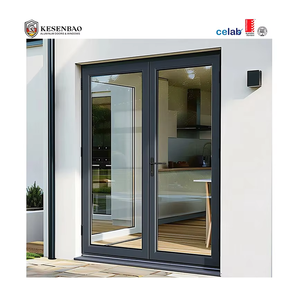
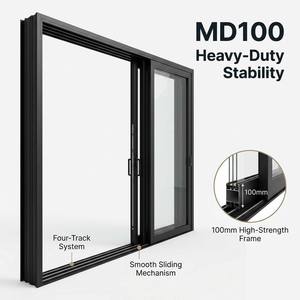
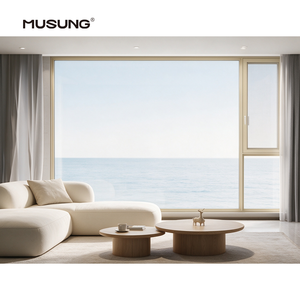
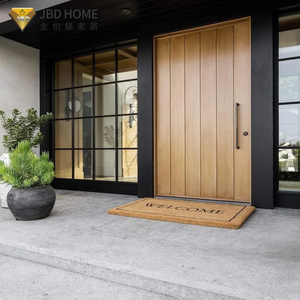
Executive Summary: Navigating Global Sourcing for Aluminum Interior Doors
The global interior door industry has experienced a structural paradigm shift over the past decade. Traditional solid wood and timber-composite interior doors are rapidly losing market share in high-end commercial, multi-family, and luxury residential projects to advanced aluminum interior door systems. Driven by the demand for structural longevity, zero formaldehyde emissions, moisture immunity, slim profile aesthetics (minimalist 16mm–30mm sightlines), and acoustic isolation, real estate developers, architects, and general contractors are revising their fenestration procurement standards.
Selecting a reliable factory among the global supply chain requires rigorous evaluation of metallurgical purity, surface finishing technology, hardware endurance cycling, and acoustic seal engineering. Based in Foshan, China—the epicenter of high-precision aluminum extrusion manufacturing—ZENIC Window & Door Technology Co., Ltd. presents this authoritative guide evaluating the Top 10 Aluminum Interior Doors Manufacturers & Factories worldwide. This report equips global specifiers, procurement officers, and wholesalers with the technical criteria needed to de-risk overseas manufacturing partnerships.
Key Technical Benchmarks for Evaluating Aluminum Interior Door Manufacturers
To qualify among the top tier of aluminum door manufacturers, an enterprise must possess vertically integrated control over raw material sourcing, precision machining, surface treatment, assembly, and compliance testing. Overseas buyers should evaluate prospective suppliers against the following four core engineering pillars:
1. Aluminum Alloy Metallurgy & Wall Thickness Integrity
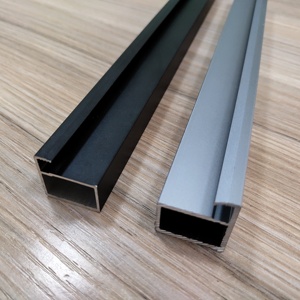
Uncompromising structural integrity begins with raw billet selection. Top-tier manufacturers utilize virgin 6063-T5 architectural-grade aluminum alloy, eschewing low-cost recycled scrap metal which introduces micro-structural impurities and compromises tensile strength. Profiles must maintain a uniform structural wall thickness of at least 1.4mm to 2.0mm for doors, strictly complying with EN 12020-2 and GB/T 5237 precision tolerances. Virgin alloy ensures structural stiffness under high dynamic cycle loads, smooth anodizing response, and absolute warp resistance in high-humidity interior environments such as bathrooms and kitchens.
2. Advanced Surface Treatment: Anodizing vs. Powder Coating
Interior doors are subject to continuous physical interaction. Leading factories utilize multi-stage chemical pretreatment followed by premium surface application. Premium micro-thin matte anodizing (reaching 10–15 microns) produces a silky, fingerprint-resistant tactile surface ideal for kitchen cabinet frame profiles and minimalist glass partition doors. For color flexibility, Qualicoat Class 2 certified electrostatic fluorocarbon (PVDF) powder coating ensures impact resistance, scratch immunity, and zero color degradation under interior artificial lighting and indirect UV exposure.
3. Acoustic Isolation & Perimeter Gasket Engineering
A primary criticism of legacy metal doors was poor sound insulation. Modern high-end factories overcome this by designing multi-cavity extrusion profiles integrated with continuous EPDM (Ethylene Propylene Diene Monomer) synthetic rubber gaskets and magnetic drop-seal thresholds. When combined with laminated or double-glazed acoustic glass units (featuring PVB or SGP interlayers), high-performance aluminum interior doors can achieve sound attenuation ratings of STC 35 to STC 42 (Sound Transmission Class), effectively isolating office conference rooms, hotel guest suites, and residential bedrooms.
4. High-Cycle Concealed Hardware Systems
A door system's longevity is limited by its hardware mechanisms. Leading OEM/ODM factories partner with top-tier hardware engineers (e.g., German-engineered multi-point locks, heavy-duty 3D adjustable concealed hinges, and soft-closing magnetic latches). Hardware must undergo rigorous physical testing certified for a minimum of 200,000 operational cycles under structural sash loads up to 120kg per door leaf.
Why Global Builders Partner With Our Foshan Factory
Combining 15+ years of export engineering experience with a modern 20,000m² manufacturing infrastructure tailored for OEM/ODM scalability.
Foshan Supply Chain Hub
Located in Foshan, China—the global epicenter of aluminum extrusion—providing direct access to prime raw billets, custom die tooling, and specialized hardware suppliers.
Tested Global Certification
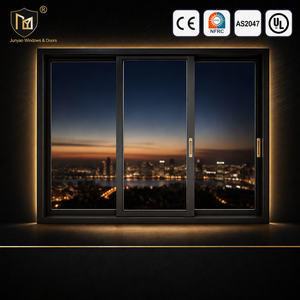
Product lines tested and certified to NFRC, CE, AS2047, CSA, AAMA, and ISO 9001 quality management standards, ensuring effortless regional code compliance.
Polyamide Thermal Breaks
Engineered with high-density PA66-GF25 polyamide thermal insulation strips, achieving ultra-low system U-values down to 1.1 W/m²K for energy-rated structures.
Full OEM & ODM Support
Custom profile die design, RAL powder colors, anodized textures, customized glass branding, and custom packaging tailored for global distributors.
Sea-Worthy Crate Packaging
Multi-layer protective packaging featuring EPE foam wrap, heavy-duty plastic corner guards, and fumigation-free solid plywood export cases.
15-Day Production Lead Time
Rapid manufacturing schedules backed by automated CNC double-head cutting saws, four-corner crimping machines, and structured inventory buffers.
Future Sourcing & Engineering Trends in Aluminum Interior Doors
As architectural designs trend toward ultra-minimalism, biophilic light transmission, and smart automation, commercial buyers must align with factories investing in next-generation research and development. Key trends shaping procurement over the next decade include:
1. Micro-Slim Profile Architectures (16mm Sightlines)
The traditional thick door frame is rapidly being replaced by micro-frame narrow sightline aluminum doors. By utilizing high-yield strength 6063-T6 or 6005A-T6 alloys, structural engineers can reduce the visible frame face width to as little as 16mm while supporting heavy tempered glass panels up to 3 meters in height. This maximizes natural daylight transfer across indoor spaces while preserving rigid structural safety.
2. Electrochromic & Smart Glass Integration
Modern interior partition doors and executive office casement doors are increasingly specified with integrated Electrochromic Switchable Smart Glass (PDLC technology). With a single electrical pulse or smart home system command, the glass transitions from crystal-clear transparency to total privacy opacity. Leading aluminum door manufacturers are now co-engineering internal wire-chase raceways concealed within the extruded aluminum frame profiles.
3. Zero-Threshold Flush Bottom Tracks
Barrier-free design principles (in compliance with ADA and universal accessibility standards) have driven the demand for flush, floor-recessed door track systems. Innovative sliding interior doors utilize magnetic dust-proof bottom seals and recessed stainless steel roller channels that eliminate tripping hazards between living areas, hallways, and interior patios without compromising acoustic or air movement seals.
4. Carbon-Neutral Manufacturing & EPD Certification
Global developers are facing stringent ESG (Environmental, Social, and Governance) targets. Procuring aluminum doors backed by verified Environmental Product Declarations (EPD), using low-carbon primary aluminum smelted via hydropower, and verifying 100% recyclability at end-of-life are becoming mandatory prerequisites in tier-one project tenders.
Standardized Specifications Matrix for Aluminum Doors
Use this reference matrix when preparing project submittals, architectural schedules, and tender documentation.
| Performance Parameter | Standard Specification Range | Engineering Benefit & Application |
|---|---|---|
| Aluminum Extrusion Alloy | Prime 6063-T5 / T6 Architectural Billet | High strength-to-weight ratio, structural rigidity, superior anodizing surface quality. |
| Profile Wall Thickness | 1.4mm to 2.0mm (Custom up to 3.0mm) | Resists torsional warping, supports heavy glass panes, complies with international codes. |
| Thermal Insulation | Polyamide PA66-GF25 Thermal Break Strips | Prevents heat transfer, minimizes condensation risk, achieves U-values down to 1.1 W/m²K. |
| Acoustic Rating (STC) | STC 32 – STC 42 (Double/Laminated IGU) | Effectively attenuates mid and high-frequency noise for bedrooms and executive offices. |
| Surface Finish Options | Anodized (Matte/Satin), PVDF Coating, Wood Grain | Qualicoat Class 2 certified finish, scratch resistant, zero color fading over decades. |
| Hardware Cycle Life | Tested to 200,000+ Cycles (EN 1191) | Long service lifespan, zero sag in heavy door leaves, minimal maintenance requirements. |
| Minimum Order Quantity | From 50 Units (Mixed Schedules Allowed) | Flexible commercial project staging, sample approval support, direct factory export. |
Frequently Asked Questions by Overseas Buyers
Clear, expert answers addressing international logistics, customization options, quality control, and order fulfillment.