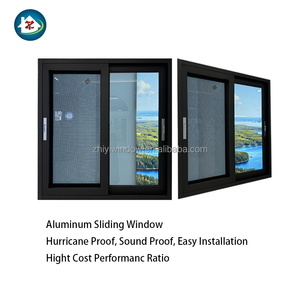
Market Intelligence & Technical Analysis
The Paradigm Shift in Architectural Security Fenestration
In contemporary architectural design and high-end property development, the traditional dichotomy between structural physical security and modern aesthetic transparency has been eliminated. The global demand for aluminum security doors is accelerating at an unprecedented Compound Annual Growth Rate (CAGR), driven by rigorous international building codes, escalating climate extremity, and sophisticated forced-entry countermeasures.
Historically, high-security entry systems relied heavily on solid steel construction. However, steel systems present severe structural trade-offs: vulnerability to coastal galvanic corrosion, poor thermal breaks leading to severe energy efficiency losses, extreme deadweight strain on hinge mechanisms, and restrictive geometric malleability. Modern architectural aluminum alloys—specifically 6063-T5 and 6060-T6 structural extruded profiles—have emerged as the material of choice for commercial developers, luxury villa projects, and high-occupancy institutional buildings.
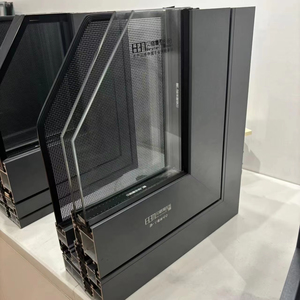
Information Gain Insight: Advanced aluminum security doors engineered with multi-chamber polyamide (PA66GF25) thermal breaks and integrated 304/316 stainless steel security mesh provide structural intrusion resistance up to European Standard EN 1627 Class RC3 / PAS 24 while delivering thermal insulation U-values as low as 1.1 W/m²K.
RC3+
Burglary Resistance Rating
1.1W/m²K
Lowest Thermal Transmittance
200KCycles
Hardware Durability Tested
40+
Global Export Markets
Industry Benchmarking
Top 10 Global Aluminum Security Doors Manufacturers & Suppliers
Selecting an enterprise-grade OEM/ODM fenestration partner requires rigorous audit standards beyond unit pricing. Manufacturers are evaluated on structural extrusion wall thickness, alloy purity, surface finish durability (AAMA 2605 standards), corner crimping technology, and global compliance testing (CE, NFRC, AS2047, CSA).
| Manufacturer / Brand | Primary Production Hub | Core System Specialization | Max Profile Depth | Thermal U-Value Range | OEM/ODM Flexibility |
|---|---|---|---|---|---|
| 1. ZENIC Window & Door Tech | Foshan, China | Thermal Break Security, Hurricane Impact & Heavy Sliding | 65mm – 150mm | 1.1 - 1.6 W/m²K | Full Customization / B2B Direct |
| 2. Schüco International | Bielefeld, Germany | Ultra-High-End Commercial Façades & Smart Security Systems | 75mm – 120mm | 0.9 - 1.4 W/m²K | Standardized System Supply |
| 3. Reynaers Aluminium | Duffel, Belgium | Minimalist Security Sliding Doors & Architectural Systems | 68mm – 115mm | 1.2 - 1.8 W/m²K | Licensed Fabricator Network |
| 4. Kawneer (Arconic) | Georgia, USA | Commercial Impact-Rated Doors & High-Traffic Entrances | 50mm – 100mm | 1.4 - 2.2 W/m²K | Strict Commercial Spec |
| 5. YKK AP Inc. | Tokyo, Japan | Seismic-Resistant & Weather-Sealed Security Assemblies | 60mm – 110mm | 1.3 - 1.9 W/m²K | Regional Dealer Distribution |
| 6. Technal (Hydro Group) | Toulouse, France | Sustainable Recycled Aluminum Security Solutions | 65mm – 120mm | 1.1 - 1.7 W/m²K | Architectural Partner Model |
| 7. Aluk Group | Luxembourg / Global | Multi-Point Locking Residential & Commercial Systems | 50mm – 95mm | 1.3 - 2.0 W/m²K | System House Distribution |
| 8. Cortizo Systems | Padrón, Spain | Acoustic & Burglar Resistant Slimline Aluminum Doors | 70mm – 130mm | 1.0 - 1.6 W/m²K | European Fabricator Network |
| 9. OUNA Windows & Doors | Guangdong, China | Commercial Heavy Duty Sliding & Exterior Patio Systems | 80mm – 140mm | 1.4 - 2.1 W/m²K | Direct B2B Manufacturing |
| 10. LT JINGMU Doors | Guangdong, China | Luxury Interior Security Alloys & Modern Waterproof Series | 45mm – 85mm | 1.6 - 2.3 W/m²K | Project Wholesale & Custom |
Product Showcase
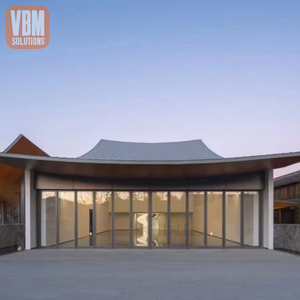
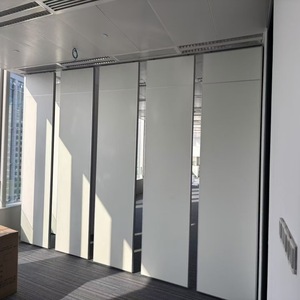
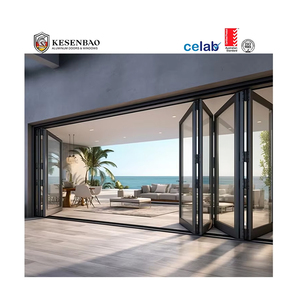
Featured Aluminum Security Doors & High-Performance Systems
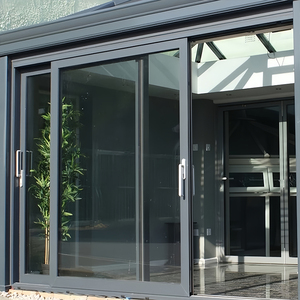
Explore our engineered lineup of thermal break aluminum security doors, hurricane-impact patio sliders, bi-fold systems, and architectural partition screens.

Strategic Foresight
Future Procurement Trends in Aluminum Security Fenestration (2025–2030)
Global commercial procurement teams and architectural firms are reassessing supply chain specifications. Procurement strategy is shifting from simple unit cost purchasing to long-term lifecycle performance, regulatory compliance, and smart building integration.
1. Smart Biometric & IoT Integration
Next-generation security doors incorporate motor-driven multi-point locking gear, motorized drop seals, structural biometric access controls (facial recognition, fingerprint, RFID), and encrypted smart home gateway integration directly into extruded sash profiles.
2. High-Gauge Stainless Security Mesh
Traditional wrought iron bars are being replaced by high-tensile 304 and 316 marine-grade stainless steel mesh (0.8mm to 1.0mm wire thickness). This provides forced-entry barrier strength while preserving 85% natural daylight transparency and insect protection.
3. Decarbonization & Low-U Values
Strict energy codes (such as EU NZEB and US Energy Star v7.0) mandate extreme thermal efficiency. Modern security doors must incorporate 30mm+ polyamide insulating strips, argon-filled triple-glazed Low-E units, and warm-edge spacers to mitigate thermal bridging.
Engineering Innovation
Key Manufacturing & Structural Development Trends
The manufacturing of security doors has progressed beyond standard assembly. Advanced aluminum fenestration factories utilize automated CNC 5-axis machining centers, precision corner-crimping algorithms, and proprietary chemical surface pretreatments to guarantee structural integrity over a multi-decade operational lifespan.
Pin-and-Glue Heavy Corner Assembly
Eliminating weak mechanical screw joints, modern security door frames utilize hydraulic corner crimping infused with dual-component structural epoxy resin. This prevents frame sag, resists forced-entry leverage forces, and eliminates water ingress.
Pressure-Equalized Hidden Drainage
Concealed internal drainage channels with back-pressure valves ensure water evacuation during torrential storms and hurricane wind pressures exceeding 1,000 Pascals, preventing back-siphonage into interior spaces.
Super-Durable Architectural Finishes
Fluorocarbon (PVDF) coatings and Qualicoat Class 2 powder coatings ensure that security doors exposed to high UV radiation, extreme temperature fluctuations, and coastal salt spray retain color fastness for up to 25 years without chalking or peeling.
OEM / ODM Technical Strengths
Factory Infrastructure & Global Supply Chain Advantage
Operating from Foshan, China—the world’s premier industrial hub for precision aluminum extrusion and structural hardware engineering—our manufacturing base delivers unmatched scale, customization flexibilities, and quality management.
- Prime 6063-T5 Alloy Guarantee: We exclusively utilize virgin primary aluminum billets. Recycled scrap alloy is strictly forbidden, ensuring uniform tensile strength (≥ 160 MPa) and superior anodizing clarity.
- Structural Profile Depth & Thickness: Frame profiles engineered with wall thicknesses up to 2.0mm–3.0mm provide load-bearing stability for oversized heavy-duty sliding panels and ballistic glass units.
- Integrated Hardware Systems: Seamless compatibility with European multi-point lock brands (Siegenia, Hoppe, GU, Sobinco) and high-load stainless steel rollers tested up to 200,000 continuous operation cycles.
- Fumigation-Free Sea-Worthy Packaging: Finished door assemblies are wrapped with protective EPE foam film, heavy-duty corner guards, and sealed within fully enclosed plywood crates for zero-damage container freight.
Frequently Asked Questions
B2B Procurement & Technical FAQ
What is the Minimum Order Quantity (MOQ) for custom aluminum security doors?
Our standard Minimum Order Quantity (MOQ) starts at 50 square meters or 20 individual units for standard profile colors (such as Matt Black, Anthracite Grey, and Traffic White). For custom RAL colors, custom extrusion dies, or specialized wood-grain heat-transfer finishes, project-based MOQs are negotiated. We fully support container mixing across different window and door series to optimize ocean freight costs.
How do aluminum security doors compare to traditional steel security doors?
Aluminum security doors offer several distinct engineering advantages over steel: 1) Superior Corrosion Resistance: Aluminum naturally forms a self-healing oxide layer and does not rust in coastal environments. 2) Thermal Insulation: Steel conducts thermal energy rapidly; aluminum systems utilize polyamide thermal break profiles to meet modern energy codes. 3) Design Flexibility: Extruded aluminum allows for complex multi-chamber geometry, narrow sightlines, and smooth operation without excessive deadweight.
What international testing standards and certifications do your security doors meet?
Our product lines are engineered to meet key market certifications: North America: NFRC (U-Value / SHGC testing), AAMA, and ASTM E1996 Hurricane Impact standards. Europe: CE Marking (EN 14351-1) and EN 1627 RC2/RC3 forced-entry resistance. Australia: AS2047 and AS1170 wind load pressure standards. Quality management is certified under ISO 9001.
What is the typical production lead time for export orders?
Standard lead time is 20 to 30 calendar days following final CAD shop drawing sign-off and deposit receipt. Custom profile die creation adds approximately 15 days for extrusion tooling, testing, and sample approval. Goods ship FOB Foshan or Shenzhen port.
Can you produce OEM products under our private brand name?
Yes. We offer complete OEM/ODM manufacturing support including custom extrusion profile design, laser-etched branding on hardware and frames, custom protective protective film tape, and customized export plywood crating to suit wholesale distribution networks.
Partner with a Leading Security Door Manufacturer
Request technical specifications, structural CAD shop drawings, or a competitive factory-direct quote for your upcoming real estate or commercial project.