Export-Grade Aluminium Main Entrance Systems
Engineered for luxury residential villas, high-traffic commercial towers, and severe coastal weather environments. Factory direct from Foshan, China.
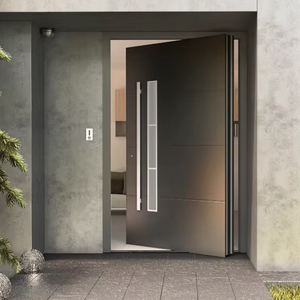
CBMmart Miami-Dade Certificate NFRC North American Style Panel Tempered Glass Aluminium Modern Entrance Front Pivot Door
Send an Inquiry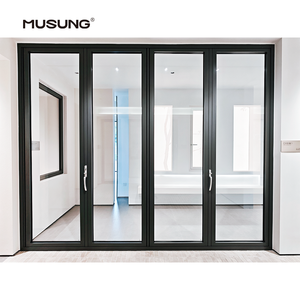
Seaside Hotel Hurricane Proof Aluminum Exterior Balcony Patio Soundproof Glass Garden Aluminum Folding Doors
Send an Inquiry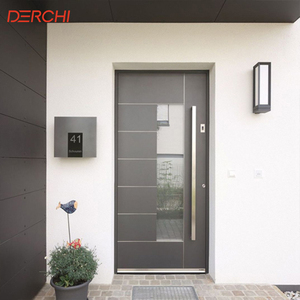
Exterior Aluminum Entry Door Front Door Security Door For Homes Villas And Apartments Custom Size
Send an Inquiry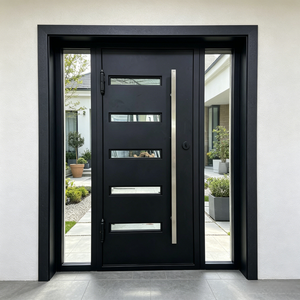
Sunnysky Oversized Aluminum Pivot Door AS2047 Certified Glazed Exterior Swing Open Hinged Grand Mansion Entrance Main Doors
Send an Inquiry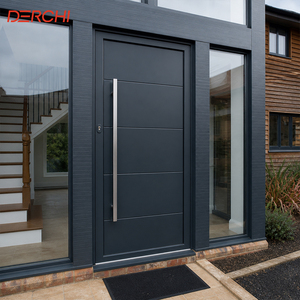
Luxury Aluminum Front Door Entry Door Exterior Security Door For Residential And Commercial Use
Send an Inquiry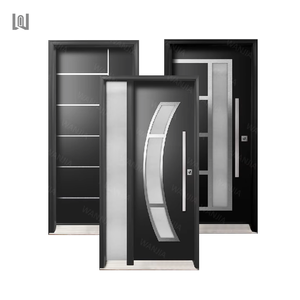
Anti-Theft Residential Home Renovation Main Entrance Entry Security Door Security Door Entrance Security Doors
Send an Inquiry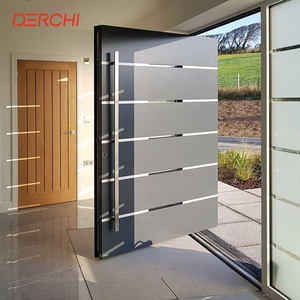
DERCHI USA Exterior Residential Aluminum Security Doors Hurricane Impact Heat Insulated Steel Glass Front Entry Doors
Send an Inquiry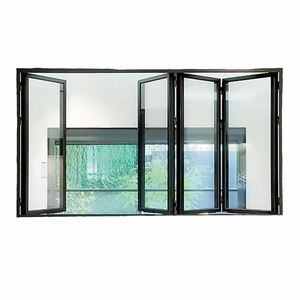
American-Style Aluminum Double-Folded Kitchen Window Electric Vertical Sliding Storefront for Coffee Shop Outdoor Horizontal
Send an InquiryExecutive Overview: The Shift in Global Architectural Door Procurement
In modern commercial and high-end residential architecture, the main entrance door is no longer merely a physical point of access. It has evolved into a critical engineering facade component that dictates energy performance, structural safety against extreme weather events, aesthetic distinction, and building security. As architects, general contractors, real estate developers, and fenestration distributors seek superior price-to-performance ratios, China has consolidated its position as the world's premier manufacturing center for high-performance aluminium main doors.
Specifically centered in the Foshan industrial ecosystem of Guangdong province, Chinese manufacturers combine advanced metallurgy, precision CNC fabrication, multi-chamber thermal break technology, and compliance with stringent international building codes (such as North America’s NFRC/AAMA, Florida’s Miami-Dade HVHZ impact standards, Europe’s CE EN14351-1, and Australia’s AS2047). This whitepaper provides architectural specifiers and global procurement directors with an exhaustive technical evaluation of China's top aluminium door manufacturing capabilities, technological innovations, procurement trends, and quality assurance metrics.
Why Foshan, China Leads the Global Aluminium Fenestration Industry
Understanding the structural advantage of Chinese aluminium main door suppliers requires evaluating the supply chain concentration in Foshan. Unlike fragmented regional fabricators, top Foshan manufacturers operate within an end-to-end industrial cluster that integrates raw aluminium smelting, custom die extrusion, surface treatment, thermal break strip insertion, hardware machining, and double/triple insulated glass unit (IGU) fabrication within a 30-kilometer radius.
Metallurgical Integrity
Utilizing prime 6063-T5 architectural aluminium alloy with wall thicknesses exceeding 2.0mm to 3.0mm, ensuring zero structural deflection under extreme wind pressure.
Advanced Thermal Barriers
Integration of Technoform Polyamide (PA66GF25) thermal break strips that drastically reduce thermal conductivity between exterior and interior door profiles.
Impact & Security Engineering
Laminated SGP structural interlayer glass paired with multi-point stainless steel locking mechanisms to withstand forced entry and hurricane impact loads.
Engineering Breakdown of Premium Main Door Typologies
1. Oversized Modern Pivot Entrance Systems
Pivot doors represent the pinnacle of modern architectural luxury. By transferring the door leaf weight from side hinges to top and bottom floor-pivot mechanisms, these systems permit leaf dimensions reaching up to 3000mm in width and 6000mm in height. Leading Chinese manufacturers utilize heavy-duty hydraulic floor springs with adjustable closing speeds, 304/316 stainless steel pivot axles, and multi-seal EPDM perimeter gaskets. Thermal break pivot profiles incorporate dual PA66GF25 insulation bars, allowing giant glass-and-aluminum main panels to maintain thermal efficiency while serving as iconic design statements.
2. Heavy-Duty Security & Anti-Theft Main Entry Doors
Combining aluminum profile aesthetics with steel armor plate core technology, security entry doors engineered in China feature multi-point gear-driven locking pins (up to 12 locking points around the perimeter). The outer faces utilize powder-coated or anodized 6063-T5 aluminum plates, resistant to corrosion, UV degradation, and mechanical scratching. Internal cavities are filled with fireproof mineral wool or high-density polyurethane foam, offering sound insulation metrics up to 45 dB (Rw rating).
3. Bioclimatic Exterior Folding & Storefront Main Systems
For commercial hospitality venues, high-end storefronts, and open-plan luxury villas, bi-fold main door systems provide complete clearance of structural openings. Chinese engineering standards employ top-hung or bottom-load heavy-duty stainless steel carriage rollers rated for sashes up to 300kg each. Flush concealed bottom tracks incorporate pressure-equalized drainage slots, effectively channeling rainwater outwards while meeting ADA compliance for zero threshold height transitions.
Technical Specification Matrix: Performance Comparison
When evaluating manufacturers, procurement teams must analyze quantifiable physical performance parameters tested under recognized laboratory protocols (AAMA/WDMA/CSA 101/I.S.2/A440 or BS EN 14351).
| Door System Typology | Wall Thickness | U-Value Range | Wind Pressure (Pa) | Acoustic Rating | Water Tightness |
|---|---|---|---|---|---|
| Thermal Break Pivot Door | 2.5mm - 3.0mm | 1.2 - 1.6 W/m²K | 5,000 Pa (HVHZ) | 38 - 42 dB | 700 Pa (Class 9A) |
| Armored Security Main Entry | 2.0mm - 2.5mm + Steel Core | 1.4 - 1.8 W/m²K | 4,500 Pa | 40 - 45 dB | 600 Pa |
| Heavy-Duty Folding Storefront | 2.0mm - 2.2mm | 1.3 - 1.7 W/m²K | 3,800 Pa | 35 - 40 dB | 500 Pa |
| Minimalist Panoramic Entrance | 3.0mm Structural Rim | 1.1 - 1.4 W/m²K | 4,000 Pa | 36 - 40 dB | 600 Pa |
Future Sourcing & International Procurement Trends (2025–2030)
The international trade of architectural fenestration is undergoing rapid transformation driven by environmental mandates, technological integration, and changing buyer behavior. Importers and specifiers must align their sourcing strategies with five overarching industry trends:
1. Carbon Footprint Verification & Low-Carbon Aluminium
With the European Union’s Carbon Border Adjustment Mechanism (CBAM) and global LEED v4.1 certification requirements, leading Chinese manufacturers are shifting toward hydro-powered low-carbon aluminum billets. Environmental Product Declarations (EPD) are becoming mandatory submittal documents, certifying that the primary extrusion process generated less than 4.0 kg CO2 per kg of aluminum, compared to the traditional industry average of 12.0 kg CO2.
2. Smart Hardware & Mechatronic Access Integration
Traditional mechanical key locks are rapidly giving way to motorized multi-point locking hardware integrated directly into the door profile frame. Modern Chinese main door production lines embed facial recognition scanners, biometric fingerprint readers, micro-switch sensors, and smart home automation interfaces (Matter/Zigbee protocol) into the thermal break zone during factory assembly, guaranteeing IP65 weather-resistance for electronical components.
3. Extreme Weather & Impact Resilience (HVHZ Compliance)
As climate volatility increases coastal hurricane risk, buyers in North America, the Caribbean, Australia, and the Pacific Islands require main doors that pass large missile impact tests (TAS 201/203) and cyclic wind load pressure testing. Top-tier Foshan exporters feature doors tested with SGP (Kuraray SentryGlas) laminated glass assemblies capable of resisting impacts from 9-pound 2x4 timber studs fired at 50 feet per second.
4. Customization via Building Information Modeling (BIM)
Leading Chinese manufacturers have modernized their design-to-production pipeline. Rather than working off static PDF shop drawings, suppliers now provide architects with parametric Revit BIM families. This enables seamless digital twin integration, allowing automated conflict detection for structural rough openings, thermal bridging calculations, and precise factory CNC machining code generation.
Quality Control & Factory Audit Verification Checklist
To mitigate sourcing risks, international purchasing directors must implement a rigorous factory verification procedure. When evaluating a potential supplier in China, confirm the following core operational competencies:
- Spectrometer Billet Testing: Inspection of raw aluminum incoming mill test certificates (MTC) to guarantee 6063-T5 silicon-magnesium ratios.
- Coating Adhesion & Thickness: Surface treatments must meet AAMA 2604/2605 standards with powder coating thickness verified between 60 to 80 microns using cross-hatch tape testing.
- Corner Crimping Integrity: Heavy-duty doors require injected dual-component corner cleats combined with anaerobic sealant to prevent joint movement or water ingress over time.
- Factory Air & Water Mock-Up Testing: In-house testing chambers capable of subjecting completed sample doors to static air pressure, water spraying, and mechanical cycling prior to bulk production.
- Export Packaging Standards: Fully enclosed, heat-treated plywood crates (ISPM 15 compliant) featuring protective EPE foam wrapping, plastic corner guards, and internal moisture-absorbing desiccant packs.
Frequently Asked Questions (FAQ) for Global Buyers
What is the minimum order quantity (MOQ) for custom aluminium main doors?
How do Chinese aluminium doors satisfy North American NFRC and European CE energy codes?
What is the typical production lead time for customized architectural entrance doors?
How are glass breakage and frame scratches prevented during sea freight shipping?
Can Chinese manufacturers produce doors according to custom client drawings and OEM brands?
What hardware brands are integrated into Chinese-manufactured aluminium main doors?
Partner with China's Premier Aluminium Door Exporters
Receive complete shop drawings, engineering analysis, hurricane performance data, and direct factory pricing for your upcoming architectural project within 24 hours.
Send an Inquiry