Featured Architectural Aluminum Window & Door Systems
Precision-engineered aluminum sliding windows, heavy-duty bi-folds, acoustic doors, and thermal break fenestration systems manufactured in Foshan, China for global commercial and luxury residential projects.
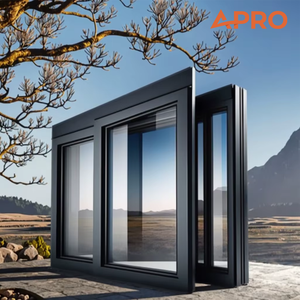
APRO Thermal Insulation Sound Insulation Aluminum Contractor Sliding Double-Glazed Window Glass
Send an Inquiry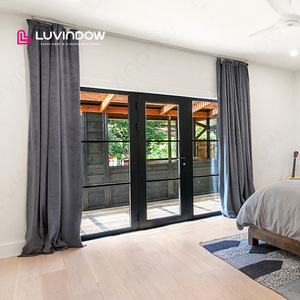
Luvindow Modern Double Exterior/Interior Grill Iron Door Designs Glass Wrought Aluminum Door
Send an Inquiry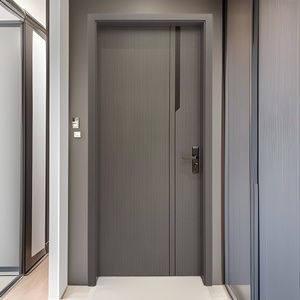
Foshan Aluminum Alloy Anti-Theft Bedroom Door Household Soundproof Environmentally Friendly All-Aluminum Interior Study Door
Send an Inquiry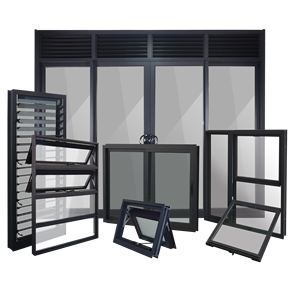
Architectural Thermal Break Aluminum Windows and System Doors for Global Projects
Send an Inquiry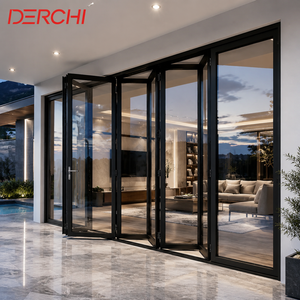
Custom Size Aluminum Bi-Fold Patio Doors Slim Frame Folding Glass Door System
Send an Inquiry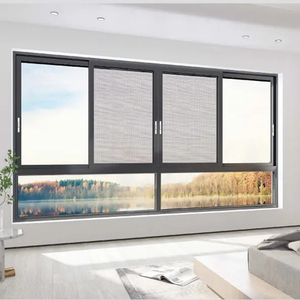
Customized Aluminum Sliding Window House Double Tempered Glass Sliding Door with Sliding Screen Window
Send an Inquiry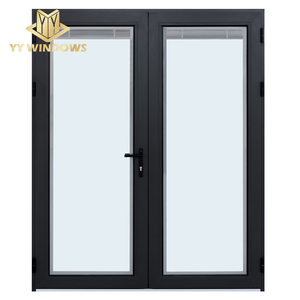
Double Glass California Architectural Industrial Aluminum French Doors Exterior/Aluminum Hinged Door with Screen
Send an Inquiry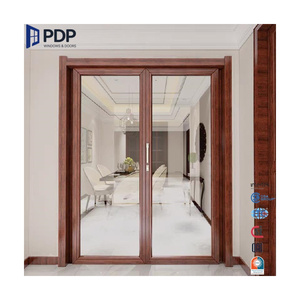
PDP OEM High End Aluminum Wood Tilt Turn Swing Casement Window Tempered Glass Energy Star Qualified
Send an InquiryThe Landscape of China's Aluminum Sliding Window Manufacturing Sector
China's architectural aluminum industry accounts for over 50% of global production output, with Foshan, Guangdong Province serving as the world's dense epicenter for high-end profile extrusion, powder coating, hardware engineering, and fenestration system assembly. B2B importers, property developers, facade contractors, and procurement agencies worldwide consistently choose Foshan manufacturers due to unparalleled supply chain integration, cost efficiencies, and advanced thermal break technology compliant with stringent energy codes across North America, Europe, Australia, and the Middle East.
Modern aluminum sliding window systems have evolved far beyond basic operational glazing. Today's commercial and luxury residential projects demand multi-track, thermal break designs capable of handling high wind pressures (up to 1,000 N/m²), delivering thermal transmittance values as low as U = 1.1 W/m²K, and achieving sound attenuation ratings up to STC 42 dB. Identifying top-tier original equipment manufacturers (OEM) and custom design manufacturers (ODM) in China requires evaluating structural alloy standards, thermal barrier engineering, weatherproofing gasket matrices, and verified export certifications.
Why Top Global Developers Sourcing from ZENIC Engineering
With over 15 years of dedicated fenestration manufacturing experience in Foshan, Zenic Window & Door Technology Co., Ltd. operates as a leading export-grade manufacturer. Every custom sliding window and structural door system is fabricated under rigid quality controls, utilizing prime raw materials and certified hardware systems.
Virgin 6063-T5 Profile Extrusion
We strictly utilize primary, non-recycled 6063-T5 aluminum alloy with minimum wall thicknesses of 2.0mm for structural integrity. Multi-chamber profiles deliver superior tensile strength, ensuring frame rigidity against severe wind loads without warping over time.
Polyamide PA66GF25 Thermal Break
To decouple heat transfer between interior and exterior aluminum frames, our systems incorporate high-grade Technoform Polyamide (PA66 reinforced with 25% glass fiber) thermal barrier strips. This drastically cuts HVAC energy loads and prevents indoor condensation.
Triple EPDM Gasket Sealing Matrix
Continuous, multi-layer Automotive-Grade EPDM (Ethylene Propylene Diene Monomer) weatherstripping and dual-density brush seals ensure complete air tightness and water pressure resistance even under driving heavy coastal rains.
200,000-Cycle Heavy Hardware
Equipped with stainless steel roller tracks, multi-point anti-burglary gear locks, and concealed tandem rollers rated for sash weights up to 300kg. Hardware components undergo rigorous 200,000-cycle durability testing backed by a 10-year factory warranty.
Concealed Iso-Baric Drainage
Engineered with hidden pressure-equalized drainage slots and anti-backflow gravity caps. Water is smoothly channeled outward without unsightly exterior drainage holes, preserving clean architectural exterior elevations.
Certified Compliance & Packaging
All window series meet NFRC (North America), CE (Europe), AS2047 (Australia), CSA (Canada), and ISO 9001 standards. Units are fully crated in fumigation-free solid plywood cases with corner guards and EPE protective wraps for safe ocean freight.
Thermal Break vs. Standard Non-Thermal Aluminium Sliding Windows
When specifying aluminum sliding windows for commercial or residential builds, understanding the thermodynamic distinctions between standard extruded frames and thermal break systems is vital for thermal envelope compliance. Below is a engineering baseline comparing standard systems against high-performance thermal break fenestration.
| Performance Standard | Standard Non-Thermal Break Window | ZENIC High-Performance Thermal Break System | Engineering Impact on B2B Projects |
|---|---|---|---|
| Thermal U-Factor | 3.5 – 5.8 W/m²K | 1.1 – 1.8 W/m²K | Reduces building heating & cooling energy consumption up to 40%. |
| Profile Alloy & Wall | 1.2mm – 1.4mm Aluminum (6063-T5) | 2.0mm Structural Grade (6063-T5) | Prevents structural deflections under high gust pressure in coastal zones. |
| Thermal Decoupling | Continuous Metal Contact (Thermal Bridge) | PA66GF25 Polyamide Barrier Strip | Eliminates interior thermal bridging and structural frame sweating/condensation. |
| Glass Configuration | 5mm Single or 5+6A+5 Double Tempered | 5+12Ar+5 Low-E Double or Triple Glazed | Maximizes Solar Heat Gain Coefficient (SHGC) control & low-emissivity performance. |
| Acoustic Insulation | 22 – 28 dB STC Rating | 38 – 42 dB STC Rating | Blocks urban traffic, airport, and environmental ambient noise pollution. |
| Water Tightness | 150 – 250 Pa | 600 – 1,000 Pa (Class 9A certified) | Zero water penetration during hurricane-grade rainstorms. |
| Hardware Life Cycle | 10,000 – 30,000 sliding cycles | 200,000 Heavy-Duty Cycles | Drastically lowers post-handover facility maintenance and repair liabilities. |
Future Sourcing & Architectural Trends in Aluminum Sliding Windows
1. Minimalist Sightlines & Ultra-Slim Interlocking Stiles
Modern architectural aesthetics favor massive floor-to-ceiling glass spans with minimal visible aluminum frames. The industry is rapidly transitioning toward ultra-slim sliding door and window designs where the vertical interlocking stile width is reduced to less than 25mm. To maintain structural resistance against wind loads, manufacturers integrate steel-reinforced vertical mullions and structural silicone glass bonding.
2. Smart Automation & Motorized Lift-and-Slide Systems
As smart building automation systems become standard in luxury residential villas and high-end hotels, motorized aluminum sliding windows and lift-and-slide glass walls are in high demand. Embedded heavy-duty drive motors, sensor-actuated safety stops, touchless wall switches, and smartphone integration allow oversized glass sashes weighing over 400kg to glide effortlessly at the press of a button.
3. Low-Carbon Primary Smelting & Circular EPD Documentation
International green building certifications, such as LEED, BREEAM, and WELL, now require full transparency regarding embodied carbon in building envelopes. Top Chinese exporters are adopting low-carbon aluminum billets smelted using renewable hydro-electric power, accompanied by third-party Environmental Product Declarations (EPD). Sourcing low-embodied-carbon aluminum allows project specifiers to meet strict carbon neutrality mandates.
4. Integrated High-Performance Insect Screens & Blind Mechanisms
Modern global buyers prefer composite fenestration solutions. High-end aluminum sliding window systems now incorporate integrated stainless steel security mesh (304 grade, anti-theft & anti-mosquito), motorized magnetic blinds sealed inside double-glazed units (IGU), and micro-ventilation trickle vents that allow passive air movement while keeping sashes securely locked.
4-Step Procurement Checklist for Importing Windows from China
To safeguard project budgets, timelines, and technical performance, overseas buyers and procurement heads should apply this standardized verification protocol when sourcing aluminum sliding windows from Chinese factories:
Verify CAD/BIM Engineering Capabilities
Ensure the manufacturer possesses an in-house facade engineering team capable of converting architectural elevation drawings into detailed shop drawings (including wind load calculations, structural stress reports, and anchor point details) before production begins.
Audit Alloy Grade & Coating Specs
Request mill test certificates verifying 6063-T5 aluminum billet usage. Ensure powder coating finishes conform to AAMA 2604 or AAMA 2605 (Fluorocarbon PVDF coating) for maximum UV resistance and anti-corrosion life in saltwater or desert regions.
Inspect Glass & Hardware Testing
Confirm all glass units carry safety glass certifications (SGCC, CE EN12150, or AS/NZS 2208). Inspect hardware origins and demand cycle test certifications (e.g., German Siegenia, HOPPE, or premium Chinese branded multi-point locking systems).
Review Sea-Worthy Crating Protocols
Ensure finished frames are fully assembled, factory-glazed, sealed, and packed inside fully enclosed fumigation-free plywood crates with internal EPE foam shock buffers and steel band reinforcement to eliminate ocean transit breakage risks.
B2B Sourcing FAQ: Aluminium Sliding Windows
Answers to common technical, logistics, and production questions asked by international architects, builders, and wholesalers purchasing windows from China.
What is the Minimum Order Quantity (MOQ) for custom project sourcing?
Our standard Minimum Order Quantity starts from 50 square meters or approximately 20 to 30 window units depending on dimensions. We support combined container loads featuring mixed window and door series (e.g., combining sliding windows, heavy-duty lift-and-slide patio doors, and casements) within a single production batch to satisfy project-specific schedules.
What are the standard lead times for manufacturing and export shipping?
Manufacturing lead time starts from 15 to 25 calendar days following shop drawing approval and deposit receipt. Lead time varies based on custom powder coating colors (RAL matching), special glass processing (triple glazed, laminated, smart glass), and total square footage. Goods are shipped FOB Foshan or FOB Shenzhen with transit times depending on destination ports (e.g., 14-20 days to West Coast USA, 25-30 days to Europe, 12-18 days to Australia).
How do ZENIC aluminum windows comply with foreign building codes (USA, AU, EU)?
Our fenestration systems are engineered and tested against major global standards: NFRC and AAMA for North America, AS2047 and AS1288 for Australia, and CE / EN 14351-1 for the European Union. We provide certified lab testing reports covering structural wind load deflection, air infiltration resistance, water penetration tightness, and overall system thermal U-values for official project submittals.
Do you offer OEM/ODM services for private label window brands and distributors?
Yes. We provide complete OEM and ODM manufacturing capabilities for overseas wholesalers, distributors, and window brands. Services include custom extrusion profile die design, custom hardware branding, private label packaging, protective film logo printing, and specialized powder coat color formulations to match local market preferences.
What surface treatment options are available for coastal or high-humidity zones?
For coastal or highly corrosive marine environments, we recommend Fluorocarbon PVDF (Polyvinylidene Fluoride) 3-coat spray finishes conforming to AAMA 2605 standards, or heavy-duty anodized finishes (15 to 25 microns thickness). These surface treatments deliver exceptional salt-spray corrosion resistance, preventing chalking, fading, or pitting for over 20+ years.
How do you prevent glass breakage during ocean container transit?
Every window frame is individually wrapped with protective PE film and corner guards. Finished units are loaded upright into custom fumigation-free solid plywood crates lined with thick shock-absorbing EPE foam sheets. Crates are banded with heavy-duty steel strapping and anchored inside ocean freight containers using steel wire guy ropes and timber dunnage to eliminate movement during sea transit.
Get Direct Factory Pricing & Engineering Shop Drawings
Send us your project CAD drawings, window schedules, or architectural elevations. Our senior engineering team will evaluate your technical specifications and provide a comprehensive quotation, thermal analysis, and production timeline within 24 hours.