Engineered Fenestration Portfolio
High-Performance Aluminum Doors & Windows
Factory-direct thermal break systems, sliding glass walls, and exterior architectural solutions engineered for residential, commercial, and high-rise developments worldwide.
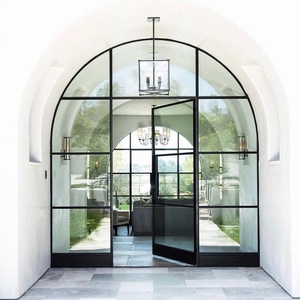
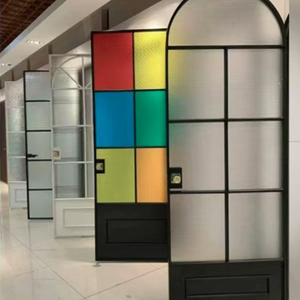
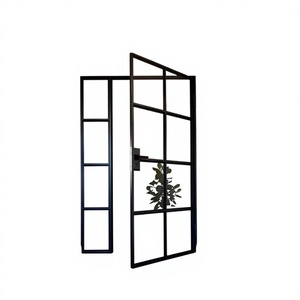
20,000 m²
CNC Fabrication Base
1.1 W/m²K
Thermal U-Value Achieved
200,000
Hardware Cycle Rating
40+
Global Export Markets
Engineering & Quality Excellence
Why Leading Developers Partner With Top China Manufacturers
A rigorous examination of material selection, structural integrity, and manufacturing technology that sets premier Chinese fenestration factories apart on the international stage.
Virgin 6063-T5 Alloy Integrity
Tier-1 Chinese factories utilize strictly 100% prime virgin 6063-T5 aluminum extrusions with minimum wall thicknesses of 2.0mm. Unlike recycled scrap aluminum, virgin billets ensure tensile stability, superior surface powder adhesion, and flawless structural deflection resilience under heavy wind pressure loads.
Polyamide PA66GF25 Thermal Barriers
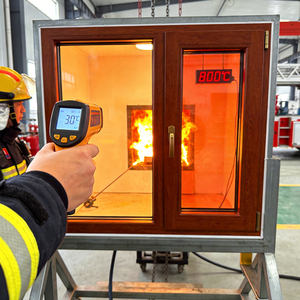
Thermal break aluminum door systems integrate 25% glass-fiber reinforced Polyamide (PA66GF25) structural strips. This creates an impermeable thermal barrier, drastically minimizing heat transfer, preventing condensation build-up, and achieving energy compliance across strict building codes (such as NFRC and CE).
Multi-Point Lock & Security Testing
Architectural doors are equipped with concealed multi-point locking gear paired with heavy-duty stainless steel rollers. Systems undergo rigorous testing exceeding 200,000 continuous opening cycles and sustain forced-entry resistance ratings specified for commercial towers and luxury residential estates.
Strategic Overview: The Evolution of China’s Aluminum Door Manufacturing Ecosystem
China has firmly established itself as the global epicenter for architectural aluminum fenestration manufacturing, accounting for over 55% of world profile extrusion and custom unitized assembly. Located primarily within the Guangdong-Hong Kong-Macao Greater Bay Area—specifically centered in Foshan—top manufacturers have transitioned from high-volume standardized processing to high-precision engineering, thermal innovation, and architectural customization.
For international buyers, property developers, architects, and facade contractors, sourcing from top-tier Chinese aluminum alloy door manufacturers yields significant cost-performance advantages without sacrificing technical compliance. Modern Chinese factories operate advanced 5-axis CNC machining centers, automated corner-crimping cells, and zero-emission powder coating lines certified under global standards including ISO 9001, Qualicoat, NFRC, CE, and AS2047.
Information Gain Key Takeaway for Procurement Directors:
Not all Chinese manufacturers operate under identical technical thresholds. Premier suppliers distinguish themselves by using virgin 6063-T5 aluminum extrusions, pressure-equalized hidden drainage paths, continuous EPDM triple-gasket seals, and German or Italian hardware integration (or high-grade domestic multi-point lock systems rated to 200,000 cycles).
Technical Comparison: Standard Aluminum vs. Advanced Thermal Break Systems
When selecting aluminum alloy doors for international building projects, understanding the physical properties and performance metrics between conventional non-thermal break profiles and modern multi-chamber thermal break systems is critical for thermal insulation and building energy compliance.
| System Specification | Standard Non-Thermal Aluminum | Advanced Thermal Break System (ZENIC Grade) | Architectural Benefit |
|---|---|---|---|
| Profile Material | 6063-T5 / Recycled Alloy Mix | Virgin 6063-T5 Prime Alloy | Eliminates structural impurities and surface defects |
| Thermal Transmittance (U-Value) | 3.5 - 5.8 W/m²K | 1.1 - 1.8 W/m²K | Meets strict ENERGY STAR & EU green code standards |
| Insulation Strip | None or PVC Inserts | PA66GF25 Polyamide Struts | Prevents thermal bridging & structural sheer expansion |
| Gasket Sealing System | Standard PVC / Rubber Strips | Triple Continuous EPDM Gaskets | Maximum acoustic STC rating and water tightness |
| Corner Joint Assembly | Single Mechanical Screws | Pin-and-Glue Corner Crimping | Prevents joint separation & frame leakage over time |
| Wind Pressure Resistance | Class 3 (up to 1,500 Pa) | Class 8+ (up to 5,000+ Pa) | Ideal for coastal hurricane zones & high-rise towers |
Future Procurement & Sourcing Trends in Aluminum Doors (2025–2030)
The global architectural fenestration sector is undergoing a profound paradigm shift driven by stringent carbon neutrality mandates, modern architectural aesthetics requiring ultra-narrow sightlines, and smart building automation. Importers and commercial specifiers must align with Chinese manufacturers actively pioneering these trends:
1. Ultra-Slim Sightline & Panoramic Glazing Systems
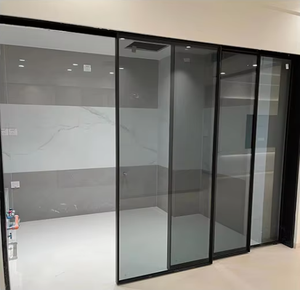
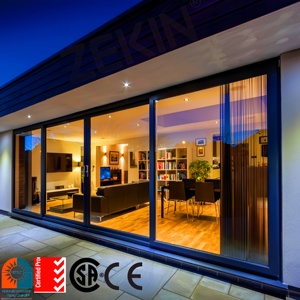
Modern architectural design favors seamless transitions between interior living spaces and external environments. Leading Chinese factories have developed structural minimalist sliding door systems with interlocking stile profiles as narrow as 20mm to 25mm. Despite their slender appearance, these systems support glass panel loads exceeding 400 kg per sash through heavy-duty stainless steel carriage rollers and reinforced structural silicone glazing.
2. Bioclimatic Integration & Motorized Shading Solutions
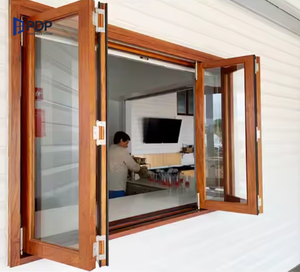
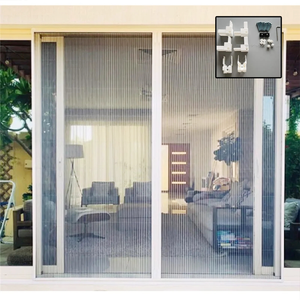
Aluminum doors are no longer isolated building components; they are increasingly integrated with dynamic exterior envelope systems. Sourcing trends highlight rising demand for motorized aluminum louver pergolas, flush multi-track bi-fold patio doors with integrated pleated insect screens, and smart electrochromic (smart tinting) glass assemblies managed via automated smart home management systems.
3. EPD Certifications & Low-Carbon Green Aluminum Sourcing
Environmental Product Declarations (EPD) and embodied carbon tracking are becoming mandatory for commercial projects in Europe, North America, and Australia. Forward-thinking Chinese factories are adopting hydro-powered aluminum smelting sources and supplying verified EPD documentation to help overseas buyers earn LEED and BREEAM sustainability credits.
Engineering Evolution: Key Breakthroughs in China’s Fenestration Factories
Over the past decade, Chinese OEM/ODM factories have evolved from simple profile assemblers into advanced engineering powerhouses. Key technical breakthroughs include:
- Pressure-Equalized Concealed Drainage: Utilizing hidden bottom-frame drainage channels with one-way check valves that prevent water backflow during typhoon-force rainstorms while maintaining clean external frame aesthetics.
- Acoustic Multi-Layer Laminated Glazing: Combining double-sealed thermal break frames with acoustic PVB or SGP laminated double/triple glazing units to achieve noise reduction indices up to STC 45 dB, critical for urban hospitality and luxury residential projects.
- Anti-Sway Flush Threshold Guides: Structural recessed tracks engineered flush with interior floor finishes, eliminating tripping hazards while maintaining rigorous air and water tightness ratings through pneumatic sealing gaskets.
Buyer Procurement Knowledgebase
Frequently Asked Questions by Overseas Buyers
Essential guidance on minimum order quantities, lead times, export packing standards, shop drawings, and technical compliance when importing aluminum doors from China.
What is the minimum order quantity (MOQ) for custom project sourcing?
Our standard factory MOQ starts from 50 square meters or 50 individual window/door sets per project schedule. Buyers can mix different door and window configurations—such as thermal break casements, heavy-duty lift-and-slide patio doors, and bi-fold systems—within a single container order to meet MOQ thresholds while optimizing ocean freight logistics.
What is the typical factory production lead time for customized orders?
Standard production lead times range between 15 to 25 working days following final shop drawing confirmation and deposit receipt. Specialized surface treatments (such as custom anodizing, metallic PVDF coatings, or multi-tone wood-grain thermal transfers) or custom glass setups (triple-pane Low-E insulated glass units) may require 25 to 35 days.
What thermal performance (U-Value) can your systems achieve?
Depending on profile frame depth (ranging from 65mm up to 150mm), Polyamide thermal strip width, and glass pane configuration, our thermal break aluminum door and window systems achieve U-values as low as 1.1 W/m²K (0.19 BTU/h·ft²·°F). Double Low-E insulated glass units filled with Argon gas are standard for cold-climate export lines.
Do premier Chinese manufacturers support full OEM and ODM customization?
Yes. Leading factories provide complete OEM/ODM engineering capabilities. This includes custom extrusion profile die creation, private labeling, hardware system integration (such as SIEGENIA, HOPO, or ROTO hardware), bespoke architectural RAL color matching, and custom CAD/BIM shop drawing drafting tailored to your building code requirement.
Which international building certifications and test reports are available?
Our export product lines are manufactured in compliance with major global architectural standards, holding certifications including NFRC and AAMA (North America), CE marking (Europe), AS2047 / AS1288 (Australia), and ISO 9001 quality management systems. Specific structural wind load, water penetration, and air infiltration test reports (Intertek / CSA) are provided for project submittals.
How are glass doors protected against damage during ocean freight transit?
All finished window and door frames are wrapped in multi-layer protective EPE foam, reinforced with plastic corner caps, and individually sealed in heavy-duty shrink wrap. Units are then loaded into customized, fully enclosed fumigation-free plywood crates equipped with internal steel frame banding and shock-absorbing rubber bases to guarantee zero breakage upon arrival at your port or job site.
Transform Your Architectural Fenestration Sourcing Today
Connect directly with our engineering team in Foshan. Submit your project elevation drawings or window schedules to receive a comprehensive commercial quote and technical evaluation within 24 hours.
Get a Quote