Engineered Fenestration Showcase
Direct Factory Export Systems Compliant with NFRC, CE, CSA, and AS2047 Global Standards
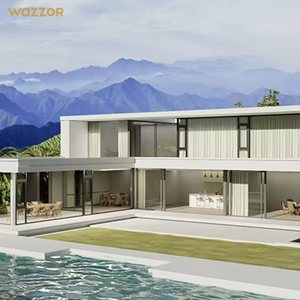
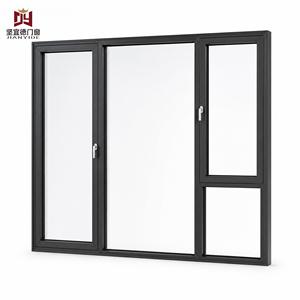
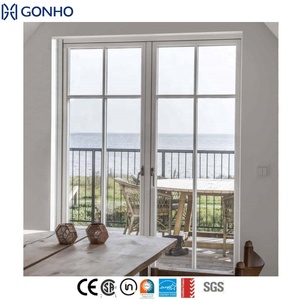
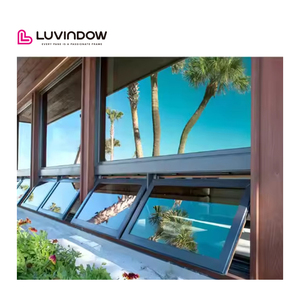
1. Strategic B2B Sourcing: Evaluating China's Architectural Aluminum Fenestration Ecosystem
The global construction and architectural envelope sector has undergone a fundamental structural shift over the past decade. Commercial developers, general contractors, and fenestration distributors increasingly look to South China—specifically the industrial cluster in Foshan, Guangdong—for high-performance structural aluminum window systems. Identifying a verified, top-tier aluminum around windows supplier in China requires moving beyond simple per-square-meter price quotes to evaluate structural metallurgy, thermal break mechanics, weatherization sealing systems, and regional certification alignment.
In modern architectural engineering, the exterior window package is no longer a passive building barrier; it functions as a highly engineered thermal, acoustic, and structural mechanism. China's top-tier suppliers have migrated from traditional non-thermal extrusion profiles to sophisticated multi-chamber thermal break assemblies. Utilizing 6063-T5 and 6063-T6 architectural grade aluminum alloys, these systems provide exceptionally high tensile strength (up to 205 MPa yield strength) while accommodating massive double- and triple-glazed insulated glass units (IGUs) designed to meet rigid carbon-neutral building mandates across North America, Europe, Australia, and the Middle East.
Key Metallurgical & Structural Profile Specifications
When auditing top China suppliers for heavy-duty fenestration, technical directors must specify profile wall thicknesses that strictly comply with international structural safety codes. While low-end market profiles often compromise on 1.2mm to 1.4mm nominal wall thicknesses, elite export suppliers mandate a minimum of 2.0mm structural wall thickness for casement and high-rise commercial window profiles, and up to 3.0mm for heavy-duty panoramic lift-and-slide door systems. This ensures zero structural deflection under extreme hurricane-force design pressures (DP ratings upwards of 50 to 70 PST).
| Engineering Parameter | Standard Specification Tier | High-Performance Export Tier (ZENIC Standard) | Impact on Building Performance |
|---|---|---|---|
| Profile Metallurgy | Recycled / Mixed Aluminum Alloy | Virgin 6063-T5 Architectural Billet | Superior structural stiffness, zero microscopic cracking, enhanced finish adhesion. |
| Profile Wall Thickness | 1.2 mm – 1.4 mm | 2.0 mm – 3.0 mm Reinforced Walls | Resists wind pressure up to 1,000 N, eliminates frame torsion under heavy glass loads. |
| Thermal Barrier Material | Low-grade PVC or Recycled Nylon | Polyamide PA66-GF25 (25% Glass Fiber) | Prevents thermal bridging; thermal expansion coefficient matches aluminum precisely. |
| Overall Window U-Value | 2.4 – 3.0 W/m²K | Down to 1.1 W/m²K (Passivhaus Tier) | Cuts building HVAC operational energy costs by 35% to 50%. |
| Gasket & Weather Sealing | Standard Rubber / Thermoplastic | Continuous EPDM Triple-Sealing System | Prevents water ingress at 700 Pa pressure, superior UV and ozone resistance over 30+ years. |
| Hardware Testing Cycle | 20,000 – 50,000 Cycles | 200,000+ Operational Cycles | Ensures commercial-grade longevity and minimizes long-term warranty claims. |
2. Thermal Physics & Acoustic Barrier Technology in Modern Aluminum Windows
A primary technical metric evaluated by LEED specifiers and building consultants is the window assembly's thermal transmittance coefficient, expressed as the U-value (or U-factor). Unbroken aluminum profiles exhibit high thermal conductivity (~200 W/m·K), rendering non-thermal windows obsolete in energy-efficient architectural specifications. Top-tier China manufacturers solve this through high-precision insertion of Polyamide PA66-GF25 thermal breaks.
The addition of 25% glass fiber reinforcement to the polyamide strip raises its mechanical tensile strength to match that of the extrusions, preventing shear failure under high thermal expansion differentials. By engineering multi-chamber thermal cavities filled with hydrophobic polyurethane (PU) insulation foam, suppliers maintain an aligned isothermal line within the window profile. This geometry drastically limits heat transfer via conduction, radiation, and convection across the interior and exterior profile zones.
Acoustic Attenuation (STC / OITC Performance)
For urban residential developments, hospitality projects, and mixed-use commercial towers, sound transmission control is as critical as energy efficiency. Premier Foshan suppliers engineer frame cavities to accept asymmetrical double-glazed acoustic laminated glass configurations (e.g., 6mm Clear + 1.52mm PVB + 6mm Clear, separated by an 18mm Argon gas chamber). Combined with a multi-layered continuous EPDM (Ethylene Propylene Diene Monomer) compression gasket sealing strategy, these window assemblies achieve a Sound Transmission Class (STC) rating of up to 45 dB, effectively isolating high-frequency traffic noise and environmental acoustic disturbances.
3. Manufacturing Blueprint: Inside a 20,000 m² Foshan Production Base
Understanding the internal quality control framework of a top supplier is essential for B2B procurement managers to mitigate operational risk. Zenic Window & Door Technology Co., Ltd. operates a vertically integrated 20,000 m² production base in Foshan, engineered to manage every phase of aluminum window fabrication under one strict ISO 9001-certified roof.
Automated CNC Cutting & Machining
Dual-head German-imported CNC cutting centers operate to 0.1mm dimensional tolerances. Frame miters and hardware lock-housing routes are milled automatically from digital CAD/CAM project drawings to eliminate human error.
Corner Crimping & Structural Glue Injection
Rather than simple mechanical screw fasteners, window frame corners utilize heavy-duty cast aluminum corner keys combined with dual-component epoxy glue injection. This guarantees lifetime structural joint rigidity and 100% corner water sealing.
Architectural Surface Finishing
Equipped with specialized AkzoNobel powder coating and fluorocarbon (PVDF) spray lines, profiles withstand up to 30 years of salt-spray corrosion testing. Options include textured RAL colors, architectural anodizing, and heat-transfer wood grain finishes.
4. Future Sourcing Trends: 2025–2030 Global Fenestration Market Dynamics
B2B importers, architects, and real estate developers must align their procurement strategies with emerging market forces. Over the next five years, the global aluminum window and door industry will be reshaped by four definitive trends:
1. Ultra-Slim Panoramic Sightlines with High Structural Load Ratios
Modern architectural design overwhelmingly favors maximal interior natural daylighting and uninhibited panoramic views. This has driven demand for ultra-narrow interlocking stile designs (ranging from 18mm to 25mm visible width) on sliding door and window systems. Achieving high structural stability with minimal visible aluminum requires suppliers to embed structural steel stiffeners within the narrow profiles and utilize structural silicone glazing (SSG) techniques where the glass pane functions as a load-bearing element of the frame.
2. Integration of Smart Automation & Building Management Systems (BMS)
Commercial and high-end residential fenestration is rapidly transitioning toward motorized operation. Leading China suppliers are embedding silent, micro-motorized actuators within top-hung, awning, and tilt-and-turn frames. These motorized units connect directly to smart home automation platforms (Zigbee, KNX, or Modbus) and environmental sensors. Windows automatically open for nighttime free-cooling or close tightly upon rain and high-wind sensor activation.
3. Strict Building Carbon Mandates & Circular Economy Materials
With regulatory frameworks such as Europe's EPBD (Energy Performance of Buildings Directive) and North American ENERGY STAR Version 7.0 standards coming into full force, thermal performance compliance is non-negotiable. Top suppliers are shifting toward low-carbon primary aluminum billets produced via hydroelectric power generation rather than coal-fired smelters, reducing the embodied carbon footprint of the finished window profile by up to 65%.
4. Prefabricated Unitized Window Walls & Modular Fenestration
To reduce expensive site labor costs in North America, Europe, and Australia, construction developers are demanding factory-glazed, fully assembled modular window wall units. These systems arrive at the job site complete with pre-installed subsills, nail fins, membrane flashing interfaces, and structural anchors, allowing rapid mechanical installation directly into building openings.
5. Procurement Risk Mitigation & Quality Control Checklist for B2B Importers
Importing custom architectural aluminum windows from China requires a robust quality assurance framework to prevent project delays, glass breakage, or non-compliant dimensions. B2B buyers should implement a strict four-stage verification protocol:
- Shop Drawing Engineering Verification: Prior to profile extrusion or CNC cutting, demand detailed CAD shop drawings detailing frame cross-sections, anchorage points, shim spaces, drainage paths, glass bite dimensions, and thermal break isothermal alignments.
- Glazing Specification Auditing: Ensure all insulated glass units (IGUs) are toughened/tempered safety glass carrying stamp certifications such as ANSI Z97.1 (USA), CE EN 12150 (Europe), or AS/NZS 2208 (Australia). Double seals (primary butyl seal + secondary structural silicone seal) with warm-edge composite spacers are essential to prevent long-term glass fogging.
- Pre-Shipment Factory Mock-Up & Water Ingress Testing: Require the supplier to assemble sample unit mock-ups in the factory to test lock engagement smooth operation, gasket compression, concealed drainage efficacy under simulated rainfall, and accurate diagonal squareness tolerances (±1.0mm).
- Export Packaging Standards: Aluminum profiles and glass units require sea-worthy protection against ocean salt air corrosion and physical impacts during transit. Specifications must mandate protective EPE foam wrapping, corner plastic protectors, vacuum-sealed plastic films, and fully enclosed, non-fumigation plywood crates reinforced with internal steel strapping.
6. International Regulatory Standards & Compliance Matrix
Partnering with an established exporter ensures that project submittals easily pass municipal building code inspections. Top China suppliers design profile dies specifically to meet target market certification frameworks:
- North America (USA & Canada): Tested in compliance with AAMA/WDMA/CSA 101/I.S.2/A440. Thermal performance ratings certified under NFRC (National Fenestration Rating Council) protocols for U-factor, Solar Heat Gain Coefficient (SHGC), and Visible Transmittance (VT).
- European Union: Fully compliant with CE Marking (EN 14351-1), regulating air permeability (Class 4), watertightness (Class E900), and wind load resistance (Class C5).
- Australia & New Zealand: Built and tested in strict accordance with AS2047 (Windows and external glazed doors in buildings) and AS1288 (Glass in buildings selection and installation), verified for high structural wind pressures (N1 to N6 ratings).
Why Partner With Zenic Window Technology
Foshan's Premier Direct Factory Manufacturer for Custom Architectural Projects
15+ Years Export Mastery
Over a decade and a half focused exclusively on international project delivery. We understand regional building codes, custom drawing approvals, and container logistics for over 40 export destinations.
Comprehensive OEM/ODM Service
Custom profile die development, custom extrusion depths from 65mm to 150mm, custom RAL powder coating, anodizing, private labeling, and custom hardware integration tailored to your brand.
Rigorous 100% Pre-Shipment QC
Every fabricated sash and frame undergoes dimensional accuracy checks, hardware operational testing, gasket seal alignment audits, and protective packaging inspections before crate sealing.
Frequently Asked Procurement Questions (FAQ)
Direct Answers to Essential Technical & Sourcing Questions for Importers and Specifiers
What is the minimum order quantity (MOQ) for custom aluminum windows?
Our minimum order quantity starts at 50 pieces (or equivalent to a 20ft container project volume). We support mixed orders where window types (casements, sliding, tilt & turn, awning) and exterior door systems can be combined within a single project order to satisfy the minimum batch threshold.
What is your typical production lead time and export delivery schedule?
Standard manufacturing lead times range from 15 to 25 working days following formal shop drawing engineering sign-off and deposit receipt. For complex custom profile extrusions or specialized powder coating finishes, lead times may extend to 30 days. Shipments are typically dispatched FOB Foshan or FOB Shenzhen.
What thermal performance U-values can your window systems achieve?
Depending on the profile frame depth (65mm to 150mm), polyamide thermal break width, and selected insulated glass unit (such as triple-pane Low-E glass with Argon gas filling and warm-edge spacers), our high-performance thermal break windows reach U-values down to 1.1 W/m²K (approx. U-factor 0.19 BTU/h·ft²·°F), suitable for Passivhaus standards.
Do you offer OEM/ODM engineering support for custom architectural projects?
Yes. We provide complete OEM/ODM engineering services. Our technical team works directly from your architectural floor plans and elevations to create custom profile die extrusions, specialized anodized or wood-grain surface coatings, custom hardware integration (including Siegenia, Hoppe, or custom branding), and customized private-label packaging.
Which international quality and performance certifications do your windows hold?
Our aluminum fenestration product lines are tested and certified according to major global standards, including NFRC and AAMA (North America), CE EN 14351-1 (European Union), AS2047 and AS1288 (Australia), and ISO 9001 quality management standards. Full laboratory test submittal reports are provided for project verification.
How do you ensure zero glass breakage and frame protection during ocean shipment?
Every window unit is wrapped in protective multi-layer EPE foam and shrink-wrapped with protective film. Frame corners are fitted with impact-resistant plastic shields. Finished products are packed upright in fully enclosed, heavy-duty fumigation-free plywood crates equipped with internal rubber padding and steel strapping to prevent movement during container transit.
Transform Your Architectural Fenestration Sourcing
Connect directly with our Foshan factory engineers. Send us your project drawings, window schedules, or custom profile specifications for a comprehensive technical quote within 24 hours.