Engineering Excellence Product Range
Precision-manufactured thermal break aluminum and aluminum-clad timber windows certified for North American, European, and Australian structural codes.
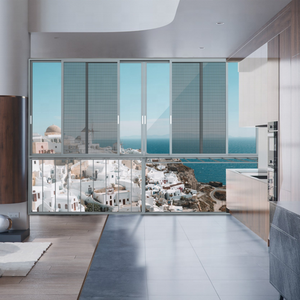
US Hot Sale Residential Window & Door Waterproof Sliding System
Inquire Now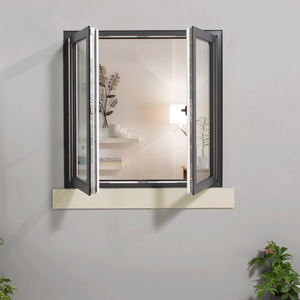
Aluminum Clad Wood Manufacture Casement Windows With Integrated Mosquito Net
Inquire Now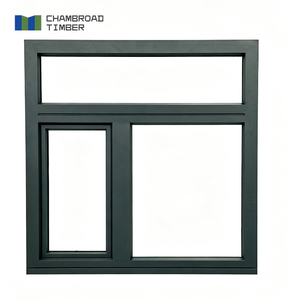
CHAMBROAD Modern Triple Glazed Low-E Aluminum Clad Wood Casement Windows
Inquire Now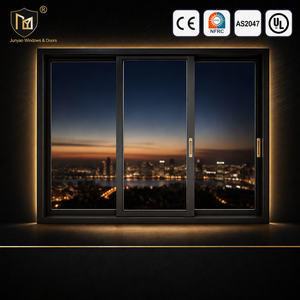
2026 Luxury Modern Thermal Break Exterior Soundproof Sliding Window (NFRC/AS2047)
Inquire Now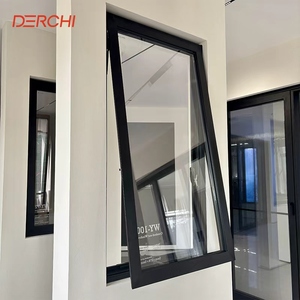
DERCHI AS2047 Soundproof Double Safety Glass Aluminum Clad Wood Crank Window
Inquire Now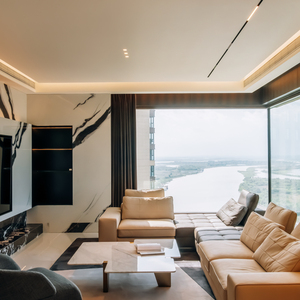
Sayyas X115 Luxury Panoramic Picture Thermal Break Aluminum Clad Wood Window
Inquire Now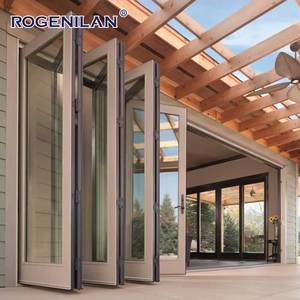
Heavy-Duty Tempered Glass Bifold Aluminum Patio & Exterior Sliding Folding Doors
Inquire Now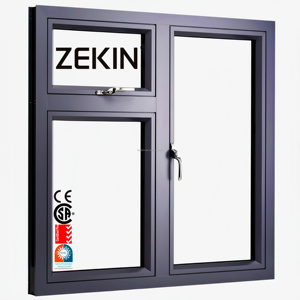
NFRC / AS2047 Certified Architectural Thermal Break Awning & Casement System
Inquire Now1. Strategic Overview: Sourcing Aluminum Clad Wood Windows from Top China Manufacturers
The global architectural landscape is undergoing a structural transition toward decarbonization, strict energy envelope compliance, and elevated aesthetic standards. Modern fenestration is no longer viewed merely as a transparent barrier; it is an engineered thermal envelope. Among premier architectural solutions, aluminum-clad wood windows (铝包木窗) and high-spec thermal break systems represent the apex of physical performance, blending the natural thermal mass and acoustic damping of interior solid timber with the exterior durability and weather resistance of structural aluminum extrusion profiles.
China—specifically the industrial clusters in Foshan (Guangdong) and northern specialized manufacturing hubs—has emerged as the world's leading center for high-performance fenestration technology. Top Chinese manufacturers have closed the gap with historical European benchmarks by adopting state-of-the-art German CNC double-head cutting saws, four-corner crimping systems, digitalized continuous EPDM gasket vulcanization, and robotic insulated glass unit (IGU) assembly lines. By procuring factory-direct from vetted Chinese suppliers, international developers, architects, and wholesale distributors achieve up to 35% to 50% cost efficiencies without compromising on stringent compliance standards such as North America’s NFRC / AAMA, Australia’s AS2047, or Europe’s CE / Passivhaus certifications.
Key Architectural Advantages of Aluminum-Clad Timber Systems:
- Thermal Isolation Superiority: Eliminates thermal bridging by combining polyamide PA66 nylon thermal breaks with high-density solid wood core profiles (e.g., Larch, Red Oak, Pine).
- Structural Weatherproof Shielding: Outer aluminum shell extruded from prime 6063-T5 alloy (wall thickness ≥ 2.0 mm) withstands extreme UV, acid rain, sandstorms, and coastal saltwater environments.
- Acoustic Isolation Capability: Triple-pane Low-E insulated glass units combined with multi-chamber EPDM gasket lines deliver sound transmission class (STC) ratings exceeding 42 dB.
- Biophilic Interior Aesthetics: Natural furniture-grade interior wood finishes treated with eco-friendly water-based coatings create luxurious warm interiors for high-end residential villas and commercial resorts.
Prime 6063-T5 Extrusion
100% virgin billet aluminum extruded with 2.0mm structural wall thickness. Zero recycled scrap guarantees maximum tensile strength and superior powder coating adhesion.
6-Seal Weatherproofing
Continuous EPDM rubber gaskets combined with corner injection sealing blocks water infiltration under wind pressure up to 1,000 N/m².
Low-E Argon IGUs
Double or triple tempered glass panels filled with 95% pure Argon gas and warm-edge Swiss spacers achieving U-values as low as 1.1 W/m²K.
2. Engineering Anatomy: Aluminum Clad Wood vs. Standard Thermal Break Systems
Understanding the micro-structural differences between profile architectures is essential for fenestration specifiers and procurement heads. Sourcing decisions must balance climatic exposure, structural load requirements, energy budgets, and total installed project cost.
A. Timber Core Processing and Lamination
High-end aluminum-clad wood windows rely on engineered multi-layer laminated timber (typically 3-layer or 4-layer finger-jointed wood). Raw lumber is kiln-dried to achieve a strictly controlled moisture content of 8% to 12%. This multi-layer cross-grain lamination counteracts natural wood tension, ensuring that window frames will not warp, twist, or buckle when exposed to dramatic ambient humidity changes.
B. Outer Aluminum Snap-On Attachment Mechanism
A common failure point in inferior window systems is rigid connection between wood and metal. Metal and timber expand and contract at vastly different thermal expansion coefficients. Leading Chinese manufacturers utilize heavy-duty polymer nylon connection clips. These floating connectors allow independent physical movement between the exterior aluminum cladding and interior wood sash during temperature fluctuations from -30°C to +70°C, preserving structural integrity without stressing seals or fasteners.
| Performance Parameter | Aluminum Clad Wood Systems | Thermal Break Aluminum Systems | Standard uPVC / Vinyl Systems |
|---|---|---|---|
| Thermal U-Factor (W/m²K) | 0.8 - 1.2 (Passivhaus Tier) | 1.1 - 1.8 (High Efficiency) | 1.6 - 2.2 (Standard) |
| Acoustic Damping (STC) | 38 - 45 dB | 32 - 40 dB | 28 - 34 dB |
| Wind Pressure Resistance | High (Up to 5.0 kPa / AS2047) | Very High (Up to 6.0 kPa) | Moderate (1.5 - 2.5 kPa) |
| Service Life Expectancy | 50+ Years | 40+ Years | 15 - 20 Years |
| Exterior Coating Durability | Fluorocarbon / AkzoNobel Powder (25 Yrs) | Anodized / Powder Coating (20 Yrs) | UV Yellowing Risk (5-10 Yrs) |
3. Future Procurement Trends in Architectural Fenestration (2026 - 2030)
As international energy directives grow stricter, procurement agents must align with upcoming fenestration trends to future-proof their building projects. We identify five critical vectors driving product demand:
1. Ultra-Low U-Value & Zero-Carbon Building Envelopes
With regions in North America and Europe adopting Net-Zero Building codes, fenestration specs demand overall frame-and-glass U-values below 1.0 W/m²K. Suppliers are incorporating wider Technoform PA66 thermal insulation strips (34mm to 39mm) filled with polyurethane insulating foam to block thermal conductivity.
2. Minimalist Ultra-Slim Sightlines with Concealed Hardware
Modern luxury architectural design prioritizes maximum glass surface area and unobstructed views. Sourcing focus has shifted to concealed hinge systems (e.g., German Siegenia or Roto hidden hardware) and slim interlocking meeting stiles down to 22mm for sliding systems, while maintaining wind-load capacity up to 1,000 N.
3. Integration of Smart Electrochromic & Photovoltaic Glass
Future sliding and tilt-and-turn windows are incorporating dynamic solar glazing (PDLC glass) and Building-Integrated Photovoltaics (BIPV). Top Foshan manufacturers are pre-wiring frame channels to accommodate smart home automation systems (Zigbee/KNX) for motorized operation and automatic shading control.
4. Rigorous Third-Party Certification Transparency
B2B importers are stepping away from non-certified factories. Sourcing protocols now mandate project-level test reports from recognized labs (Intertek, CSA, NFRC, TUV). Certified window assemblies must explicitly prove air infiltration rates below 0.1 CFM/ft² and water resistance over 750 Pa.
4. ZENIC Manufacturing Competencies & Supply Chain Resilience
Operating from a 20,000 square-meter advanced manufacturing park in Foshan, China, ZENIC Window & Door Technology Co., Ltd. represents the peak of export-grade engineering. Engineered for high-volume commercial real estate developments and bespoke luxury villa projects, our facility delivers end-to-end quality control.
Our Core Manufacturing Standards:
- Automated Precision Machining: German-built CNC 5-axis machining centers ensure cutting and corner crimping tolerances within ±0.2mm.
- Surface Finishing Guarantee: Electrostatically applied AkzoNobel powder coating and Fluorocarbon (PVDF) finishes with continuous salt-spray testing exceeding 3,000 hours without oxidation.
- Hardware Durability: Standard configuration features German Sobinco, Roto, or HOPPE hardware assemblies cycle-tested to 200,000 open-close iterations under 60 kg sash loads.
- Zero-Breakage Export Packaging: Heavy-duty fully enclosed fumigation-free plywood crates, reinforced corner protectors, high-density EPE foam wrapping, and desiccants safeguard cargo against ocean moisture and transport shocks.
Frequently Asked Procurement Questions (FAQ)
Technical guidance for B2B buyers, architectural specifiers, and procurement managers.
What is the minimum order quantity (MOQ) and production lead time?
Our minimum order quantity starts at 50 square meters (or approximately 50 window/door units per project). We accommodate mixed window types (casement, sliding, tilt-and-turn, bifold) within a single container order. Standard manufacturing lead time is 15 to 25 calendar days following final shop drawing approval and deposit confirmation. Custom profile extrusion colors or specialized glass configurations may add 7 to 10 days to the schedule.
What thermal U-values and acoustic ratings can your aluminum clad windows reach?
Depending on frame depth, timber density, and glass specification, our aluminum-clad wood windows achieve overall U-values down to 0.8 – 1.1 W/m²K (0.14 – 0.19 BTU/h·ft²·°F). When fitted with triple-pane insulated glass units featuring Low-E coatings, warm-edge spacers, and Argon gas fill, sound transmission isolation (STC) ratings reach 38 to 44 dB, making them ideal for airport zones and busy urban residential projects.
Which international compliance certifications are available for export orders?
Our product series are engineered to meet major global fenestration standards. Depending on your target region, we supply products certified to North America's NFRC (National Fenestration Rating Council), AAMA/WDMA/CSA 101/I.S.2/A440, Australia's AS2047 / AS1288, Europe's CE (EN 14351-1), and ISO 9001 quality management systems. Test reports for specific project submittals can be provided upon request.
How do you prevent interior wood from rotting or expanding in high-humidity climates?
We use finger-jointed laminated wood (Larch, Red Oak, or Pine) kiln-dried to an exact moisture content of 8-12%. The wood undergoes a 4-stage vacuum pressure impregnation process with eco-friendly German Remmers water-based coatings. This makes the wood immune to fungal decay, mildew, and swelling. Furthermore, independent nylon snap clips isolate the timber core from exterior aluminum thermal expansion.
Do you provide OEM / ODM customization for architectural drawings and profiles?
Yes. Over 70% of our production consists of OEM/ODM project manufacturing. Our in-house engineering staff creates detailed AutoCAD shop drawings, thermal simulation reports, and structural calculations based on your architectural elevations. We custom-tool aluminum extrusion dies, supply custom RAL powder coat colors, match wood finishes, and incorporate private label branding for wholesale distributors.
Partner with China’s Leading Fenestration Manufacturer
Submit your architectural drawings or window schedule. Our engineering team provides shop drawing reviews, U-value calculations, and factory-direct pricing within 24 hours.