Featured Architectural Aluminum Systems
Tested and certified system windows, sliding patio doors, and security entrances manufactured in Foshan, China for demanding international commercial and residential projects.
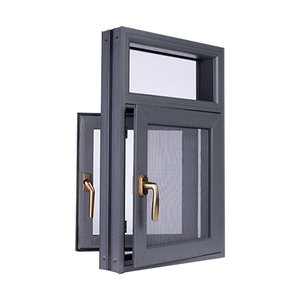
Modern Design Vertical Swing Aluminum System Doors and Windows Double Glazed for New House Construction Renovation
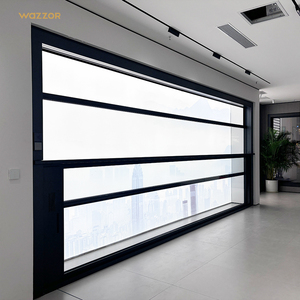
Wazzor Electric Lift Window | Motorized Vertical Operation Upward Electric Aluminum Windows Sliding Lift Window
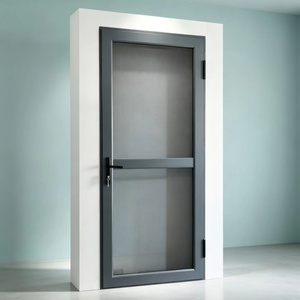
High Strength Diamond Mesh Aluminum Hinged Screen Door for Apartment
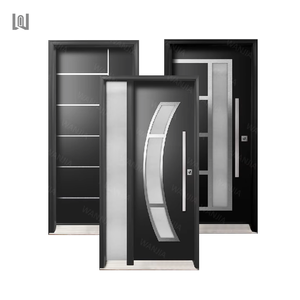
Anti-Theft Residential Home Renovation Main Entrance Entry Security Door Security Door Entrance Security Doors
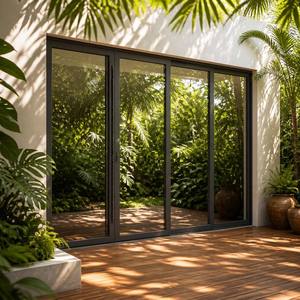
Slim Frame Tempered Glass Aluminum Alloy Sliding Door Waterproof Soundproof For Apartment
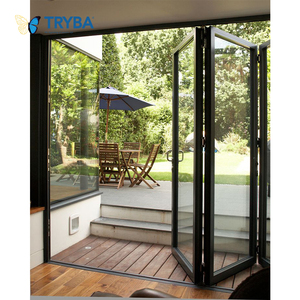
Modern Design Outdoor Aluminum Folding Patio Doors Economic Accordion Style With Multi-Locking Vertical Bi-Fold Screen
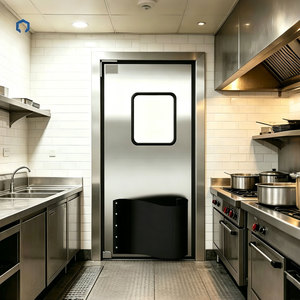
180° Commercial Aluminum Swing Impact Door With Glass Window,Automatic Single Leaf Restaurant Kitchen Door
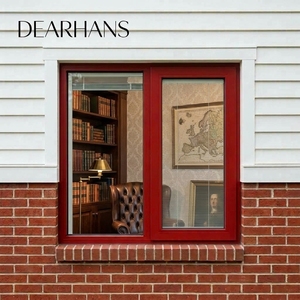
Double Glazed Soundproof Types Aluminium Profile Casement windows Impact windows Hurricane Proof Exterior windows for Home
Why Partnering with China’s Leading Exporter Yields Strategic Advantages
Navigating the global fenestration supply chain requires verifiable engineering, automated precision manufacturing, and compliance with strict international building codes.
Primary 6063-T5 Billet Alloy
We strictly utilize virgin, non-recycled 6063-T5 architectural aluminum billets. Structural wall thicknesses reach 2.0mm to 3.0mm, ensuring superior structural deflection resistance under heavy wind loads.
Polyamide PA66-GF25 Thermal Breaks
Engineered with imported German Technoform polyamide thermal barrier strips reinforced with 25% glass fiber. Reaches energy ratings with U-values down to 1.1 W/m²K for Passive House designs.
Triple EPDM Vulcanized Sealing
Continuous co-extruded EPDM gasket lines prevent air infiltration and water ingress up to 1,000 Pa dynamic water pressure, ideal for severe storm and coastal marine environments.
Concealed Drainage & Pin-Glue Assembly
Advanced pressure-equalized hidden drainage eliminates visible face caps while heavy-duty corner cleats with dual-component adhesive injection guarantee rigid 90-degree corner structural stability.
AAMA 2605 / Qualicoat Surface Finishes
Fluorocarbon PVDF, electrostatic AkzoNobel powder coating, and ultra-durable anodized finishes provide extreme UV resistance, salt-spray protection, and zero chalking for 25+ years.
Turnkey Export Packaging & Logistics
Units arrive pre-glazed, hardware-tested, protected with clear protective film, EPE foam padding, and enclosed in heavy-duty fumigation-free plywood crates for safe global transport.
Comprehensive B2B Sourcing Analysis: The Foshan Fenestration Advantage
When global real estate developers, facade contractors, and commercial builders source aluminum doors and window systems from China, the city of Foshan in Guangdong province stands as the undisputed international epicenter. Foshan’s aluminum extrusion ecosystem controls over 30% of the world's premium architectural profile production, providing an unparalleled supply chain advantage in raw material purity, surface treatment innovation, and hardware integration.
However, navigating supplier selection requires a deep technical understanding of profile engineering. Cheaply produced aluminum doors frequently compromise on material integrity by incorporating recycled scrap billet with elevated impurities, leading to micro-cracking during corner crimping, uneven powder coating adhesion, and premature structural failure under heavy wind loads. Premium B2B suppliers utilize exclusively virgin 6063-T5 architectural alloy, cold-extruded under strict metallurgical controls to guarantee uniform grain structure, optimal tensile strength (minimum 160 MPa), and yield strength (minimum 110 MPa).
System Engineering Specification Matrix
| System Classification | Structural Profile Depth | Thermal Transmittance (U-Value) | Acoustic Insulation (STC / Rw) | Wind Load Resistance (Pa) | Water Tightness (Pa) |
|---|---|---|---|---|---|
| Slim-Frame Sliding Doors | 110mm - 140mm | 1.6 - 2.0 W/m²K | 35 - 38 dB | 3,000 Pa (Class 4) | 450 Pa |
| Thermal Break Tilt & Turn Doors | 75mm - 90mm | 1.1 - 1.4 W/m²K | 40 - 45 dB | 4,500 Pa (Class 5) | 700 Pa |
| Heavy-Duty Lift & Slide Systems | 150mm - 220mm | 1.3 - 1.7 W/m²K | 38 - 42 dB | 5,000 Pa (Class 5) | 900 Pa |
| Commercial Bi-Fold Accordion Doors | 70mm - 80mm | 1.8 - 2.2 W/m²K | 32 - 36 dB | 2,500 Pa (Class 3) | 400 Pa |
| Hurricane Impact Security Swing Doors | 90mm - 100mm | 1.5 - 1.9 W/m²K | 42 - 48 dB | 6,000+ Pa (ASTM E1300) | 1,000 Pa |
Key B2B Architectural Trends Shaping the Future of Aluminum Doors (2025–2030)
The global demand for high-performance architectural fenestration is experiencing a fundamental shift driven by stringent municipal energy performance codes (such as the EU Energy Performance of Buildings Directive and North American ENERGY STAR 7.0 standards) and modern design preferences for indoor-outdoor living integration.
- 1. Ultra-Slim Sightlines & Concealed Frame Architectures: Modern architectural aesthetics demand maximum glass surface ratios. Leading Chinese suppliers have engineered minimalist sliding doors featuring vertical interlock sightlines as narrow as 18mm to 21mm without compromising structural moment of inertia. By bonding structural silicone directly between the glass unit and the hidden aluminum frame, these systems transfer wind pressure directly to the insulated glass unit (IGU), allowing panel heights exceeding 4.5 meters.
- 2. Decarbonization & Circular Supply Chains: International commercial projects increasingly mandate Environmental Product Declarations (EPDs) and low embodied carbon raw materials. Responsible exporters are adopting low-carbon aluminum smelted using hydroelectric power rather than coal, alongside recyclable polyamide insulating bars and solvent-free powder coatings certified under Qualicoat Class 2 standards.
- 3. Smart Building Automation & Concealed Motorization: Commercial hospitality and luxury residential projects are replacing manual sliding walls with integrated smart actuators. Brushless DC electric motors hidden within the top track allow seamless smartphone, remote control, or building management system (BMS) operation, integrated with automated rain sensors, obstacle detection safety margins, and electromagnetic locks.
- 4. Multi-Hazard Resilience (Impact & Seismic Engineering): Coastal construction in cyclone-prone regions like Florida, the Caribbean, Australia, and South East Asia requires full compliance with TAS 201/202/203 and AS2047 impact criteria. Modern systems combine laminated hurricane glass (PVB or SGP ionoplast interlayers) with reinforced heavy-duty multi-point stainless steel 316 locking gear to withstand missile impact testing and positive/negative pressure cycles.
Technical Vetting Checklist for Global Fenestration Importers
To avoid costly project delays, site fitting errors, or performance failures, procurement managers should enforce the following technical criteria during supplier evaluation:
- Billet Material Certification: Demand EN 573-3 / ASTM B221 mill test reports confirming prime 6063-T5 aluminum alloy chemical composition.
- Thermal Transmittance Simulation Reports: Verify system U-values via LBNL WINDOW / THERM modeling software or physical hot-box testing under NFRC 100/200 protocols.
- Hardware Mechanical Endurance: Ensure drive gears, rollers, and concealed hinges are rated for a minimum of 100,000 to 200,000 continuous opening cycles under maximum sash weights (up to 400kg per panel).
- Anodizing & Coating Thickness: Specify minimum powder coating film thickness of 60–80 microns (AAMA 2604/2605) or anodizing layer thickness of Class 15/Class 25 (15–25 microns) for severe marine atmospheres.
- CAD / BIM Shop Drawing Capabilities: Ensure the factory engineering team provides detailed 2D elevation, section detail drawings, and 3D Revit models with accurate thermal brake lines and substrate anchoring details prior to extrusion cutting.
Frequently Asked B2B Technical Questions
Direct answers to technical, commercial, and operational questions asked by architects, developers, and trade importers.
What is the typical Minimum Order Quantity (MOQ) and production lead time for custom door orders?
How do your aluminum system doors achieve U-values down to 1.1 W/m²K?
Do your door systems hold international testing certifications (AS2047, NFRC, CE, AAMA)?
Can you manufacture full custom OEM/ODM doors with private labeling for regional brands?
What hardware brands are fitted on your sliding and bi-fold door systems?
How do you prevent shipping damage and corrosion during ocean freight logistics?
Ready to Upgrade Your Architectural Door Supply Chain?
Send us your architectural elevations, door schedules, or project specifications. Our fenestration engineering team will analyze your requirements and provide detailed shop drawings and competitive factory-direct pricing within 24 hours.