Featured Architectural Fenestration Systems
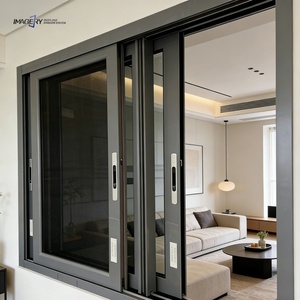
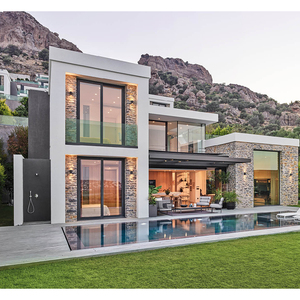
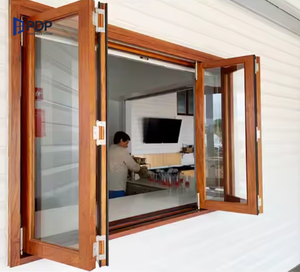
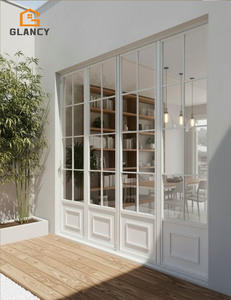
Explore high-performance thermal break doors, structural glass sliding walls, and security entry solutions engineered in Foshan to satisfy stringent international building codes (ASTM, CE, AS2047, NFRC).
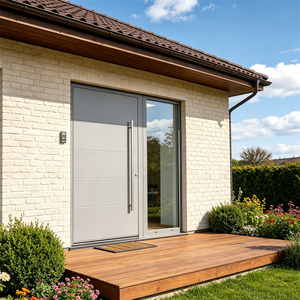
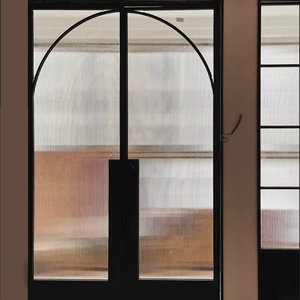
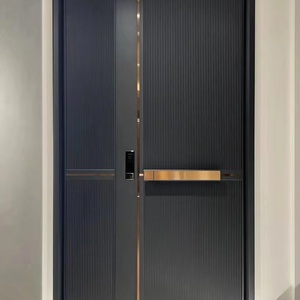
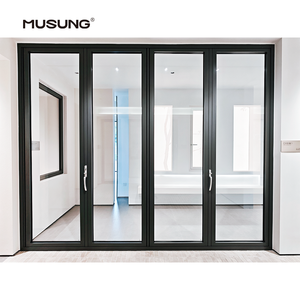
Enterprise Advantage: Foshan Engineering & Global Supply Chain Integration
As global architecture demands elevated envelope performance, selecting a premier China aluminum outdoor door supplier and exporter requires assessing verified fabrication depth, material integrity, and structural compliance. Zenic Window & Door Technology Co., Ltd. operates from Foshan, Guangdong—the recognized epicenter of high-end aluminum extrusion and fenestration technology. Operating a modern 20,000 square meter manufacturing base, Zenic merges European profile engineering with lean precision manufacturing to supply bespoke fenestration solutions across North America, Europe, Oceania, and the Middle East.
Unlike standard assembly workshops, our facility manages the complete fabrication chain: from raw 6063-T5 virgin aluminum alloy extrusion verification to precision CNC miter cutting, pneumatic corner crimping with dual-component corner glue injection, structural silicone glazing, and comprehensive pre-shipment mock-up testing.
Virgin 6063-T5 Alloys
We strictly enforce a zero-recycled-aluminum policy. Primary aluminum billets ensure uniform wall thickness (up to 2.0mm+ structural profiles), maximum tensile strength, and superior powder coat/anodized finish adhesion meeting AAMA 2604/2605 specifications.
Polyamide Thermal Insulation
Utilizing Technoform PA66GF25 (25% glass fiber reinforced polyamide) thermal break strips, our fenestration systems interrupt conductive thermal transfer. This achieves U-values down to 1.1 W/m²K, preventing interior condensation in severe cold climates and thermal gain in tropical zones.
Triple-Sealed EPDM Gaskets
Replacing inferior PVC gaskets, Zenic integrates continuous automotive-grade EPDM weather stripping. Coupled with pressure-equalized hidden drainage channels, our exterior doors resist hurricane-driven rain loads exceeding 1,000 Pa wind pressure.
Future Sourcing Trends: Outdoor Aluminum Door Development (2025–2030)
The global building envelope market is transitioning rapidly toward carbon neutrality, high acoustic dampening, and expanded glass sightlines. Procurement managers, architects, and developers sourcing from Chinese manufacturers must realign their procurement standards with these key industry shifts:
1. Extreme Weather & Hurricane-Impact Resilience
Coastal developments in North America, Australia, and the Caribbean demand robust wind-load performance. Emerging trends favor multi-point hardware lockup systems, laminated double/triple Insulated Glass Units (IGU) featuring SentryGlas® (SGP) interlayers, and heavy-duty 110mm+ frame depths capable of resisting category 5 hurricane pressures.
2. Ultra-Narrow Sightlines with Flush Thresholds
Architectural aesthetics demand seamless indoor-outdoor transitions. Panoramic sliding doors now incorporate concealed frames recessed into plasterboards, combined with flush-floor drainage tracks. Stainless steel heavy-duty tandem rollers ensure smooth manual operation of massive glass sashes weighing over 400 kg.
3. Integrated Smart Automation & Biometric Security
Luxury villa front entry doors and heavy bi-fold systems are increasingly specified with hidden motorization, smart home system integration (KNX, Zigbee), motorized drop-down seals, and biological fingerprint or face-recognition entry hardware housed within cast aluminum security doors.
4. Advanced Surface Treatments for C5-M Coastal Environments
Standard powder coating degrades when exposed to ocean salt spray. Future-proof procurement dictates specifying PVDF (Fluoropolymer) coatings or specialized marine-grade anodizing (25-micron thickness) to guarantee a 25+ year lifespan against chalking, fading, and filiform corrosion.
Technical Comparison Matrix: Exterior Door System Selection
To assist general contractors and commercial buyers in optimizing their project bill of quantities (BOQ), the table below highlights the performance parameters across standard fenestration categories:
| System Category | Profile Specification | Thermal U-Value Range | Acoustic Rating (STC) | Ideal Application Scenario |
|---|---|---|---|---|
| Thermal Break Sliding Door | 6063-T5, 2.0mm thickness, 24mm PA66 Strip | 1.4 - 1.8 W/m²K | 35 - 42 dB | High-rise balconies, coastal villas, resort suites |
| Heavy Duty French Folding Door | Aluminum-Wood Clad or Thermal Aluminum | 1.2 - 1.6 W/m²K | 38 - 45 dB | Living room transitions, patio dining spaces |
| Cast Aluminum Security Entrance Door | Solid Cast Aluminum Panel + Steel Core | 1.8 - 2.2 W/m²K | 40 - 48 dB | Villa main entry points, high-security estates |
| Non-Thermal Architectural Sliding Window/Door | Standard 6063-T5 extruded aluminum | 2.8 - 3.5 W/m²K | 28 - 32 dB | Tropical regions, interior partitions, budget housing |
B2B Procurement Guide: How to Source Aluminum Doors from China Safely
Importing customized fenestration products directly from Foshan suppliers requires strict factory verification and structured quality assurance workflows. Partnering with established exporters like Zenic eliminates common import risks through structured protocol management:
Step 1: CAD Drawing & Shop Approval
Our structural engineers translate architectural architectural elevations into millimetric shop drawings. Profiles, glass makeups, wind load calculations, hardware positioning, and installation perimeter flanges are verified prior to production.
Step 2: Sample & Color Matching
We supply physical corner samples, RAL color swatch approvals, and glass performance mock-ups. Surface coating thickness is checked using digital gauge meters to ensure consistency across large production lots.
Step 3: Factory Acceptance Testing (FAT)
Before crating, pre-assembled door frames undergo air-tightness, water-penetration, and smooth hardware cycling checks. Live video inspections or third-party SGS/Intertek inspections are fully supported.
Frequently Asked Questions (Procurement FAQ)
Key insights addressing common queries from commercial specifiers, importers, and residential builders when purchasing aluminum doors from China.
What is the minimum order quantity (MOQ) for Zenic aluminum doors and windows?
What is your typical production lead time and export logistics timeline?
How do your aluminum thermal break doors perform under energy compliance codes?
Can you manufacture completely customized OEM/ODM door profiles and designs?
What certifications and test reports do your doors hold for export markets?
How do you protect glass and aluminum profiles from damage during sea transit?
Ready to Elevate Your Architectural Project?
Submit your project window schedule or architectural CAD elevations today. Our senior facade engineers provide complete technical analysis, quotation, and manufacturing timelines within 24 hours.