Featured Architectural Window & Door Systems
Factory-direct precision engineering from Foshan, China—crafted for international project compliance, extreme weather resistance, and thermal efficiency.
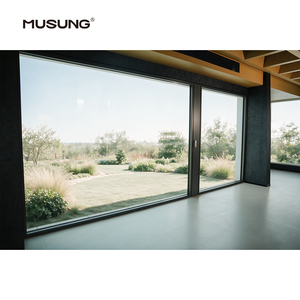
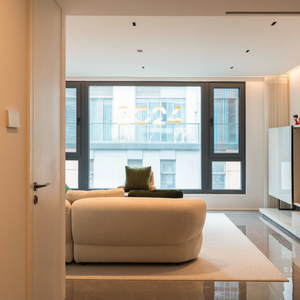
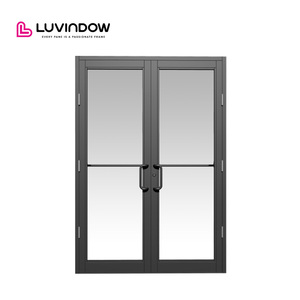
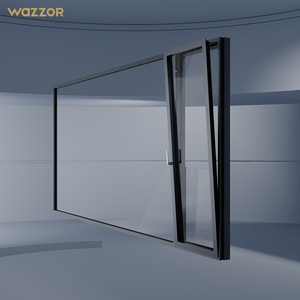
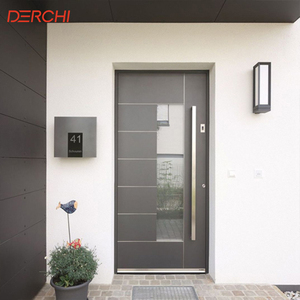
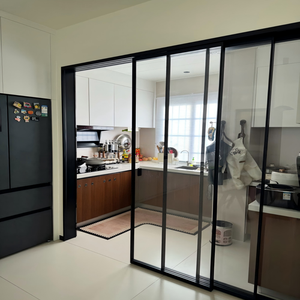
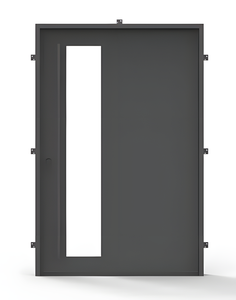
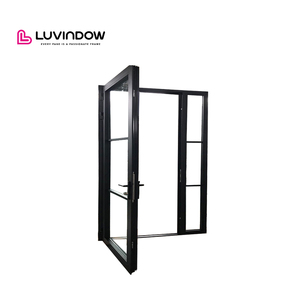
Architectural Evolution of Aluminum Tambour & Fenestration Systems in Global B2B Supply Chains
Modern architectural design is undergoing a paradigm shift toward space optimization, structural durability, and extreme thermal efficiency. Within high-density commercial developments, luxury residential villas, and modern industrial facilities, the demand for flexible architectural closures has propelled Aluminum Tambour Doors and advanced aluminum window systems to the forefront of global procurement schedules.
As a leading China manufacturer based in the industrial heartland of Foshan, Zenic Window & Door Technology Co., Ltd. integrates primary aluminum extrusion, precision CNC machining, polyamide thermal barrier strip insertion, and automated surface treatment into a single, unified production chain. China's industrial ecosystem—specifically Foshan’s complete extrusion and hardware cluster—provides international buyers with an unmatched balance of engineering precision, custom profile flexibility, and cost efficiency.
Anatomy of Advanced Architectural Slat Engineering
An aluminum tambour door (roll-up shutter curtain) relies on interlinking extruded slats that coil smoothly around an overhead spring-balanced shaft or motorized cassette. Unlike traditional steel shutters or organic timber roll-ups, engineered 6063-T5 aluminum extrusions deliver superior strength-to-weight ratios, zero rust degradation, and highly responsive acoustic dampening when fitted with co-extruded EPDM gaskets.
Whether specified for high-frequency kitchen pass-through counters, security shopfront entrances, automated vehicle garaging, or specialized industrial cabinet enclosures, the mechanical integrity of the tambour system depends entirely on slat thickness, guide track tolerances, and roller system durability.
Technical Comparison: Architectural Tambour & Door Materials
When specifying flexible closures for long-term commercial or residential deployment, architects and structural engineers must evaluate material fatigue, environmental degradation, and thermal performance. The benchmark table below illustrates why prime extruded aluminum leads the global export market.
| Performance Metric | Extruded 6063-T5 Aluminum | Stainless Steel (304/316) | Polymer / PVC Tambours |
|---|---|---|---|
| Structural Density & Weight | Optimal (~2.7 g/cm³); Low wear on drive motors | Heavy (~8.0 g/cm³); High strain on track rollers | Ultra-light (~1.4 g/cm³); Prone to deflection |
| Corrosion Resistance | Exceptional (Anodized 15-25µm / Qualicoat Powder) | High (Requires frequent passivating maintenance) | Moderate (Degrades under UV solar exposure) |
| Acoustic & Thermal Insulation | Superior (Accepts internal polyurethane foam core) | Poor (High thermal bridge coefficient) | Low-to-Moderate (Lacks structural density) |
| Custom Surface Finishes | Unlimited RAL Powder, Wood-grain, Anodized | Brushed or Polished Metallic only | Extruded solid colors; limited luxury appeal |
| Operational Longevity | 200,000+ Cycles (15–25 Year Lifecycle) | 100,000 Cycles (Track wear issues) | 30,000 Cycles (Slat brittle fracture risk) |
Future B2B Procurement Trends in Aluminum Tambour & Fenestration Systems
Global procurement teams, real estate developers, and architectural specifiers are navigating changing building codes, heightened energy standards, and strict supply chain verification requirements. Based on export data spanning 40+ countries, several core trends are defining the future of aluminum sourcing from China:
1. Smart Home & Building Automation Integration
Modern commercial and luxury residential buyers no longer accept manual spring-tensioned tambour doors. The trend heavily favors concealed tubular motors with RS485/Zigbee IoT integration, enabling automated scheduling, remote Smartphone app triggers, and obstacle-detection safety sensors built into the bottom rail profile.
2. Ultra-Low U-Value Thermal Break Integration
Energy codes across North America (NFRC/Energy Star), Europe (CE/Passive House), and Australia (AS2047) demand drastic reductions in thermal bridging. Sourcing is shifting toward polyamide (PA66GF25) thermal break profiles that isolate interior and exterior aluminum chambers, reducing overall window and closure thermal transmittance down to U-values of 1.1 W/m²K.
3. Decarbonization & Recyclability Transparency
Institutional developers prioritize suppliers utilizing prime 6063-T5 virgin aluminum billets processed using renewable hydropower energy. Aluminum’s infinite recyclability ensures project compliance with LEED and BREEAM environmental certification credits.
Key Technical Developments Shaping Modern Extrusions
As a specialized supplier and exporter, Zenic Window & Door Technology Co., Ltd. continuously invests in advanced extrusion geometries and surface finishing technologies. Key technological innovations currently revolutionizing the aluminum tambour and fenestration industry include:
A. Micro-Slat Interlocking Profiles & Silent Track Dampening
Traditional tambour systems suffered from operational chatter and track friction. Next-generation designs utilize micro-extruded slat hinges (15mm to 30mm slat heights) lined with co-extruded rubber dampeners. Combined with nylon-lined side guide channels, operating sound levels drop below 42 dB, providing whisper-quiet operation suited for upscale hotel pantries and residential interior dividers.
B. High-Durability Fluorocarbon (PVDF) & Anodized Nanocoatings
For coastal building envelopes exposed to salt-laden air and high solar radiation, standard powder coatings can chalk or peel over time. Advanced export lines utilize AkzoNobel or PPG Qualicoat Class 2 powder coatings and 25-micron anodizing finishes that withstand over 3,000 hours of continuous salt spray testing (ASTM B117 compliance).
C. Concealed Drainage & High-Wind Storm Locking Mechanisms
Sliding doors, storefront windows, and exterior security tambour shutters incorporate hidden pressure-equalized drainage systems. Internal baffle valves allow heavy rain water to evacuate rapidly while blocking wind-driven rain blowback (rated up to 1,000 N/m² wind pressure resistance).
Why Global Specifiers Partner with Zenic in Foshan, China
Operating from a modern 20,000 m² manufacturing plant in Foshan, Zenic Window & Door Technology Co., Ltd. serves as an end-to-end manufacturing partner for architects, general contractors, window distributors, and real estate developers across 40+ countries.
100% Virgin 6063-T5 Profile Standard
We strictly reject recycled scrap alloy, ensuring uniform tensile strength (≥175 MPa) and flawless surface finishing across every extrusion run.
Pin-and-Glue Corner Crimping
Frame corners feature injected two-component corner sealants and stainless steel clamping pins for superior structural rigidity and zero water penetration.
Full Export Certification
Systems independently tested to match NFRC, CE marking, CSA, AS2047, AAMA, and ISO 9001 quality management guidelines.
Flexible OEM Customization
Custom profile die design, private-label branding, customized hardware selection, and exact RAL color matching for project submittals.
Sea-Worthy Crate Packaging
Units are protected with EPE shock foam, protective film, heavy plastic corner guards, and fumigation-free plywood export crates.
Rapid Factory Lead Times
Streamlined CNC cutting lines allow standard lead times starting from just 15 days following shop drawing approval and deposit receipt.
Frequently Asked Questions (FAQ) for Overseas Buyers
Clear engineering and commercial answers to help procurement officers and project managers streamline sourcing from China.
What is the Minimum Order Quantity (MOQ) for custom aluminum tambour doors and fenestration orders?
Our minimum order quantity starts from 50 units or 100 square meters per project schedule. We support mixed-container orders combining different fenestration types—such as aluminum tambour roll-up shutters, thermal break casement windows, heavy-duty sliding doors, and storefront entries—within a single export shipment to help developers optimize container load space and reduce freight overhead.
How do aluminum tambour doors handle acoustic noise dampening and thermal insulation?
Thermal and sound performance depends on slat selection. Standard single-wall aluminum slats provide visual enclosure and physical security. For acoustic and thermal applications, we manufacture double-wall extruded aluminum slats insulated with high-density polyurethane (PU) foam cores, combined with vertical side track EPDM brush seals. This configuration significantly reduces ambient noise transmission and limits thermal exchange.
What surface finishes are available for harsh coastal or tropical environments?
For seaside or high-humidity regions, we offer architectural-grade anodizing (up to 25 microns thickness) and Qualicoat Class 2 / Class 3 fluorocarbon (PVDF) powder coatings. These treatments prevent oxidation, salt-spray corrosion, and color fading under aggressive UV exposure, backed by a 10-to-15 year surface durability warranty.
Can you manufacture according to local architectural building codes (e.g., AS2047, NFRC, CE)?
Yes. Our engineering team reviews architectural window schedules, structural wind loads, and energy specifications prior to production. We provide detailed CAD/BIM shop drawings for client approval and fabricate using system profiles certified for NFRC (North America), CE (Europe), AS2047 (Australia), and CSA standards.
What is the standard production timeline and freight arrangement?
Standard fabrication takes 15 to 25 working days from final shop drawing sign-off and deposit confirmation. Goods are loaded directly at our Foshan facility into 20GP or 40HQ containers and shipped via FOB Foshan or FOB Shenzhen ports. We also offer CIF, DDP, and door-to-port logistics support for major global destinations.
How do you ensure zero transit damage for fragile glass and extruded aluminum frames?
Every fabricated unit undergoes a 100% dry-assembly inspection before packing. Units are wrapped in protective PE film, reinforced with EPE corner buffers, and packed inside fully enclosed, fumigation-free plywood crates. Crates are engineered with forklift base channels to ensure safe loading, unloading, and site handling.
Ready to Request Engineering Shop Drawings & Factory Quotes?
Connect directly with our Foshan engineering team. Send your architectural elevations or project window schedules, and receive comprehensive technical recommendations, MOQ confirmations, and pricing within 24 hours.