Export Product Portfolio
Featured Commercial & Villa Door Systems
Precision-engineered aluminium brown door assemblies certified for thermal isolation, hurricane wind loads, and architectural longevity.
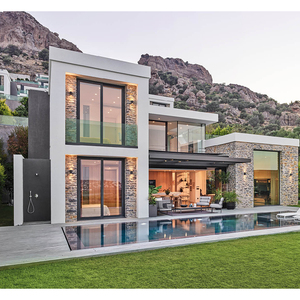
Custom Modern Anthracite Quality Double Glazed Aluminium Window and Door
Send an Inquiry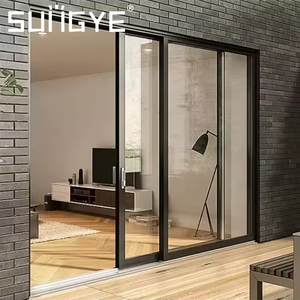
SUNGYE Sliding Balcony Patio Door High Quality Full View Aluminum Framed Energy-Efficient Doors
Send an Inquiry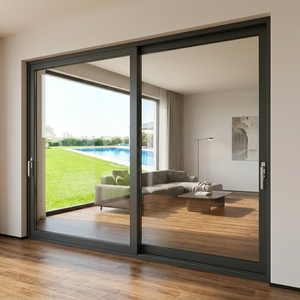
Custom Made Aluminum Sliding Door System with Large Panel Glass for Luxury Villa and Resort Hotel Architecture Design
Send an Inquiry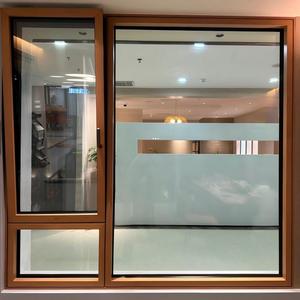
Modern Style Wood Aluminum Casement windows House windows Windproof Function Aluminum Clad Wooden Window for Villa
Send an Inquiry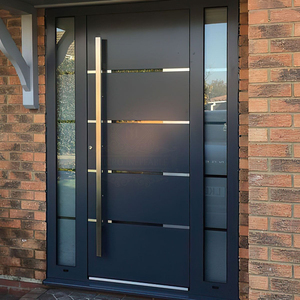
Luxury Modern Design Anti-Theft Outdoor Exterior Villa Aluminum Entry Front Door
Send an Inquiry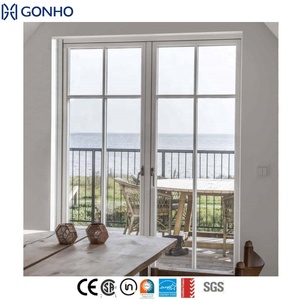
Aluminum Durable Interior Casement Doors Exterior Security Entrance Aluminum Casement Glass Door 2 Panel
Send an Inquiry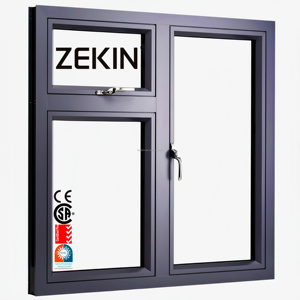
NFRC AS2047 Certification Thermal Break Aluminum Window Engineering Projects Big Glass Panel Awning Window Swing Casement Window
Send an Inquiry
Industrial Scale & Rigor
Engineering Excellence in Architectural Fenestration
Operating out of Foshan, China—the epicenter of global aluminum extrusion engineering—our manufacturing complex delivers verified structural performance for high-tier international developments.
20,000 m²
Production Complex
Automated CNC extrusion processing, corner crimping, and triple-seal assembly lines under strict ISO 9001 protocols.
40+
Global Export Markets
Delivering fully certified door systems across North America, Europe, the Middle East, Australia, and coastal tropical zones.
1.1 W/m²K
Ultra-Low Thermal U-Value
Achieved via PA66-GF25 polyamide thermal barriers and argon-filled Low-E double/triple glazing units.
3,000+ Hrs
Salt Spray Resistance
Qualicoat Class 2 standard powder coating and anodic brown finishes resistant to extreme coastal corrosion.
Technical Procurement Guide
Comprehensive Analysis of Architectural Aluminium Brown Door Systems
In modern architectural design, color selection for fenestration systems transcends mere aesthetics—it dictates a building’s visual identity, thermal performance, and environmental durability. Among exterior surface selections, aluminium brown doors (encompassing warm espresso tones, bronze anodizing, metallic chestnut, and dark chocolate RAL shades) have experienced a massive surge in global procurement. Architects and commercial developers specify brown aluminium door systems to achieve biophilic harmony with natural masonry, warm wood cladding, and structural stone, while maintaining the structural rigidity and low maintenance inherent to high-grade 6063-T5/T6 extrusions.
As a premiere manufacturer and global exporter based in Foshan, China, ZENIC Window & Door Technology Co., Ltd. synthesizes advanced metallurgical alloy selection, precise thermal break integration, and multi-layer surface treatment technology to engineering standards that meet or exceed NFRC, CE, AS2047, and AAMA benchmark requirements.
1. Metallurgical Foundations & Profile Engineering
The structural reliability of an architectural aluminium door relies fundamentally on profile wall thickness, alloy purity, and internal webbing geometry. Standard residential profiles frequently fail under localized wind pressures or heavy glass deadloads. Our export-grade brown door series utilizes exclusively virgin 6063-T5 and 6063-T6 aluminum alloys, eschewing recycled scrap aluminum that introduces micro-porosity and brittle grain boundaries.
- Structural Wall Depths: Main structural profiles feature nominal wall thicknesses ranging from 2.0 mm up to 3.0 mm, guaranteeing flexural rigidity under wind pressures exceeding 1,000 N/m².
- Polyamide Thermal Barriers: Energy insulation is engineered using PA66-GF25 (polyamide reinforced with 25% glass fiber) thermal break strips. This material matches the thermal expansion coefficient of aluminum (23 × 10⁻⁶ / K), eliminating stress shearing between profile chambers across wide temperature differentials (-30°C to +80°C).
- Corner Joint Mechanics: Joints are secured using cast-aluminum corner cleats combined with two-component structural epoxy injection. This eliminates frame racking during transit and ensures lifetime air and water tightness.
Information Gain Insights: PVDF Fluorocarbon vs. Powder Coating Finishes
Not all brown finishes are created equal. When procuring for tropical high-UV environments or marine-grade coastal installations, selecting the correct chemical formulation is paramount to avoid chalking, fading, or filiform corrosion over a 20-year lifecycle.
Qualicoat Class 2 Powder Coatings (AAMA 2604): Formulated with super-durable polyester resins, delivering outstanding gloss retention and UV fade resistance up to 15 years.
3-Coat PVDF Fluorocarbon (AAMA 2605): Utilizing 70% Kynar 500 / Hylar 5000 resins, PVDF fluorocarbon brown finishes offer superior resistance to acid rain, industrial pollutants, and salt vapor, tested up to 3,000+ hours in continuous salt spray chambers (ISO 9227).
3-Coat PVDF Fluorocarbon (AAMA 2605): Utilizing 70% Kynar 500 / Hylar 5000 resins, PVDF fluorocarbon brown finishes offer superior resistance to acid rain, industrial pollutants, and salt vapor, tested up to 3,000+ hours in continuous salt spray chambers (ISO 9227).
Future Procurement Trends in Aluminium Brown Door Systems
As net-zero building regulations tighten globally, fenestration procurement is shifting rapidly from low-cost static barriers to dynamic thermal and security envelopes. Project managers, architects, and importers should align their sourcing strategies with four dominant macro-trends:
Trend A: Carbon-Neutral & Recycled Billet Transparency
Leading European and North American developers now require Environmental Product Declarations (EPD) detailing embodied carbon per kilogram of aluminum. Sourcing trends prioritize extrusion plants utilizing low-carbon primary smelting powered by hydropower, paired with closed-loop manufacturing that recycles 100% of scrap profile turnings.
Trend B: Ultra-Slim Sightlines with Heavy Payload Capability
Contemporary luxury villas demand minimalist frame visibility (sightlines under 25 mm at the interlock) combined with massive structural glass panels weighing upwards of 400 kg. Future-ready sliding brown door systems integrate concealed heavy-duty stainless steel rollers, concealed sub-frame drainage, and multi-point motorized locking actuators operated via home automation protocols.
Trend C: Biophilic Warmth & Anodic Bronze Surface Aesthetics
While dark anthracite (RAL 7016) dominated the previous decade, global design preference is migrating toward organic, earthy warm tones. Custom anodized finishes such as Electro-Chemical Anodized Dark Bronze (C34), Metallic Copper-Brown, and textured architectural matte brown powders (such as RAL 8019 Grey Brown and RAL 8028 Terra Brown) provide a sophisticated, timeless façade texture.
Trend D: Integrated Smart Security & Biometric Access Controls
Standard mechanical deadbolts are giving way to integrated smart access hardware. Export entry doors are increasingly specified with German-engineered motorized multi-point locksets (e.g., GU or Winkhaus), facial recognition, biometric fingerprint scanners, and encrypted keyless Bluetooth interfaces embedded directly within the thermal break profile.
Enterprise Manufacturing Depth: Why Global Buyers Trust ZENIC
Located in the heart of Foshan’s extrusion cluster, ZENIC Window & Door Technology Co., Ltd. functions not merely as an assembly plant, but as an OEM/ODM system design authority. Our manufacturing facility bridges complex architectural drawings and ready-to-install job-site components.
Custom Die & Profile Extrusion
In-house tooling facility capable of producing custom profile dies tailored to specific structural wind load requirements, mullion reinforcement, or regional building code profiles.
MOQ options starting from 50 project units with full CAD & BIM modeling support.
Advanced Surface Coating Lines
Dual automated horizontal and vertical powder coating plants operating in strict accordance with Qualicoat standards, ensuring uniform film thickness (60–80 microns) and zero color variance across order batches.
Color matching available for complete RAL palettes, wood-grain heat transfer, and anodic bronze.
Multi-Stage Quality Gates
Every unit undergoes 100% pre-assembly inspection before leaving our floor, including air tightness testing, glass seal integrity check, diagonal squareness verification, and dynamic hardware cycle testing.
Hardware tested to 200,000 continuous operation cycles without mechanical degradation.
Architectural Specification Matrix: Aluminium Brown Door Systems
To assist project engineers, specifiers, and procurement officers, the following matrix details standardized performance metrics across our primary export door configurations:
| Door System Series | Frame Depth | Thermal Transmittance (U-Value) | Acoustic Rating (STC) | Water Tightness | Recommended Application |
|---|---|---|---|---|---|
| Series 80 Thermal Casement Door | 80 mm Profile | 1.4 – 1.8 W/m²K | 38 – 42 dB | 750 Pa (Class 9A) | Luxury Villa Main Entry / Patio Exit |
| Series 110 Lift & Slide Brown Door | 110 mm 2-Track | 1.2 – 1.6 W/m²K | 36 – 40 dB | 900 Pa (Extraordinary Heavy Rain) | Coastal Resorts & Large Balcony Openings |
| Series 75 Heavy Duty Bi-Fold Door | 75 mm System | 1.6 – 2.0 W/m²K | 35 – 38 dB | 600 Pa (Class 7A) | Commercial Terraces & Restaurant Entrances |
| Series 150 Minimalist Panoramic Slide | 150 mm Sub-frame | 1.1 – 1.4 W/m²K | 40 – 44 dB | 1050 Pa (Typhoon Pressure Class) | High-End Architectural Signature Estates |
Procurement Intelligence
Frequently Asked Questions for Importers & Specifiers
Direct technical answers to common queries encountered by global contractors, distributors, and architectural buyers when sourcing aluminium brown doors from China.
What surface finish standard is recommended for aluminium brown doors installed in coastal or humid regions?
For coastal environments within 5 km of salt water or regions with severe humidity, we strongly advocate specifying Fluorocarbon PVDF (AAMA 2605 compliant) or Qualicoat Class 2 Super-Durable Powder Coating. Standard architectural coatings can suffer filiform corrosion under salt spray exposure. Our coastal-grade brown surface treatment includes a chrome-free pre-treatment conversion layer followed by a minimum 70-micron PVDF or Class 2 powder layer, delivering salt spray resistance certified beyond 3,000 hours under ISO 9227 conditions.
How does ZENIC ensure color consistency across large batch orders of brown doors?
Color variation in brown and bronze powder coatings is a common risk when extrusions are processed in separate batches. We mitigate this through automated spectrophotometer color measurement (Delta E < 0.5) and centralized powder batching. Every profile extrusion lot is processed under computer-controlled curing oven temperatures (200°C ± 5°C) to guarantee identical cross-linking, sheen, and color matching across all windows and doors within a project scope.
What is the minimum order quantity (MOQ) and standard lead time for custom door projects?
Our minimum order quantity starts from 50 pieces per project schedule, allowing mixed door types (casement, sliding, bi-fold, and rolling shutters) within a single 20ft or 40ft container load. Production lead times typically range from 15 to 25 calendar days following shop drawing approval and deposit receipt. Expedited schedules can be arranged for time-sensitive commercial contracts.
Are your thermal break door systems certified for energy code compliance in North America and Europe?
Yes. Our thermal break brown door series are engineered to meet global energy efficiency criteria, achieving overall assembly U-values down to 1.1 W/m²K (0.19 BTU/h·ft²·°F). Our product lines carry verified testing and certification data compliant with NFRC, CE marking, AS2047 (Australia), CSA (Canada), and ENERGY STAR guidelines. Test reports for specific project submittals are provided upon drawing review.
How are finished glass door assemblies packaged to prevent transit damage during ocean shipping?
Export packaging is critical for fragile glazed units. ZENIC utilizes a five-layer protection protocol: (1) Protective peelable film over painted surfaces, (2) EPE foam wraps around all extrusions, (3) High-impact rubber corner guards, (4) Vacuum-sealed moisture wrap, and (5) Heavy-duty, fumigation-free, fully enclosed plywood crates with internal foam cushioning. Crates are engineered with forklift entry channels to ensure safe offloading at destination ports.
Can ZENIC manufacture custom profile dies based on architectural blueprints?
Absolutely. We operate a dedicated OEM/ODM engineering division. If your project specifies non-standard frame depths, integrated brick-mould extensions, or unique structural mullion shapes, our engineering team can produce custom steel extrusion dies within 10 to 14 days, perform sample extrusion, test structural integrity, and proceed to full-scale manufacturing.