Featured Commercial & Residential Aluminium Bathroom Door Systems
As a leading export-oriented OEM/ODM manufacturer headquartered in Foshan, China, ZENIC Window & Door Technology Co., Ltd. engineers commercial-grade aluminum alloy bathroom doors designed specifically for high-humidity environments. Combining 6063-T5 structural aluminum profiles, multi-layer EPDM seals, and SGCC/CE-certified tempered safety glass, our system doors solve chronic issues related to frame swelling, structural degradation, sound transmission, and moisture intrusion. Explore our top exported door series specified for luxury residential developments, hospitality projects, and international distribution networks below.
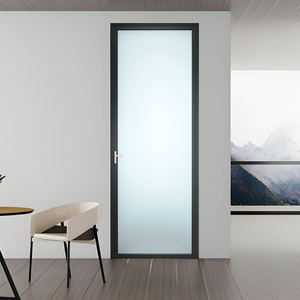
DERCHI Privacy Frosted Glass Soundproof Aluminium Door
Modern minimalist slim profile fitted with sound-dampening double tempered frosted privacy glass. Engineered for modern interior residential suites.
Get Catalog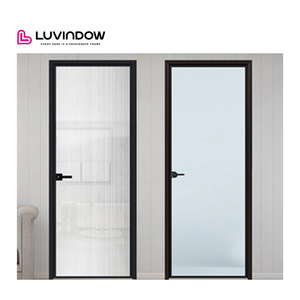
Australian Standard Hotel Aluminium Security Glass Swing Door
AS2047 compliant heavy-duty alloy construction featuring luxury solid wood surface finishes over ultra-durable moisture-proof aluminum frames.
Get Catalog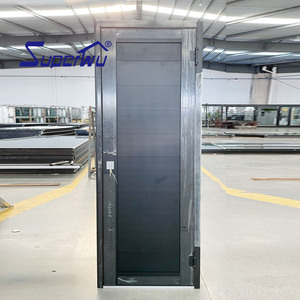
Impact-Rated NFRC Certified Aluminium Plate Swing Door
High-velocity hurricane resistant structural frame with solid aluminum plate infill and custom powder coating. Perfect for luxury villa master baths.
Get Catalog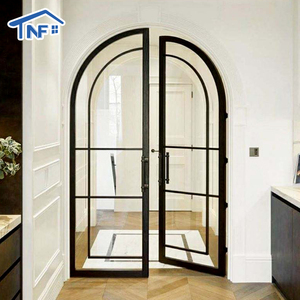
Slim Profile Crittall-Style Arched Aluminium French Door
Ultra-narrow sightline framing inspired by industrial steel aesthetics. Includes double-glazed acoustic glass for luxury wet-room applications.
Get Catalog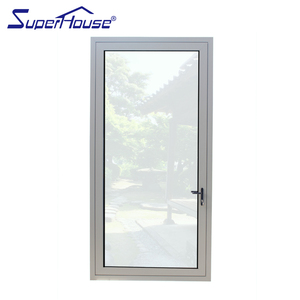
White Powder-Coated Tempered Glass Aluminium Swing Door
Clean architectural white fluorocarbon finish equipped with heavy-duty stainless steel hinges and dual-seal perimeter rubber gaskets.
Get Catalog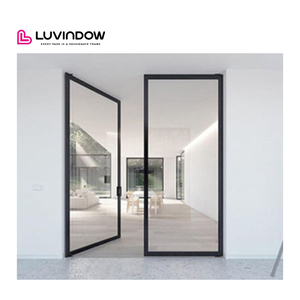
Minimalist Frameless-Effect Commercial Hotel Bathroom Door
Concealed sub-frame design yielding a sleek frameless appearance. Ideal for commercial hospitality developments seeking modern architectural aesthetics.
Get Catalog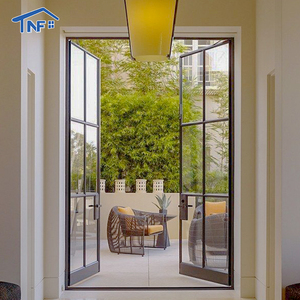
Narrow Frame Single-Sash Aluminium Glass Casement Door
Narrow-edge extrusion architecture maximizing daylight penetration while maintaining structural rigidity and corrosion immunity in humid zones.
Get Catalog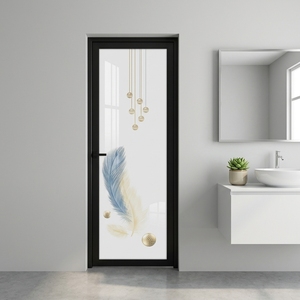
Space-Saving Roller Track Aluminium Folding Door System
Top-hung smooth bi-folding mechanism engineered with high-density fiber-aluminum composite panels and anti-pinch safety edges.
Get CatalogWhy Engineering & Procurement Teams Partner with ZENIC
Selecting an architectural door exporter requires deep technical evaluation beyond surface aesthetics. Located in Foshan—the global powerhouse of aluminum profile manufacturing—ZENIC Window & Door Technology Co., Ltd. manages an advanced 20,000 square meter manufacturing plant. We integrate architectural CAD/BIM design, precision CNC extrusion milling, automated corner crimping, and rigorous quality assurance under one roof. Unlike standard assembly shops, our enterprise controls profile metallurgy, surface treatment chemical compositions, and glass tempering standards to guarantee strict compliance with international building codes.
Virgin 6063-T5 Profile Alloy
We utilize exclusively high-purity virgin 6063-T5 billet aluminum with a minimum wall thickness of 1.4mm to 2.0mm. Our extrusions exhibit superior structural yield strength, ensuring door sashes resist warp, sagging, and torsional deflection over decades of high-frequency operation.
Multi-Stage Surface Coating
Our chemical treatment plant applies QUALICOAT-certified fluorocarbon powder coatings, Qualanod anodizing, and Italian heat-transfer wood grain finishes. These coatings resist chemical cleaners, constant steam humidity, and harsh coastal salt-spray environments without peeling or chalking.
Acoustic & Thermal Engineering
By integrating polyamide (PA66) thermal break strips and continuous EPDM double-gaskets, ZENIC bathroom door systems provide up to 38 dB sound reduction (STC 38). This isolates bathroom plumbing noise while blocking moisture migration into adjacent living areas.
Industry Development Trends in Architectural Aluminium Bathroom Doors
The global fenestration industry is undergoing a structural transition driven by changes in modern interior design, green building standards, and advances in material technology. Traditional wooden, MDF, and low-grade PVC interior doors are rapidly losing market share in wet rooms due to moisture absorption, swelling, rot, and formaldehyde emissions. In contrast, precision-engineered aluminium alloy doors have become the preferred choice for commercial developers, luxury hotels, and modern residential builds. Key macroeconomic and architectural trends shaping the market include:
1. Transition to Ultra-Narrow Sightlines & Micro-Frame Aesthetics
Contemporary interior design heavily emphasizes spatial continuity and daylight penetration. Modern luxury developments are moving away from bulky 80mm-100mm profile frames toward narrow-edge micro-frames ranging from 16mm to 38mm visible face width. Achieving structural integrity with minimal sightlines requires advanced 6063-T6 or 6005-T6 alloy formulations with elevated tensile strength. ZENIC’s ultra-slim casement and pocket sliding series incorporate hidden corner connectors and concealed multi-point hardware, presenting an elegant visual profile without sacrificing wind-load or impact performance.
2. Integration of Smart Privacy & Electrochromic Glass Technologies
Hospitality and high-end residential clients increasingly demand dynamic privacy controls. The integration of Switchable Polymer Dispersed Liquid Crystal (PDLC) electrochromic smart glass into aluminum door frames allows users to switch glass from transparent to opaque instantly via wall switches, smart home automation, or motion sensors. Aluminum frames serve as the ideal housing for low-voltage wiring harnesses and transformer gear, shielding electronics from humidity while providing airtight perimeter seals.
3. Strict Environmental Mandates & Zero-VOC Building Codes
Global green building schemes (LEED v4, BREEAM, WELL Building Standard) place stringent caps on Volatile Organic Compounds (VOCs) and off-gassing indoors. Composite wood and painted MDF doors release formaldehyde under warm, humid bathroom conditions. In contrast, extruded aluminum combined with inorganic tempered glass and powder coating is completely inert, 100% recyclable, and non-emitting. This lifecycle sustainability appeals strongly to institutional buyers aiming for ESG compliance.
Future Procurement Trends for B2B Importers & Project Specifiers
Navigating international supply chains requires B2B buyers—including general contractors, real estate developers, and building material wholesalers—to align procurement strategies with shifting manufacturing paradigms. The traditional model of buying commodity door sashes and sourcing hardware locally is being replaced by integrated OEM/ODM sourcing models.
A. Modular Pre-Hung Systems & Off-Site Construction
On-site labor shortages and rising hourly wages in North America, Europe, and Australia have forced contractors toward Prefabricated Prefinished Volumetric Construction (PPVC). Future procurement heavily favors factory pre-hung aluminum door units shipped with pre-installed sub-frames, locksets, hinges, and glass. Factory assembly eliminates site machining errors, reduces installation time by up to 70%, and ensures factory-controlled gasket sealing.
B. Demand for Regional Standard Certification Compliance
Cross-border enforcement of building product compliance is at an all-time high. Procurement teams can no longer risk import delays or job site rejections due to uncertified materials. Factory partners must provide verified testing documentation, such as AS2047 (Australia), NFRC/AAMA (USA), CE Mark (EU), and ISO 9001 quality management standards. Forward-thinking exporters invest in third-party lab testing for salt-spray resistance, structural loading, and thermal insulation to smooth custom clearances and site sign-offs.
C. Customization Matrix: OEM/ODM Flexibility at Scale
Commercial projects rarely permit off-the-shelf sizing. Global buyers require customizable frame depths, adaptable sub-frame jambs accommodating varying wall thicknesses (from 70mm to 220mm drywall or masonry), and bespoke hardware finishes (matte black, brushed brass, gunmetal gray, anodized bronze). Suppliers capable of offering rapid custom extrusions and CAD sample turnarounds within 72 hours hold a clear competitive advantage.
Comprehensive Material Specification Matrix
To assist engineering offices and procurement specialists during value engineering reviews, the matrix below compares structural aluminum alloy door systems against traditional material alternatives commonly specified for interior bathroom applications.
| Performance Metrics | Fabricated Aluminium Doors (ZENIC) | Solid Wood / MDF Composite | PVC / UPVC Plastic Doors | Hollow Metal Steel Doors |
|---|---|---|---|---|
| Moisture & Steam Resistance | 100% Waterproof (Zero Swell) | High Risk of Swelling/Rot | 100% Waterproof | Prone to Rusting at Joints |
| Structural Tensile Strength | High (6063-T5 Yield > 170 MPa) | Moderate | Low (Requires Steel Reinforcement) | Extremely High |
| Surface Coating Longevity | 20+ Years (Fluorocarbon/Anodized) | 3-5 Years (Requires Re-painting) | 5-8 Years (Yellowing / UV Degradation) | 5-10 Years (Chalking / Corrosion) |
| Acoustic Insulation (STC Rating) | STC 32 – STC 40 (Double Glass+EPDM) | STC 25 – STC 30 (Solid Core) | STC 20 – STC 26 | STC 30 – STC 35 (Insulated Core) |
| Formaldehyde & VOC Emissions | 0% (Inorganic Metal & Glass) | Moderate-High (Binder Glues) | Low (Plasticizer Off-Gassing) | 0% |
| Maintenance Requirements | Zero (Wipe Clean) | High (Refinishing / Sealing) | Low | Moderate (Touch-up Anti-Rust Paint) |
Frequently Asked Questions (Procurement & Engineering FAQ)
Below are technical responses to queries frequently submitted by international sourcing managers, architectural consultants, and developers during factory audits and bid evaluations.
What is the minimum order quantity (MOQ) and sample policy for custom commercial projects?
Our standard production MOQ starts at 50 units per project. However, for large-scale development bids or initial distributor trials, we accommodate mixed product containers combining bathroom swing doors, sliding doors, and window systems. Express custom corner profiles or full-scale pre-hung sample doors can be fabricated and dispatched via air freight within 7 to 10 working days following CAD drawing sign-off.
How do ZENIC aluminium bathroom doors prevent water leakage onto surrounding finished flooring?
Our bathroom door systems incorporate a dual-defense water management system. First, perimeter sashes feature continuous molded EPDM synthetic rubber gaskets that form a air/water-tight compression seal against the frame. Second, we offer hidden drop-down automatic bottom acoustic seals or low-profile stainless steel threshold water-bars engineered with internal weep holes. This channels condensation and splash water back into the wet-zone floor drain.
What glass specifications are available to balance privacy, light transmission, and safety?
All glass supplied by ZENIC strictly complies with global safety standards (ANSI Z97.1, SGCC, EN 12150, AS/NZS 2208). Options include fully tempered single glass (5mm-10mm), laminated safety glass, or double-glazed insulated units (5mm + 9A + 5mm). For visual privacy while maintaining light diffusion, we provide acid-etched frosted glass, fluted/reeded textured glass (Morusu), satin obscure glass, or integrated internal magnetic privacy blinds sealed within the insulated glass airspace.
What cycle testing and salt-spray ratings apply to your door hardware and hinges?
Bathroom environments accelerate hardware oxidation. ZENIC equips doors with 304 or 316 grade stainless steel hinges, solid brass lock cylinders, and high-strength anodized aluminum handles. All standard hardware sets undergo 200,000 continuous opening/closing cycle durability tests and pass a 96-hour neutral salt spray (NSS) test (ASTM B117 compliant) without evidence of surface pitting or substrate corrosion.
What surface treatments are recommended for oceanfront resort developments?
For seaside hotels or coastal villas subject to salt air corrosion, we strongly recommend our 25-micron thickness Anodized finishes or PVDF (Polyvinylidene Fluoride) 3-coat fluorocarbon spray coatings. PVDF coatings resist UV degradation, acid rain, and marine sodium chloride exposure, backed by a written 15 to 20-year factory performance warranty against fading, flaking, or blistering.
How are orders packed to guarantee zero glass breakage during ocean transit?
Export packaging is a core competency. Each door frame and sash is wrapped in 360-degree protective EPE foam film, fitted with reinforced plastic corner guards, and enclosed in heavy-duty 5-ply corrugated cardboard. Assembled glazed units are packed into fumigation-free, fully enclosed plywood crates equipped with interior shock-absorbing foam spacers and steel strapping. This packaging protocol ensures zero transit damage across FCL or LCL container shipments.
Can ZENIC manufacture custom sub-frames to fit varying wall construction types?
Yes. We produce adjustable telescopic sub-frames and architrave trim extensions engineered to wrap wall thicknesses ranging from 70mm plasterboard walls up to 250mm concrete/brick masonry walls. Detailed installation shop drawings, anchoring hardware schedules, and step-by-step video installation manuals are provided with every export shipment.
Partner with China's Premier Aluminium Door Exporter
Whether you require custom OEM profile extrusion, value-engineering for a multi-family project bid, or reliable supply chain fulfillment for your wholesale network, ZENIC’s engineering team is ready to assist. Contact our engineering desk today for instant technical support, CAD shop drawing development, and factory-direct wholesale pricing.