Featured Security Doors & Grille Window Systems
Factory-direct architectural aluminum system windows, soundproof entrance doors, and heavy-duty protective fenestration custom-engineered for commercial and high-end residential developments.
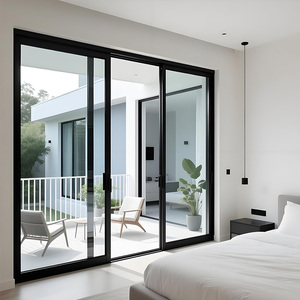
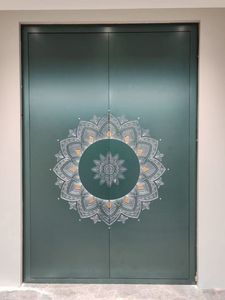
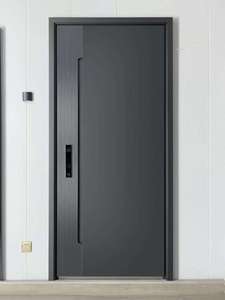
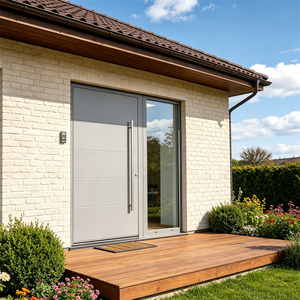
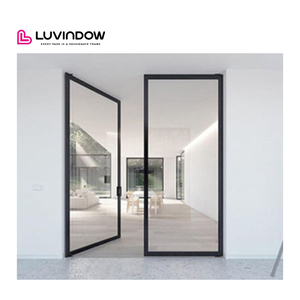
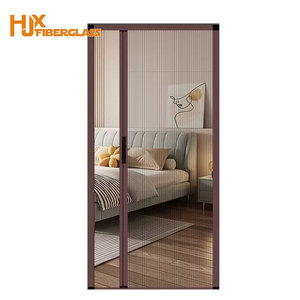
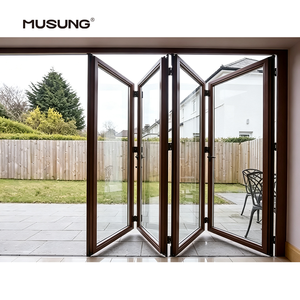
Whitepaper: Engineering & Sourcing Architectural Aluminium Grille Windows
In global architectural design and B2B fenestration procurement, the modern aluminium grille window has evolved far beyond basic security bar structures. Today's commercial developments, luxury residential complexes, and public institutions demand an uncompromising synthesis of forced-entry prevention, thermal break energy efficiency, structural wind load integrity, and sophisticated aesthetic integration. As a leading Foshan-based manufacturer exporting engineered window and door systems to over 40 countries, Zenic Window & Door Technology Co., Ltd. presents this comprehensive industry guide to assist architects, structural engineers, developers, and wholesale importers in navigating specification, manufacturing metrics, and international compliance standards.
Information Gain Key Takeaway: Traditional security grilles created significant thermal bridging and visual obstruction. Modern systems utilize T6-6063 high-tensile multi-chamber profiles, integrated high-grade stainless steel mesh (304/316 structural weave), and Polyamide (PA66GF25) thermal barriers to deliver forced-entry protection while maintaining U-values as low as 1.1 W/m²K.
1. Structural Metallurgy & Security Engineering Standards
The structural foundation of any reliable aluminium grille window rests upon alloy purity and profile extrusion design. B2B buyers must differentiate between standard secondary aluminum scrap and prime-grade virgin 6063-T5 or T6 architectural alloys. High-tensile 6063-T5 aluminum extrusions provide optimum wall thickness (typically 1.8mm to 2.5mm for load-bearing fenestration), offering dynamic resistance to impact, mechanical shear, and environmental fatigue.
In modern security window designs, grilles are incorporated through three principal engineering approaches:
- Integrated Internal Mullion Grilles: Solid aluminium structural bars are CNC-machined and anchored directly into the multi-chamber profile prior to glazing, creating an impenetrable physical barrier against forced intrusion without altering the outer facade line.
- High-Tensile Woven Stainless Mesh (Security Screen Grilles): Utilizing 0.8mm to 1.0mm diameter marine-grade 316 stainless steel wire woven at extreme tension, locked into the extruded frame via deep-groove retention channels. This design functions simultaneously as insect screening, child safety containment, and anti-burglary protection.
- Decorative Outer Architectural Lattice: Laser-cut or profile-welded aluminum grilles mounted on heavy-duty hinges or snap-lock framing for luxury villas where customized geometric patterns are required.
2. Core Enterprise Manufacturing Advantages: Zenic Advantage
Headquartered in Foshan, Guangdong—the epicenter of global aluminum extrusion technology—Zenic Window & Door Technology Co., Ltd. integrates full-cycle manufacturing under one roof. Our facility eliminates supply chain fragmentation, ensuring rigorous quality oversight from raw aluminum billet heating to final sea-worthy export crating.
Precision CNC Extrusion & Crimping
Utilizing high-precision multi-axis CNC machining centers, corner joints are crimped using mechanical corner keys injected with dual-component structural adhesive (pin-and-glue connection) for airtight, watertight structural integrity.
Multi-Point Locking Mechanics
Equipped with heavy-duty multi-point locking gear tested up to 200,000 continuous operation cycles. Concealed hinges support single sash loads exceeding 60kg while resisting up to 1,000 N wind pressure forces.
Thermal Break & EPDM Sealing
Incorporates PA66GF25 polyamide thermal insulation strips and three-layer continuous EPDM co-extruded gaskets, delivering supreme air permeability (Class 4 EN 12207) and water tightness (Class 9A EN 12208).
3. B2B Procurement Trends: 2025–2030 Market Dynamics
As global building codes mandate strict carbon neutrality, thermal efficiency, and disaster resilience, international procurement strategies for aluminum grille windows and door systems are undergoing fundamental shifts:
A. High-Thermal Isolation Integration: In regions with harsh climate variations—such as North America, Europe, and the Middle East—uninsulated aluminum frames are being rapidly phased out. Importers are specifying multi-chamber thermal break profiles with wider polyamide strips (24mm to 34mm) integrated with double- or triple-glazed Insulated Glass Units (IGU) containing argon gas filling and Low-Emissivity (Low-E) coatings.
B. Concealed Hidden Drainage & High Water-Tightness: Traditional face-drained windows suffer from wind-driven rain penetration during severe storm conditions. Modern high-end procurement emphasizes pressure-equalized hidden drainage systems, directing water downward through internal chambers while preventing exterior wind pressure from blowing rain back into the structure.
C. Modular OEM/ODM Prefabrication: To reduce costly jobsite labor hours in markets like Australia, North America, and Western Europe, developers are shifting toward pre-glazed, factory-assembled fenestration modules. Complete systems—including sub-frames, integrated security grilles, motorized blinds, and hardware—are assembled and tested in our Foshan facility prior to containerized export.
4. Technical Comparison: Aluminium Grille vs. Alternative Materials
| Performance Parameter | Architectural Aluminum (T6-6063) | Wrought Iron / Mild Steel | UPVC / Vinyl Profiles |
|---|---|---|---|
| Corrosion Resistance | Excellent (Powder Coated / PVDF) | Poor (Prone to rust if scratched) | Good (Resists moisture) |
| Structural Rigidity | High strength-to-weight ratio | Very High (Heavy weight) | Low (Requires steel reinforcement) |
| Maintenance Overhead | Virtually Zero (Clean with water) | High (Periodic sanding/repainting) | Medium (Yellows under high UV) |
| Thermal Insulation | High (With PA66 Thermal Break) | Very Poor (High thermal bridge) | Moderate to High |
| Design & Profile Slimness | Slim, modern sightlines | Bulky or ornate traditional | Thick, heavy frame sightlines |
| Lifespan Expectancy | 30+ Years | 10–15 Years (Environment dependent) | 15–20 Years |
5. Product R&D & Future Development Directions
Zenic Window & Door Technology Co., Ltd. continuously invests in fenestration innovation to maintain competitive superiority in international tenders. Key developmental focus areas include:
Smart Micro-Ventilation Lock Mechanisms: Engineering sash hardware that enables 10mm micro-ventilation positioning while maintaining locked security status. This allows constant residential airflow without compromising anti-burglary ratings.
Fluorocarbon (PVDF) & Hyper-Durable Powder Coatings: Utilizing AkzoNobel and PPG certified powder coatings formulated to resist coastal salt spray (AAMA 2605 standard for 3,000+ hours), extreme solar UV degradation, and chemical exposure in harsh tropical or industrial environments.
Acoustic Isolation Engineering: Integrating asymmetric double glazing (e.g., 6mm outer glass + 12mm Argon + 8mm inner laminated glass) within thermal break grille frames to achieve noise reduction ratings up to 42 dB—ideal for urban transit corridors and hotel applications.
6. Comprehensive B2B Procurement FAQ
Ready to Request Technical Drawings & Factory-Direct Quotations?
Connect with our senior engineering team to review your project window schedule, thermal specifications, and custom security grille requirements. Receive a comprehensive response within 24 hours.
Send an Inquiry