Featured Aluminium Kitchen & Interior Door Systems
Engineered with 6063-T5 virgin alloy extrusions, multi-point security hardware, sound-dampening IGUs, and weather-resistant surface finishes.
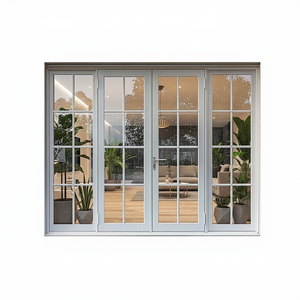
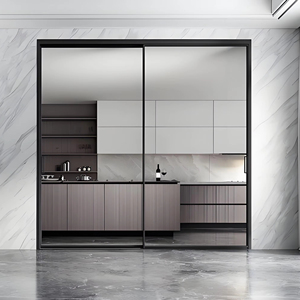
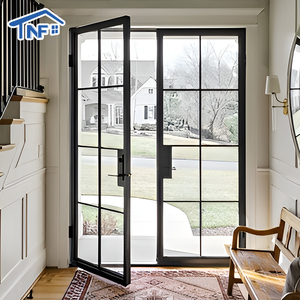
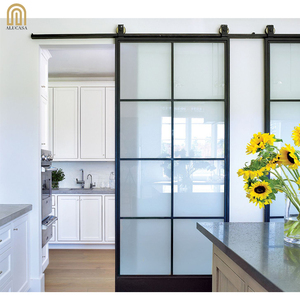
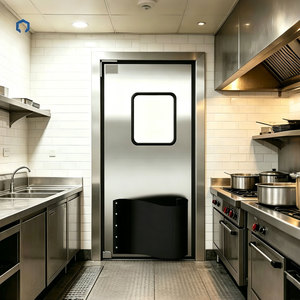
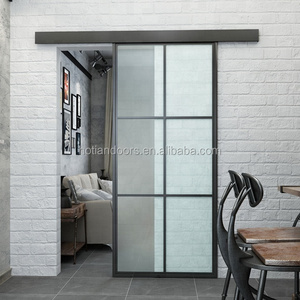
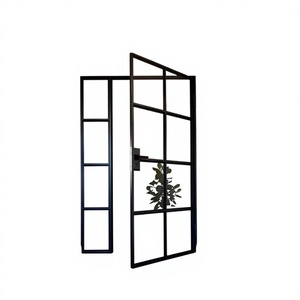
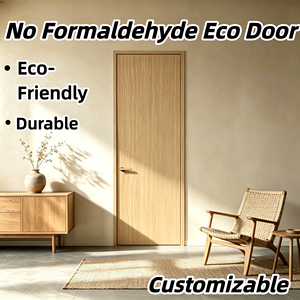
Enterprise Capabilities & Sourcing Ecosystem: Zenic Window & Door
Operating out of Foshan, Guangdong, China—the world's most concentrated architectural aluminum extrusion and fenestration manufacturing hub—Zenic Window & Door Technology Co., Ltd. has established itself as an authoritative global manufacturer and exporter. Spanning a state-of-the-art 20,000 m² production base equipped with multi-axis CNC machining centers, automated corner crimping lines, and zero-defect quality control gates, Zenic delivers high-precision architectural solutions to developers, architects, wholesalers, and general contractors in over 40 countries.
Engineered specifically for demanding interior and transitional exterior spaces, our aluminium kitchen stable door systems combine Dutch split-sash versatility with heavy-duty structural integrity. Unlike traditional wooden stable doors prone to warping, moisture expansion, and oil-fume deterioration, Zenic's precision extruded 6063-T5 aluminum alloy systems maintain absolute dimensional stability, thermal efficiency, and airtight seals across decades of continuous operation.
Structural Anatomy & Engineering Standards of Aluminium Kitchen Stable Doors
Aluminium kitchen stable doors (often referred to as Dutch doors) feature an independently operated split-sash mechanism. The top sash can open freely to provide rapid ventilation, dissipate kitchen grease fumes, and capture natural daylight, while the bottom sash remains securely locked to prevent children or pets from entering hazardous cooking zones. When coupled together via a heavy-duty interlock bolt, both sashes function seamlessly as a unified full-height swing or entry door.
6063-T5 Prime Alloy Profiles
Extruded with a minimum wall thickness of 2.0mm to 3.0mm, providing exceptional structural rigidity, tensile strength (>185 MPa), and resistance to physical deformation under heavy usage.
Polyamide PA66 GF25 Thermal Break
Engineered with 24mm to 34mm fiberglass-reinforced polyamide thermal barrier strips that eliminate heat transfers between hot kitchen interiors and climate-controlled living areas.
Dual-Gasket EPDM Weatherstripping
Continuous synthetic rubber seals integrated across the horizontal meeting stile and frame perimeters block air infiltration, moisture penetration, and cooking odor leakage.
Multi-Point Locking Kinematic Gear
Equipped with dual independently key-lockable gearboxes and heavy-duty shoot-bolts tested to 200,000 operating cycles, assuring high forced-entry protection.
Information Gain Note: Micro-Concealed Pressure Equalization Drainage
Traditional kitchen doors suffer from condensation build-up caused by high cooking humidity interacting with cooler outdoor ambient temperatures. Zenic’s proprietary stable door profile incorporates internal staggered drainage chambers with one-way pressure relief valves. This ensures moisture flows outward naturally without allowing wind-driven rain or outdoor humidity back draft into the residential kitchen area.
Global Sourcing & Architectural Trends in Kitchen Fenestration (2025–2030)
As modern residential and commercial designs move toward open-plan living and seamless indoor-outdoor transitions, the demands placed on kitchen fenestration have evolved dramatically. B2B importers, real estate developers, and architectural specifiers must stay ahead of several critical market shifts:
- Decarbonization & Stringent Thermal Regulations: Global building codes—such as ENERGY STAR 7.0 in North America, Title 24 in California, and the EU Energy Performance of Buildings Directive (EPBD)—mandate overall window and door U-values below 1.4 W/m²K. Importers are abandoning non-thermal aluminum profiles in favor of multi-chamber polyamide thermal break stable door systems.
- VOC-Free & Zero-Formaldehyde Green Materials: Commercial kitchens and luxury homes prioritize indoor air quality (IAQ). Modern composite aluminum doors integrated with solid honeycomb or eco-friendly solid wood cores eliminate formaldehyde off-gassing while enhancing acoustic dampening up to STC 42 dB.
- Smart Access & Biometric Hardware Integration: Sourcing trends show a 35% year-over-year increase in demand for smart-lock-compatible door stiles. B2B buyers require profile channels capable of concealing wiring harnesses for motor-driven latch bolts, biometric fingerprint readers, and home automation interfaces.
- High-Durability Surface Coatings for Coastal & Tropical Climates: Severe atmospheric environments demand Qualicoat Class 2 or PVDF fluorocarbon coatings capable of enduring 3,000+ hours of continuous salt-spray testing without chalking, blistering, or color degradation.
Material Performance Analysis: Aluminium vs. Alternative Kitchen Doors
When selecting door systems for high-traffic, high-moisture kitchen environments, procurement directors must evaluate long-term lifecycle costs alongside initial purchase price. The evaluation matrix below demonstrates why 6063-T5 aluminum thermal break stable doors outperform legacy materials:
| Performance Criteria | Zenic Thermal Break Aluminium | Solid Hardwood | Vinyl / uPVC | Steel Composite |
|---|---|---|---|---|
| Moisture & Oil Fume Resistance | Impervious (0% Absorption) | High Risk (Warping/Swelling) | Moderate (Surface Staining) | Corrosion Risk if Scratched |
| Thermal Performance (U-Value) | 1.1 – 1.6 W/m²K | 1.8 – 2.4 W/m²K | 1.3 – 1.8 W/m²K | 2.2 – 3.5 W/m²K |
| Structural Integrity & Span Capacity | Extreme (High Wind Load) | Moderate (Sags Over Time) | Low (Requires Steel Insert) | High (Heavy Dead Load) |
| Hardware Cycle Life Rating | 200,000+ Cycles | 50,000 Cycles (Hinge Sag) | 80,000 Cycles | 100,000 Cycles |
| Maintenance & Cleaning Overhead | Zero (Wipe Clean) | High (Periodic Resealing) | Low (UV Yellowing Risk) | Moderate (Rust Touch-Up) |
| Expected Service Lifespan | 30 – 50 Years | 10 – 15 Years | 12 – 20 Years | 15 – 25 Years |
Testing, Compliance & International Quality Assurance
Every aluminum kitchen stable door produced at Zenic's Foshan facility undergoes rigorous inspection protocol aligned with international engineering standards. We assist global project partners by providing complete factory audit trails, chemical composition reports, and physical performance test certificates:
ISO 9001:2015 Certification
Guarantees total quality management across profile receipt, CNC cutting, corner crimping, gasket fitting, assembly, and ocean-crating.
NFRC & ENERGY STAR
Thermal simulation verified via LBNL WINDOW software, supporting strict thermal compliance across North American building zones.
AS2047 & AS1288 Compliance
Tested for water penetration resistance, deflection, and air infiltration specifically for Australian coastal building standards.
CE Marking (EN 14351-1)
Conforms to European Health, Safety, and Environmental protection requirements for external and internal residential door sets.
Step-by-Step B2B Sourcing & Customization Workflow
To streamline international procurement for developers and distributors, Zenic provides a transparent, engineering-led OEM/ODM workflow from initial CAD drawings through to port delivery:
- Architectural Schedule & CAD Consultation: Our technical team reviews your door schedules, wind-load requirements, floor plans, and elevation drawings. We provide optimized profile recommendations and value-engineering adjustments within 24 hours.
- Custom Tooling & Profile Extrusion: If non-standard profiles are specified, our die manufacturing workshop produces custom extrusion dies within 12–15 days using virgin 6063-T5 aluminum billets.
- Precision Machining & Corner Crimping: Extrusions are cut on German-made double-head CNC saws. Corners are joined using hydraulic corner crimping machines coupled with two-component structural corner adhesives to ensure permanent airtight joints.
- Hardware Assembly & Factory Test-Fitting: Multi-point gearboxes, stainless steel hinges, friction stays, and glass units (IGUs) are installed. Every stable door is pre-hung and tested for sash alignment, split-latch engagement, and seal compression.
- Sea-Worthy Export Packaging: Finished door leaves and knocked-down (KD) outer frames are wrapped in anti-scratch protective film, padded with high-density EPE foam, corner-protected, and sealed inside fumigation-free plywood crates for container shipping.
Frequently Asked Sourcing & Technical Questions (FAQ)
Ready to Elevate Your Architectural Projects?
Connect directly with Zenic’s Senior Technical Sales Engineers for instant drawing reviews, custom extrusion inquiries, factory-direct wholesale pricing, and project submittal packages.
Inquire Now