Engineered Aluminium Single Door Catalog
Explore our export-certified architectural single doors manufactured with 6063-T5 prime alloy profiles, multi-point locking mechanisms, and advanced thermal breaks.
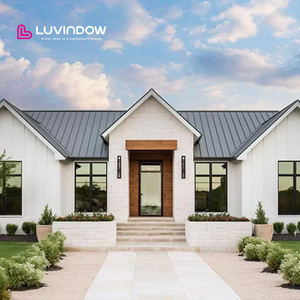
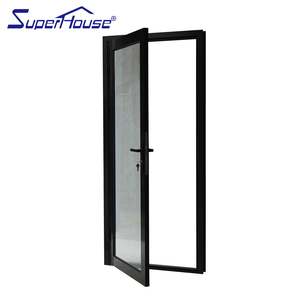
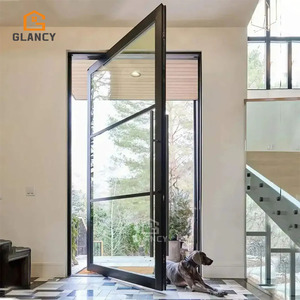
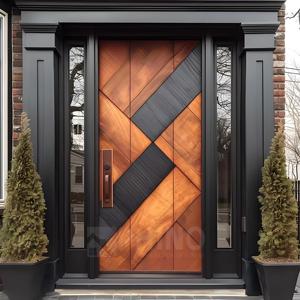
Executive Whitepaper: The Evolution of Architectural Aluminium Single Doors
In modern commercial and high-end residential architecture, the entry point serves as both a primary aesthetic statement and a critical envelope barrier against thermal transfer, environmental loads, and physical intrusion. Selecting top trusted aluminium single door suppliers and exporters requires evaluating structural engineering metrics beyond basic surface aesthetics. As global energy codes become increasingly stringent—evidenced by update iterations in North American ASHRAE standards and European Union Energy Performance of Buildings Directives (EPBD)—the demand for highly technical polyamide thermal break aluminium single doors has shifted from optional luxury to mandatory procurement practice.
Zenic Window & Door Technology Co., Ltd., headquartered in Foshan, Guangdong, China, operates at the epicenter of global architectural aluminum extrusion. By combining precision metallurgy, continuous polymer extrusion, double/triple insulated glass unit (IGU) integration, and European multi-point locking hardware, Zenic manufactures single door assemblies engineered to withstand extreme wind loads (up to 1,000 N pressure resistance), eliminate thermal bridging, and deliver acoustic attenuation exceeding STC 40dB.
Metallurgical Superiority: 6063-T5 Prime Aluminum Profiles
The structural foundation of any reliable aluminium single door lies in the alloy formulation and temper state. Low-cost market alternatives frequently utilize scrap-recycled aluminum billets containing non-uniform iron and silicon trace impurities, leading to frame warping, intergranular corrosion, and coating adhesion failure over time.
Zenic exclusively utilizes virgin 6063-T5 architectural-grade aluminum alloy across all custom casement, pivot, and storefront single door systems. The profile wall thickness is strictly maintained between 2.0mm and 3.0mm depending on opening spans and structural engineering requirements:
- Tensile Strength: Minimum yield strength of 110 MPa and ultimate tensile strength of 150 MPa, ensuring zero deflection under severe negative wind loads.
- Multichamber Profile Geometry: Internal web structures engineered via finite element analysis (FEA) to maximize structural moment of inertia while hosting thermal barriers.
- Anodizing & Powder Coating Performance: High chemical purity allows uniform oxide film growth (AAMA 611 compliant) and flawless powder coat bonding (Qualicoat Class 2 standard), protecting profiles against saline coastal erosion for over 25 years.
Engineering & Manufacturing Standards (E-E-A-T Guarantee)
Our Foshan manufacturing facility integrates advanced CNC machining, automated corner crimping, and clean-room glass glazing to maintain ISO 9001 quality control across all export project batches.
PA66GF25 Polyamide Thermal Break
Features 24mm to 34mm techno-polymer strips reinforced with 25% glass fiber. Effectively severs conduction pathways between internal and external profile skins, dropping door frame U-values down to 1.1 W/m²K.
Six-Seal EPDM Continuous Gaskets
Employs synthetic EPDM weatherstripping with continuous vulcanized corners. Delivers superior air tightness (Class 4 EN 12207) and driving rain resistance up to 900 Pa pressure differential.
Multi-Point Locking & Security
Integrated anti-burglary hardware with hardened steel hook bolts and heavy-duty 3D adjustable hinges, tested to withstand 200,000 opening cycles without sash sagging.
Acoustic Isolation Engineering
Combines asymmetric laminated double glass (e.g., 6mm Low-E + 12Ar + 5mm + 0.76PVB + 5mm) to dampen ambient noise pollution across residential and hotel entries.
Pin-and-Glue Corner Joint Crimping
Precision 45-degree mitered corners secured via cast aluminum corner cleats, stainless steel alignment pins, and two-component structural polyurethane sealant for zero joint separation.
Global Compliance & Testing
Product lines evaluated and certified against NFRC, CE, AS2047, AAMA, CSA, and ISO 9001 standards, enabling seamless building inspector submittals worldwide.
Technical Performance Comparison Matrix
To assist architectural specifiers, procurement officers, and structural engineers, the table below delineates performance metrics across our flagship aluminium single door systems:
| System Category | Profile Depth / Wall | Thermal U-Value Range | Wind Load Resistance | Acoustic Isolation | Ideal B2B Application |
|---|---|---|---|---|---|
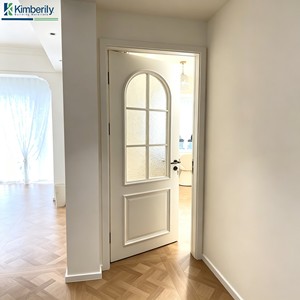
| Slim Casement Single Door | 65mm – 90mm / 2.0mm | 1.1 – 1.4 W/m²K | Class 5 (P3 ≥ 5000 Pa) | STC 38 – 42 dB | Luxury Apartments, Bedrooms, Modern Entryways |
| Heavy-Duty Commercial Storefront | 100mm – 120mm / 2.5mm | 1.5 – 1.8 W/m²K | Class 4 (P3 ≥ 4000 Pa) | STC 34 – 38 dB | Hotel Foyers, Retail Storefronts, Office Towers |
| Architectural Large Pivot Entry Door | 120mm – 150mm / 3.0mm | 1.2 – 1.6 W/m²K | Class 4 (P3 ≥ 4500 Pa) | STC 36 – 40 dB | Custom Modern Villas, Estates (US/Australia) |
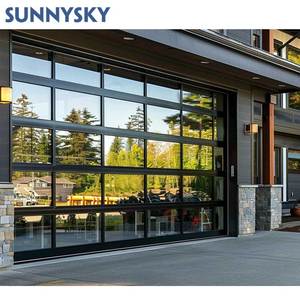
| Hurricane Impact Glass Single Door | 90mm – 110mm / 2.5mm | 1.3 – 1.6 W/m²K | Impact Rated (AAMA 501) | STC 40 – 45 dB | Coastal Zones, Florida/Caribbean Codes, Garages |
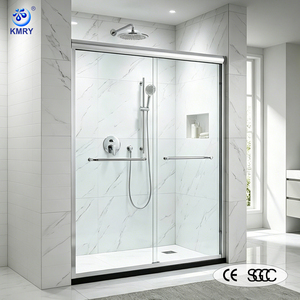
| Bypass / Enclosure Sliding Door | 45mm – 75mm / 1.8mm | N/A (Interior Moisture Barrier) | N/A (Interior Use) | STC 30 – 35 dB | Hotel Bathrooms, Luxury Cubicles, Suites |
Global Architectural Procurement Trends (2025 – 2030)
The global demand for high-end aluminium single door suppliers is undergoing structural shifts driven by evolving occupant preferences, environmental regulations, and advanced manufacturing techniques. B2B buyers and importers must align their procurement criteria with four dominant future trends:
1. Minimalist Ultra-Narrow Sightlines with Maximum Daylight Penetration
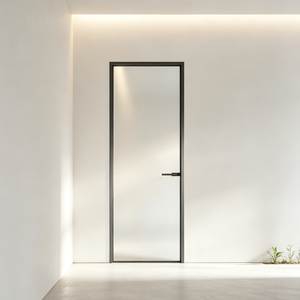
Contemporary architectural design prioritizes uninterrupted exterior views and maximum natural light harvesting. Traditional bulky aluminum door frames are increasingly replaced by ultra-narrow frame single casement and swing doors. Engineered with hidden hinges, concealed drainage systems, and embedded frame profiles, these modern systems reduce visible profile width to as low as 18mm while maintaining structural integrity through high-tensile 6063-T5 alloy composition and heavy-gauge perimeter hardware.
2. Decarbonization & Embodied Carbon Tracking in Fenestration
Green building certification programs such as LEED v4.1, BREEAM, and Passivhaus require manufacturers to provide Environmental Product Declarations (EPDs). Future procurement contracts will heavily favor suppliers who utilize clean-energy aluminum smelting (hydropower-based extrusion billets) and implement closed-loop recycling for factory scrap. Furthermore, the integration of advanced warm-edge spacers, argon gas filling (90%+ concentration), and triple Low-E coatings will remain standard specifications for achieving near-zero energy building (NZEB) compliance.
3. Hurricane-Resistant Impact Engineering & Coastal Durability
With increasing climate volatility and severe weather events, global buyers across the Southeastern United States, the Caribbean, and coastal Oceania require single entrance doors certified to pass severe impact testing (such as ASTM E1886/E1996 and Florida Building Code TAS 201/202/203). High-performance single doors are engineered with multi-layer SentryGlas® (SGP) ionoplast interlayers, reinforced stainless steel pivot hardware, and heavy-duty deadbolt lock mechanisms capable of resisting repeated missile impacts and cyclic pressure loading.
4. Smart Hardware Integration & Automated Access Control
Commercial hospitality and luxury residential projects are driving the convergence of architectural doors and smart building management systems (BMS). Modern aluminium single doors are increasingly specified with factory-prewired electric strike plates, biometric fingerprint scanners, motorized automatic swing actuators, and hidden magnetic reed switches for seamless integration into security ecosystems.
Inside the Factory: Precision Manufacturing & Quality Assurance
Executing complex OEM/ODM projects demands strict standardization at every phase of production. At Zenic’s 20,000 m² Foshan facility, every single door order follows a 4-step quality-controlled workflow before container loading:
Step 1: Engineering CAD Drawing Submittal & Shop Approval
Upon order confirmation, our fenestration engineering team translates architectural schedules into detailed 2D/3D shop drawings. Wind loads, glass deflection limits, thermal stress calculations, and installation flashing details are verified against local building codes before raw material allocation.
Step 2: CNC Cutting & Precision Machining
Aluminum extrusions are cut on dual-head automated CNC machines operating within ±0.2mm tolerance limits. Hardware mortises, lock cylinder cutouts, water drainage slots, and hinge notchings are milled in a single automated pass to ensure 100% alignment during site assembly.
Step 3: Thermal Break Insertion & Pin-and-Glue Assembly
Polyamide PA66GF25 strips are mechanically knurled and crimped into aluminum profile slots using high-precision rolling machinery. Mitered corners are coated with two-component polyurethane joint sealant, injected with aluminum cleats, and pneumatic crimped to guarantee a watertight structural bond.
Step 4: Hydrostatic Testing & Sea-Worthy Crate Packaging
Random sample units from every production batch undergo rigorous chamber testing for water penetration (ASTM E331) and air infiltration (ASTM E283). Once passed, completed doors are cleaned, wrapped in multi-layer EPE protective film, fitted with impact-resistant corner guards, and enclosed in fumigation-free plywood export crates.
Frequently Asked Questions (FAQ) for B2B Importers & Specifiers
Below are authoritative answers to common technical and commercial queries raised by architects, developers, and door distributors during procurement evaluation.
Partner with China's Premier Aluminium Single Door Exporter
Whether you are specifying custom entrance pivot doors for luxury residential villas, outfitting a multi-family apartment project, or stocking wholesale inventory as a regional distributor, Zenic provides factory-direct engineering, competitive FOB pricing, and certified quality assurance.